
 Worksheets
Adam's Presidency & America's First Political Parties
Total questions: 36
Worksheet time: 18mins
Fill in the blank: Political parties are groups of people who share similar ideas about _______ and laws.
government
sports
weather
music
Fill in the blank: Political parties work together to win _______ and influence decisions.
elections
debates
wars
trophies
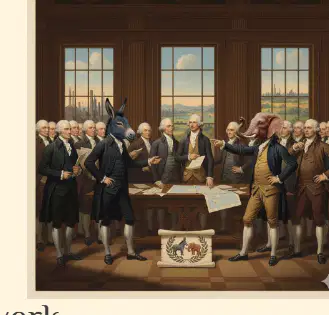
Fill in the blank: Political parties first appeared around the Election of _______.
1796
1804
1824
1788
Why did political parties form? Fill in the blank: They formed because leaders disagreed on major issues like _________.
How powerful the federal government should be
What color the national flag should be
The official national animal
The design of the national currency
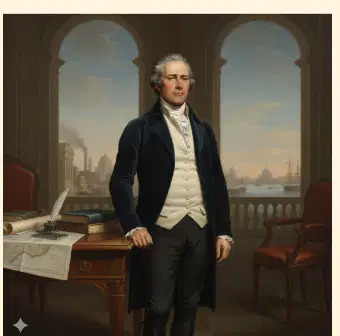
Who was the main leader of the Federalists?
Thomas Jefferson
Alexander Hamilton
James Madison
John Adams
The Federalists believed the federal government should be ______ and active.
strong
weak
silent
passive
Which interpretation of the Constitution did the Federalists support?
Strict interpretation
Loose interpretation
No interpretation
Literal interpretation
The Federalists wanted the U.S. to become a ______, respected nation quickly.
powerful
isolated
weak
neutral
Which of the following groups mostly supported the Federalists?
Farmers and laborers
Merchants and bankers
Factory workers
Artisans
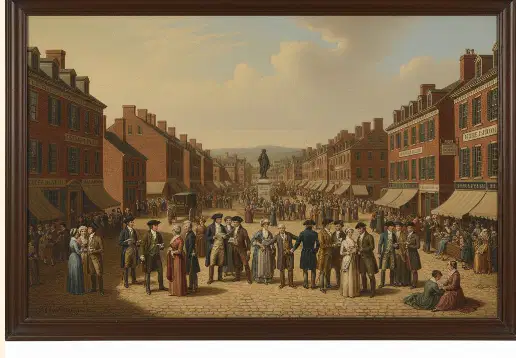
Who were the Federalists mostly supported by?
Merchants and bankers
Manufacturers and business owners
Wealthy plantation owners and farmers
Educated, upper-class citizens
all of the above
Fill in the blank: One of the Federalist economic goals was to promote __________ and industry.
manufacturing
agriculture
mining
fishing
Fill in the blank: The Federalists wanted strong international __________ and shipping to grow America's economy.
trade
borders
alliances
currency
Fill in the blank: The Federalists supported the creation of a powerful national __________.
bank
army
university
court
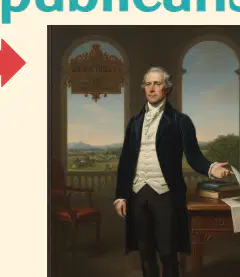
Who was the main leader of the Democratic-Republicans?
Alexander Hamilton
Thomas Jefferson
John Adams
James Madison
The Democratic-Republicans wanted most authority to stay with _________
state governments
the federal government
the President
the Supreme Court
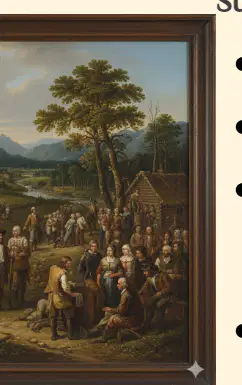
The Democratic-Republicans were supported by which of the following groups?
Bankers and merchants
Common citizens and workers
Large landowners
Royalty
Fill in the blank: One of the Democratic-Republican values was a government controlled by _________.
everyday people
wealthy elites
royalty
military leaders
According to the Economic Views of Democratic-Republicans, what was the basis of the economy they supported?
Industry and manufacturing
Farming and agriculture
Technology and innovation
Mining and extraction
According to the Economic Views of Democratic-Republicans, what did they oppose?
National banks and big business influence
Small farms
Government regulation
Free trade
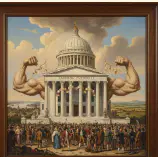
Which party supported a strong national (federal) government?
Federalists
Democratic-Republicans
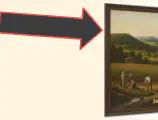
Which party supported strong state governments?
Federalists
Democratic-Republicans
Which party believed in a loose interpretation of the Constitution?
Federalists
Democratic-Republicans
Which party believed in a strict interpretation of the Constitution?
Federalists
Democratic-Republicans
Which party's economy was based on factories, banking, and trade?
A) Federalists
B) Democratic-Republicans
Which party's economy was based on agriculture and farming?
Federalists
Democratic-Republicans
Which party's support base was the wealthy and upper class?
Federalists
Democratic-Republicans
Which party's support base was farmers, workers, and the middle class?
Federalists
Democratic-Republicans
Which foreign affair did John Adams struggle with during his presidency?
The XYZ Affair
The Louisiana Purchase
The War of 1812
The Boston Tea Party
Who was the last Federalist to become president?
John Adams
Thomas Jefferson
James Madison
James Monroe
Political parties became a ______ part of the government.
permanent
temporary
minor
invisible
Political parties increased participation in ______. (Fill in the blank)
elections
festivals
sports
seminars
Political parties created competition in ______ decisions.
government
sports
fashion
weather
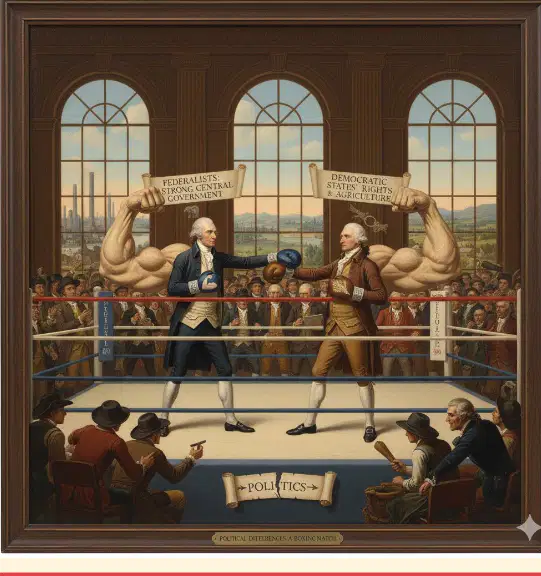
Look at the illustration. Which two groups are depicted as debating in the boxing ring?
A) Federalists and Democratic-Republicans
B) Whigs and Tories
C) Republicans and Libertarians
D) Socialists and Communists
What is one importance shown by the first political parties?
Peaceful disagreement and debate.
Absolute monarchy and control.
Suppression of all opposition.
Elimination of elections.
What is one importance shown by the first political parties?
Listening to different viewpoints.
Ignoring public opinion.
Suppressing opposition voices.
Focusing only on one leader.
Legacy of the First Political Parties: What is one importance shown by the first political parties?
Citizen voice in shaping policy.
Elimination of all political disagreements.
Abolition of government structure.
Immediate end to foreign influence.

