
NEW
Font size
 Worksheets
Macronutrients Quiz
Total questions: 45
Worksheet time: 23mins
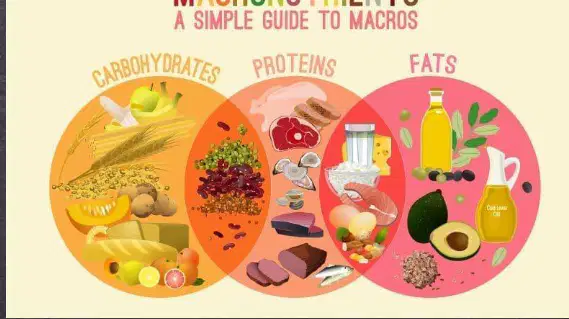
What are macronutrients?
The three main nutrients your body needs in small amounts
The three main nutrients your body needs in large amounts
Vitamins and minerals
Water and fiber
Which of the following is NOT one of the three macronutrients?
Carbohydrates
Proteins
Fats
Vitamins
What is the primary role of macronutrients in the body?
To provide energy and support essential body functions
To regulate body temperature
To strengthen bones
To improve eyesight
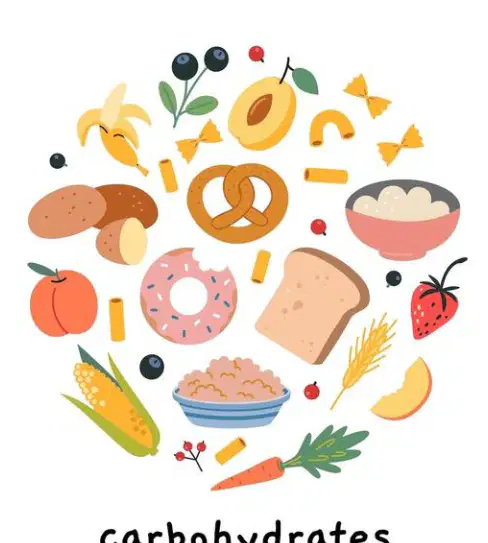
What is the primary function of carbohydrates in the body?
Build muscle mass
Provide quick energy for the brain, muscles, and organs
Strengthen bones
Regulate body temperature
Approximately what percentage of your daily carbohydrate intake is used by the brain?
10%
20%
50%
70%
Which type of carbohydrates provides sustained energy?
Simple carbohydrates
Complex carbohydrates
Sugary carbohydrates
Processed carbohydrates
Which of the following is NOT a common food source of carbohydrates?
Fruits
Vegetables
Meat
Bread
What is the recommended percentage of daily calories that should come from carbohydrates?
10-20%
25-35%
45-65%
70-90%
What is one of the primary functions of proteins in the body?
Provide energy for short-term activities
Build and repair muscles, organs, skin, hair, and nails
Store fat for insulation
Regulate blood sugar levels
Which of the following is NOT a food source of protein?
Meat
Fish
Dairy
Candy
What percentage of your total daily calories is recommended to come from protein?
5-15%
10-35%
20-50%
40-60%
Proteins help make enzymes and hormones that control which of the following?
Body processes
Blood pressure
Bone density
Vision
How do proteins support the immune system?
By providing energy for immune cells
By supporting immune system function
By increasing blood flow to the immune system
By storing nutrients for immune cells
What is one of the primary functions of fats in the body?
Provide quick energy bursts
Help absorb vitamins A, D, E, K
Build muscle tissue
Increase water retention
Which of the following is NOT a food source of healthy fats?
Nuts
Butter
Fatty fish
White bread
What percentage of your total daily calories should come from fats, according to the recommended guidelines?
10-15%
20-35%
40-50%
5-10%
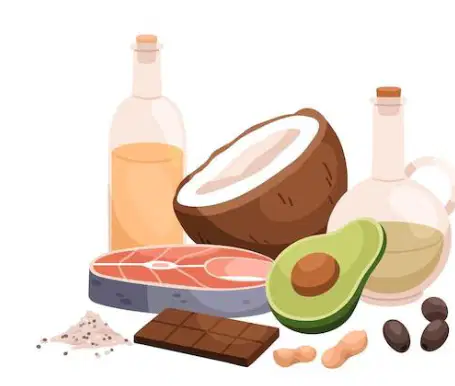
How do fats support brain function?
By providing quick energy
By maintaining cell membranes
By supporting hormone production
Both B and C
What is a calorie?
A unit of energy that measures how much energy food provides
A type of vitamin found in food
A mineral essential for bone health
A type of carbohydrate
How many calories per gram do carbohydrates provide?
9 calories
4 calories
7 calories
2 calories
Which macronutrient provides the highest number of calories per gram?
Carbohydrates
Proteins
Fats
Vitamins
What is the calorie content of fats per gram?
4 calories
7 calories
9 calories
2 calories
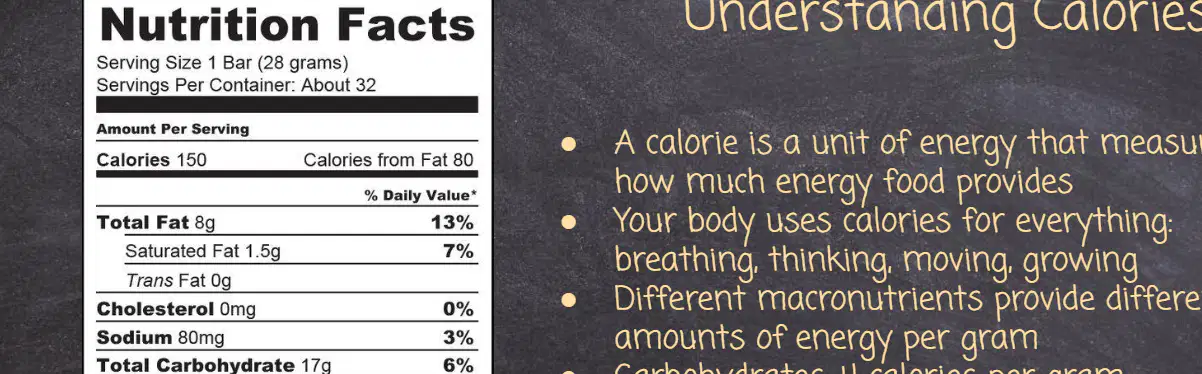
What is the serving size of the food item in the nutrition facts label?
1 bar (28 grams)
2 bars (56 grams)
1 bar (50 grams)
1 bar (20 grams)
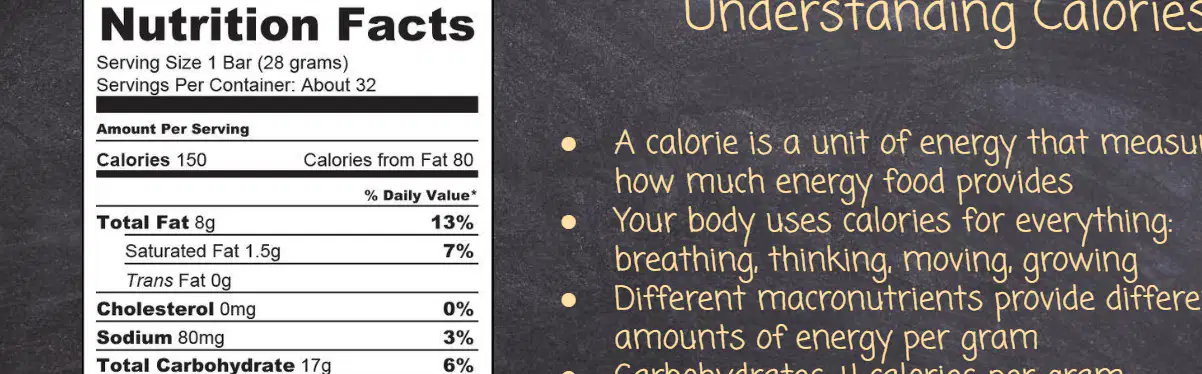
How many grams of protein are in one serving of the food item?
8 grams
3 grams
17 grams
0 grams
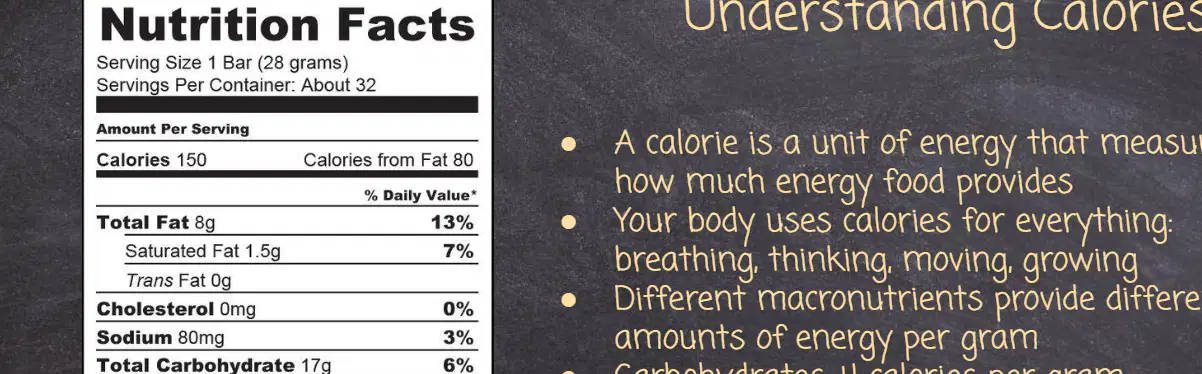
What percentage of daily value for total fat does one serving provide?
7%
13%
10%
3%
What is energy balance?
The relationship between calories consumed and calories burned
The total amount of calories consumed in a day
The total amount of energy your body uses in a day
The difference between food intake and water intake
What does "Calories In" refer to?
The energy your body uses throughout the day
All the food and drinks you consume
The calories burned during exercise
The calories stored in your body
What does "Calories Out" refer to?
The energy your body uses throughout the day
The calories you consume from food and drinks
The calories stored in your body
The calories burned only during physical activity
What happens when calories in equals calories out?
You gain weight
You lose weight
Your weight stays stable
Your energy levels decrease
What does BMR stand for?
Basic Metabolic Rate
Basal Metabolic Rate
Body Metabolic Rate
Brain Metabolic Rate
What percentage of your total daily energy expenditure is accounted for by BMR?
30-40%
40-50%
60-75%
80-90%
Which of the following is NOT included in the energy provided by BMR?
Breathing
Circulation
Cell production
Physical exercise
Which of the following factors affect BMR?
Age, gender, body size, muscle mass, genetics
Diet, hydration, sleep, exercise
Stress, environment, posture, mood
Weather, altitude, sunlight, temperature
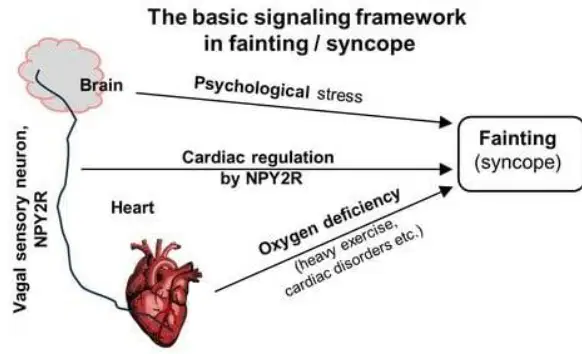
The basic signaling framework in fainting/syncope involves which of the following components?
Psychological stress, cardiac regulation, and oxygen deficiency
Digestive enzymes, bone density, and skin pigmentation
Liver function, kidney filtration, and muscle contraction
Visual acuity, auditory processing, and hair growth
What does TDEE stand for?
Total Daily Energy Expenditure
Total Daily Exercise Evaluation
Total Dietary Energy Estimate
Total Daily Energy Efficiency
What is included in TDEE besides BMR?
Only planned exercise
Planned exercise, sports, walking, and even fidgeting
Only sports activities
Only walking and running
How much can physical activity increase your daily calorie needs?
5-10%
10-20%
15-40%
50-60%
What happens to your TDEE as you become more active?
It decreases
It remains the same
It increases
It fluctuates randomly
What does a balanced diet include?
Only carbohydrates
Appropriate amounts of all three macronutrients
Only proteins and fats
Only vitamins and minerals
What is the recommended proportion of vegetables/fruits in the plate method?
1/4
1/2
3/4
None
Which of the following is an example of nutrient-dense food?
Candy
Chips
Foods that provide vitamins and minerals
Soda
Why is it important to match your calorie intake to your activity level and goals?
To avoid eating vegetables
To ensure proper energy balance
To eat as much as possible
To avoid eating proteins
Which of the following is a recommended way to make healthy food choices?
Focus on whole, minimally processed foods for better nutrition
Avoid reading nutrition labels
Ignore your body's hunger and fullness cues
Skip hydration to save time
Why is it important to read nutrition labels?
To understand macronutrient content
To find the cheapest product
To avoid all fats and carbohydrates
To compare packaging designs
What is one way to support your metabolism?
Stay hydrated and get adequate sleep
Skip meals to reduce calorie intake
Consume only processed foods
Avoid physical activity
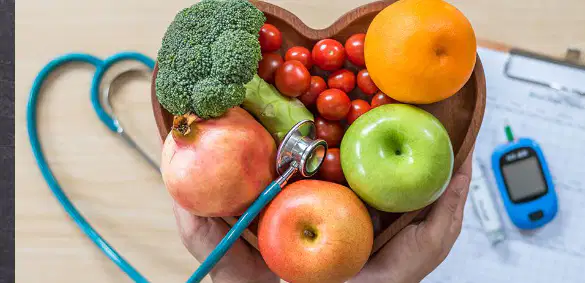
What should you listen to in order to make healthier eating choices?
Your body's hunger and fullness cues
Advertisements for food products
Social media trends
Your friends' eating habits

