
 Worksheets
The Roaring Twenties Vocab. Test Review
Total questions: 36
Worksheet time: 19mins
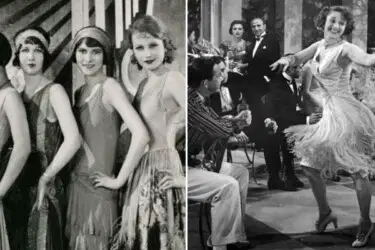
carefree young women with short, "bobbed" hair, heavy makeup, and short skirts - by embracing modern trends woman of the 1920s (dancing in clubs, shorter skirts, smoking, drinking)
bootlegging
Flapper
Go Go Girls
Hot Girls
Fear of communism
Red Scare
Palmer Raids
Teapot Dome Scandal
Bloody Scare
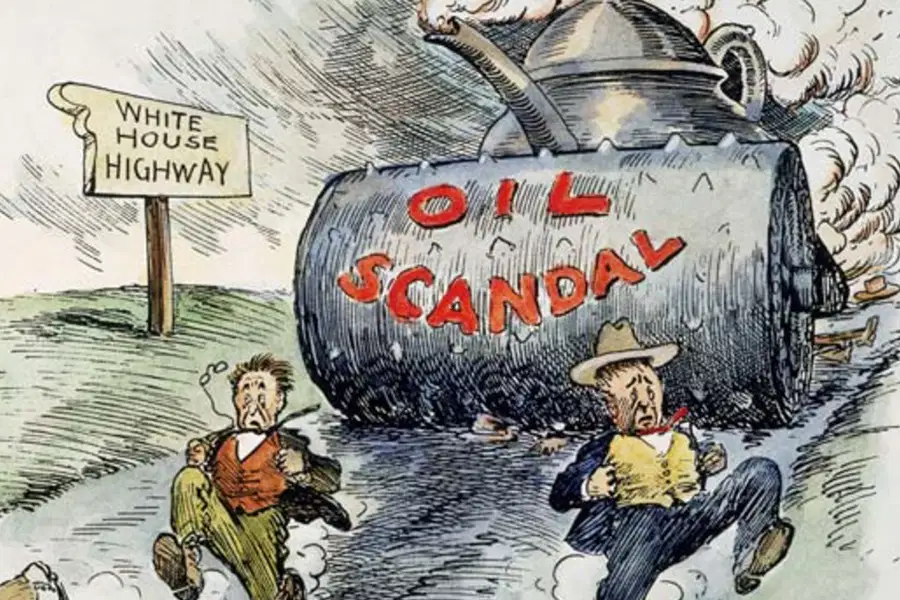
A government scandal involving President Warren G. Harding's
corrupt administration allowing the secret lease of a former United States
The Big Scandal
Palmer Raids
Teapot Dome Scandal
Warren G. Scandal
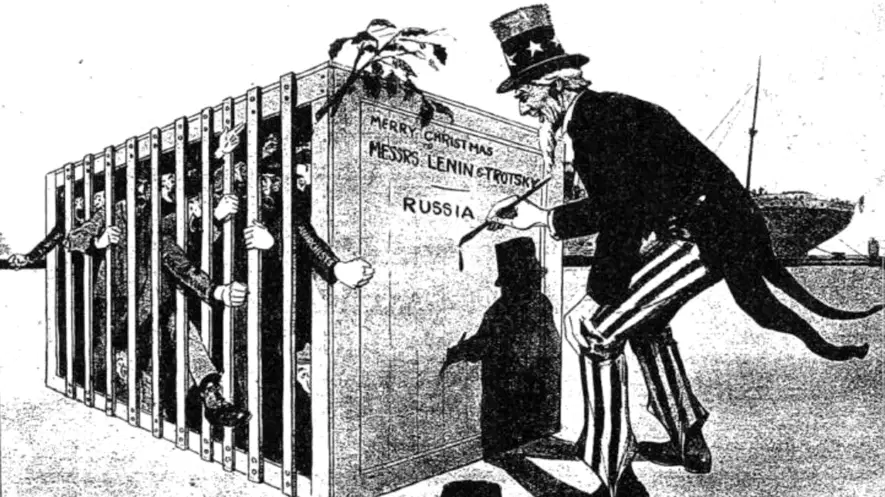
An anti-communism effort organized by Attorney General Mitchel Palmer
in which federal agents raided the homes of suspected communists in America
- a result of the Red Scare
Communism Raids
Palmer Raids
Red Scare

Production method that breaks down a complex
into a series of smaller tasks along a moving line in a factory
Assembly Line
Henry Ford
Quota
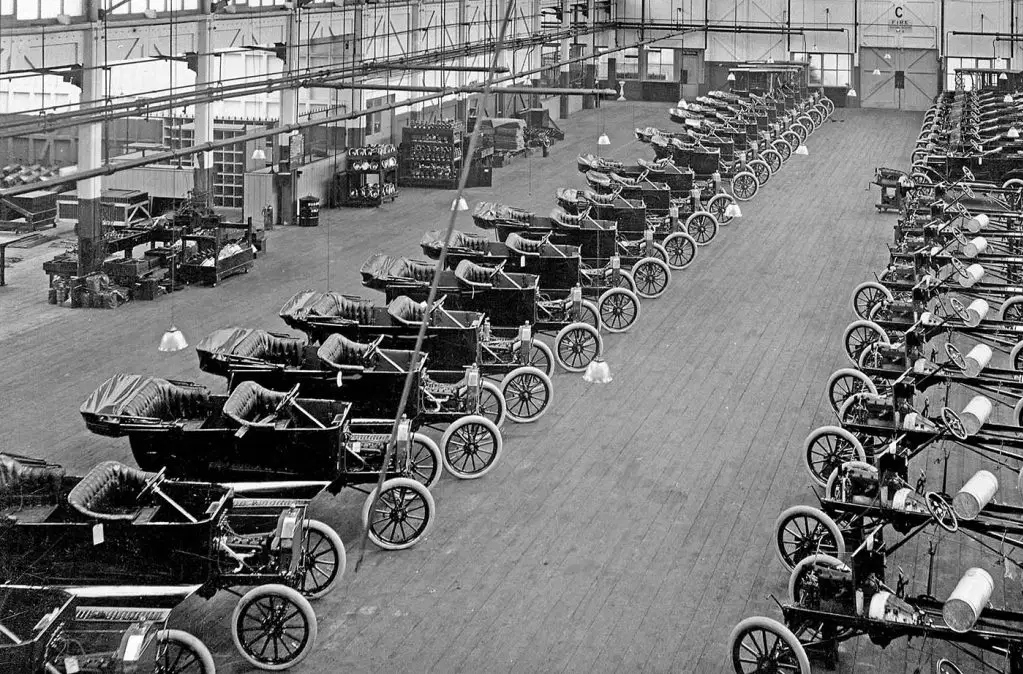
the rise of mass production of products resulting in people buying those products in great numbers
Mass Consumerism
Credit
Mass Productions
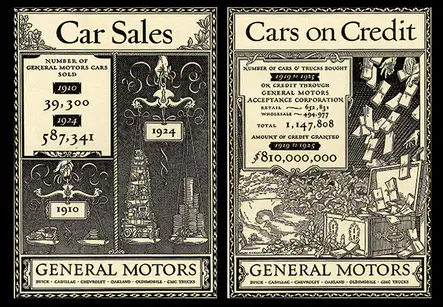
Buying a product now and paying for it later.
Laissez-faire
Quota
Mass Consumerism
Credit
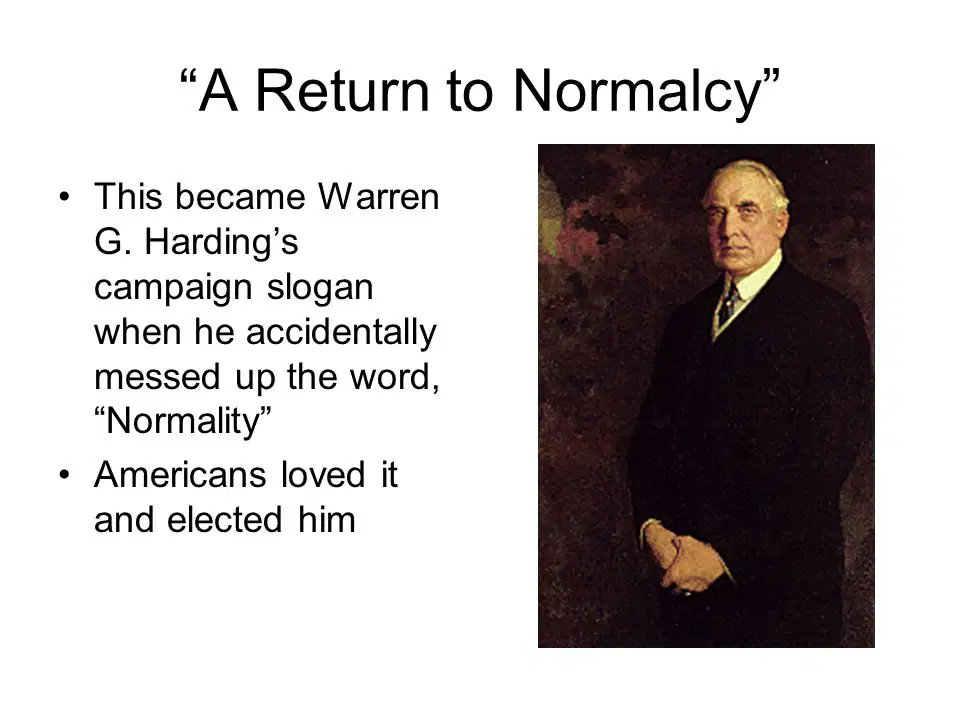
President Harding’s campaign slogan that
encouraged a return to life and politics similar to what it was before World War I
"Return to Isolation"
“Return to Normalcy”
"We're Back"
"Return to America"
Car company owner that that used the assembly line to mass produce automobiles (cars)
Warren G. Harding
Herbert Hoover
Henry Ford
Calvin Coolidge
economics in which the government removes regulation of business
and the economy to encourage business growth - "hands off"
Laissez-faire
Business Regulations
Political economics
a limit or pre-set amount of something
Socialism
Credit
Quota
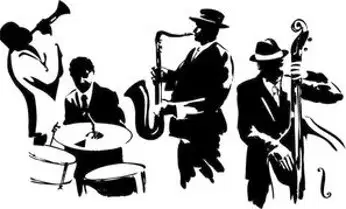
popular music genre in the 1920’s made famous by Black artists
Rap
Jazz
Blues
R&B
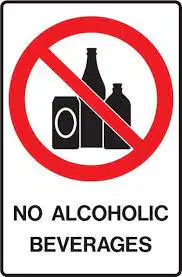
The constitutional amendment that made making, selling, and transporting alcohol illegal
17th Amendment
21st Amendment
18th Amendment
19th Amendment
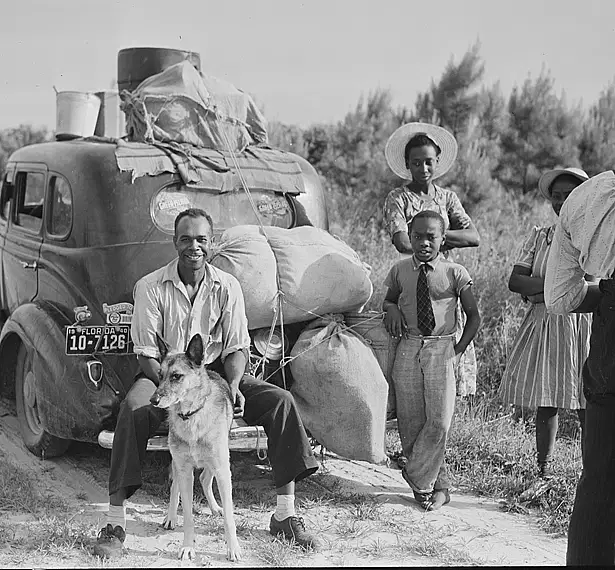
Movement of African American families from the South to the North to escape racism
Great Migration
Moving North
The Great Escape
Harlem Renaissance
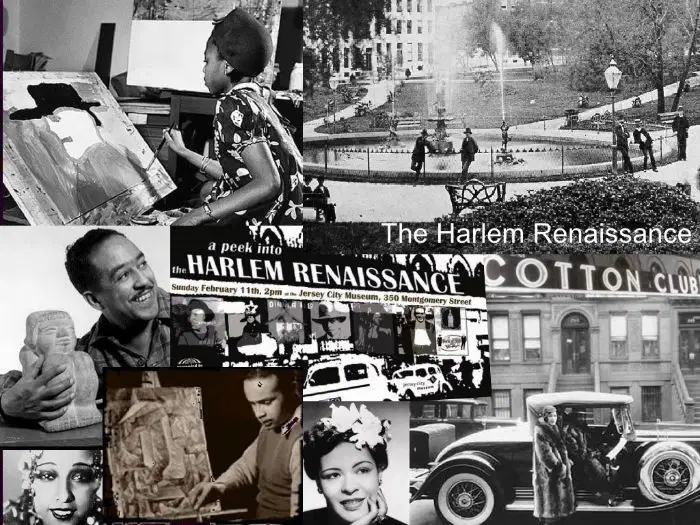
the rebirth and popularization of Black culture like jazz music that started in Harlem, New York
New York Blues
Jazz Age
Harlem Renaissance
Harlem Night
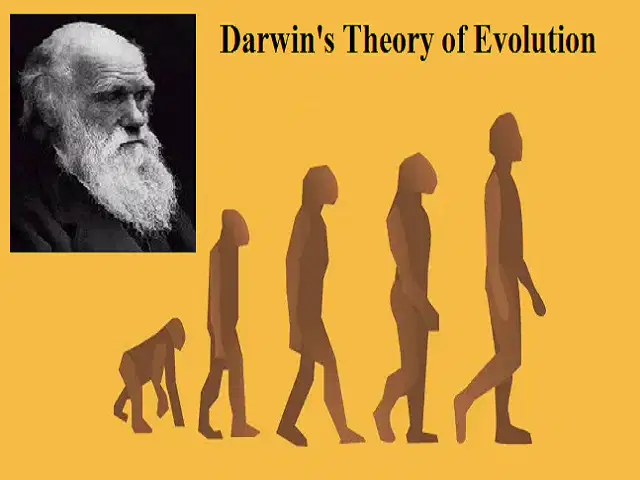
the trial that pitted the teaching of Darwin's theory of evolution against teaching Bible creationism
Harlem Renaissance
Scopes Monkey Trial
Speakeasy
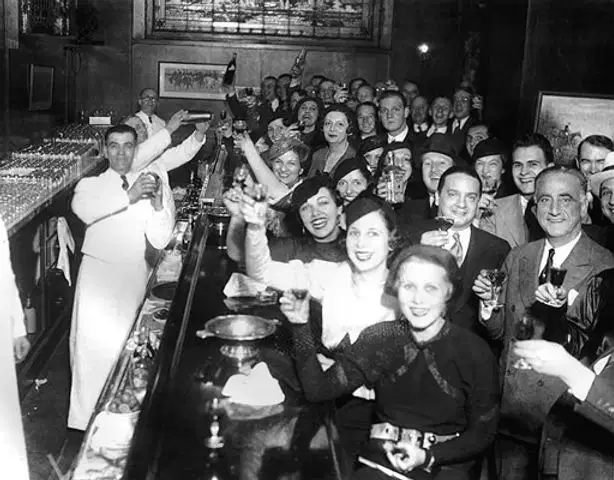
A place where alcoholic drinks were sold and consumed illegally during prohibition
Speakeasy
Harlem Renaissance
Prohibition
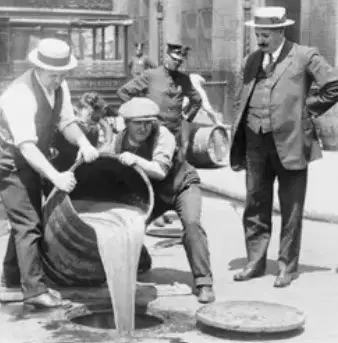
illegally making or selling alcohol during 1920's -1933
Speakeasy
Bootlegger
Prohibition
18th Amendment
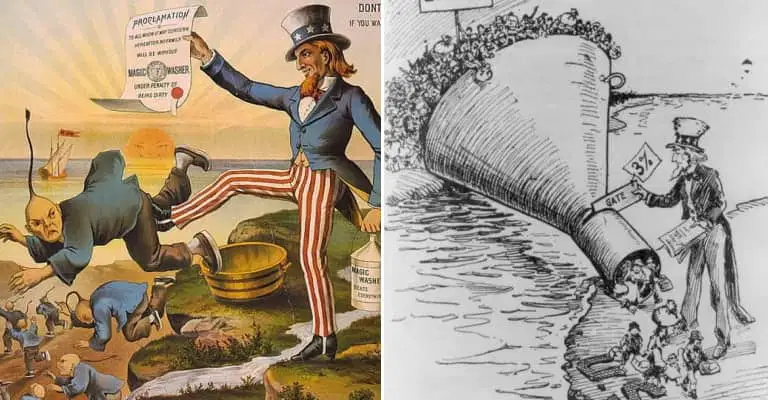
Which statement describe effects of the Red Scare during the 1920s?
Women and African Americans filled job vacancies.
U.S. mainstream culture accepted African American music and literature.
The U.S. government limited the number of immigrants that entered America.
___________ refers to authors, like Ernest
Hemingway, who expressed their societal concerns through literary works.
Lost Generation
Flappers
Economic

One reason for the Great Migration was that African Americans wanted to escape the South’s strict ____________
Jim Crow laws
Harlem Renaissance
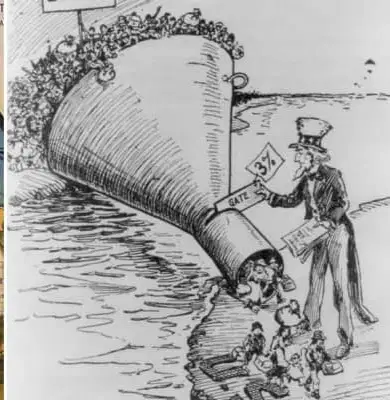
Situations like the Red Scare and immigration quotas are results of which major idea from this unit?
Prosperity
Consumerism
Corruption
Nativism
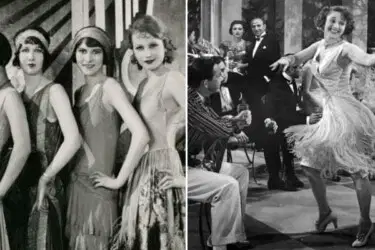
Three words that depict the theme of Traditionalism v. Modernism:
Harlem Renaissance
laissez-faire
Teapot Dome Scandal
flapper
Scopes Monkey Trial
laissez-faire
flapper
Harlem Renaissance
Scopes Monkey Trial
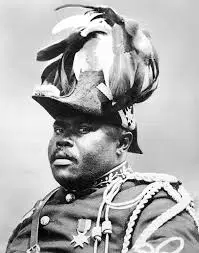
Advocated for a “Back-to-Africa” movement
Established the Universal Negro Improvement Association
Promoted cultural pride among African Americans
Babe Ruth
Marcus Garvey
Charles Lindbergh
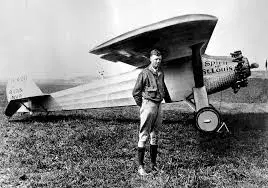
1st person to fly across the Atlantic Ocean to deliver the mail.
Marcus Garvey
Charles Lindbergh
Charlie Chaplin
The Roaring Twenties were characterized by --
internment camps, the rationing of goods, and the first use of an atomic bomb
bank failure, the New Deal, and bread lines
installment plans, Prohibition, and flappers
brinkmanship, McCarthyism, and a policy of containment
What was the nickname given to the 1920s due to its vibrant youth culture and social changes?
The Gloomy Twenties
The Roaring Twenties
The Soaring Twenties
The Boring Twenties
What technological advancement contributed most to the growth of towns and cities in the 1920s & 1930s?
electric lights
automobile
radio
telephone

True or False
Cars become more affordable because of the assembly line
True
False

True or False
Crime will decrease because of the Prohibition
True
False
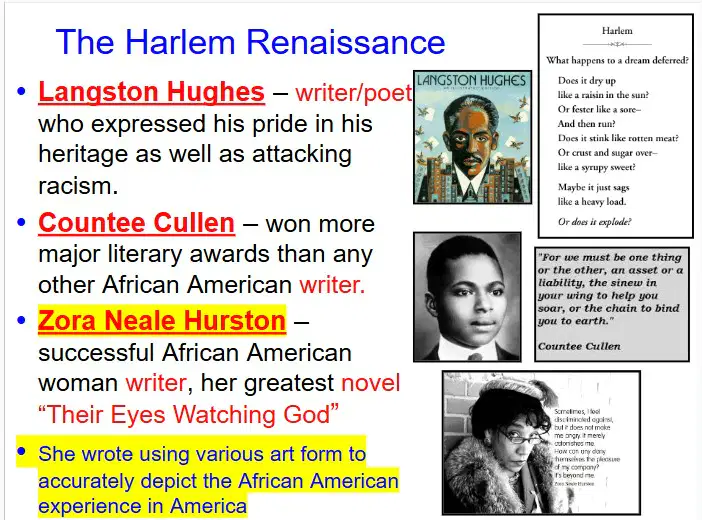
Zora Neale Hurston, Langston Hughes, Countee Cullen are all writers during The Harlem Renaissance
True
False
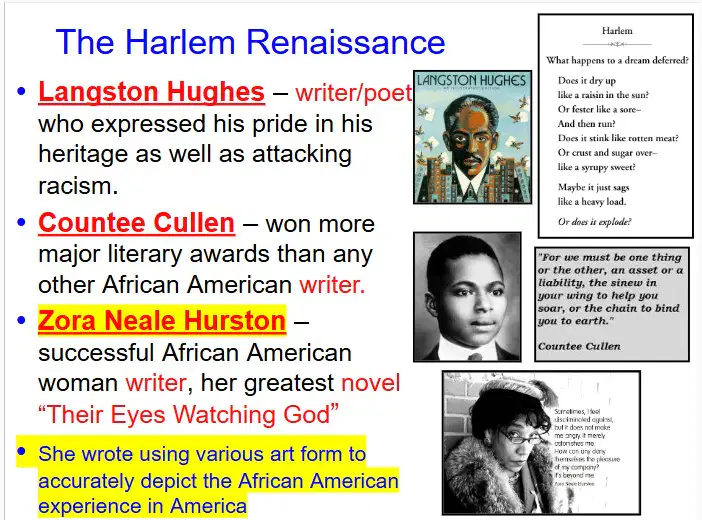
Zora Neale Hurston wrote about .........
Jokes for newspaper
African American experience in America
Poetry
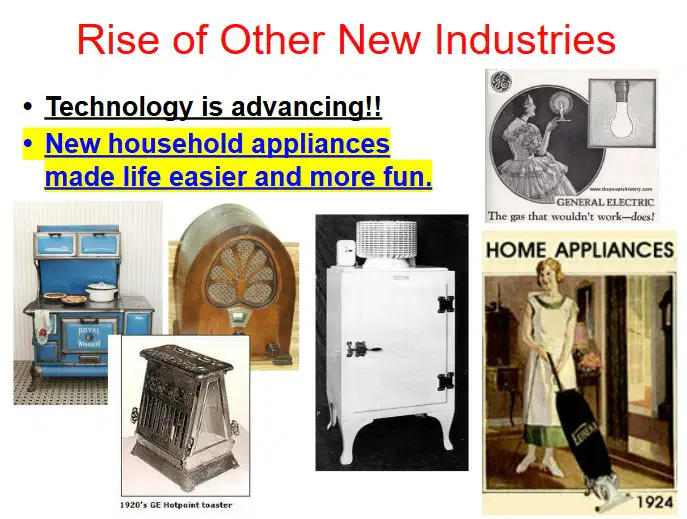
True or False
New household appliances made life easier during the 1920's
True
False

Speculation is the purchase of
appliances
stocks
Automobile

Author that wrote about the fast-ace lifestyle of the 1920s and the newness of the Jazz Age. Most famous book is The Great Gatsby.
Langston Hughes
Jacob Lawrence
George Gershwin
F. Scott Fitzgerald
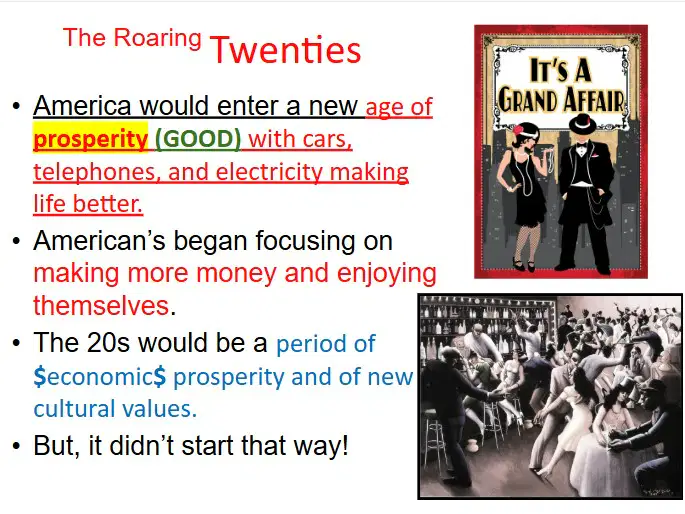
The Roaring Twenties was known as a time of........
prosperity (GOOD)
economic depression
Expansion and growth

