
 Worksheets
History 7: Chapter 3 Quiz
Total questions: 95
Worksheet time: 48mins
What is the main topic of Chapter 3 in History 7?
Kingdoms of Asia & the Mongol Empire
Ancient Egypt and its Pharaohs
The Roman Republic
The Age of Exploration
Which empire is specifically mentioned in the title of Chapter 3?
Mongol Empire
Ottoman Empire
British Empire
Persian Empire
Which group believed that Christ was two separate persons?
Nestorians
Tang Dynasty rulers
Alopen followers
Buddhists
During which Chinese dynasty did the Nestorians minister?
Ming Dynasty
Tang Dynasty
Han Dynasty
Song Dynasty
Who was the first Christian missionary to China?
Marco Polo
Alopen
Nestorius
Confucius
What did Alopen do to explain Christianity to the Chinese?
Built churches
Wrote two works
Translated the Bible
Held public debates
Many people followed the Nestorian faith in China until the end of which dynasty?
Tang Dynasty
Yuan Dynasty
Qing Dynasty
Zhou Dynasty
Which Chinese dynasty is described as having a short duration but a big impact?
Sui Dynasty
Han Dynasty
Tang Dynasty
Ming Dynasty
Who seized power and became Emperor Wen during the Sui Dynasty?
General Yang Jian
Emperor Qin Shi Huang
General Sun Tzu
Emperor Taizong
What major construction project did the Sui Dynasty undertake to connect rich farmland to dry land?
The Great Wall
The Grand Canal
The Forbidden City
The Silk Road
How did Yang's support of Buddhism and involvement in wars and building projects affect the country during the Sui Dynasty?
It led to the country's prosperity
It bankrupted the country
It increased trade with Europe
It made the country more isolated
Explain how the construction of the Grand Canal during the Sui Dynasty could have impacted agriculture and trade in China.
It connected farmland to dry land, improving agriculture and trade routes.
It made travel more difficult for farmers.
It caused farmland to become less productive.
It led to the abandonment of farming in China.
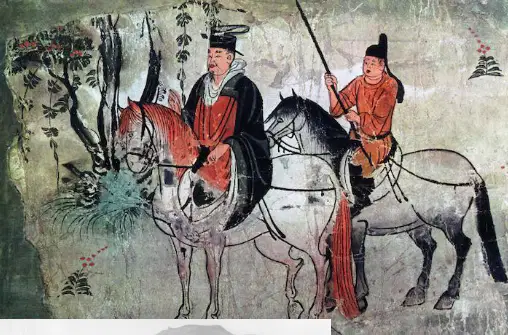
Which dynasty is described as one of the longest dynasties in Chinese history?
Tang Dynasty
Ming Dynasty
Han Dynasty
Qing Dynasty
Who was the ruler credited with stabilizing China during the Tang Dynasty when it was close to collapse?
Empress Wu
Emperor Qin Shi Huang
Empress Dowager Cixi
Emperor Taizong
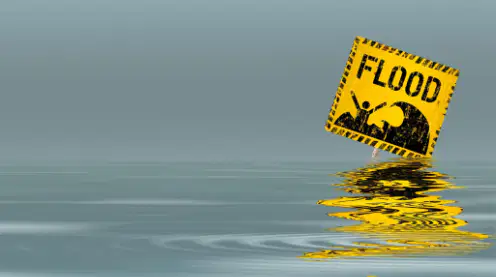
What major disaster occurred in 858 during the Tang Dynasty?
Earthquake in Beijing
Flood of the Grand Canal
Fire in the Forbidden City
Drought in the Yellow River Valley
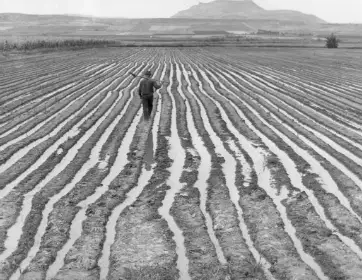
In 873, what event led to the death of millions during the Tang Dynasty?
War with neighboring countries
Famine
Plague outbreak
Rebellion
Explain how Empress Wu contributed to the stability of the Tang Dynasty during a time of crisis.
She led military campaigns to expand territory.
She implemented reforms and strong leadership to prevent collapse.
She built the Great Wall of China.
She abolished the monarchy.
Analyze the impact of the Flood of the Grand Canal in 858 and the famine in 873 on the population of China during the Tang Dynasty.
Both events led to significant loss of life and hardship for millions of people.
Both events resulted in economic prosperity.
Both events had no effect on the population.
Both events led to the rise of new dynasties.
Who was the first emperor of the Song Dynasty who unified China through 16 years of war?
Taizu
Qin Shi Huang
Kublai Khan
Wu Zetian
What was the main religion during the Song Dynasty?
Confucianism
Buddhism
Taoism
Christianity
Which of the following was an educational achievement of the Song Dynasty?
Began academies for gifted students
Built the Great Wall
Established the Silk Road
Invented paper money
What military technology was invented during the Song Dynasty?
Rockets and mortars
Gunpowder only
Crossbows
Iron swords
How might the invention of rockets and mortars during the Song Dynasty have affected their military strategies?
It allowed them to develop new forms of warfare and defend against invasions more effectively.
It made their armies weaker and less organized.
It led to the decline of the Song Dynasty.
It had no impact on their military strategies.
Which dynasty was known for religious tolerance?
Tang Dynasty
Song Dynasty
Ming Dynasty
Yuan Dynasty
Why did the Song Dynasty end tolerance of foreign religions?
Because of a military attack
Because of economic decline
Because of a change in leadership
Because of natural disasters
Compare the approaches to religious tolerance between the Tang and Song Dynasties. What was a key difference?
The Tang Dynasty was tolerant, while the Song Dynasty ended tolerance due to military attack.
Both dynasties were always tolerant of all religions.
The Song Dynasty was more tolerant than the Tang Dynasty.
Neither dynasty allowed any foreign religions.
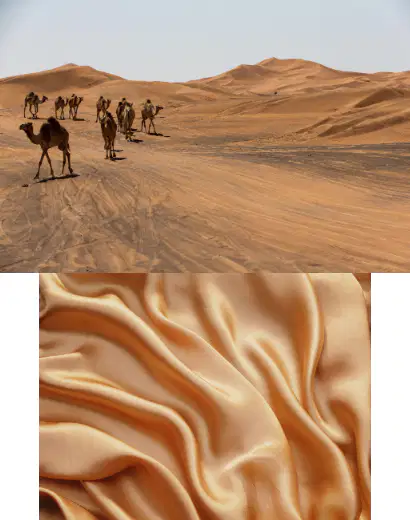
What was the Silk Road primarily used for?
A network of trade roads across Asia for trading silk and porcelain
A military route for conquering new lands
A pilgrimage path for religious travelers
A road for transporting spices only
Which of the following was discovered by accident?
Gunpowder
Paper
Compass
Silk
Which discovery involved movable characters made from wood blocks?
Printing methods
Compass
Silk
Gunpowder
What is the definition of technology according to the material?
Putting knowledge to effective use
Creating new inventions
Building machines
Studying science
Which of the following is NOT listed as a discovery in the material?
Porcelain
Paper
Compass
Gunpowder
The Creation Mandate refers to which of the following actions?
Multiply and subdue the earth
Invent new technologies
Trade goods across Asia
Discover new continents
How did the Silk Road contribute to the growth of civilizations in Asia? (DoK Level 2)
By enabling trade of goods like silk and porcelain, which increased wealth and cultural exchange
By serving as a military defense line
By providing a route for explorers to discover new continents
By being used only for religious pilgrimages
Explain how the invention of printing methods using movable wood blocks could have impacted society. (DoK Level 3)
It allowed information to be shared more widely and quickly, leading to increased literacy and knowledge
It made silk production faster
It improved navigation at sea
It helped create stronger weapons

Which dynasty ended because it bankrupted the country?
Sui
Tang
Song
Yuan

What were the main reasons for the end of the Tang dynasty?
Natural disasters and rebellion
Invasion by the Mongols
Bankrupted country
Civil war with the Song
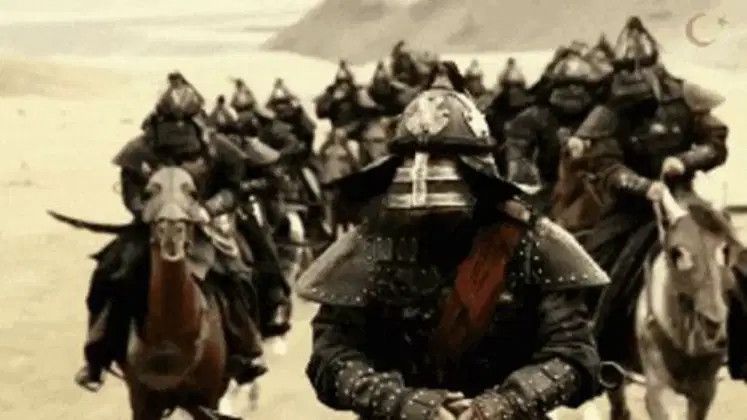
Which group invaded and caused the end of the Song dynasty?
The Mongols
The Japanese
The Tang
The Sui
If a dynasty ended due to both natural disasters and internal rebellion, which dynasty does this describe?
Tang
Sui
Song
Ming
Explain how the reasons for the fall of the Sui, Tang, and Song dynasties were different from each other.
Each dynasty ended for a unique reason: Sui due to bankruptcy, Tang due to natural disasters and rebellion, and Song due to invasion by the Mongols.
All dynasties ended because of foreign invasions.
All dynasties ended because of economic collapse.
Each dynasty ended because of a change in leadership.
What type of structures did the Mongols traditionally live in?
Gers (tent-like structures or movable houses)
Stone castles
Wooden cabins
Brick apartments
Where did the Mongols live in relation to China?
Just north of China
Just south of China
Just east of China
Just west of China
Which of the following best describes the lifestyle of the Mongols?
Nomadic, moving around in movable houses
Settled farmers in permanent villages
Urban dwellers in large cities
Fishermen living by the sea
Based on the information provided, why might the Mongols have chosen to live in gers?
Because gers are easy to move, fitting their nomadic lifestyle
Because gers are made of stone and last forever
Because gers are the only type of house allowed in China
Because gers are built underwater
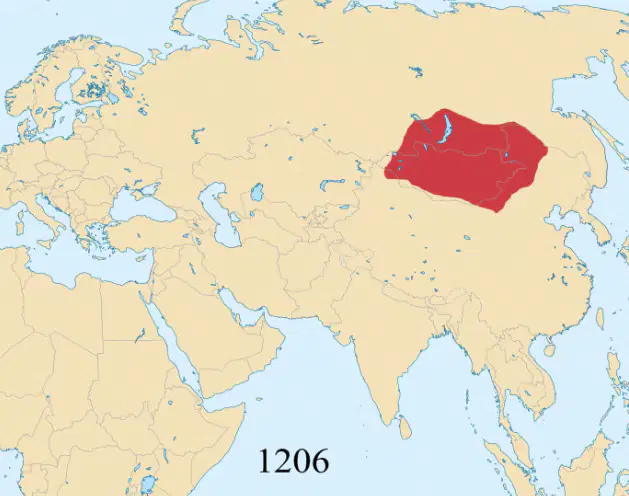
Looking at the map, what area did the Mongols occupy around the year 1206?
The region just north of China
The entire continent of Europe
The southern tip of Africa
The islands of Japan
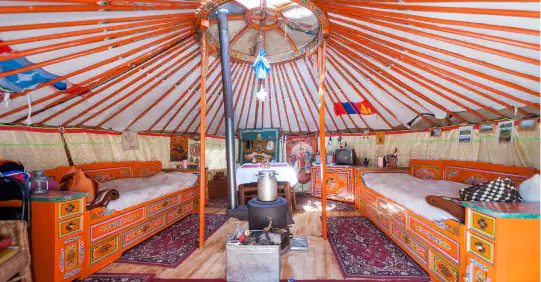
How does the interior of a ger reflect the Mongols' way of life?
It is designed to be easily packed and moved, supporting a nomadic lifestyle
It is made of concrete and cannot be moved
It is built underground for protection
It is filled with technology and electronics
What was the original name of Genghis Khan before he became known as "Genghis Khan"?
Temujin
Kublai
Batu
Ogedei
Which law code did Genghis Khan create that applied to everyone in his empire?
Magna Carta
Hammurabi's Code
Great Yasa
Justinian Code
How did Genghis Khan unify the Mongols?
By building large cities
By developing a government, common laws, and organized military
By conquering China first
By making peace with all neighbors

Why did Mongol warriors wear silk shirts under their armor?
To look more impressive in battle
To keep warm in cold weather
Because arrows couldn’t pierce through and it helped wounds stay cleaner and heal faster
Because silk was cheaper than leather

Which of the following best describes the way of life for the Mongols under Genghis Khan?
Farming and fishing
Warfare, horsemen, and training young warriors
Building pyramids
Trading silk and spices

Explain how the use of silk shirts as armor contributed to the Mongols' success in battle.
Silk shirts made them look more intimidating, scaring enemies away.
Silk shirts allowed arrows to pass through easily, making them lighter.
Silk shirts prevented arrows from piercing deeply and helped wounds stay cleaner, allowing warriors to recover faster and continue fighting.
Silk shirts were used as a symbol of wealth and power.

Which of the following was a method used to attack cities for weeks?
Shot flaming arrows into cities
Used water balloons to flood the cities
Sent peace treaties to the cities
Built walls around the cities
What strategy did they use to weaken the people inside the city?
Prevented food from going into the city
Sent gifts to the city
Invited city leaders to a feast
Built bridges for easy escape
How did they use gunpowder in their attacks?
Fired gunpowder rockets made from bamboo into the towns
Used gunpowder to light street lamps
Cooked food with gunpowder
Painted city walls with gunpowder

Which tactic involved tricking the enemy by pretending to run away?
Faked retreat and turned around to attack
Hid in underground tunnels
Sent spies into the city
Used loud noises to scare the enemy
Imagine you are defending a city and the attackers are preventing food from entering. What might happen to the people inside after several weeks?
They may run out of food and become weak
They will have more food than before
They will become stronger
They will start growing food instantly
Why might faking a retreat be an effective military strategy?
It tricks the enemy into lowering their guard
It makes the enemy stronger
It helps attackers build more weapons
It allows attackers to rest
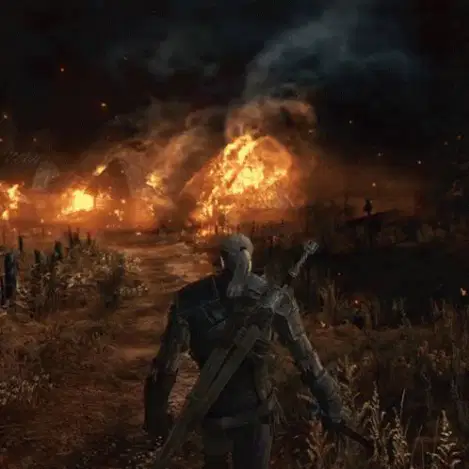
What typically happened to a town after everything of value was taken, according to the text?
The town was rebuilt and protected
The town was destroyed
The town was left untouched
The town was given to the people

According to the text, what happened to men, women, and children when people surrendered?
Men became leaders, women and children were freed
Men were forced into the army; women and children became slaves
Men, women, and children all became soldiers
Men, women, and children were sent to another town
Why might people choose to surrender in a ruthless situation, based on the information provided?
To become rulers of the town
To avoid destruction and possible death
To gain wealth and power
To travel to another country
According to the material, who were shamans?
Religious men who had power over the spirits
Warriors who protected the tribe
Farmers who grew crops for the community
Leaders who made laws for the people
What did people in this religion believe about spirits?
Spirits controlled the world
Spirits only lived in animals
Spirits had no influence on daily life
Spirits were only found in water
Based on the information, how might a shaman have influenced the community’s daily life?
By using their power over spirits to help solve problems or heal people
By organizing farming activities
By leading the community in battle
By teaching children how to read and write
What was each territory called when Genghis Khan's empire was divided among his four sons?
Sultanate
Province
Khanate
Kingdom
Who did Genghis Khan choose to take over for him as the Great Khan?
Chagatai
Ogodei
Tolui
Jochi
Why might Genghis Khan have chosen to divide his empire among his four sons instead of keeping it united under one ruler? (Use reasoning based on what you know about empires and succession.)
To prevent conflict among his sons and make governing easier
Because he wanted to retire and travel
Because he did not trust any of his sons
To make the empire smaller and less powerful

Why did the Mongols have to trade for everything?
Because they did not manufacture anything or farm
Because they had too many resources
Because they were skilled farmers
Because they preferred to give away their goods

Which of the following best explains why the Mongols did not manufacture goods or farm?
Their lifestyle required them to rely on trade for necessities
They had advanced factories
They were famous for their farming techniques
They exported large amounts of crops

Imagine you are a Mongol leader. What strategy would you use to obtain food and manufactured goods for your people?
Trade with neighboring societies
Build large farms
Manufacture everything locally
Ignore the need for goods
What was the main result of the Mongols defeating much of Europe and Asia?
The Mongols unified the region and brought Mongol Peace.
The Mongols divided the region into smaller kingdoms.
The Mongols isolated Europe from Asia.
The Mongols ended all trade in the region.
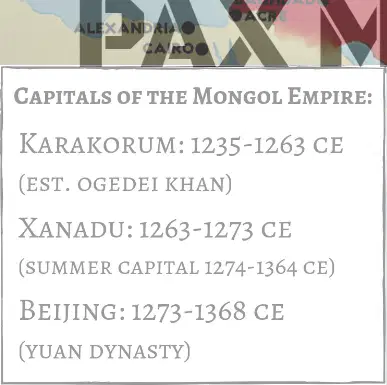
Which of the following was a capital of the Mongol Empire from 1235 to 1263 CE?
Karakorum
Beijing
Xanadu
Constantinople
During which years was Xanadu a capital of the Mongol Empire?
1263-1273 CE
1235-1263 CE
1273-1368 CE
1206-1227 CE
Beijing became the capital of the Mongol Empire during which dynasty?
Yuan Dynasty
Ming Dynasty
Tang Dynasty
Song Dynasty
Explain how the Mongol conquest led to the period known as "Pax Mongolica." Use evidence from the information provided.
The Mongols unified much of Europe and Asia, which led to a period of peace and stability known as "Pax Mongolica."
The Mongols destroyed all cities, causing chaos and instability.
The Mongols banned trade and travel across their empire.
The Mongols isolated their empire from the rest of the world.
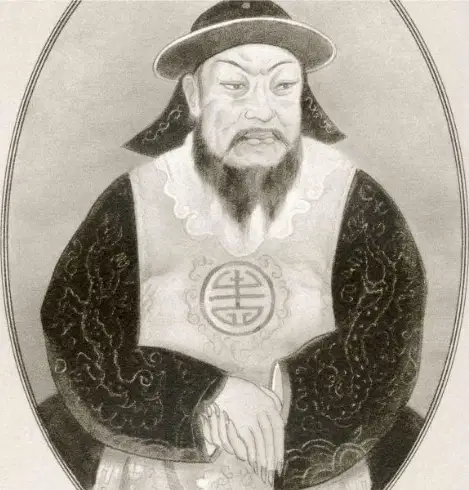
Who established the Yuan Dynasty in China?
Kublai Khan
Genghis Khan
Qin Shi Huang
Sun Yat-sen
What was Kublai Khan's main goal when he took over in 1260?
To completely take over China
To spread Buddhism
To build the Great Wall
To trade with Europe
Which empire did Kublai Khan conquer in 1279?
Song Empire
Ming Empire
Han Empire
Tang Empire
What is significant about the Yuan Dynasty in Chinese history?
It was China’s first foreign dynasty
It was the last dynasty of China
It was the shortest dynasty
It was the first dynasty to use paper money
What happened when Kublai Khan tried to conquer Japan?
He failed
He succeeded
He never attempted
He formed an alliance instead
How did Kublai Khan approach Chinese culture after establishing the Yuan Dynasty?
He didn’t try to change Chinese culture
He banned all Chinese traditions
He forced everyone to speak Mongolian
He destroyed Chinese temples
Why might Kublai Khan’s decision not to change Chinese culture have helped him rule China more effectively?
It helped gain acceptance from the Chinese people
It made the Mongols unpopular
It led to frequent rebellions
It weakened the Yuan Dynasty
Which system did the Mongols use to maintain control over citizenship in China?
A democracy
A monarchy
A 4-class system
A republic
Under Mongol rule in China, how was justice distributed among the population?
Equally among all people
Unequal based on the four classes
Based on age
Based on religion
Who held the power during Mongol rule in China?
The Chinese peasants
The Mongols
The Buddhist monks
The merchants
What was a significant change in religion under Mongol rule in China?
Christianity became the main religion
Buddhism grew dramatically
Religious freedom was restricted
Only Mongol religion was allowed
How did the Mongols impact the environment in China?
They planted more trees
They built new cities and destroyed farmland
They improved irrigation systems
They protected wildlife
Explain how the Mongol 4-class system affected justice and power in China.
It made justice and power equal for everyone.
It created unequal justice and kept power with the Mongols.
It allowed peasants to gain more power.
It removed all class distinctions.
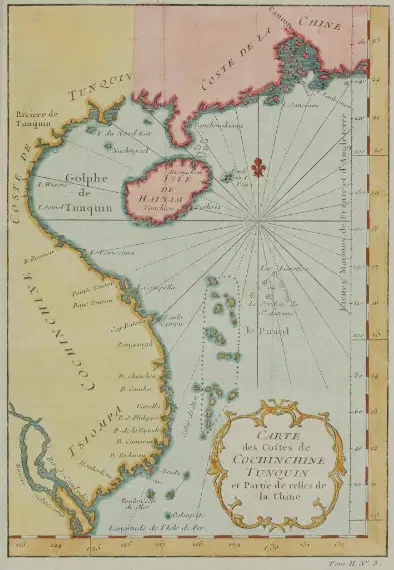
Which kingdom was located in the northern part of Vietnam?
Dai Viet
Champa
Khmer
Srivijaya
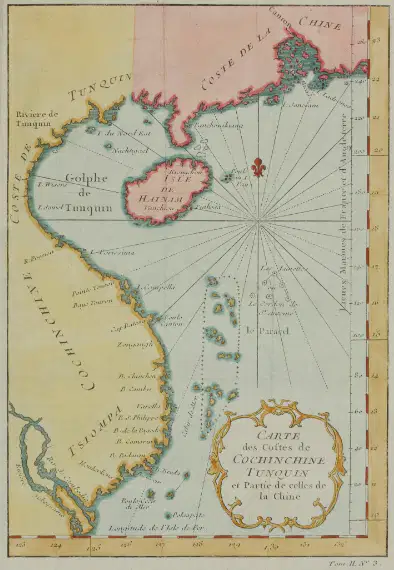
What happened in 1471 between Dai Viet and Champa?
Dai Viet invaded and destroyed the capital of Champa
Champa invaded Dai Viet and destroyed its capital
Dai Viet and Champa formed an alliance
The Mongols invaded both kingdoms
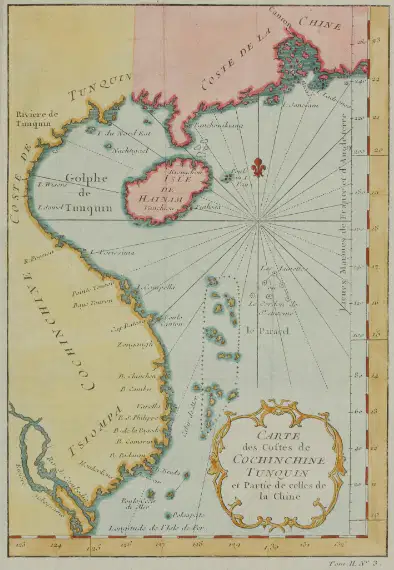
After the events involving Dai Viet, what did the people of Dai Viet become known as?
The Vietnamese
The Champa
The Khmer
The Siamese
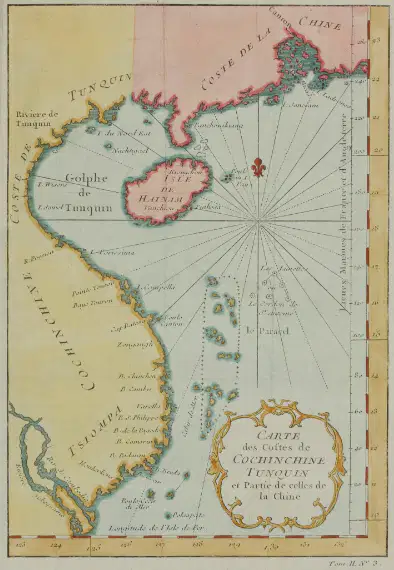
Explain how the conflict between Dai Viet and Champa in 1471 influenced the identity of the people in the region.
The victory of Dai Viet led its people to be known as the Vietnamese, shaping the national identity.
The defeat of Dai Viet led its people to be known as the Champa.
The conflict resulted in both kingdoms merging into the Khmer Empire.
The people of Champa became known as the Vietnamese after the war.

Which traditional dress was formerly worn by both men and women in Vietnam, but today is mostly worn by women?
Kimono
Sari
Aodai
Hanbok
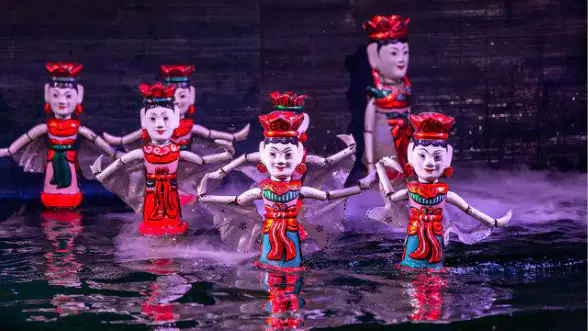
What is a unique form of traditional entertainment in Vietnamese culture?
Shadow puppetry
Water puppetry
String puppetry
Hand puppetry
Which religions have influenced Vietnamese culture, while also keeping the Vietnamese Folk Religion?
Christianity & Islam
Hinduism & Buddhism
Judaism & Taoism
Sikhism & Confucianism
Explain how traditional dress in Vietnam has changed over time. Use evidence from the information provided.
Both men and women still wear aodai today.
Only men wear aodai today.
Formerly, both men and women wore aodai, but now only women wear it.
Aodai is no longer worn by anyone in Vietnam.

