
 Worksheets
Middle Ages Review 7.27 - 7.33
Total questions: 92
Worksheet time: 54mins
Which narrow body of water separates France and England?
Atlantic Ocean
Pacific Ocean
English Channel
Mediterranean Sea

What is located at 1?
Atlantic Ocean
English Channel
Mediterranean Sea
Indian Ocean

What is located at 2?
Atlantic Ocean
English Channel
Mediterranean Sea
North Sea

What is located at 3?
Alps Mountains
Ural Mountains
North European Plain
Carpathian Mountains

What is located at 4?
Atlantic Ocean
Mediterranean Sea
Indian Ocean
Pacific Ocean

What is located at 5?
Alps Mountains
Ural Mountains
Rocky Mountains
Carpathians Mountains

What is located at 6?
Ural Mountains
Alps
North European Plain
Swiss Plains
This mountain range separates Europe and Asia...
Alps Mountains
Carpathian Mountains
Ural Mountains
North European Plain
What is the warm ocean current flowing northeast, under the influence of prevailing winds, from the Gulf of Mexico towards NW Europe and warming its climate?
South Gulf Stream
North Atlantic Drift
South Pacific Drift
Gulf Stream Drift
Who is the leader of the Roman Catholic Church?
the Pope
the Archbishop
the Cardinal
the King
Why were popes able to exercise power over kings during the Middle Ages?
The threat of excommunication
The threat of taxing the king
The threat of jailing the king
The threat of replacing the king
Who typically made an Illuminated Manuscript?
the Pope
the king
nobles
monks
Why were monasteries considered the keepers of knowledge?
they had libraries full of all types of books
they fed the poor
they assisted travelers
they cared for the sick
Monasteries during medieval Europe was MOST important for
Expanding the scientific knowledge brought by the Muslims
Training people to become priests.
Spreading Christianity to rural areas of Europe
Allowing armies to retake Islamic territories
Who was responsible for spreading Christianity across Europe during the Middle Ages?
Kings
Monks and Priests
Peasants
Nobles and Traders
Which of the following did Monks NOT provide for the communities around the monasteries?
take care of the sick in the community
provide horses for travelers passing through the community
help feed the poor in the community
provide education to boys in the community
Which is the BEST description of how medieval monks contributed to Western culture and civilization?
organized and led bands of "Crusaders" who defended Europe from Muslim attackers
their artwork served as the inspiration for the "Renaissance" that developed in Italy.
re-wrote the Bible and changed many of its original stories
helped preserve the learning, writing, and culture of the early Greeks, Romans, and Christians
The first European universities were based on the scholarly contributions of …
Courts
Monasteries
Guilds
Merchants
What institution was a constant and provided stability during the Middle Ages?
Guilds
Feudal Society
the Monarchy
the Roman Catholic Church

Europe is a ______________.
Country
Continent
State
County

Which geographical feature of Europe would make it difficult to trade, migrate, and grow crops?
mountains
grasslands
rivers
plains

Many Medieval cities were located near rivers because
of their ideal transportation routes.
they were a source of food.
they were ideal for trade.
All of the reasons listed.

Iberian Peninsula is located
South of Mediterranean
Central Europe
Eastern Europe
Western Europe

Much of northern and Central Europe is a series of
mountains and rivers
deserts and plateaus
wetlands and oceans
forests and plains

Which mountains do the triangles on this map represent?
the Pyrenees
the Apennines
the Alps
the Himalayas
What is an Archipelago?
A mountain chain
Chain of Islands
A large Island by itself
A cliff on a lake
What mountain chain separates Spain from France?
Alps
Apennines
Po River
Pyrenees
Brittan had natural boundaries because of what geographical feature?
It is a peninsula
I has no rivers
It is an an Island
It is centrally located in Europe

What physical feature separates Europe and Africa?
Caspian Sea
Ural Mountains
Pyrenees Mountains
Mediterranean Sea

Which number is closest to the Iberian Peninsula
3
1
5
7
Feudalism is an example of
a religious empire
local government
an industrial economy
a monarchy
What role did monasteries play in the preservation of knowledge?
(Pick 3)
Could read both greek and latin
They translated philosophy from latin to greek
They translated philosophy from greek to latin
They created manuscripts
How did feudalism develop, and what role did it play in the medieval European economy?
Development of Feudalism: Charlemagne put the people into a hierarchy:
King
Nobles
Knights
Peasants
Role in Economy: Money easily flowed from the king to the nobles. Nobles then paid for knights' armor and peasants seeds and tools.
Role in Economy: Money started at the king and got to the knights who would keep it all for themselves
Influence of Geography: Peasants did not travel because they depended on their noble to give them the money for seeds/food. Knights traveled only where their noble told them to
How did Charlemagne shape and define Europe by creating a new empire?
He made was kind of Empire?

Which number on the map represents the Alps mountain range?
number 1
number2
number 3
number 4
Which mountain range separates the continent Europe from Asia?
the Alps Mountain range
the Rocky Mountains
the Ural Mountains
the Himalaya Mountains
Monasteries eventually developed into
governmental offices
universities
the holy church of the manor
where the pope lived
Choose two examples of how Charlemagne's rule impacted Western Europe.
it led the fall of the Western Roman Empire
it weakened the economy
it united much of Western Europe into one empire
it weakened the role of the Catholic church
it increased the influence of the Catholic church
Why did international trade lead to the spread of the Bubonic Plague?
Trade weakened the economy and prevented research to cure the plague
The plague infected many people who used or lived along trade routes
Trade isolated communities and allowed the plague to spread faster
The plague forced people to trade for resources in order to survive.
How did the Bubonic Plague have a negative impact on Europe?
There were more people than jobs to fill so unemployment was high
It drastically decreased the population of Europe.
Increased trade led to increased taxes on the peasant population.
It reinforced the system of feudalism in Europe.
To be put out of the church is called
excommunication
heresy
cast out
heretic
Most religious text and mass were written and spoken in
Hebrew
German
Latin
Italian
A religious man that was devoted to the church and God was called a
nun
monk
man
deacon
Monks lived in
cathedrals
convent
monasterries
abbot
Women who were devoted to God and church were
monks
nuns
preist
Pope
Another term for church officials is
Pope
Nuns
clergy
monks
The head of the Catholic church is the
Bishop
Pope
monk
nun
Who spread Christianity in Western Europe
Charlemagne
Spanish Inquisition
Justinian
Muslims and Christians fighting over HOLY LAND
Crusades
Reconquista
Hundred Years
The people who provided food, services, and taxes when demanded.
Peasants/Serfs
Lords
Squire
Knights
Estates, or large land holdings of nobles in exchange for services to the king
Charlemagne
Manors
Medieval
Carolingian Empire
Warriors on horseback who were the best fighters and protected the king, lords, and serfs/peasants.
Lords
Charlemagne
William the Conqueror
Knights


A large estate, with a castle, church, fields, and workers
Fief
Manor
Deforestation
Cathedral
It was very clean during the middle ages
true
false
Edward the Guy
Edward the Amazing
Edward the One
In which year did the Battle of Hastings take place?
1064
1065
1166
1066
What was the second strategy of the Normans against the English?
They came at the English from behind
They fooled the English to believe that they were in retreat
They pretended to be dead
They pretended to surrender
What did William became known as after his victory?
William the Great
William the Conqueror
William the Lion-heart
William the Fearless
What year was the Battle of Hastings?
476 AD
1066 AD
980 AD
346 BC

What was Edward the Confessor"s problem when it came to the English throne?
He had no wife
He was a bad King
He had no heir
He hated William

A warrior in armor who fought on horseback.
apprentice
serf
knight
monk

What was the Domesday book?
a book about the end of the world commissioned by William the Conqueror
A record of all the property and holdings in England commissioned by William the Conqueror so he could determine the extent of his lands and wealth
a recipe book with all of the latest French cuisine commissioned by William the Conqueror
a book tracing the family lineage of the English Throne commissioned by William the Conqueror
During which period was Christianity rapidly spreading?
The Renaissance
The Middle Ages
The Industrial Revolution
The Modern Era

How is a King's power different from the Pope's?
A) A King's power is spiritual, while the Pope's is temporal.
B) Pope's power is absolute, while the Kings's is elected.
C) A King's power is hereditary and political, while the Pope's is spiritual and elected.
D) A King's power is limited to one country, while the Pope's is limited to the Vatican.
During which period was Christianity rapidly spreading?
The Renaissance
The Middle Ages
The Industrial Revolution
The Modern Era

By the middle ages, what was the religious affiliation of a majority of Europe?
Members of the Protestant Church
Members of the Catholic Church
Followers of Islam
Practitioners of Paganism
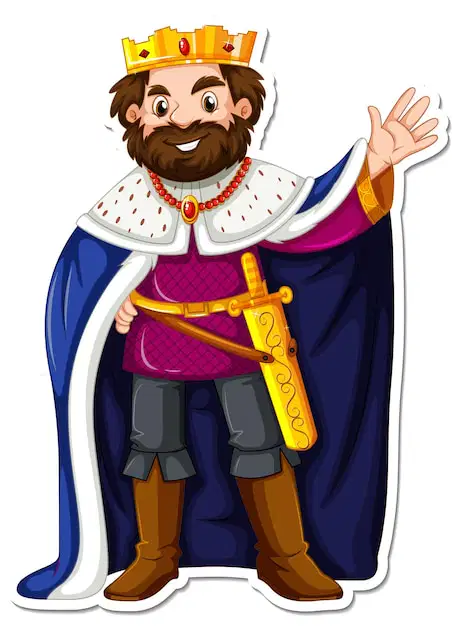
What is one of the responsibilities of the people towards the king?
To entertain the king
To provide food for the king
To pay taxes
To write laws
What kind of power do kings have over the people?
Limited power
No power
Complete power
Shared power
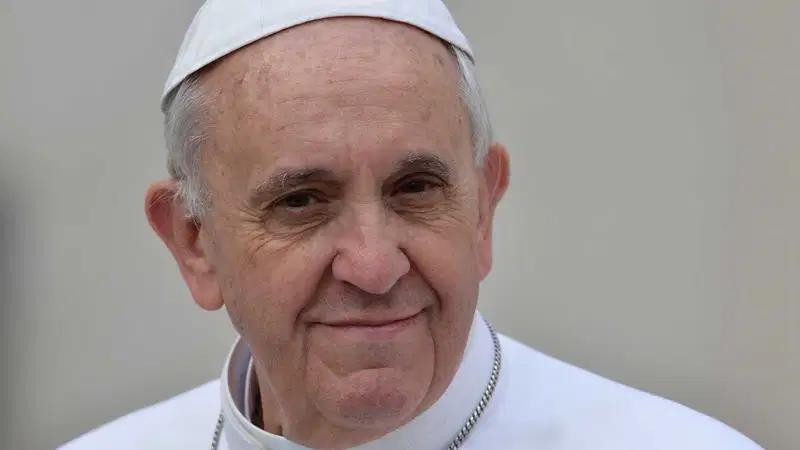
What is the role of the Pope?
Military leader
Spiritual leader
Economic advisor
Educational reformer

What power does the Pope have?
The power to declare war
The power of excommunication
The power to heal
The power to perform miracles
What is the purpose of Religion?
To organize community events
To tell you what happens when you die
To provide a political structure
To offer education on science
What was the role of religion for people dealing with anarchy, fighting, and famine?
A source of conflict
A means of political power
A sense of ease
A method of distributing food
What power do kings have?
The power to control the weather.
The power to control what happens to you at the moment.
The power to control animals.
The power to control time.
How is a King's powers different from the Pope's according to the essential question?
Kings had the ability to control what happens to you after you die.
Popes had the ability to control what happens to you after you die.
Kings had more military power than the Popes.
Popes were elected by the people, unlike Kings.
How are Popes selected?
They are appointed by government officials
They are elected officials
They inherit the position
They are chosen by a lottery system
Who else is believed to choose the Popes besides their election?
The general public
God
A council of priests
The previous Pope
What is the first position you need to achieve in order to become the Pope?
Nun
Priest
Deacon
Bishop
What is the role of the Pope?
They are the head of the Catholic Church
They are the advisors to the head of the Catholic Church
They are the treasurers of the Catholic Church
They are the messengers of the Catholic Church
What is the second position you need to attain to become priest?
What is the role of the Pope?
Military leader
Spiritual leader
Economic advisor
Educational reformer
What power does the Pope have?
The power to declare war
The power of excommunication
The power to heal
The power to perform miracles
Was there feudalism in Medieval Europe
yes
no
What was the order of the hierarchy
(a)
- Basic rights of citizens
- Rule of law
- Representative assemblies
In a courtroom, which group decides if someone is innocent or guilty of a crime?
a King or Queen
a President
Parliament
a jury

