
 Worksheets
Introduction to Applied Engineering Assessment
Total questions: 20
Worksheet time: 10mins

Which of the following engineering disciplines is based on the built environment?
Mechanical engineering
Electrical engineering
Civil engineering
Chemical engineering

Buildings, infrastructure and transportation fall under which discipline of engineering?
Chemical
Electrical
Mechanical
Civil

What does civil engineering describe?
Aspects of civilian life
Aspects of life after the Civil War
The relationship between forces and energy
Interaction of substances

Select which of the following is not considered a historic civic engineering innovation.
Golden Gate Bridge
Great Wall of China
Panama Canal
Parthenon

Which of the following is NOT a civil engineering innovation?
Airports
Manufacturing processes
Bridges
Plumbing systems
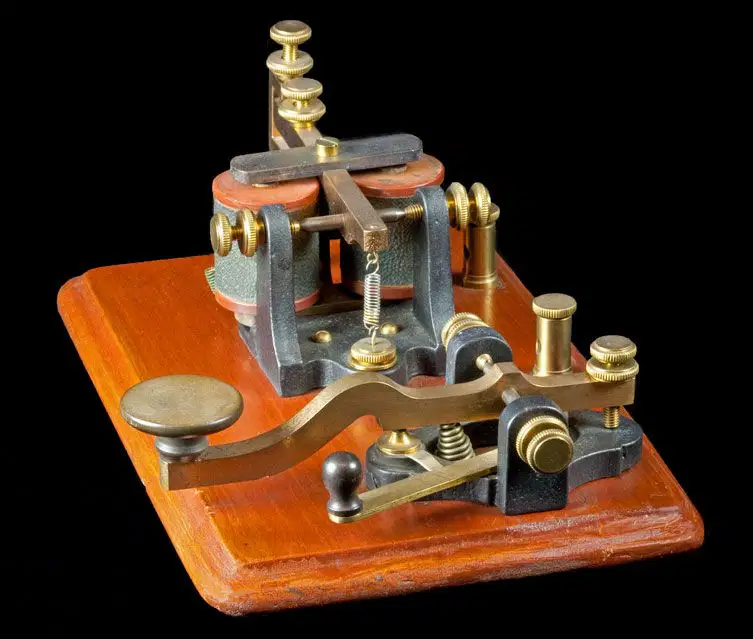
Which of the following was an early innovation for electrical engineering?
The wheel
Skyscrapers
The telegraph
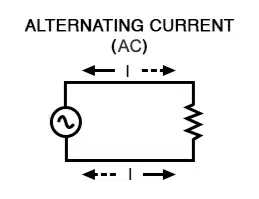
Which term describes how power gets to homes and businesses?
Direct current
Changing current
Switch current
Alternating current

Where was one of the first electrical engineering courses first offered?
Cornell University
Princeton University
Harvard University
Brown University
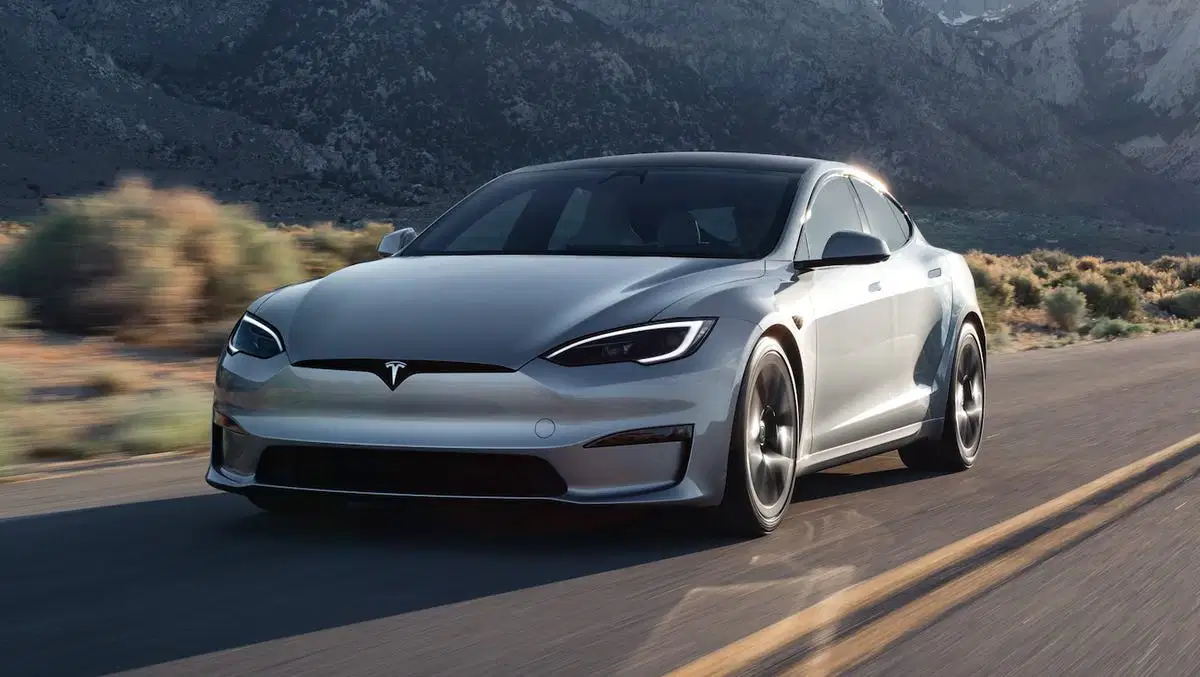
Who filed multiple patents to help progress the electrical innovations?
Thomas Edison
Nikola Tesla
Benjamin Franklin
Elon Musk
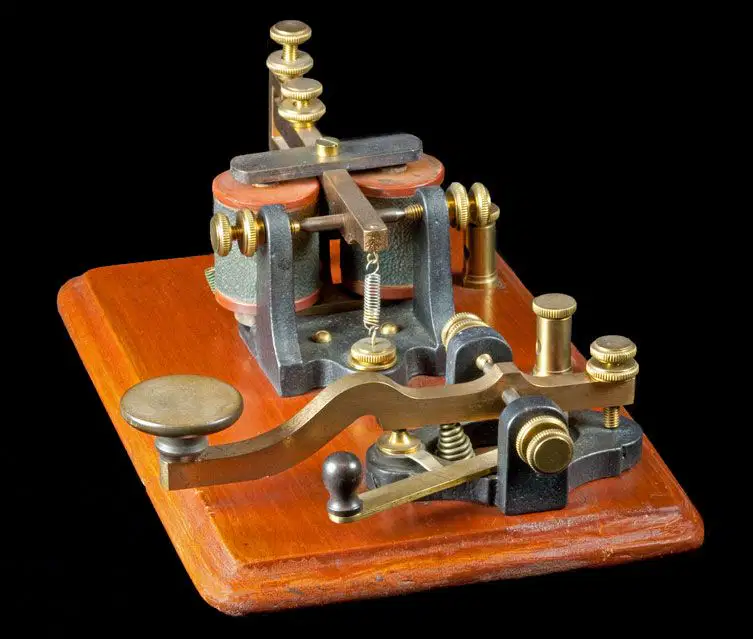
Which electrical engineering innovation paved the way for the internet?
Telephones
Telegraph
Morse code
Electricity

Where did chemical engineering courses first appear?
United States
Canada
United Kingdom
Germany
Select the following market which does not collaborate with chemical engineering.
Biotechnology
Business marketing
Food processing
Healthcare
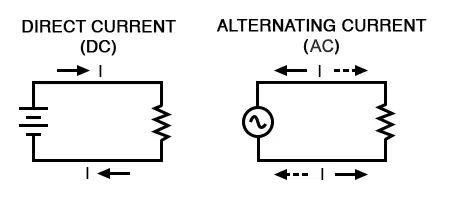
What is the definition of "Alternating Current"?
Ability for cars to come to a halt or stop
Used to supply power by reversing direction in repetitious intervals
Process of using molds to create products
Machine used to convert mechanical energy into electricity

What is the process of using molds to create products called?
Casting
Exerting
Industrialization
Braking Power

What is the function of a generator?
To apply or make an effort
To convert mechanical energy into electricity
To control machines and tools using software
To reverse the direction of power supply

What does "Inconspicuous" mean?
Hidden or unnoticed
Resulting in strength or energy
Transforming into a machine-based production
Applying effort
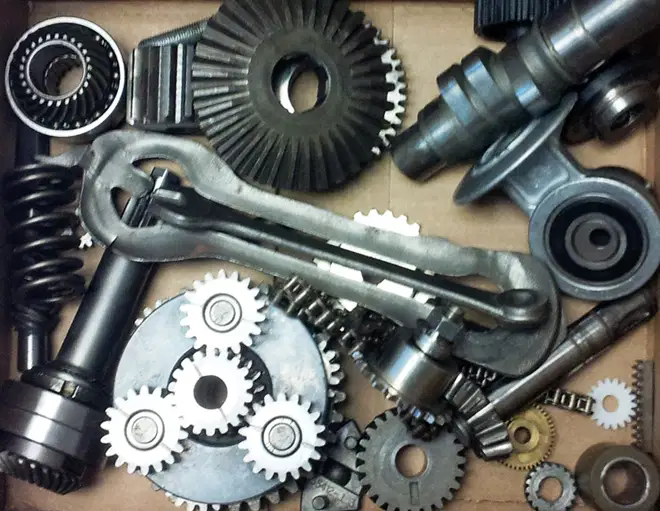
What is the discipline that focuses on the design, development, construction, and testing of how built and natural components move?
Mechanical Engineering
Electrical Engineering
Civil Engineering
Chemical Engineering

Which language consists of dots and dashes transmitted through the telegraph and was created by Samuel Morse?
Binary Code
Morse Code
Braille
Semaphore

What is the name of the early innovation for printing texts and pictures developed by Johannes Gutenberg?
Typewriter
Printing Press
Photocopier
Laser Printer

Which machine uses blades to convert wind power into energy?
Steam Turbine
Windmill
Water Wheel
Solar Panel

