
 Worksheets
Starting and Maintaining Fluid Systems
Total questions: 49
Worksheet time: 25mins
Which of the following components is correctly maintained in the fluid system?
Cylinder Spring
Supply Valve
Cylinder Seals
Transmission Lines
Which of the following is a key step in starting and maintaining fluid systems?
Checking Cylinder Spring
Checking Supply Valve
Checking Cylinder Seals
Checking Transmission Lines
All of the above
Why is proper maintenance important for fluid power systems?
Proper maintenance results in time and money savings.
It increases the weight of the system.
It reduces the efficiency of the system.
It causes more frequent breakdowns.
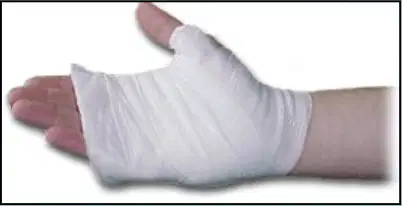
It is vital for a safe working environment with fluid power systems. What can unsafe working conditions cause?
Unsafe working causes injuries.
Unsafe working increases productivity.
Unsafe working improves teamwork.
Unsafe working reduces costs.
Which of the following is NOT a maintenance task listed for hydraulics?
A) Oil level check
B) Replace oil filter element
C) Lubricate gears
D) Check hoses and pipework for damage and leaks
Getting a new fluid power system operational is often more difficult than maintaining and operating an existing one.
True
False
The design should be appropriate for the required function of the system.
True
False
Appropriate and compatible parts should be ________.
selected
ignored
damaged
removed
During installation (commissioning), what is the first step to ensure components are ready for use?
Assemble the system
Clean components to remove contaminants
Flush the system
Test the system
What is the purpose of flushing the completed system during installation (commissioning)?
To remove impurities that could cause damage.
To increase the system pressure.
To reduce the installation time.
To improve the color of the pipes.
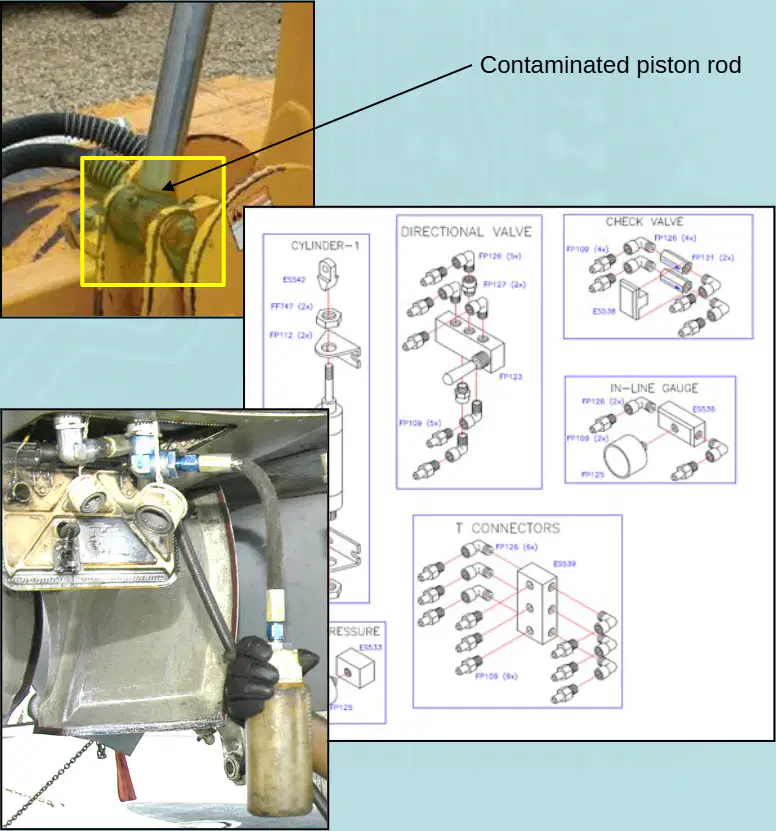
What issue is being highlighted in the installation process?
Proper assembly
Contaminated piston rod
Correct pressure
Clean system
The system is constructed according to the ________ specification.
design
user
hardware
maintenance
When the system is operated, what parameters are observed during installation (commissioning)?
Only pressures
Only temperatures
Pressures, temperatures, and flow rates
Only flow rates
The figures observed during system operation are checked against what?
Previous records
Design specification
Manufacturer's manual
Safety guidelines
Detailed records of checks should be ________ during installation (commissioning).
maintained
ignored
delayed
destroyed
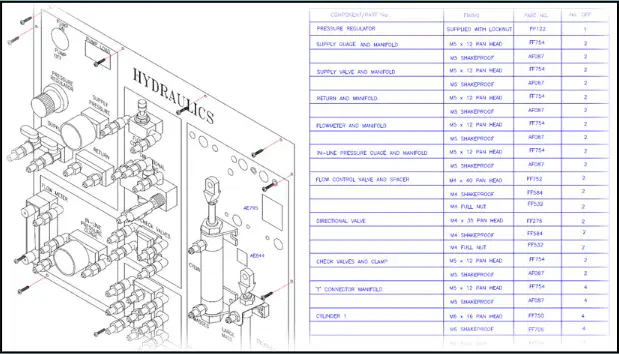
Which component in the hydraulics system is responsible for regulating pressure?
Pressure regulator
Hydraulic pump
Reservoir
Actuator
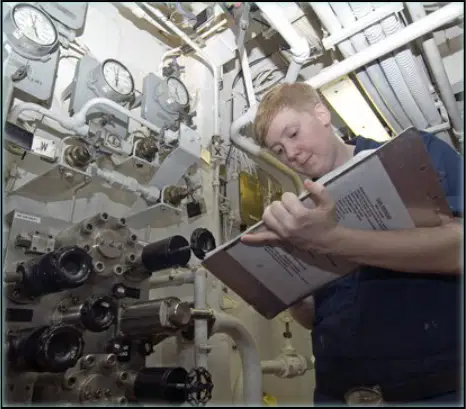
One item that should be checked and recorded during the commissioning of a hydraulic system is:
Fluid level
Pipe color
Operator's name
Room temperature
What should be checked when a system is installed?
Pressures
Temperatures
Flow rates
All of the above
None of the above
What should be checked when a system is installed? Figures are checked against the design specification when the system is installed.
Pressures
Temperatures
Flow rates
All of the above
None of the above
The fluid should be compatible with ________.
system pressures
ambient temperature
pipe color
operator preference
The fluid should be compatible with ________.
fluid temperatures
pipe color
ambient noise
electrical wiring
The fluid should be compatible with ________.
component materials
ambient temperature
external pressure
flow direction
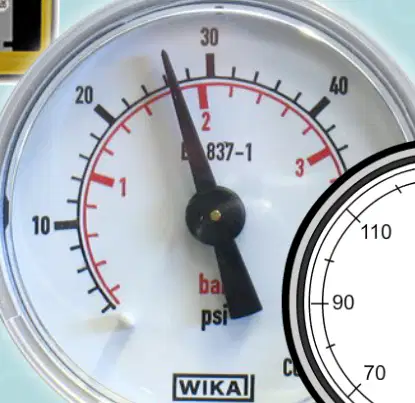
Identify the item shown: ________. (Image shows a gauge labeled 'Pressure gauge')
Pressure gauge
Thermometer
Voltmeter
Speedometer
Once a system is installed, it should be regularly maintained. Which of the following is a reason for regular maintenance?
A) Safe operation
B) Ignoring breakdowns
C) Increasing costs
D) Reducing product quality
Once a system is installed, it should be regularly maintained. Which of the following is a reason for regular maintenance?
A) Efficient operation
B) Unsafe operation
C) Increasing breakdowns
D) Reducing efficiency
Once a system is installed, it should be regularly maintained. Which of the following is a reason for regular maintenance?
Reduced system breakdowns
Increased system breakdowns
Ignoring product quality
Increasing costs
Once a system is installed, it should be regularly maintained. Which of the following is a reason for regular maintenance?
A) Maintaining product quality
B) Reducing product quality
C) Increasing costs
D) Ignoring breakdowns
Once a system is installed, it should be regularly maintained. Which of the following is a reason for regular maintenance?
A) Reducing costs
B) Increasing costs
C) Ignoring breakdowns
D) Unsafe operation
Good systems are designed with ease of _______ in mind. (Fill in the blank)
maintenance
failure
delay
confusion
Which of the following statements is true about maintenance?
Good systems are designed without considering maintenance.
Good systems are designed with ease of maintenance in mind.
Maintenance is not important for system design.
Maintenance should be difficult to perform.
Components that require regular maintenance should be:
Hidden and hard to reach
Easy to access
Expensive to replace
Ignored
Parts that are likely to wear out should be easy to replace.
True
False
Which of the following is a benefit of keeping detailed service records?
Advising when to replace parts
Ensuring compatible fluids are used
Troubleshooting problems
All of the above
Detailed records help in advising when to replace parts that have a limited service life.
True
False
Ensuring that compatible fluids are used is not a benefit of keeping detailed records.
True
False
What is the objective of the maintenance activity 'Clean'?
Remove contaminants, impurities and additives
Increase the speed of machinery
Change the color of equipment
Add lubricants to the system
What is the objective of the maintenance activity 'Protect'?
Protect the system against external influences
Increase the speed of the system
Reduce the size of the system
Change the user interface of the system
What is the objective of the maintenance activity 'Lubricate'?
Lubricate friction points
Tighten loose bolts
Paint the equipment
Replace worn-out parts
What is the objective of the maintenance activity 'Adjust'?
Adjust pressures and flow rates to match required specification
Replace worn-out components with new ones
Clean all parts to remove dust and debris
Lubricate moving parts to reduce friction
What is the objective of the maintenance activity 'Refill'?
Top up system to account for any loss of fluid
Replace worn-out mechanical parts
Calibrate the system sensors
Lubricate moving components
What is the objective of the maintenance activity 'Replace'?
Replace parts at the end of their service life
Lubricate moving parts to reduce friction
Inspect equipment for potential failures
Calibrate instruments for accurate readings
When a component fails unexpectedly, what should be done?
Ignore the failure
Replace the component
Continue using the component
Repair only if convenient
Troubleshooting and Repair Recording details of pressures and temperatures prior to fixing may provide evidence about the cause of the fault.
True
False
Fill in the blank: The reason for failure is then ________.
investigated
ignored
celebrated
forgotten
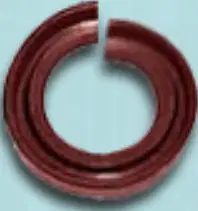
What is shown in the image with the label 'Broken seal'?
A broken seal (component failure)
A loose wire connection
A corroded terminal
A blown fuse
Fill in the blank: The overheated fluid causes the ______ to operate incorrectly.
piston
radiator
valve
filter
Monitoring system operation allows adjustments to be made. Which of the following is a reason for monitoring system operation?
To allow adjustments to be made
To ignore system changes
To increase system errors
To avoid maintenance
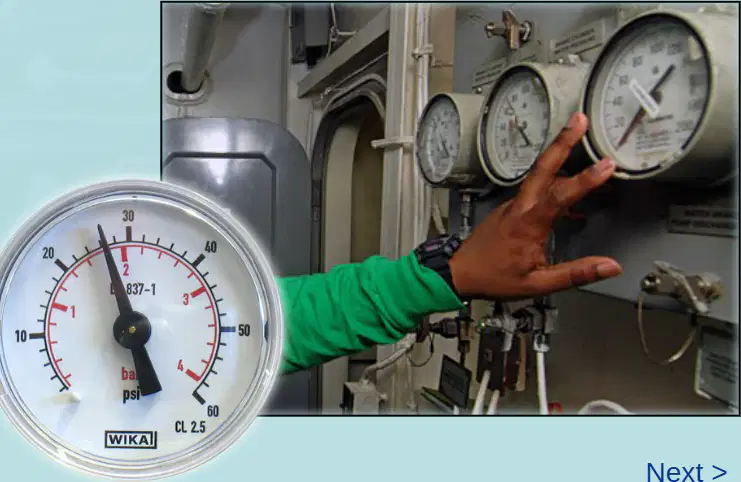
Pressures and temperatures are examples of typical system parameters that are ________.
monitored
ignored
created
destroyed
What is the purpose of flushing a hydraulic system?
To remove contaminants
To check system pressure
To lubricate friction points
To top up the system to account for any loss of fluid

