
 Worksheets
Turning revision
Total questions: 44
Worksheet time: 42mins
What is the name of the part on the right hand side of a centre lathe?
What is an advantage of a 4 jaw chuck
What is the function of the bed on a centre lathe?
Allows the tailstock and saddle to move
Reorder the following when removing a 3 jaw chuck from a lathe
Place piece of wood on the lathe bed
Loosen bolts on the chuck counter-clockwise
Check the alignment marks
Use a brass hammer to loosen chuck
Pull the chuck carefully from headstock
What is the function of the coolant system on a lathe
To cool, lubricate, and remove chips during machining
What is the name of the tool used to enlarge a hole on a centre lathe
Threading tool
Knurling tool
What is the purpose of a tapping tool
Label the image correctly
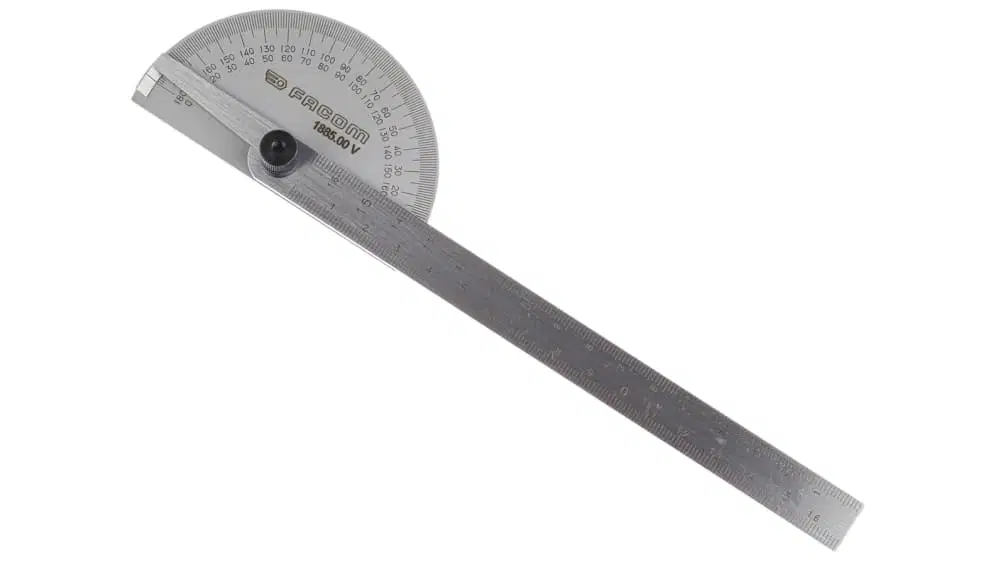
What is the name of this measuring tool
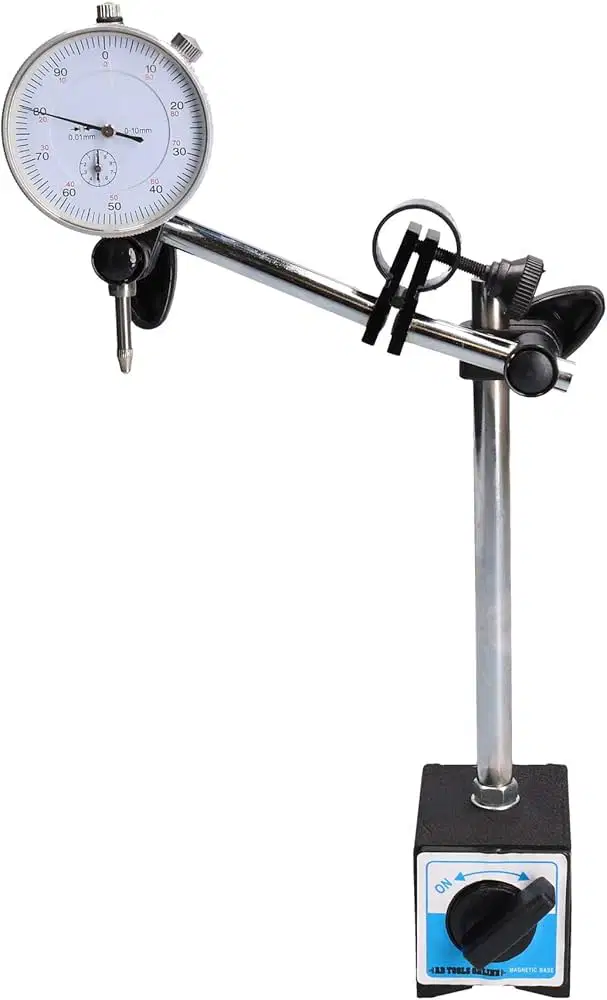
What is the name of this measuring tool
Steady
Dial Test Indicator
Which of the following are potential hazards on a centre lathe?
Entanglement
Heat
Moving Parts
Flying Debris
How can you reduce the risk of entanglement?
Ensure guards are in place
Clear swarf with your hands
Tie hair back
Wear appropriate PPE

What is the name of this work holding device
Vice
Steady
Jacobs chuck
Explain how to mount a drill or reamer into a chuck located in the tailstock
Open the chuck using a chuck key
Slide the drill/reamer into the chuck
Check the tool is being gripped on the shank
Tighten the chuck
Check the drill is centered
If you were machining Stainless steel on a lathe and switching to a softer material for example brass, you should slow the RPM and feed down.
Which of the following are work holding devices used on a lathe
Collet chuck
Face Plate
Headstock
3 jaw chuck
Which of the following are characteristics of cutting fluids (coolant)
High flash point
Low flash point
Non corrosive
High lubricity

What is the name of this inspection equipment
DTI
CMM
GTI
CAD
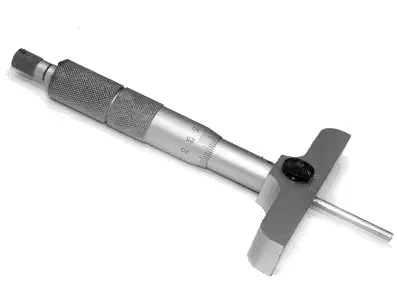
This piece of measuring equipment is a (a)
Label the different features on this turned component
What is this work holding device on a lathe?
What piece of measuring equipment can be used for external/internal diameters and also depths?
Micrometer
Protractor
Vernier caliper
Depth micrometer
Wearing the correct (a) and clearing (b) to prevent build up can reduce the risk from flying debris.
Label the features on the turned part
What can be done to reduce the risk from sharp edges?
Leave the machine running and seek help
Wear gloves when handling metal
Use coolant
De-burr
Describe how to mount a workpiece in a 4 jaw chuck
Locate jaws equally around the diameter of chuck
Load workpiece
Tighten each jaw equally
Place DTI on workpiece and rotate manually
Tighten/slacken jaws as required
What is a potential cause of chatter when turning on a lathe?
CMM not working
Incorrect PPE
Workpiece not supported
Wrong speed
Which of the following are quality criteria which could be checked on a turned part
Tolerance
Surface finish
Concentricity
Parallelism
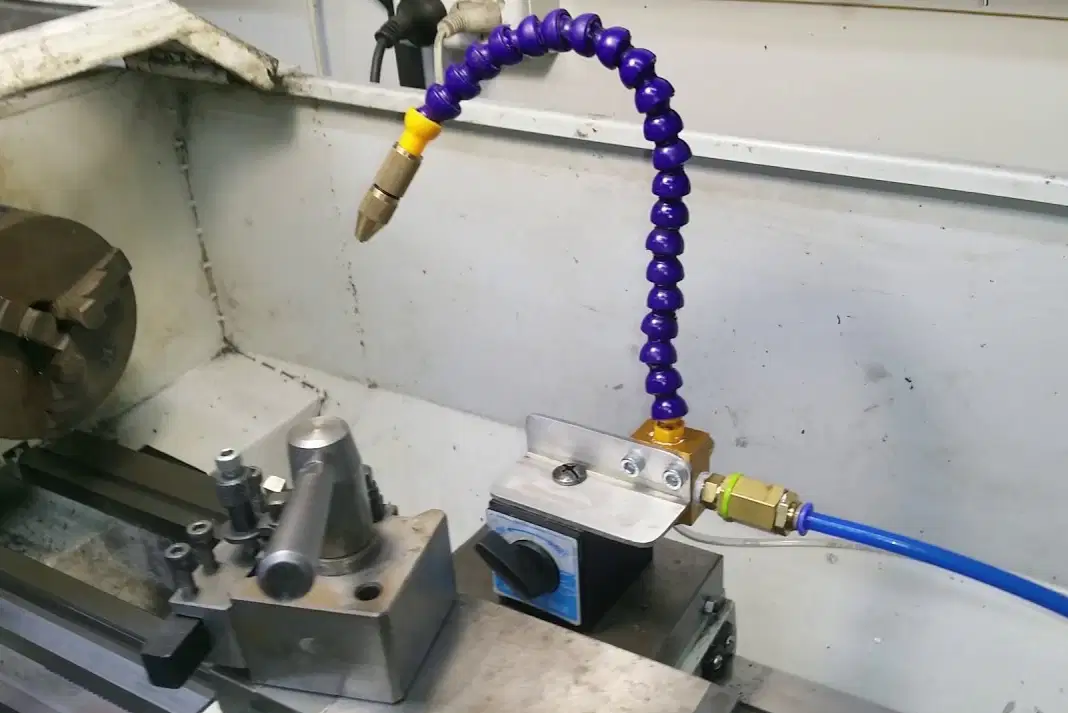
What lathe part is shown in the image?
Steady
Tailstock
Coolant system
Face plate

Which of the following are functions of the tailstock
Holds tools
Allows the saddle to move
Increases the speed of the chuck
Supports free end of the job

What is this work holding device ideal for smaller parts and providing accuracy
3 jaw chuck
Collet chuck
Face plate
Steady
The purpose of the lathe bed is to?
Cut power to the machine
Support long workpieces
Allow the tailstock and saddle to move
Hold tools
A cutting fluid with a high flash point will.......
Produce work faster
Provide high lubricity
Stop corrosion
Help prevent fire

What should you do to reduce the risk when working with moving parts
Tie hair back
Remove PPE
Use guards and interlocks
Remove jewellery
A helical groove on the outside of a diameter describes what?
Groove
External thread
Parallel diameter
Face
Describe how to centre a cutting tool on a lathe
Position tool in toolpost
place centre in tailstock
Align tool point with centre
Adjust with mounting bolt of packing pieces
How do you check the surface finish of a turned part?
Micrometer
Comparison plate/surface finish tester
Vernier height gauge
Boring bar
Which tool is used to measure the angle of a machined part?
Vernier height gauge
Caliper
Micrometer
Protractor
What is the purpose of using a knurling tool on a lathe?
To create a smooth finish
To cut threads
To create a textured grip
To measure the diameter
What is the purpose of using a faceplate on a lathe?
To increase the speed of the lathe
To hold irregularly shaped workpieces
To measure the diameter of a workpiece
To provide a smooth finish
Which two axis are used on a centre lathe.
X & Y
X & Z
Y & Z
W & Z
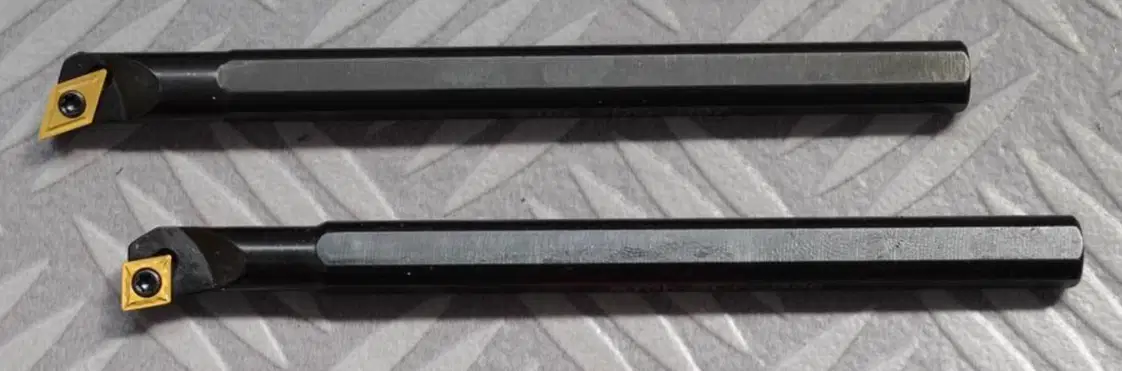
What is the name of these tools?
Knurling tool
Threading tool
Turning tool
Boring bar
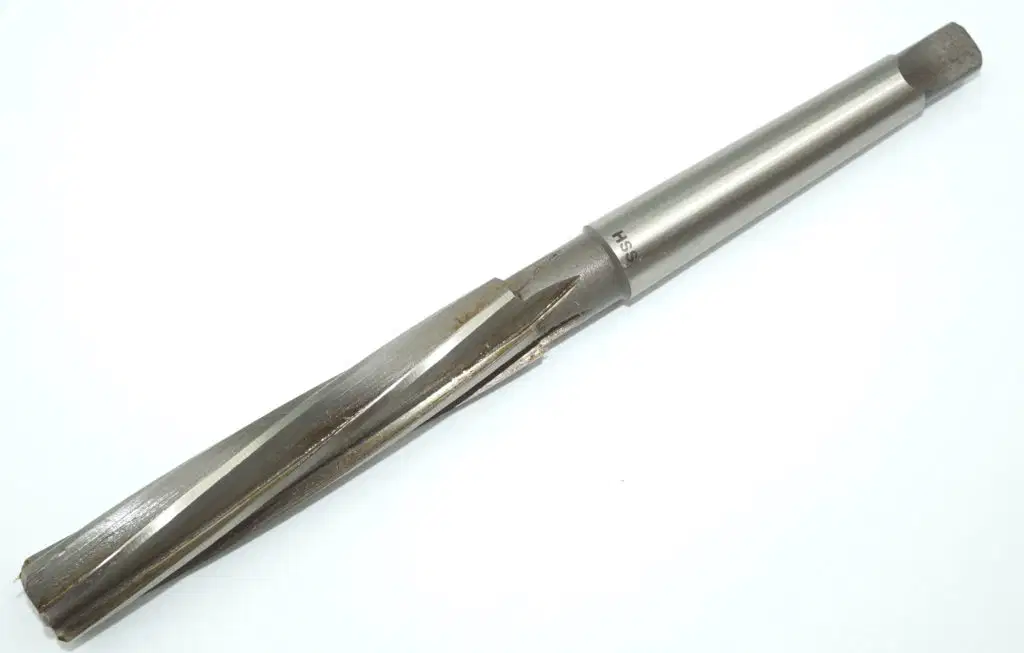
This tool follows a drill down a hole to create a high accuracy hole with a better surface finish but what is is?
Boring bar
Reamer
Drill
Tap
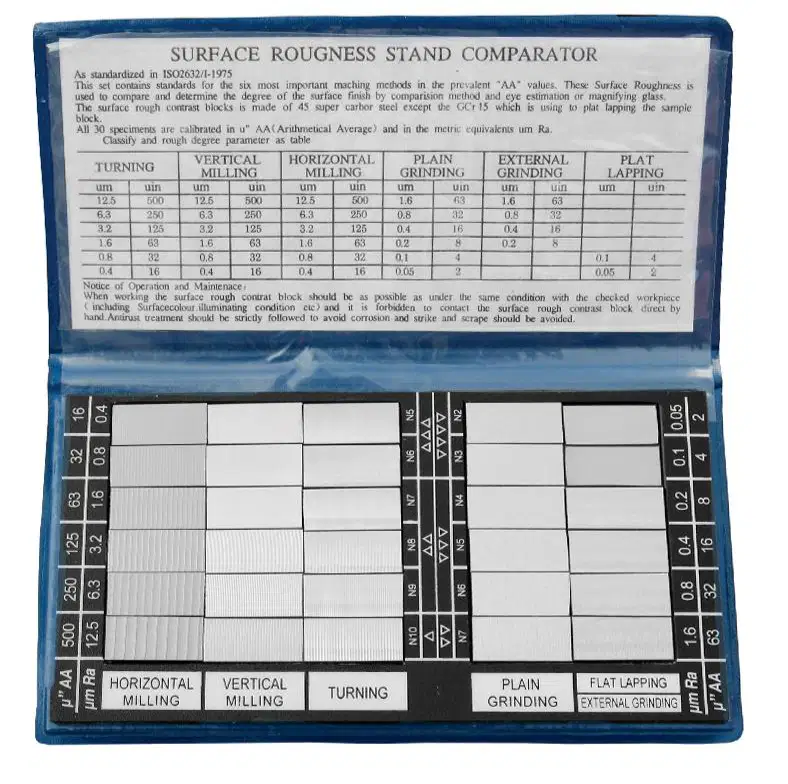
Comparison plates (shown in the image) are used to check what?
Surface finish
Diameters
Length
Concentricity

