
 Worksheets
Unit 3: Buying Goods and Services and Budgeting
Total questions: 54
Worksheet time: 46mins
Creating a budget can make you feel powerful! Why?
People who budget earn more money, so they can live a better life
A budget puts you in control of your spending and saving, so you make good decisions and feel more confident
You can't really budget unless you have an important job, which means that other people look up to you
Budgeting is extremely easy, so once you set it up, you are done for good and can spend time on other things
Adda has just moved into her own apartment and is working full time. Each item below would go into her budget in the "Monthly Bills" category EXCEPT...
rent
cell phone plan
clothing
car insurance

What was Hope’s gross pay during this pay period?
$600
$284.79
$78.30
$2836.89
What is an example of a monthly variable cost?
groceries
car payment
gym membership
student loan payment
What is variable expense?
The amount of money you spend
The amount of money you save
An expense that costs different amounts every month
The variable in math
What is a good?
Items purchased to satisfy needs and wants
money provided, especially by an organization or government, for a particular purpose.
Actions or activities that one person performs for another
a required payment to a local, state, or national government
What are services?
Items purchased to satisfy needs and wants
Actions or activities that one person performs for another
Obtaining money, goods, or services in exchange for promise of future payment
something, typically money, that is owed or due
The good or service that you give up when you make an economic choice is called _____________________.
opportunity cost
economic choice
economic interdependence
economic specialization
What is demand?
the amount of an item you have
how many people want your good/service
the money you have left over after you paid your bills
What is supply?
the amount of an item you have
how many people want your good/service
the money you have left over after you paid your bills
Which of the following statements BEST describes investing?
Putting $100 per month into an FDIC-insured bank account for short-term goals
Buying and selling stocks within the same day to take advantage of short-term price variation
Reducing the purchasing power of your money over time
Buying assets, like stocks, with the intention to hold them and grow your wealth over the long term.
What is the 50/30/20 rule?
A budgeting guideline that suggests allocating 50% of income to needs, 30% to savings or debt repayment, and 20% to wants.
A budgeting guideline that suggests allocating 50% of income to needs, 30% to wants, and 20% to savings or debt repayment.
A budgeting guideline that suggests allocating 50% of income to savings, 30% to needs, and 20% to wants.
A budgeting guideline that suggests allocating 50% of income to wants, 30% to needs, and 20% to savings or debt repayment.
What percentage of income should be allocated to wants according to the 50/30/20 rule?
70%
50%
30%
10%
What percentage of income should be allocated to savings according to the 50/30/20 rule?
10%
40%
20%
30%
Which of the following is NOT a recommended allocation according to the 50/30/20 rule?
Saving 10% of income for debt repayment
Investing 20% of income in stocks
Saving 40% of income for retirement
Spending 30% of income on wants
What does the 50/30/20 rule suggest allocating 20% of income for?
food and groceries
entertainment and leisure
savings and investments
rent and utilities
What does the 50/30/20 rule suggest allocating 50% of income for?
discretionary spending
needs
wants
savings
According to the 50/30/20 rule, what should be the maximum percentage of income spent on wants?
50%
30%
20%
10%
What is the first step in implementing the 50/30/20 rule?
Calculating your after-tax income
Deciding what you want to spend money on
Opening a savings account
Investing in stocks
What is a potential drawback of the 50/30/20 rule?
It may not be suitable for people with high levels of debt
It encourages overspending
It does not allow for savings
It requires a high income
What are two reasons why having a budget is beneficial? (select two)
It helps you focus on and achieve financial goals.
It eliminates the need to monitor your finances.
It reveals spending patterns and helps prevent overspending.
It guarantees your financial success.
What are the advantages of Zero Based Budgeting?
The advantages of Zero Based Budgeting include identifying and eliminating unnecessary expenses, promoting cost-consciousness, and encouraging efficient resource allocation.
Zero Based Budgeting promotes overspending and wastefulness
Zero Based Budgeting does not encourage efficient resource allocation
Zero Based Budgeting does not help in identifying and eliminating unnecessary expenses
How can Zero Based Budgeting help in cost reduction?
Zero Based Budgeting requires a thorough review of all expenses and eliminates unnecessary or inefficient spending.
Zero Based Budgeting increases spending on unnecessary expenses.
Zero Based Budgeting focuses on reducing fixed costs only.
Zero Based Budgeting does not impact cost reduction.
"Pay yourself first" means you should assign a portion of your income to saving every month.
True
False
Costs that do not change from month to month, you are obligated to pay them regardless of income variation
variable expenses
fixed expenses
disposable income
wealth
Costs that vary in the amount and type, depending on the choices you make
assets
liabilities
fixed expenses
variable expenses
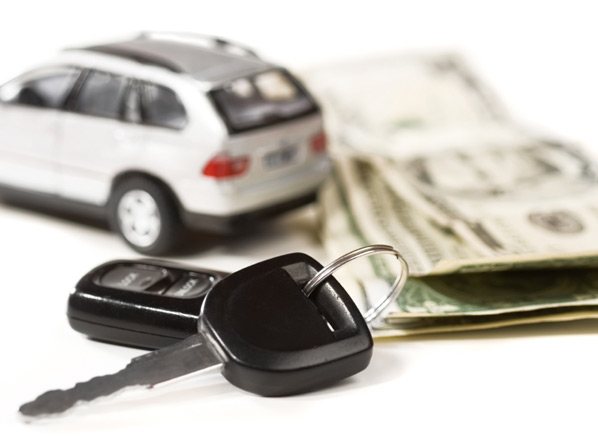
Which of the following is NOT a cost of owning a car?
License and Registration fees
Gasoline
Utilities
Insurance
Which of the following is a benefit of using a budget?
Helps to keep track of the money you receive
Helps to prioritize your spending
Helps reach short- and long-term financial goals
All of the above
Which of the following is a way to track your spending?
Envelop method
Spreadsheet budget
An app
All of the above
Unexpected expenses…
can make it hard to stick to your budget.
may cause you to be unable to pay necessary bills.
should be planned for.
all of the above.
Which of the following expenses would be a good reason to spend money from an emergency fund?
Repair your laptop that you use for homework.
Upgrade your phone to the latest model.
Buy new track shoes because they’re in style.
Purchase concert tickets to see your favorite artist.
The popular budgeting strategies are (a) .
The purpose of the envelope system is (a) .
Which of these would be considered a "whammy" expense?
emergency room visit
trip to Disney World
Christmas presents
rent
What is the effect of inflation on purchasing power?
It increases purchasing power
It decreases purchasing power
It has no effect on purchasing power
It depends on the rate of inflation
What is inflation?
A steady price level in an economy
A general decrease in the overall price level in an economy
A general increase in the overall price level in an economy
A decrease in the value of currency
Which of the following are TRUE about gross income and net income?
They are the same thing
Gross income is the total amount earned AFTER deductions
Gross income is the total amount earned BEFORE deductions
Net income is the total amount earned BEFORE deductions
What is the main principle behind zero-based budgeting?
Randomly assigning resources without any consideration
Allocating resources based on wants and desires rather than needs
Allocating resources based on needs and costs rather than historical budgets.
Using historical budgets as the sole basis for resource allocation
How does the envelope system help in budgeting?
The envelope system helps in budgeting by allowing unlimited spending.
The envelope system helps in budgeting by allocating specific amounts of cash to different categories or expenses, ensuring that spending stays within predefined limits.
The envelope system helps in budgeting by using credit cards for all expenses.
The envelope system helps in budgeting by not tracking expenses at all.
What does the 50/30/20 rule suggest in terms of budget allocation?
Allocate 50% to wants, 30% to needs, and 20% to savings or debt repayment.
Allocate 40% to needs, 30% to wants, and 30% to savings or debt repayment.
Allocate 60% to needs, 20% to wants, and 20% to savings or debt repayment.
Allocate 50% to needs, 30% to wants, and 20% to savings or debt repayment.
Explain the concept of 'pay yourself first' in budgeting.
Prioritize paying off debt before saving
Save only if you have extra money left over
Spend all your income on wants before saving
Prioritize saving a portion of your income before spending on other expenses.
In zero-based budgeting, what should the total income minus total expenses equal to?
Zero
Double
Negative
One
What are the three categories defined in the 50/30/20 rule?
Necessities, Desires, Investments
Must-haves, Nice-to-haves, Emergency fund
Essentials, Luxuries, Retirement
Needs, Wants, Savings

