
 Worksheets
JAPANESE ROOFS AND HOUSES HOA 03
Total questions: 15
Worksheet time: 11mins

Tsuchikabe (⼟壁), or "__________," is a traditional Japanese building technique using a mixture of clay, sand, and sometimes straw, applied to a wooden frame.
EARTHEN WALL
EARTHEN WARE
EARTH MOUND
MASONRY WALL

___________literally translates to "tiled roof" and refers to the elegant, durable, and iconic tiled roofs found on traditional Japanese architecture.
Wah-Karanay
Kawa-aimou
Kawara yane
Kawaii-ine
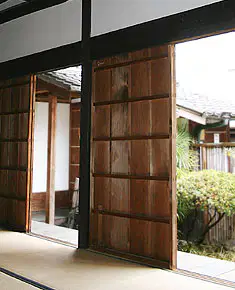
________-are traditional, solid wood sliding storm shutters that are closed each night to secure the home from the elements like wind, rain, and snow, and to prevent crime.
AMADO
ARMANDO
AMOMAII
AUGAME
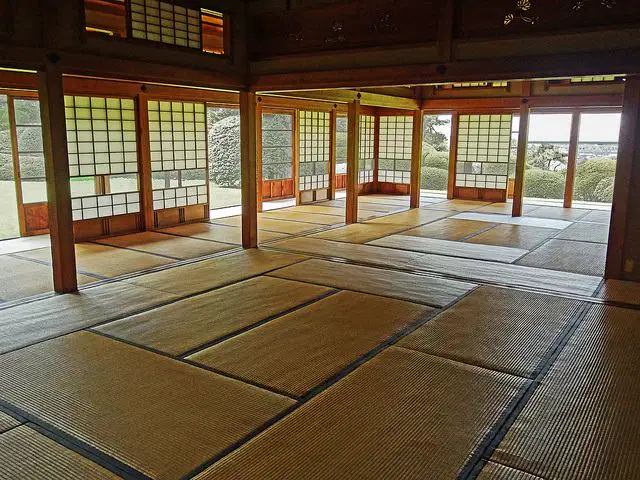
________are traditional Japanese floor mats, made with a straw or wood-chip core and an outer layer of woven rush grass, with a fabric border.
TATANMEN
TAMAGO
ORIGAMI
TATAMI
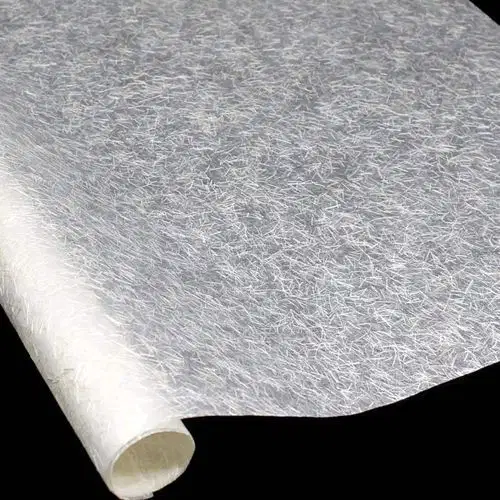
Also known as Japanese mulberry paper that is use to diffuse light while maintaining privacy.
GUASHA
WASHI
WASABI
SAKURA

_____________ is a recessed space in a Japanese-style reception room, in which items for artistic appreciation are displayed. In English, it literally translates to "alcove"
OKLAHOMA
YOKOMAHA
TOKONOMA
TAKOYAKI
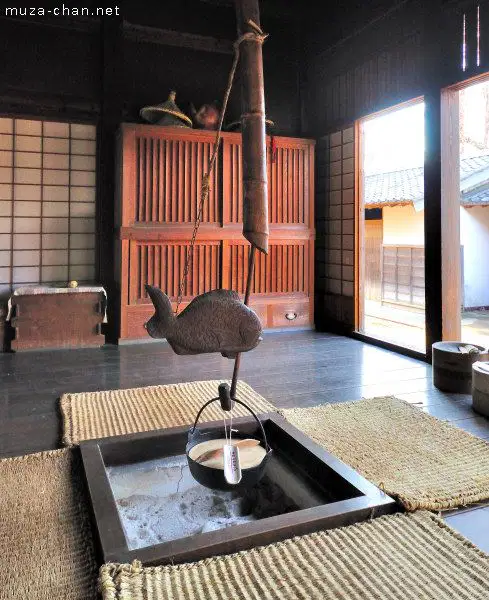
____________ is a traditional Japanese sunken hearth found in the center of a room, typically used in farmhouses and older homes for heating, cooking, and lighting.
IRORI
HIRONO
HIKORI
IYORI
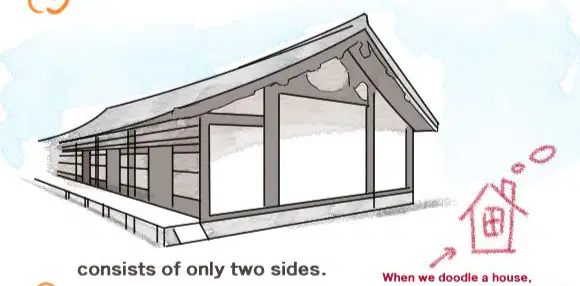
This roof has two sloping sides that meet at the top, forming a triangle shape.
Irimoya-zukuri
(Hip-and-gable Roof)
kirizuma-zukuri (gable roof)
Yosemune-zukuri (Hip Roof)
Hogyo-zukuri (Pyramidal Roof)
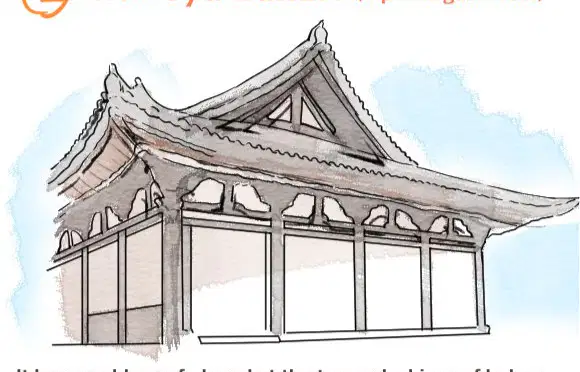
This is a combination between the _______ and _______ roofs.
The hipped part makes the building more stable in strong winds, while the gable part helps snow slide off easily in snowy areas.
Irimoya-zukuri
(Hip-and-gable Roof)
kirizuma-zukuri (gable roof)
Yosemune-zukuri (Hip Roof)
Hogyo-zukuri (Pyramidal Roof)
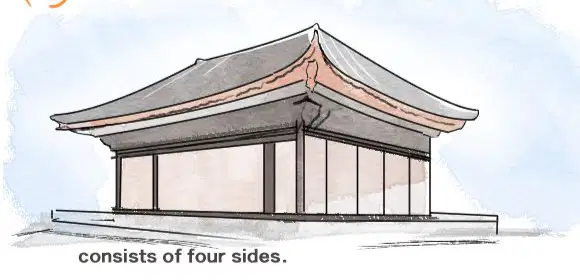
This is a roof style with four sloping sides. It is also called “___________” or “shichu.”Seen in temples and castles
Hogyo-zukuri (Pyramidal Roof)
Irimoya-zukuri
(Hip-and-gable Roof)
Yosemune-zukuri (Hip Roof)
kirizuma-zukuri (gable roof)

________ is Japan’s only Neo-Baroque style palace. Its grand façade, marble halls, and Corinthian pillars reflect European influence blended with Japanese craftsmanship.
Osaka Palace
Akasaka Palace
Arisu Place
Usagi Palace

_________________ is one of Japan’s finest examples of feudal Japanese castle architecture. Often called the “White Heron Castle” (Shirasagijo) because of its elegant, white appearance, it symbolizes grace and strength. The white plaster not only beautifies the structure but also serves as fireproofing.
Hirose Castle
Sakuya Castle
Fujinaga Castle
Himeji Castle
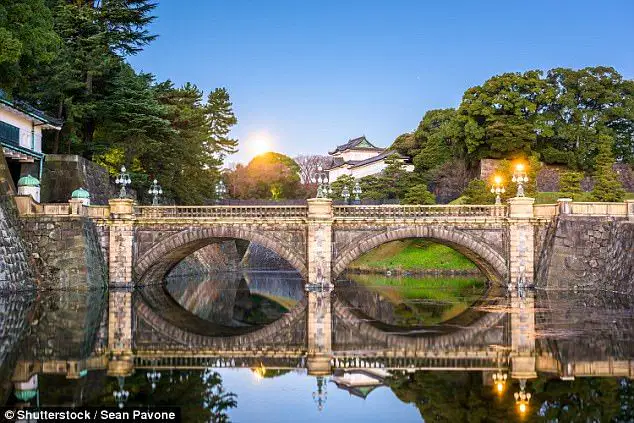
__________ which means "double bridge" refers to two bridge Seimon Ishibashi & Seimon Tetsubashi Bridge located at the main entrance of Tokyo Imperial Palace.
Inuyasha Bridge
Nijūbashi Bridge
Kakashi Bridge
Samishi Bridge
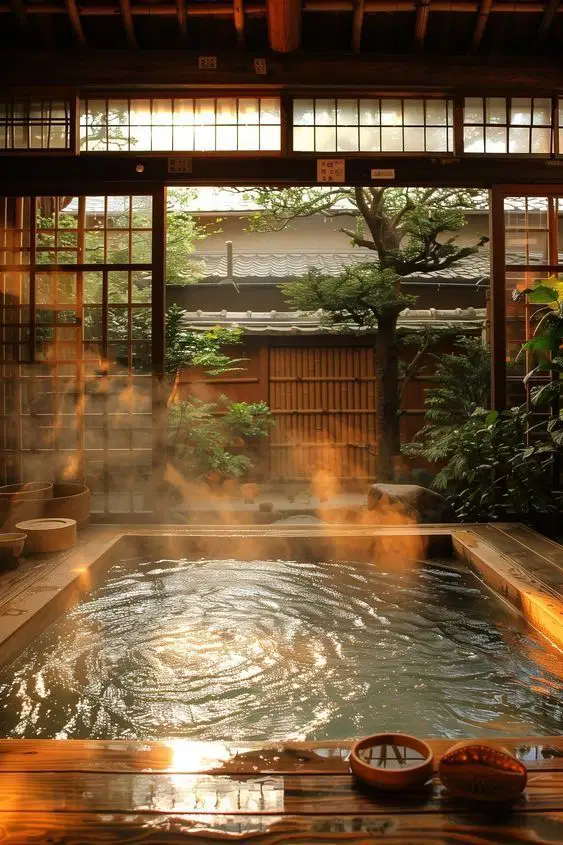
______________means bath or bathtub and refers to the traditional Japanese bathing practice of soaking in a deep, hot tub for relaxation and purification after thoroughly washing the body.
KOKURO
OFURO
TOKONO
TOTORO

__________ is a traditional Japanese sliding door, window, or room divider made of a wooden lattice frame covered with translucent paper, such as washi (Japanese mulberry paper), to diffuse light while maintaining privacy.
MUJI
CHOUJI
DAISO
SHOJI

