
 Worksheets
Latin America Physical Geo
Total questions: 20
Worksheet time: 11mins
Match the climate zone to the region:
Tropical (warm temperatures year-round)
N. Mexico & southern portion of South Am
Temperate (moderate temps & seasons)
Caribbean, most Mexico & Central America
Polar (extreme cold, dry)
arctic & antarctic regions
A tropical woodland with an annual rainfall of AT LEAST 100 inches is known as:
Savannah
Temperate forest
Tropical rainforest
Desert
Which of the following are potential consequences of the deforestation of the world's largest rainforest (the Amazon)?
increases in carbon dioxide
changes in weather patterns
loss of biodiversity
enhanced soil fertility
Which of the following are examples of how the people of the Andes Mountains farm (smarter not harder)?
farm mountain friendly crops like potatoes, grains and llamas
terrace farming
build floating gardens
farm valley friendly crops like tomatoes, beans & squash
How does Mexico city's location in a valley along the Sierra Madres affect their environment?
The Sierra Madres create a barrier against natural disasters.
The location enhances agricultural productivity.
The valley provides abundant water resources.
The valley location traps pollution and affects local climate.
The Atacama desert is formed because the Andes Mountains create rain shadows on its leeward slopes. How does this affect the desert?
The Atacama Desert is extremely dry due to the Andes Mountains blocking rain.
The Atacama Desert receives heavy rainfall due to the Andes Mountains.
The Atacama Desert is lush and green because of the rain shadow effect.
The Andes Mountains have no impact on the climate of the Atacama Desert.
The Llanos & Pampas of South America can be characterized by which of the following?
vast grassland
great for grazing cattle
mountainous regions with steep cliffs
densely forested regions with high rainfall
The Caribbean region is an archipelago. What is an ARCHIPELAGO?
A geographical term for mountains
A group of islands
A single large landmass
A vast desertous region
Which of the following does NOT describe the Galapagos archipelago?
Known for its diverse wildlife
Located off the coast of Ecuador
Located in the Caribbean
Known for Charles Darwin's scientific discoveries

What is DEFORESTATION?

What is terrace farming?

What is smog?
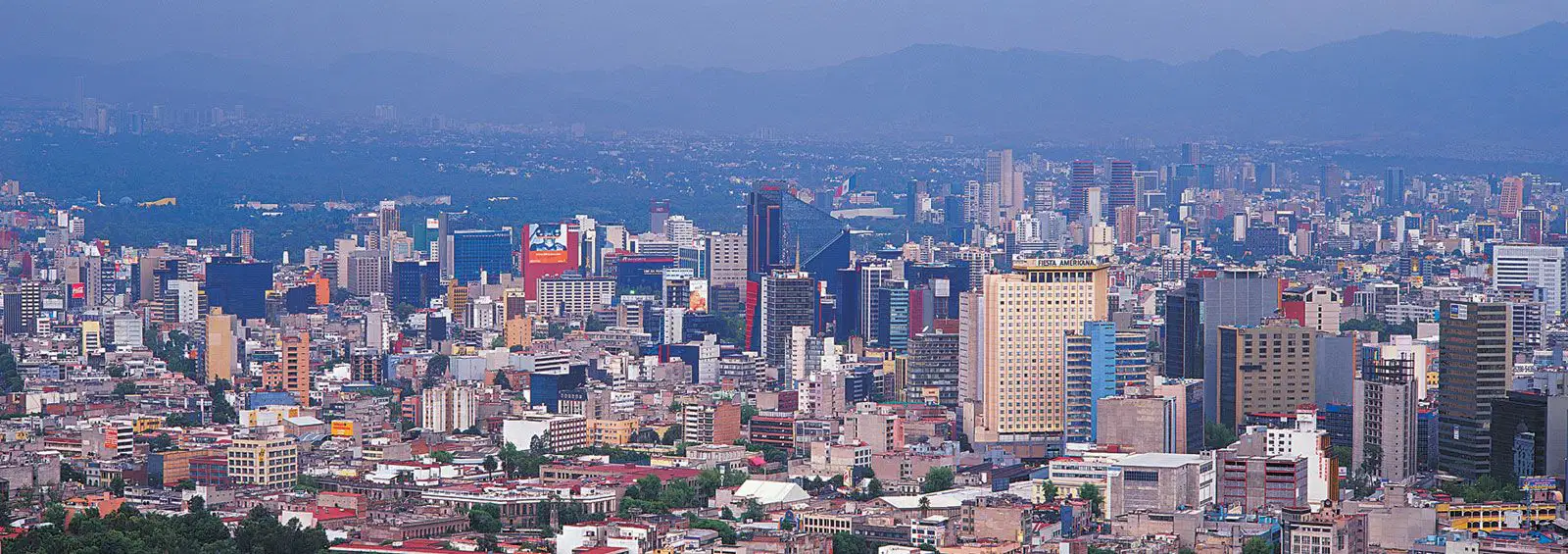
Which Latin American capitol is well known for the smog that saturates the city?
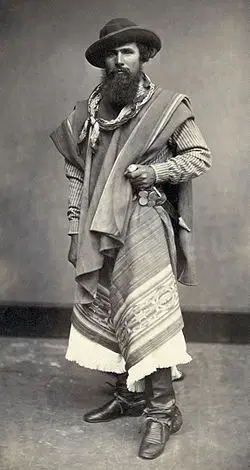
What is a gaucho?
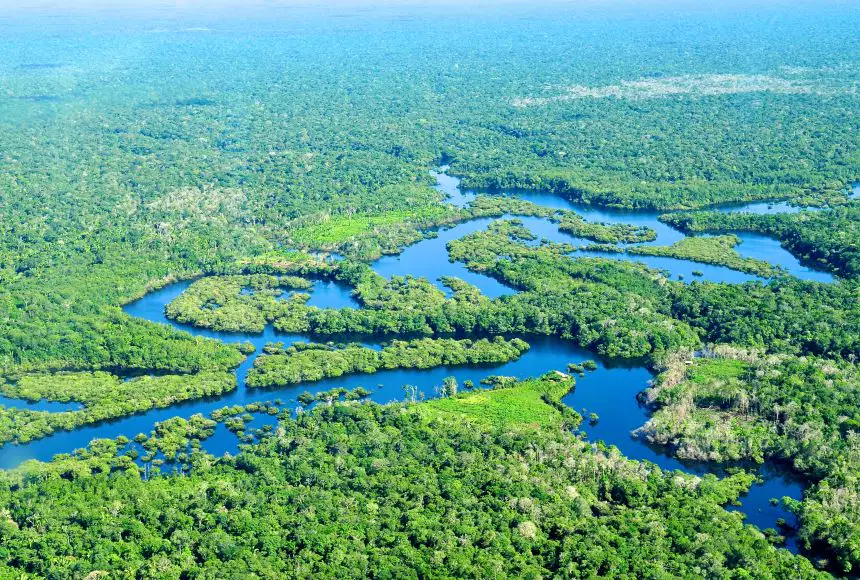
Where is the world's largest rainforest located?

What is the longest chain of mountains in the world, running along west coast of S. America?

Which set of 3 mountain ranges extending from northern to southern Mexico is part of the ring of fire?

Which of the following are grasslands, great for cattle ranching?
Pampas
Llanos

Which of the following was one of the original plantation crops?
Which of the following are products you can make from sugar cane?

