
 Worksheets
Periodic Table and Chemical Change test review
Total questions: 40
Worksheet time: 26mins
Elements that are generally good conductors of heat and electricity are
(a)
Elements that are generally poor conductors of heat and electricity are
(a)
Elements that are semi-conductors of heat and electricity are
(a)
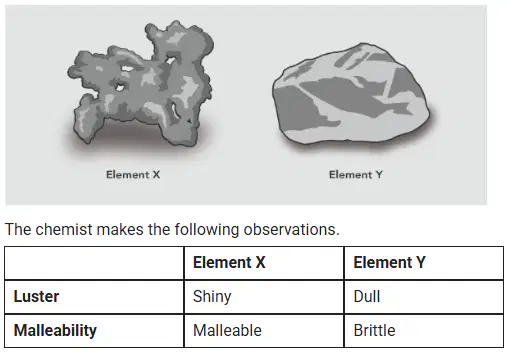
A chemist studies the elements in the image.
Based on the information, what type of element is Element X & Element Y?
Element X and Element Y are both metals.
Element X and Element Y are both metalloids.
Element X is a non-metal, and Element Y is a metalloid.
Element X is a metal, and Element Y is a non-metal.
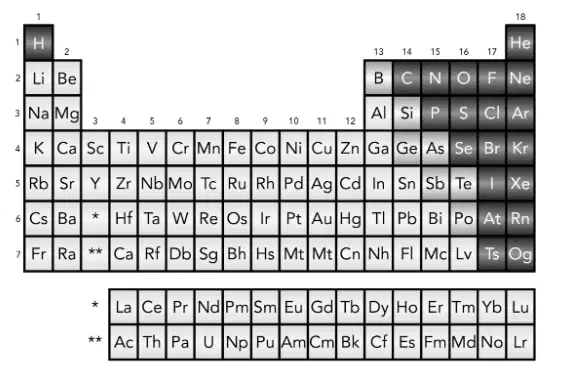
If an element is:
Solid
Malleable
Shiny
High conductivity
What type of element would it likely be?
The element could be Ag (Gold) because Ag is a metal.
The element could be Sb (Antimony) because Ab is a metalloid
The element could be He (Helium) because He is a non-metal.
The element could be Ar (Argon) because Ar is a nonmetal.
If someone is looking at the Element Oxygen (O), they look at where it is located on the periodic table to determine it's properties.
Which of the following best describe Oxygen? (select 3 answers)
Oxygen is a poor conductor of electricity
Oxygen is a good conductor of electricity
Oxygen is Shiny
Oxygen is dull
Oxygen is a Non-Metal
Why are Rare Earth Metals so important to our daily lives?
They are in our technology
They are in our food
They do not occur naturally on Earth
They are found in most countries on Earth
Do you remember what element you had during the element project?
There will be a question on the test that asks you about it, and to give 3 facts about your element.
Please type "Yes" to answer this question correctly and to verify that you remember your element
(a)
Two students safety mix together a substance. A precipitate forms. This is likely a:
Chemical Change
Physical Change
Which of the following is a type of chemical change?
Gas Formation
Melting
Change in Shape
Which of the following is a type of chemical change?
Freezing
Temperature Change
Change in Size
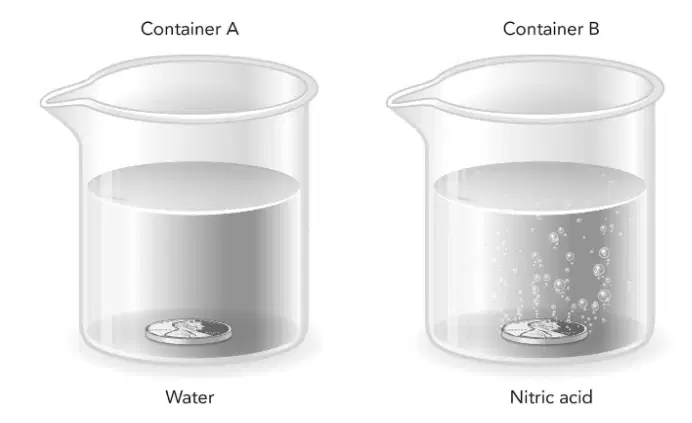
A student puts pennies into separate containers. The image shows the results.
Which container showed a chemical change?
Container A because the penny got wet in the water.
Container B because bubbles formed in a liquid
Containers A and B because the penny was a precipitate.
Containers A and B because there was a change in heat.
A scientist mixes two clear liquids together. When the liquids are mixed, white solids form, and makes the clear liquids appear cloudy. (we did this last week on the lab day)
What observations indicate that a chemical change has occurred? Select two answers.
A solid appears
Both of the solutions are clear
The two solutions are combined
There is a color change
Both solutions are liquids
During the Sunset in a Bag experiment last week, we added Calcium Carbonate (the white pebble looking things) to water, and it became hot.
Did a chemical change happen, and How do you know a chemical change happened?
No, because a gas didn't form
Yes, because there was no change in color
Yes, because there was a change in temperature
No, because a solid was formed
A black iron chair is placed outdoors. Over time, the chair becomes coated with a red substance.
Which is the best explanation for the appearance of the red substance?
The red substance is a form of black iron that appears.
The red substance is a mixture of two substances in iron.
The red substance is the product of a chemical change.
The red substance formed when the black substance melted.
Which of the following is NOT a chemical change?
You roasting a marshmallow at a campfire
Ms Cooley writing on her whiteboard
Miss Melton lighting elements on fire in the lab
You putting an eggo waffle in the toaster at home to heat it for breakfast, except you put it in too long and it burns and then you have to throw it away because it's now inedible
Which state of matter has LOW Kinetic Energy?
(a)
Which state of matter has MEDIUM Kinetic Energy?
(a)
Which state of matter has HIGH Kinetic Energy?
(a)
Soda
Heterogeneous Mixture
Homogeneous Mixture
Salt Water
Heterogeneous Mixture
Homogeneous Mixture
Strawberry Milk
Heterogeneous Mixture
Homogeneous Mixture
Salad Dressing
Heterogeneous Mixture
Homogeneous Mixture
The entire ocean
Heterogeneous Mixture
Homogeneous Mixture
Ramen (with all the toppings)
Heterogeneous Mixture
Homogeneous Mixture
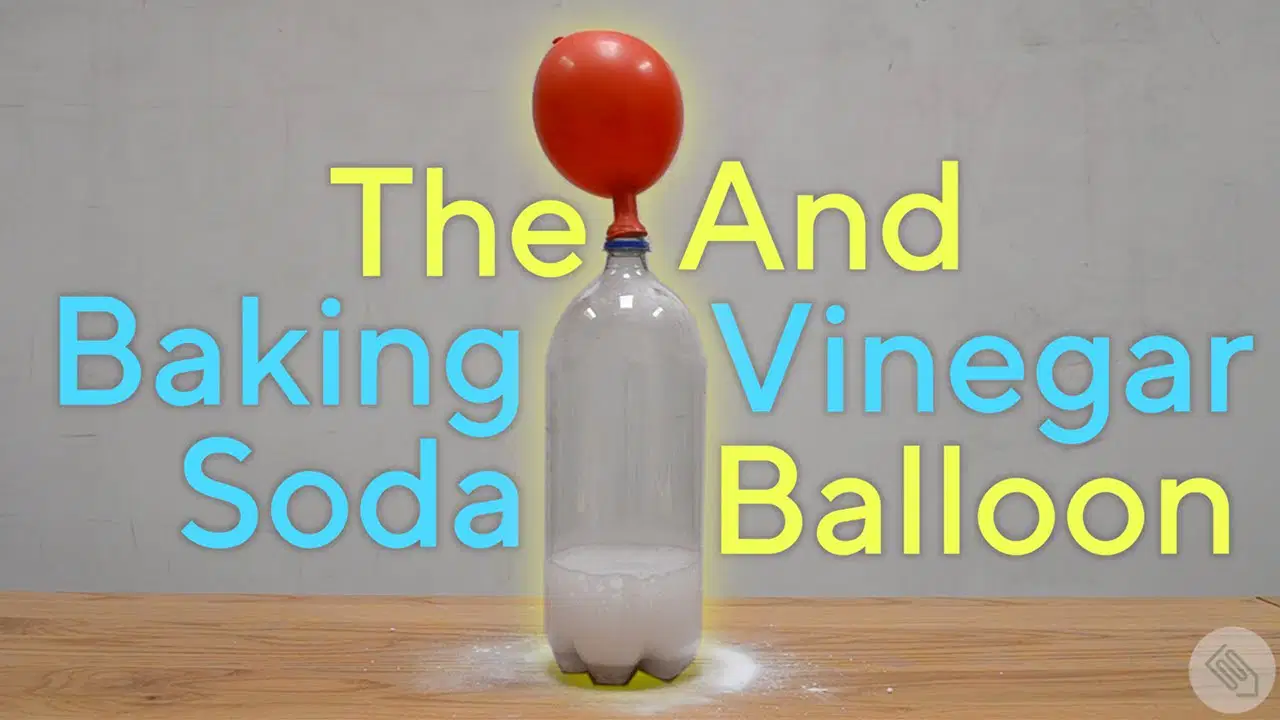
Way back during the Solid, Liquid and Gas unit, you observed the inflating of a balloon using chemical reactions. A balloon was filled with baking soda, and then fastened onto a bottle that already had some vinegar in it. When the two substances mixed together, the balloon inflated, and your teacher allowed you to touch the glass bottle to observe what happened.
During this demonstration, which types of chemical changes occured? (2 ANSWERS)
Color Change
Gas was produced
Solid formation
Temperature Change
Smell development
Boiling water
Chemical Change
NOT Chemical Change
Melting ice
Chemical Change
NOT Chemical Change
Cutting your hair
Chemical Change
NOT Chemical Change
Writing something in your science journal
Chemical Change
NOT Chemical Change
Rust forming on metal
Chemical Change
NOT Chemical Change
Dying your hair
Chemical Change
NOT Chemical Change
Burning anything
Chemical Change
NOT Chemical Change
Cooking an egg
Chemical Change
NOT Chemical Change
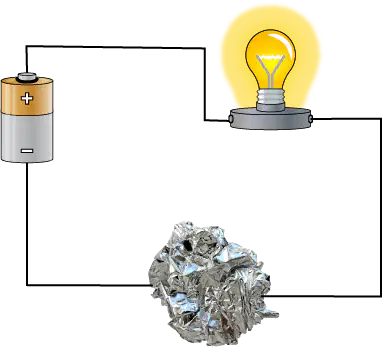
During an experiment, a student placed a malleable item in the gap of the circuit as shown in the image. The lightbulb turned on when the item was connected to the circuit.
The malleable item placed in the gap of the circuit is a _____ because it conducts electricity.
Metal
Non-Metal
Metalloid
During an experiment, a student placed a malleable item in the gap of the circuit as shown in the image. The lightbulb turned on when the item was connected to the circuit.
The malleable item placed in the gap of the circuit is a metal because it ________ electricity.
Conducts
Insultates
Freezes
When a metal can be pounded into thin sheets, we say it is ___________.
lustrous
malleable
ductile
conductive
When a metal can be made into thin wires, we say it is ___________.
lustrous
malleable
ductile
conductive
When a metal can allow heat or electricity to flow through it, we say it is ___________.
lustrous
malleable
ductile
conductive
The scale of how shiny or dull something is ___________.
luster
malleable
ductile
conductive

