
 Worksheets
Circulatory System
Total questions: 40
Worksheet time: 20mins
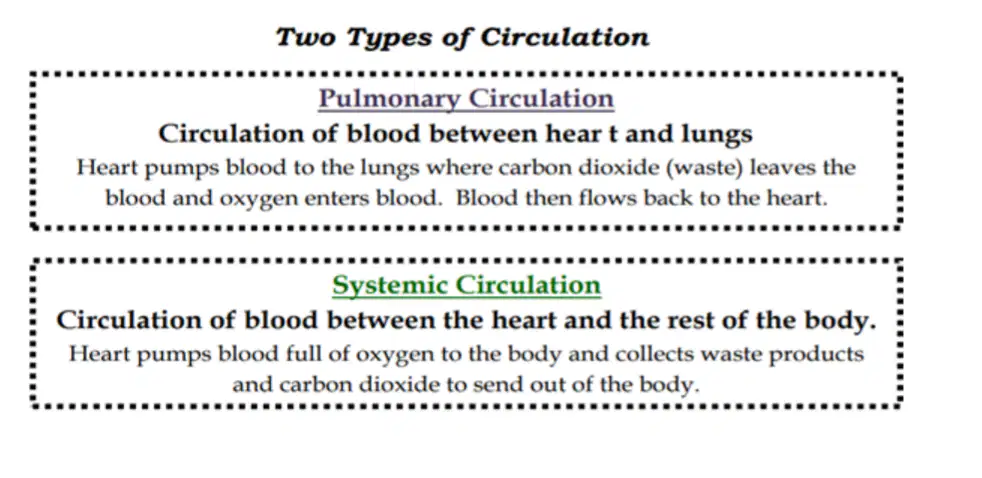
What is the main function of pulmonary circulation?
Circulation of blood between the heart and lungs
Circulation of blood between the heart and the rest of the body
Circulation of blood between the lungs and the body
Circulation of blood between the heart and the kidneys
Which chamber of the heart receives deoxygenated blood from the body?
Right Atrium
Left Atrium
Right Ventricle
Left Ventricle
What is the role of arteries in the circulatory system?
Carry blood away from the heart
Carry blood toward the heart
Exchange gases with tissues
Store oxygen
Which chamber pumps blood to the lungs via pulmonary arteries?
Right Ventricle
Left Ventricle
Right Atrium
Left Atrium
In systemic circulation, what does the heart do?
Pumps blood full of oxygen to the body and collects waste products
Pumps blood to the lungs to pick up oxygen
Pumps blood to the kidneys for filtration
Pumps blood to the stomach for digestion
Which chamber receives oxygenated blood from the pulmonary veins?
Left Atrium
Right Atrium
Left Ventricle
Right Ventricle
What happens in the lungs during the pathway of blood?
Blood picks up oxygen and releases carbon dioxide
Blood releases oxygen and picks up carbon dioxide
Blood is filtered for waste products
Blood is stored temporarily
Which chamber pumps blood to the body through the aorta?
Left Ventricle
Right Ventricle
Left Atrium
Right Atrium
What is the primary function of veins in the circulatory system?
Carry blood away from the heart
Carry blood toward the heart
Allow gas exchange between blood and tissues
Pump blood to the lungs
What is the main role of capillaries in the body?
Pump blood to the heart
Carry blood away from the heart
Allow gas exchange between blood and tissues
Store oxygen
Which side of the heart contains high oxygen (O₂) blood?
Right side
Left side
Both sides
Neither side
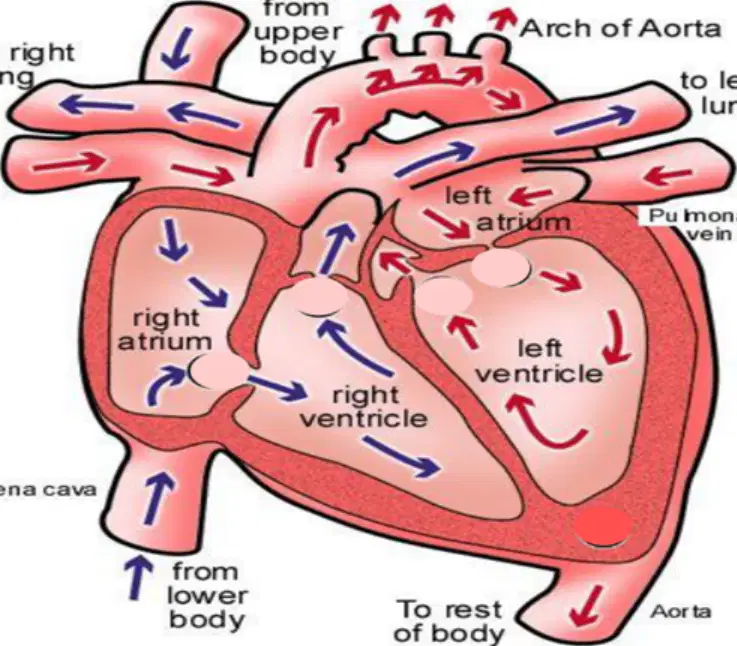
In the pathway of blood, where does blood enter the heart from the vena cava?
Left atrium
Right atrium
Left ventricle
Right ventricle
After entering the right atrium, blood moves into which chamber before traveling to the lungs?
Left atrium
Right ventricle
Left ventricle
Aorta
In the lungs, blood picks up which gas and drops off which waste product?
Picks up carbon dioxide, drops off oxygen
Picks up oxygen, drops off carbon dioxide
Picks up nitrogen, drops off oxygen
Picks up oxygen, drops off nitrogen
Oxygenated blood returns to which chamber of the heart through the pulmonary vein?
Right atrium
Left atrium
Right ventricle
Left ventricle
Blood is pumped into which chamber and exits through which vessel to the body?
Right ventricle; pulmonary artery
Left ventricle; aorta
Right atrium; vena cava
Left atrium; pulmonary vein
Pulmonary circulation is:
The circulation of blood between the heart and lungs
The circulation of blood between the heart and the body
The process of oxygen exchange in the alveoli
The movement of blood through the capillaries
Systemic circulation is:
The circulation of blood between the heart and the body
The circulation of blood between the heart and lungs
The process of oxygen exchange in the alveoli
The movement of blood through the capillaries
The heart has four ____________________________ that are enclosed by thick, muscular walls.
chambers
valves
arteries
cells
The upper part of the heart is made up of two chambers, called the right and left ____________________, which receive the blood entering the heart.
atria
ventricles
valves
arteries
The bottom part of the heart is divided into two chambers, called the right and left ____________________________, which pump blood out of the heart.
ventricles
atria
valves
septum
__________________________ is a short loop from the heart to the lungs and back again.
Pulmonary circulation
Systemic circulation
Coronary circulation
Renal circulation
__________________________ sends blood from the heart to all the other parts of the body and back again.
Systemic circulation
Pulmonary circulation
Coronary circulation
Renal circulation
Blood vessels that carry blood away from the heart are called ____________________________.
arteries
veins
capillaries
venules
Blood vessels that carry blood back to the heart are called ____________________________.
veins
arteries
capillaries
alveoli
A network of tiny ____________________________ connects the arteries and veins, delivers nutrients and oxygen to the cells, and removes waste products such as carbon dioxide.
capillaries
arterioles
alveoli
bronchioles
In the lungs, gases are exchanged between capillary walls and millions of tiny air sacs called ____________________________.
alveoli
bronchioles
trachea
pleura
High blood pressure is also called ____________________________.
hypertension
hypotension
anemia
diabetes
The heart is composed of how many chambers?
Four
Two
Six
Eight
The right side of the heart collects blood from the ____________________ and sends it to the ____________________.
body; lungs
lungs; body
body; brain
lungs; liver
Which vein brings blood from the upper extremities, head, neck, and brain and deposits it in the right atrium?
Superior vena cava
Inferior vena cava
Pulmonary vein
Jugular vein
What is the name of the valve that sits between the left atrium and the left ventricle, and what is it also known as?
Mitral valve; bicuspid valve
Tricuspid valve; bicuspid valve
Pulmonary valve; tricuspid valve
Aortic valve; mitral valve
The coronary arteries that supply the heart muscle with oxygenated blood originate off of which vessel?
Aorta
Pulmonary artery
Superior vena cava
Inferior vena cava
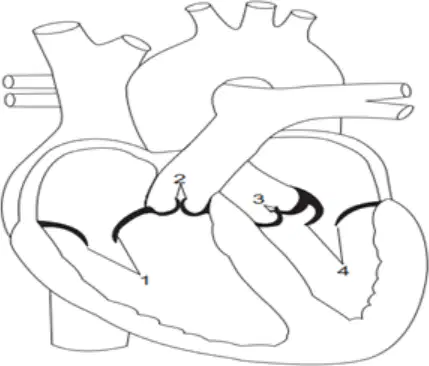
Label the valves in the heart as shown in the diagram.
1-Tricuspid, 2-Pulmonary, 3-Mitral, 4-Aortic
1-Mitral, 2-Aortic, 3-Tricuspid, 4-Pulmonary
1-Aortic, 2-Mitral, 3-Pulmonary, 4-Tricuspid
1-Pulmonary, 2-Tricuspid, 3-Aortic, 4-Mitral
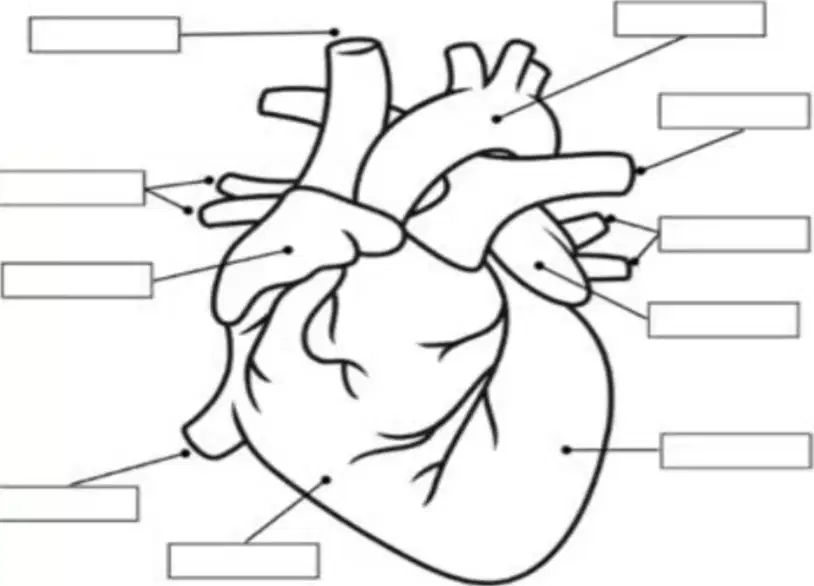
Which part of the heart receives oxygen-poor blood from the body?
Right atrium
Left ventricle
Pulmonary vein
Aorta
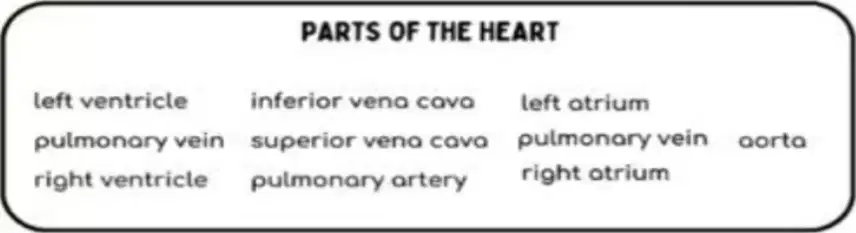
Which blood vessel carries oxygen-rich blood from the lungs to the heart?
Pulmonary vein
Inferior vena cava
Pulmonary artery
Right ventricle
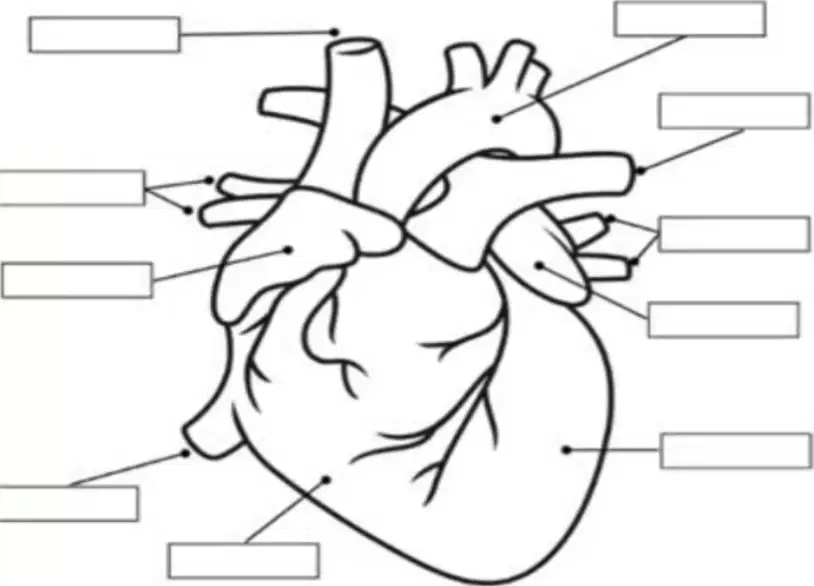
What is the main artery that carries oxygenated blood from the heart to the rest of the body?
Aorta
Pulmonary artery
Superior vena cava
Left atrium
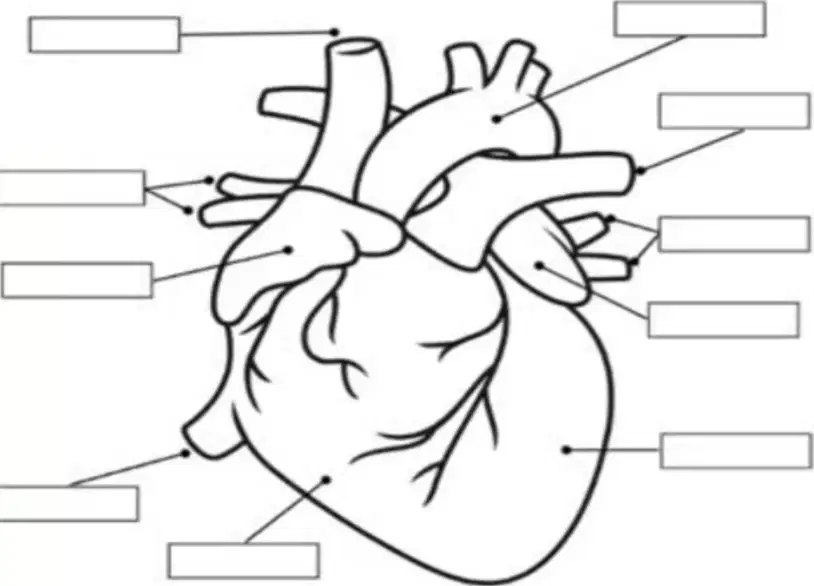
Which chamber of the heart pumps blood into the pulmonary artery?
Right ventricle
Left atrium
Left ventricle
Right atrium
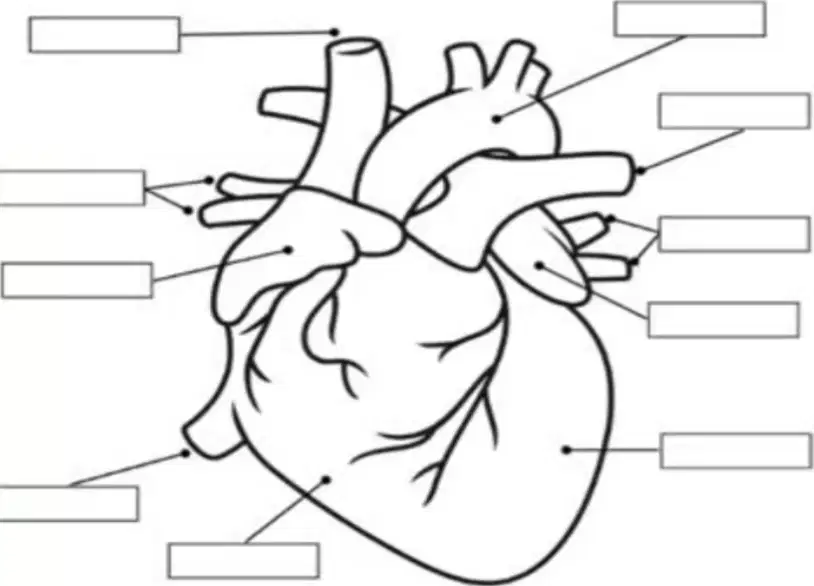
Which vessel brings deoxygenated blood from the lower body to the heart?
Inferior vena cava
Pulmonary vein
Aorta
Pulmonary artery
What are the four chambers of the heart?

