
 Worksheets
Nervous System
Total questions: 35
Worksheet time: 18mins
What is the meaning of the root word 'Neuro-'?
Nerve
Muscle
Bone
Blood
What is the meaning of the root word 'Ocul-'?
Eye
Ear
Hand
Nose
What is the meaning of the root word 'Cerebro-'?
Liver
Heart
Brain
Stomach
What is the meaning of the root word 'Oto-'?
eye
Ear
Nose
Mouth

Which of the following terms is related to the study of nerves?
Oculomotor
Otorrhea
Neurology
Cerebrospinal
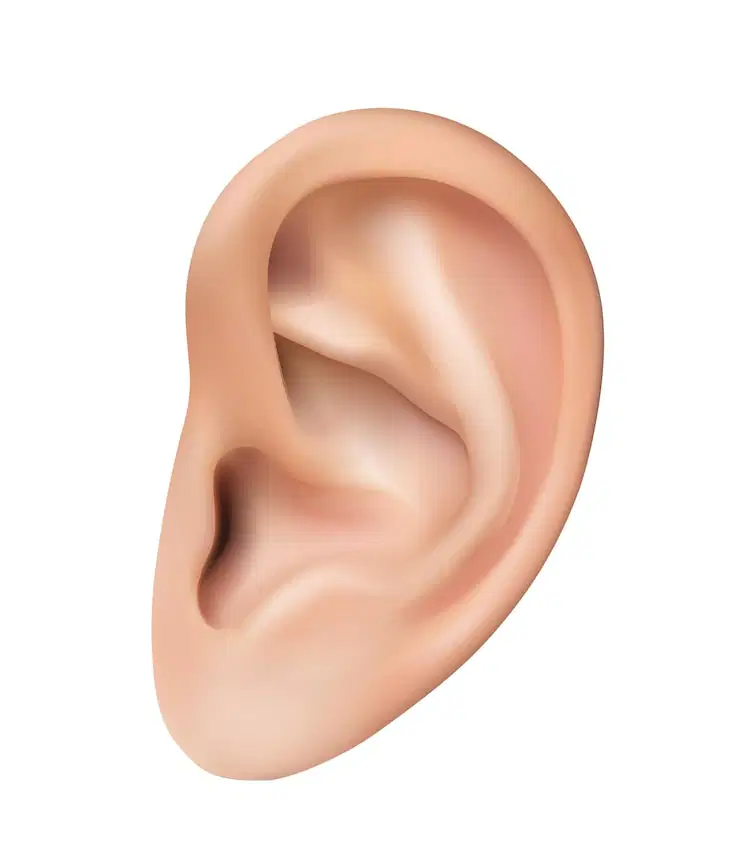
Which example term is associated with "ear discharge"?
Neurology
Oculomotor
Otorrhea
Cerebrospinal
Which sensory organ responds to light and provides vision?
Eyes
Ears
Nose
Tongue

Which sensory organ responds to sounds and provides hearing and balance?
Nose
Eyes
Ears
Tongue

Which sensory organ responds to smells?
Ear
Nose
Eye
Skin

Which sensory organ responds to taste?
Tongue
Ear
Nose
Eye
What do nerve endings in the body respond to?
Pain, temperature, and touch
Light and sound
Gravity and magnetism
Electricity and radiation
What is the main function of the nervous system?
To digest food
To pump blood
To receive and respond to various stimuli
To produce hormones
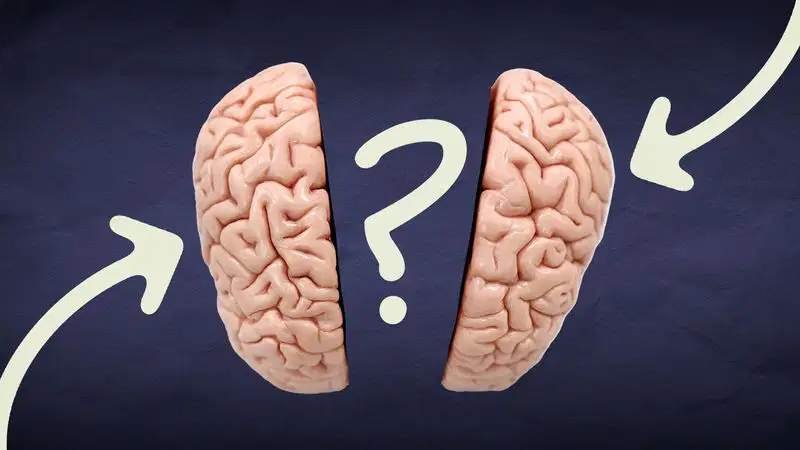
What is the Central Nervous System (CNS) made up of?
Skin and Hair
Heart and lungs
Muscles and bones
Brain and Spinal Cord
Which of the following is NOT a major part of the brain?
Cerebrum
Cerebellum
Medulla
Femur

How many pairs of cranial nerves are there in the Peripheral Nervous System (PNS)?
10
12
31
24

How many pairs of spinal nerves are found in the Peripheral Nervous System (PNS)?
12
24
31
10
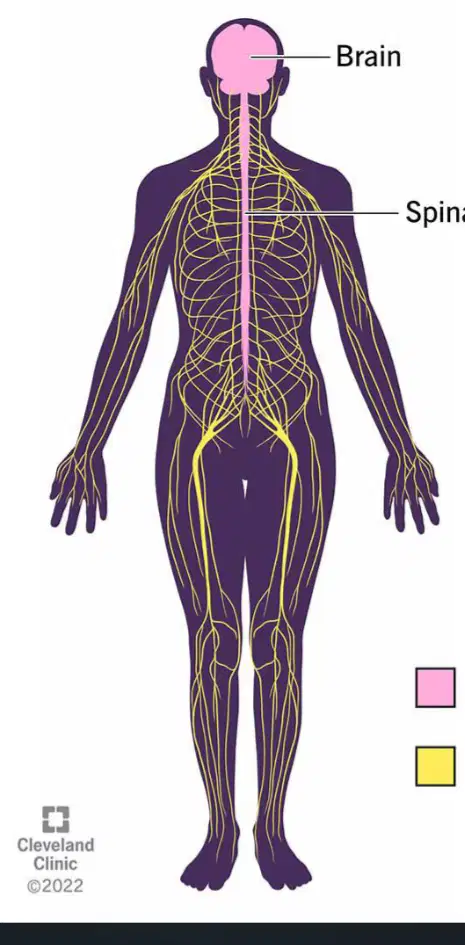
Which color represents the central nervous system?
Pink
Yellow
Blue
Green

Which cranial nerve is responsible for vision?
Optic
Olfactory
Trigeminal
Facial
What is the 1st cranial nerve? (Hint: O in 'Old' stands for this nerve)
Olfactory
Optic
Oculomotor
Trigeminal
What is the 2nd cranial nerve? (Hint: O in 'Open' stands for this nerve)
Olfactory
Optic
Oculomotor
Trochlear
What is the 3rd cranial nerve? (Hint: O in 'Oceans' stands for this nerve)
Oculomotor
Optic
Trochlear
Abducens
What is the 4th cranial nerve? (Hint: T in 'Take' stands for this nerve)
Trigeminal
Olfactory
Trochlear
Abducens
What is the 5th cranial nerve? (Hint: T in 'Treasures' stands for this nerve)
Trigeminal
Facial
Olfactory
Abducens
What is the 6th cranial nerve? (Hint: A in 'Away' stands for this nerve)
Accesory
Oculomotor
Trochlear
Abducens
What is the 7th cranial nerve? (Hint: F in 'Finally' stands for this nerve)
Facial
Trigeminal
Glossopharyngeal
Oculomotor
What is the 8th cranial nerve? (Hint: VE in 'Very' stands for this nerve)
Vagus
Olfactory
Vestibulocochlear
Facial
What is the 9th cranial nerve? (Hint: G in 'Good' stands for this nerve)
Glossopharyngeal
Vagus
Facial
Trigeminal
What is the 10th cranial nerve? (Hint: V in 'Voyagers' stands for this nerve)
Vagus
Trigeminal
Facial
Glossopharyngeal
What is the 11th cranial nerve? (Hint: AC in 'Acted' stands for this nerve)
Abducens
Accessory
Trigeminal
Facial
What is the 12th cranial nerve? (Hint: H in 'Heroically' stands for this nerve)
Hypoglossal
Olfactory
Trigeminal
Facial
Which of the following is NOT a symptom of Alzheimer's disease?
Personality changes
Decline in memory and functioning
Behavioral changes/agitation
Sudden improvement in memory
Fill in the blank: There is no cure for Alzheimer's disease, but ______ can help with symptoms and slowing progression.
medications
exercise
surgery
vitamins
Which of the following are symptoms of Parkinson's Disease?
Tremors
Difficulty Walking
Memory Loss
All of the Above
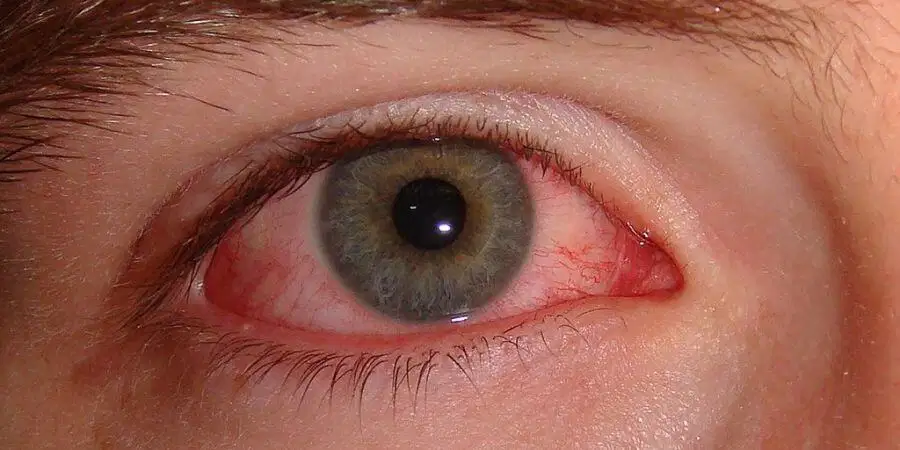
What is conjunctivitis commonly known as?
Red Eye
Stink Eye
Pink Eye
Side Eye
True/False: You must lose consciousness in order to have a concussion.
True
False

