
Font size
 Worksheets
Respiratory System Review
Total questions: 44
Worksheet time: 32mins
Which of the following structures is NOT part of the upper respiratory system?
Larynx
Trachea
Bronchial Tree
Sinuses
What is the role of the bronchial tree in the respiratory system?
It filters air entering the lungs
It transports air to the alveoli for gas exchange
It protects the lungs from external damage
It produces mucus to trap dust particles
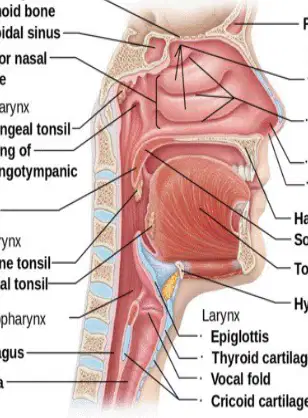
What is the role of the nasal septum in the upper respiratory system?
It traps dirt particles in the nose.
It divides the nose into right and left sides.
It increases the surface area of the nasal cavity.
It serves as the space behind the nose.
What is the function of the mucous membrane lining the sinuses?
To filter air
To warm and moisten the air
To produce sound
To store oxygen
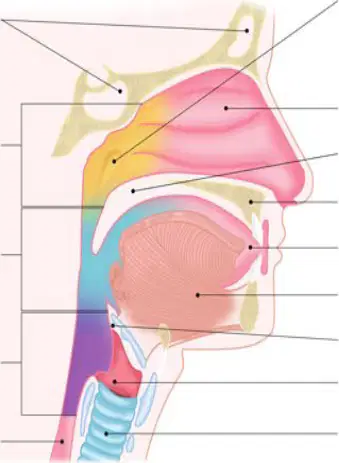
What is the pharynx commonly known as?
Throat
Nasal cavity
Esophagus
Trachea
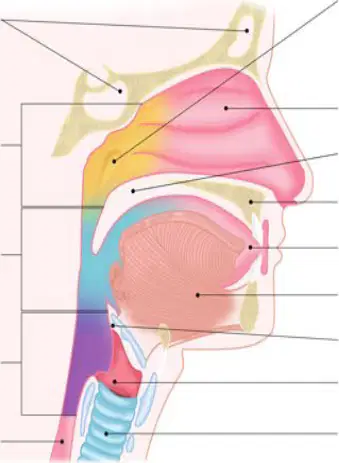
What is the primary function of the pharynx?
Passageway for air and food
Produces sound
Filters air
Absorbs nutrients
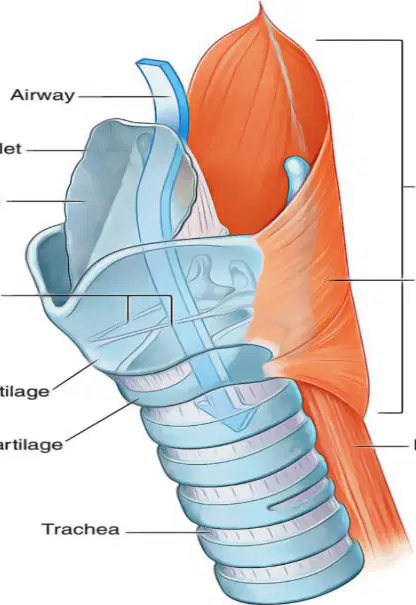
Which structure prevents food from entering the larynx during swallowing?
Thyroid cartilage
Vocal cords
Epiglottis
Trachea
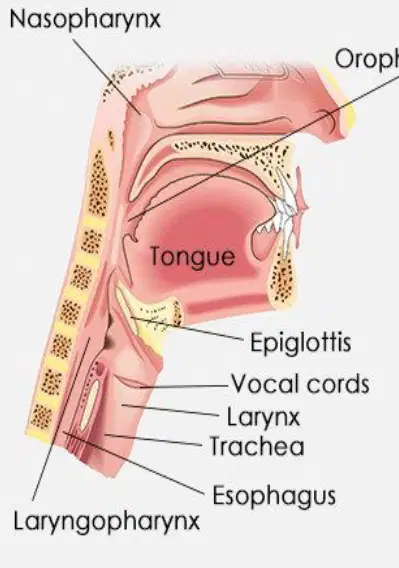
What structure is referred to as the 'Adam's Apple'?
Vocal cords
Cartilage in front of the neck region
Epiglottis
Tongue
What is the trachea composed of?
Solid bands of bone
C-shaped rings of hyaline cartilage
Flexible muscle tissue
Circular bands of fibrous tissue
Why are the C-shaped rings of hyaline cartilage important for the trachea?
They help the trachea produce mucus
They keep the trachea open for the passage of oxygen into the lungs
They allow the trachea to expand and contract during breathing
They prevent the trachea from collapsing during exhalation
Which structure does the trachea connect to at its lower end?
The alveoli
The diaphragm
The bronchi
The nasal cavity
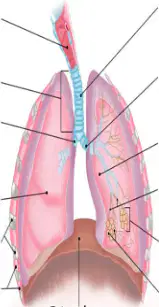
What is the function of the diaphragm in the lower respiratory system?
It divides the trachea into the right and left bronchi.
It separates the abdomen from the chest and allows inhalation and exhalation.
It lines the thoracic cavity.
It is a space found in the midline of the thoracic cavity.
What are alveoli in the lower respiratory system?
Cone-shaped organs that fill the thoracic cavity.
Globular air sacs found at the end of bronchioles.
Tubes that subdivide into smaller bronchioles.
The lining of the thoracic cavity.

What are the bronchi in the lower respiratory system?
They are cone-shaped organs that fill the thoracic cavity.
They are globular air sacs found at the end of bronchioles.
They are located at the lower end of the trachea and divide into the right and left bronchus.
They are the lining of the thoracic cavity.
What are the bronchial tubes responsible for in the lower respiratory system?
They divide the trachea into the right and left bronchus.
They enter the lungs and subdivide into bronchioles.
They are cone-shaped organs that fill the thoracic cavity.
They are globular air sacs found at the end of bronchioles.
What is the process called when oxygen is inhaled and carbon dioxide is exhaled during breathing?
External respiration
Internal respiration
Cellular respiration
Photosynthesis
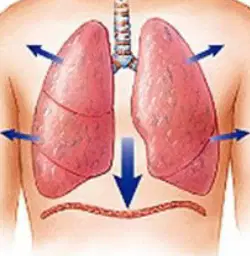
What happens to the diaphragm during inhalation?
It relaxes and moves upward.
It contracts and pulls down.
It remains stationary.
It expands and moves upward.
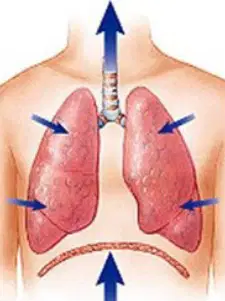
How many times does a normal adult breathe per minute?
5-10 times
12-20 times
25-30 times
30-40 times
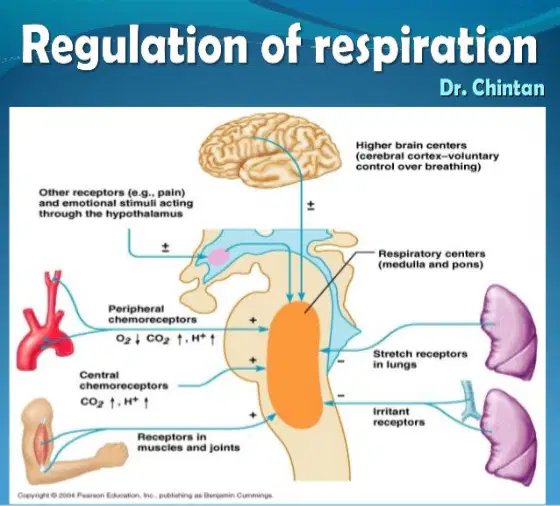
How do chemical factors compare to neural factors in the regulation of respiration?
Chemical factors regulate voluntary breathing, while neural factors regulate involuntary breathing.
Neural factors control the diaphragm, while chemical factors detect changes in blood gases.
Chemical factors detect changes in blood gases, while neural factors regulate the rate and depth of breathing.
Neural factors detect changes in blood gases, while chemical factors control the diaphragm.
What is the term for a sleep disorder in which breathing repeatedly stops and starts?
Tachypnea
Apnea
Cheyne-Stokes
Bradypnea
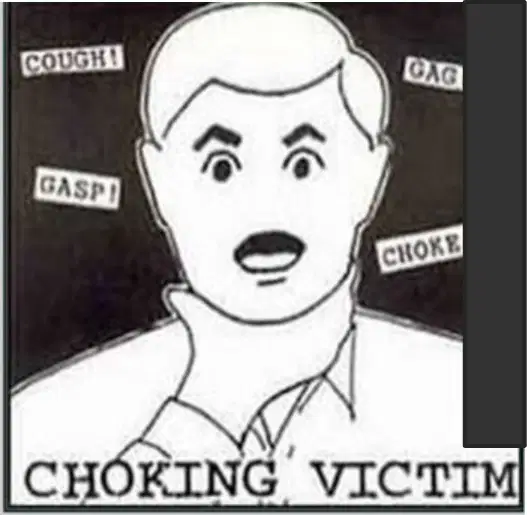
Which of the following best describes anaphylaxis?
A mild allergic reaction causing skin irritation
A serious allergic reaction that can be life-threatening
A condition caused by a foreign object in the throat
A bacterial infection in the respiratory system
What happens to the airway during severe asthma?
The airway becomes completely blocked.
The airway becomes inflamed, severely tightened, and produces excess mucus.
The airway becomes larger to allow more airflow.
The airway remains unaffected.
What does COPD stand for?
Chronic Obstructive Pulmonary Disorder
Chronic Obstructive Pulmonary Disease
Chronic Obstruction Pulmonary Dysfunction
Chronic Obstruction Pulmonary Disease
What is the common cold classified as?
A bacterial infection of the lungs
A viral infection of the nose and throat
A fungal infection of the respiratory system
An allergic reaction to dust
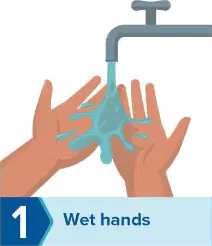
Which step is NOT part of the proper hand-washing procedure?
Wet hands
Apply soap
Shake hands to dry them
Use a towel to turn water off

Why is it important to use a towel to turn off the water after washing your hands?
To avoid wasting water
To prevent re-contaminating your hands
To dry the faucet
To clean the towel
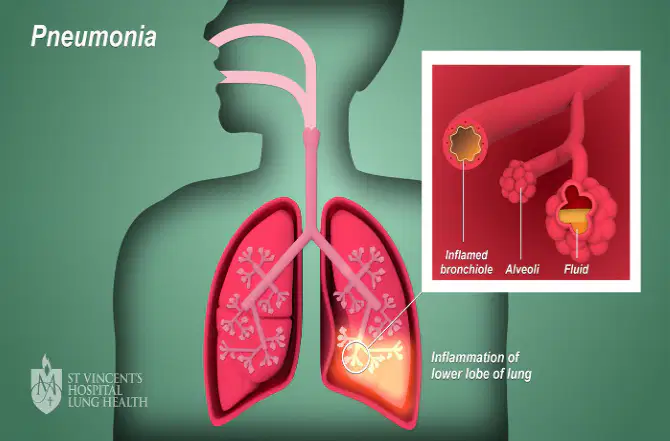
Which part of the respiratory system is affected by pneumonia?
The heart
The air sacs in the lungs
The stomach
The brain
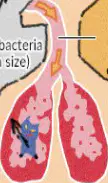
What happens to TB bacteria when they are destroyed inside the nasal passage or throat?
They multiply rapidly
They become inactive
They are unable to infect the healthy person
They cause immediate symptoms
The (a) is composed of the chambers of the internal nose that function
as a part of the upper respiratory system.
The (a) is the most posterior part of the pharynx. It is shared by the
respiratory system and the digestive system. The upper respiratory and upper digestive
tracts diverge right after this structure. The front of this structure merges with the triangular
entrance of the larynx.
The (a) conveys air between the upper and lower
respiratory structures.
The (a) is a portion of the pharynx that begins at the rear of the nasal
cavity and functions as an airway in the upper respiratory system. Its cavity always stays open,
unlike the other parts of the pharynx.
The (a) are two organs that are responsible for gas exchange.
The (a) are the major airways of the lower respiratory system.
The (a) are the main sites of gas exchange, where oxygen is brought into the bloodstream and carbon dioxide is removed.
The (a) is a portion of the pharynx that is shared by the respiratory system and the digestive system. It functions as an airway in the upper respiratory system.
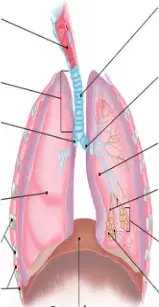
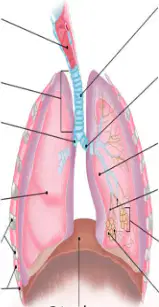
Identify the Bronchi.
Identify the trachea
Select the diaphragm
Match the following
bronchioles
Alveoli
Diaphragm
R Lung
L Lung
Nasal cavity
trachea
pharynx
larynx

Match the following
left main bronchus
F
right terminal bronchiole
H
left bronchiole
I
left terminal bronchiole
J
The bloodstream delivers oxygen to cells and removes waste carbon dioxide through (a) .
Inside the lungs, oxygen is exchanged for carbon dioxide waste through the process called
_________________. This respiratory process takes place through hundreds of millions
of microscopic sacs called _________.
(separate your answers with a comma)
(a)
Which nerve controls the diaphragm?
sciatic
phrenic
olfactory
trigeminal

