
 Worksheets
Presentation Objectives
Total questions: 33
Worksheet time: 33mins

Which objective focuses on distinguishing connection types in steel frames?
Sketch structural steel work connections
Explain the nature of a steel frame
Differentiate between a welded and bolted steel frame joint
Compare steel frames with other frames
Which components primarily make up steel frame buildings as described?
Horizontal steel beams and vertical columns welded in a rectangular grid
Timber studs and plywood sheathing
Reinforced concrete slabs and masonry walls
Precast concrete panels connected by cables
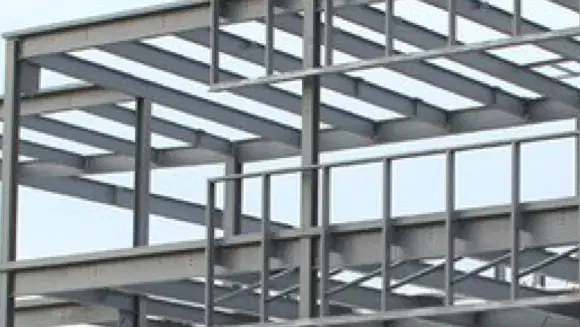
Based on the image of the partially constructed building, which statement best explains how loads are managed in steel frame construction?
Loads are carried by non-structural cladding while the frame is for aesthetics
Horizontal beams transfer loads to vertical columns which carry them to the foundation
Columns primarily support lateral loads while beams carry vertical loads to the façade
Loads are distributed equally by the roof panels to the ground
In bolted steel construction, what primary advantage makes it a preferred approach?
All fabrication must happen on-site, minimizing transport.
Members are fabricated and painted on-site before lifting.
Most fabrication can occur off-site in workshops, so on-site work is mainly lifting and bolting, making the process faster.
It eliminates the need for trucks or trailers to deliver elements.
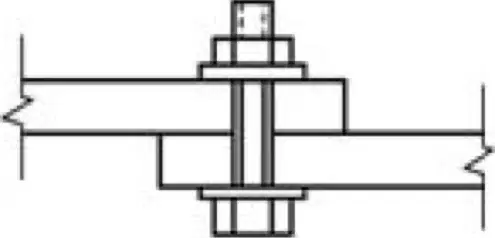
Which connection method in steel structures relies on threaded fasteners tightened with nuts to clamp members together, as depicted in the rightmost diagram?
Welding connection
Rivet connection
Bolt connection
Pin connection
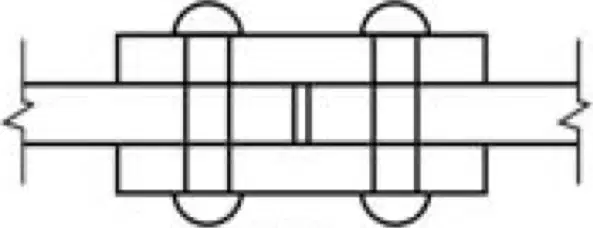
In the middle diagram, what mechanical element is primarily used to join the overlapping steel plates?
Bolts
Rivets
Weld beads
Pins
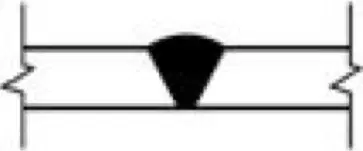
Which connection method creates a metallurgical bond without mechanical fasteners?
Bolt connection
Rivet connection
Welding connection
Pin connection
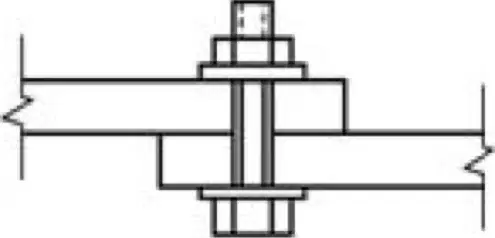
For rapid field assembly and easy disassembly, which steel connection method is most suitable?
Welding connection
Rivet connection
Bolt connection
Brazing
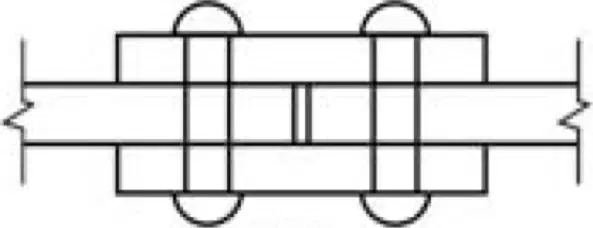
Which connection method typically requires heating a metal pin and forming heads to secure plates?
Bolt connection
Rivet connection
Welding connection
Adhesive bonding
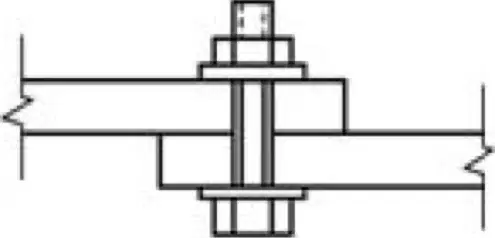
Which connection method is generally preferred when avoiding heat-affected zones in members?
Welding connection
Rivet connection
Bolt connection
Soldering
Which method is most likely used for permanent shop fabrication where joints are not intended to be taken apart?
Bolt connection
Rivet connection
Welding connection
Threaded inserts
On a jobsite crane lifting a long white beam, which connection method is most often used to secure temporary lifting lugs or plates to the beam for rigging without altering base metal properties?
Welding connection
Rivet connection
Bolt connection
Friction stir welding
When aligning a long girder during hoisting, which connection method facilitates quick adjustments before final tightening?
Welding connection
Rivet connection
Bolt connection
Thermal pinning
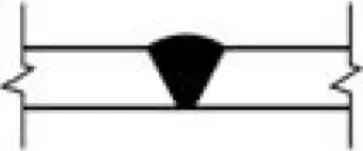
Which method would require controlling preheat and interpass temperature to ensure joint quality?
Bolt connection
Rivet connection
Welding connection
Mechanical clamping
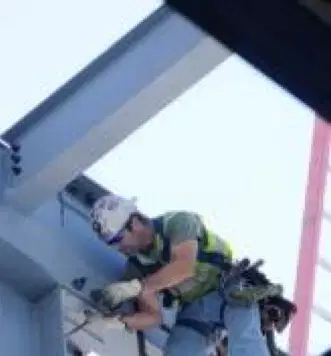
In steel erection, which method typically uses calibrated torque or tensioning to achieve design clamping force?
Welding connection
Rivet connection
Bolt connection
Soldering
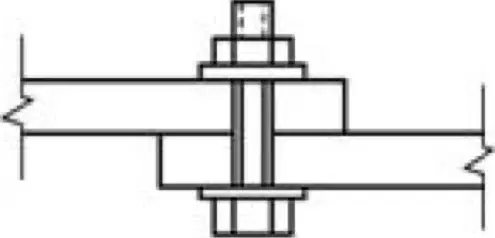
What is the primary function of washers in the bolted joint shown in the rightmost diagram?
Increase electrical conductivity
Distribute load and protect surfaces
Create a metallurgical bond
Form a second head by deformation
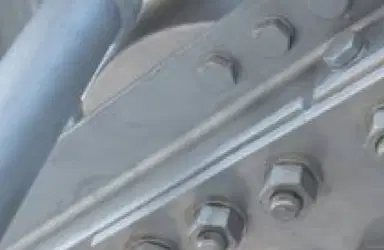
When connecting a beam to a column using splice plates and multiple fasteners, which method is depicted in the right-side photo with many nuts?
Welding connection
Rivet connection
Bolt connection
Pin connection
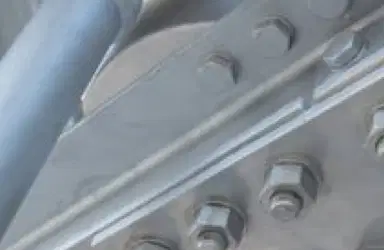
Compared to welding, which method generally simplifies inspection through visual verification of hardware and torque marks?
Rivet connection
Bolt connection
Adhesive bonding
Pin connection
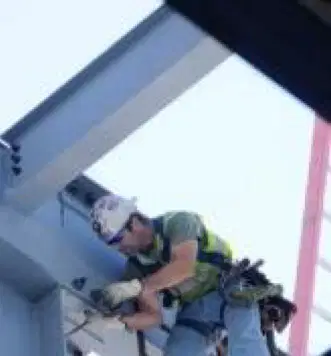
For minimizing site fire risk during erection, which connection method is preferred?
Welding connection
Rivet connection
Bolt connection
Thermite joining

In the left diagram, the filled triangular area represents which specific weld type commonly used for T-joints and lap joints?
Butt weld
Fillet weld
Plug weld
Seam weld
If a structural joint must be frequently dismantled for maintenance, which method from the visuals is most appropriate?
Welding connection
Rivet connection
Bolt connection
Brazing
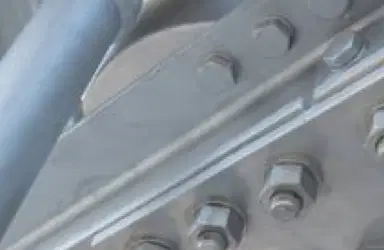
In modern high-strength structural bolting, achieving the correct clamping force is commonly verified by which approach?
Visual inspection of weld bead color
Measuring rivet head diameter
Using a calibrated torque or tensioning method
Counting the number of washers
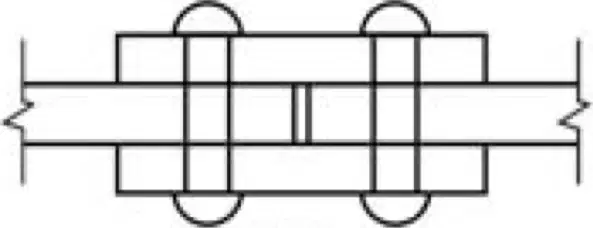
Which connection method is depicted where the fastener heads are formed and not threaded?
Bolt connection
Rivet connection
Welding connection
Screw connection

In the rightmost diagram, which component applies compressive clamping force when tightened?
Rivet shank
Weld bead
Nut on threaded bolt
Clevis pin
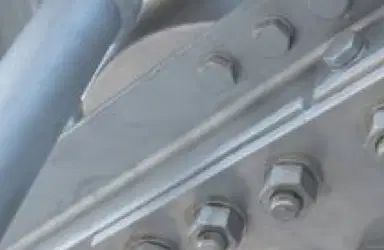
For a connection subjected to vibration and requiring easy inspection and tightening, which method from the photos is most appropriate?
Welding connection
Rivet connection
Bolt connection
Brazing
Which statement best describes portal steel frame buildings as shown?
They are rarely used in construction due to complex fabrication.
They are the most common structural system for light steel buildings such as warehouses, workshops, sheds, and garages.
They are primarily used for high-rise concrete towers.
They rely exclusively on timber connections for stability.
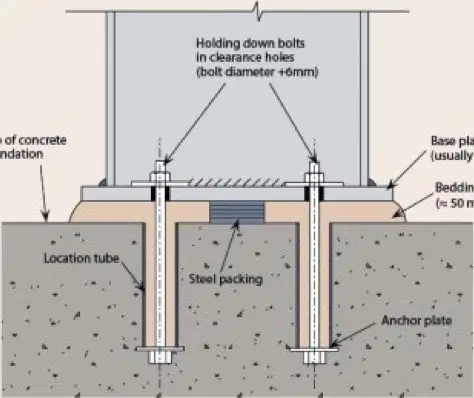
When designing the footing for a portal frame building, what must be incorporated based on the site soil conditions?
Timber dowels
Plastic spacers
J bolts
Aluminum rivets
Which statement best defines a wood frame structure based on the instructional material?
A building whose primary structural elements are light wood studs and joists
A building made entirely of reinforced concrete columns and beams
A structure relying on steel framing with masonry infill
A building where walls are non-load-bearing and constructed from glass
In typical residential wood frame wall construction, studs are most commonly spaced at which intervals?
8" to 12"
12" to 16"
16" to 24"
24" to 36"
Which of the following is listed as an advantage of wood frame structures?
Wood rot
Structural limitations
Simplicity of construction
Fire risks
Which connection method is most effective for minimizing structural distortion during assembly?
Welding connection
Rivet connection
Bolt connection
Adhesive bonding
What is the primary benefit of using bolted connections in seismic-resistant structures?
They require less skilled labor for installation.
They are less expensive than welded connections.
They allow for greater flexibility and movement during seismic events.
They provide a permanent bond that cannot be disassembled.
In structural engineering, which connection type is preferred for temporary structures due to ease of disassembly?
Rivet connection
Bolt connection
Pin connection
Welding connection

