
 Worksheets
MEDOPS UNIT 1 OBJECTIVES EXAM
Total questions: 92
Worksheet time: 47mins
Which burn classification involves damage limited to the epidermis only?
Superficial
Partial Thickness
Full Thickness
Subcutaneous
A burn that affects both the dermis and epidermis is best classified as which of the following?
Superficial
Partial Thickness
Full Thickness
Fourth-degree

During triage, a patient presents with tissue damage that extends through the subcutaneous layer and all layers above. Which classification should guide your first-aid planning for this life-threatening condition?
Superficial burn
Partial Thickness burn
Full Thickness burn
Thermal irritation

When treating burns in a disaster medical context, which goal directly addresses the risk of the body losing heat?
Manage pain
Prevent hypothermia
Reduce risk of infection
Increase circulation
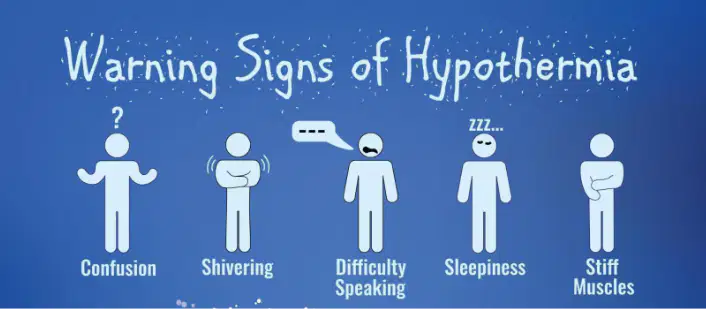
Which set lists warning signs associated with hypothermia as suggested alongside burn treatment considerations?
Confusion, shivering, difficulty speaking, sleepiness, stiff muscles
Fever, rash, nausea, vomiting
Rapid heartbeat, sweating, thirst
Itching, sneezing, watery eyes
A CERT responder treating burns should prioritize which combination of actions?
Prevent hypothermia, manage pain, reduce infection risk
Elevate limb, apply tourniquet, encourage movement
Administer antibiotics, perform CPR, give fluids
Apply ice directly, remove blisters, scrub wound
Depth of burn is one of the factors affecting severity. Which reasoning best explains why depth matters?
Deeper burns damage more tissue layers, increasing severity
Depth determines how quickly pain subsides
Depth indicates the time since injury
Depth predicts infection is impossible
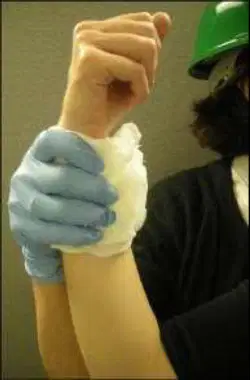
In wound care, what is the main treatment priority before applying dressings?
Administer antibiotics
Control bleeding
Remove all debris surgically
Apply ice
What is the correct sequence emphasized for dressing a wound?
Apply bandage, then dressing
Apply dressing directly to the wound, then secure with bandage
Clean with alcohol, then leave uncovered
Apply ointment and avoid bandaging
Which statement best aligns with CERT priorities for treating life-threatening conditions when encountering a burn victim showing confusion and shivering?
Focus only on pain and ignore temperature concerns
Address hypothermia risk while managing pain and infection control
Encourage physical activity to warm the patient quickly
Delay any treatment until professional help arrives
A responder observes a leg burn covering a large area with blistering after long exposure. Based on listed factors, which conclusion is most supported?
The burn is likely minor due to location
Severity is increased by size, exposure time, and potential depth
Severity depends only on pain level
Only temperature matters in determining severity
Which indicator most strongly suggests life-threatening bleeding that needs immediate control?
Slow oozing from a superficial scrape
Pulsing or spurting blood that is bright red
Minimal bleeding that stops after a few minutes
Bruising without an open wound
Arterial bleeding is best described as:
Dark, steady flow that may pool
Bright red blood that spurts or pulses with each heartbeat
Slow, oozing from the skin surface
Clotted blood that stops quickly without pressure
Venous bleeding typically appears:
Bright red and spurting
Dark red with a steady flow
Clear fluid with red streaks
Yellowish discharge
Capillary bleeding is characterized by:
Rapid spurting from deep vessels
Steady dark flow
Slow oozing from the skin surface
No visible blood loss
Which sign is NOT typically an indicator of life-threatening bleeding?
Blood soaking through clothing or bandages quickly
Loss of responsiveness with pale, cool skin
Small superficial abrasion with minimal oozing
Difficulty breathing due to blood loss
In the early stage of severe bleeding (Class I), the expected physiological response is most likely:
No change in vital signs with minimal blood loss
Marked drop in blood pressure and confusion
Severe tachycardia and very weak pulses
Profound respiratory distress
As bleeding progresses to more severe stages, which trend is expected?
Heart rate decreases while skin becomes warm and dry
Heart rate increases and skin becomes cool, pale, and clammy
Blood pressure increases steadily
Mental status becomes more alert
If there is no active bleeding after applying a dressing, what should be done?
Remove the bandage to allow airflow
Maintain pressure and keep the wound bandaged until medical care is available
Apply ice directly to the wound
Replace the bandage every five minutes
Which of the following is a sign of possible wound infection?
Swelling around the wound site
Clear skin with no color changes
Dry skin without discharge
Immediate cessation of pain
When an amputated body part is found, which step is correct?
Place the part directly on ice to cool it quickly
Wrap the part in clean material, put it in a plastic bag, and keep it cool (not directly on ice)
Rinse the part under running water and leave it at the scene
Keep the part warm next to the skin
Why should tissue parts not be placed directly on ice?
It increases risk of infection immediately
Direct ice contact can damage tissues, reducing chances of successful reattachment
Ice makes the part too heavy to transport
Ice disguises the part's identity
In managing an amputation, where should the severed part be kept?
With the survivor
In a separate transport vehicle
Left at the scene for retrieval later
In a warm environment to encourage blood flow
A patient presents with red streaks extending from a wound, swelling, and discharge. Based on the indicators provided, what is the best next step?
Ignore the signs; they are normal healing
Apply pressure and continue bandaging without seeking help
Recognize these as signs of possible infection and seek further medical treatment
Remove all dressings to expose the wound
Which step should be performed first when using direct pressure to control bleeding?
Cover the wound with a clean dressing
Maintain firm pressure over the wound
Find the exact source of bleeding
Elevate the injured limb above the heart
During direct pressure, why is it important to maintain constant pressure once the wound is covered?
It prevents infection by keeping air away
It helps blood clotting and reduces further bleeding
It reduces pain by numbing the area
It ensures the dressing stays clean

You are uncertain whether an injury is a sprain, strain, dislocation, or fracture, and bleeding is present. Which approach best aligns with safe first aid using direct pressure?
Avoid touching the wound until diagnosis is confirmed
Immobilize the area and joints above and below, then apply direct pressure to control bleeding
Attempt to realign the limb before applying pressure
Only elevate the limb without applying pressure
Which statement best distinguishes an open fracture from a closed fracture?
Open fractures do not break the bone
Open fractures have bone protruding through the skin
Closed fractures involve multiple bones
Closed fractures always require surgery
In an open fracture, which immediate action is appropriate?
Irrigate the wound vigorously
Push the exposed bone end back into the tissue
Cover the wound with a sterile dressing and splint without disturbing the wound
Leave the wound uncovered to air-dry
Which scenario describes a displaced fracture compared to a nondisplaced fracture?
The fractured bone remains aligned
The fracture does not puncture the skin
The fractured bone is no longer aligned
The bone protrudes through the skin
Which option correctly lists the four basic steps to control external bleeding in a first-aid scenario?
Apply direct pressure, elevate the injured area, apply pressure bandage, monitor for shock
Rinse with water, apply ice, elevate, call for help
Immobilize the limb, remove embedded objects, apply tourniquet first, give fluids
Massage the area, apply heat, elevate, splint tightly
When applying a tourniquet to control severe bleeding on an arm or leg, where should you place it in relation to the wound?
Directly over the wound
Two inches above the wound
Between the wound and the heart, above the wound
At the wrist or ankle only
Which step is essential to ensure a tourniquet stays secure and effective after tightening?
Cover it completely with a bandage
Record the time of application, lock it in place and do not remove it
Loosen it every 5 minutes to check circulation
Place ice over the tourniquet
What is the correct action if heavy bleeding continues after the first tourniquet is applied and tightened properly?
Remove the first tourniquet and try a different device
Add a second tourniquet above the first one
Move the tourniquet below the wound
Loosen the tourniquet until bleeding slows
Which statement best describes how tight a tourniquet should be?
Tight enough to stop arterial bleeding; no distal pulse should be felt
Snug but comfortable for the patient
Tight enough to reduce pain
Only tight enough to stop venous bleeding while maintaining a pulse
Before applying a tourniquet, what should you do to manage the wound?
Rinse with water only
Apply direct pressure using a clean dressing
Elevate the limb and avoid any pressure
Apply ointment to the wound
Where should the windlass or tightening mechanism be positioned when securing a commercial or improvised tourniquet?
On the inside crease of the elbow or knee to maximize leverage
Over a joint to increase pressure
On a firm section of the limb away from a joint so it can be locked and secured
Underneath clothing to prevent exposure
Which finding most directly indicates poor perfusion when assessing for shock?
Warm, dry skin
Capillary refill time greater than 2 seconds
Fast capillary refill under 1 second
Normal mental status
During rapid triage for potential shock, which observation most strongly suggests declining cerebral perfusion?
Ability to follow all commands
Failure to follow commands
Capillary refill under 2 seconds
Elevated body temperature
A patient presents with pale, cool, clammy skin and delayed capillary refill. What is the most appropriate initial interpretation?
These signs are typical of dehydration only
They are consistent with shock and warrant immediate attention
They confirm hypothermia exclusively
They indicate normal circulation
When diagnosing shock in the field, why is relying on a single sign discouraged?
Shock cannot occur without a fever
Individual signs can be subtle or nonspecific; diagnosis requires a cluster of findings like delayed capillary refill and mental status changes
Capillary refill is never useful
Only laboratory tests can diagnose shock
Which action should you take first to help a hypothermic patient reduce heat loss?
Massage their limbs to improve circulation
Remove wet clothing to prevent further cooling
Give cold water to keep them hydrated
Have them walk around to generate heat
When insulating a hypothermic patient from the ground, what is the recommended step?
Place a heating pad directly on the skin
Put something under the patient to reduce conductive heat loss
Sit the patient upright to improve breathing
Leave the patient on bare ground to avoid movement
A patient with suspected hypothermia is unconscious. What is the appropriate positioning according to emergency care guidelines?
Supine with legs elevated
Prone with head turned to the side
Place in the recovery position
Seated with back supported
Which practice is NOT recommended when treating hypothermia?
Keep the patient sheltered and/or covered
Wrap with dry layers to shield from wind
Do not attempt to use massage
Actively massage extremities to warm them
Which structure is part of the upper airway that helps prevent food from entering the trachea when swallowing?
Epiglottis
Alveoli
Diaphragm
Aorta
Pleura
An open airway for a conscious patient is best indicated by which sign?
Normal speech in full sentences
Gasping with high-pitched sounds
Bluish discoloration of lips
No chest movement
Visible retractions at the neck
Which finding most clearly indicates an obstructed airway in a conscious person?
Quiet, effortless breathing
Hoarse whispering voice only
Snoring that stops when awake
Stridor or wheezing on inspiration
Regular chest rise and fall
For a responsive, conscious adult with no suspected spinal injury, what is the preferred position to maintain an open airway?
Sitting upright with chin slightly lifted
Supine with chin on chest
Prone with head turned to the side
Trendelenburg position
Knees-to-chest position
Which action should be avoided when managing the airway of a conscious patient with possible neck trauma?
Maintain manual in-line stabilization
Use jaw-thrust maneuver
Apply head-tilt/chin-lift
Monitor breathing and color
Keep the patient as still as possible
A conscious patient is leaning forward and speaking in short phrases. What does this most likely indicate about their airway status?
Airway is fully open and adequate
Partial obstruction or respiratory distress
Total obstruction present
They are hyperventilating without airway compromise
No need for further assessment
Which sequence reflects a basic airway assessment in a conscious patient?
Look, listen, and feel for breathing effectiveness
Insert an airway device immediately
Provide rescue breaths first
Apply cervical collar before checking responsiveness
Begin chest compressions
Which sign differentiates a complete airway obstruction from a partial obstruction in a conscious adult?
Cyanosis with weak cough
Ability to speak but with hoarseness
Presence of stridor while breathing
Inability to speak or cough with silent airway
Increased respiratory rate
When assisting a conscious patient to maintain an open airway, which body position generally helps the diaphragm work most effectively?
Sitting or semi-Fowler’s
Supine with legs elevated
Prone
Trendelenburg
Left lateral only
Which positioning is recommended for an unconscious patient who is breathing normally to help maintain an open airway and prevent aspiration?
Supine with chin tilted far back
Recovery position on the side
Sitting upright with head down
Prone with face down
What is the primary purpose of placing an unconscious patient in the recovery position?
To increase blood pressure
To keep the airway open and allow fluids to drain
To immobilize the spine
To stop external bleeding
During the recovery position, which of the following helps prevent the tongue from blocking the airway?
Flexing both knees
Keeping the head tilted on the side resting on the patient's arm
Placing a pillow under the chest
Binding the jaw closed
When should the jaw-thrust maneuver be preferred over the head-tilt chin-lift?
When spinal injury is suspected
When the patient is seated
When the patient is vomiting
When the patient is a child
Which fingers are used to perform the jaw-thrust maneuver correctly?
Thumbs placed on the chin and index fingers behind the ears
Index and middle fingers behind the angle of the jaw, with thumbs on the cheeks
Ring fingers under the tongue and thumbs lifting the chin
Thumbs inside the mouth and fingers on the forehead
What is the correct action after opening the airway with a jaw-thrust in an unconscious patient who is not breathing?
Immediately give water
Begin rescue breathing according to local guidelines
Place in a seated position
Secure the jaw closed
Why is excessive head tilt avoided when positioning an unconscious patient?
It may worsen bleeding
It can obstruct venous return from the brain
It may compromise a suspected cervical spine injury
It prevents saliva from draining
Which statement best describes the recovery position’s leg placement to stabilize the patient?
Both legs straight to allow rolling
Top leg bent at the knee with hip flexed to prevent rolling
Bottom leg crossed over the top leg
Both knees tightly together
When clearing visible airway obstructions from an unconscious patient, what is the safest approach?
Blind finger sweep
Use gloved fingers to remove visible objects only
Pour water into the mouth to wash debris away
Tilt the head forward and shake gently
Which sign indicates that the recovery position is effectively maintaining the airway?
Drooling increases and breathing becomes noisy
Chest rises and falls smoothly with regular breathing
Skin becomes pale and clammy
Pulse becomes irregular
What is the best way to position the patient’s lower arm during the recovery position to protect the face?
Straight out from the body with palm up to act as a cushion
Folded across the chest
Behind the back
Bent under the torso
Which action helps maintain an open airway once a patient is in the recovery position?
Keep the mouth closed tightly
Ensure the mouth is slightly open and facing downward
Place a cloth over the mouth
Rotate the head downward only when vomiting occurs
In a role-play scenario where the patient is unconscious but breathing, what is the primary purpose of placing them in the recovery position?
To improve blood circulation to the brain
To keep the airway open and allow fluids to drain
To reduce body temperature
To immobilize suspected fractures
During recovery position practice, which initial action should you take before moving the patient?
Check responsiveness and breathing
Call for a stretcher
Give water
Apply a tourniquet
When preparing to roll an unconscious, breathing person, where should you place the arm nearest to you?
Straight down by the side
Across the chest
Raised above the head at a right angle
Behind the back
In the recovery position, what should the top leg be doing?
Both legs straight
Top leg bent at the knee to stabilize the body
Top leg crossed under the bottom leg
Top leg elevated on a cushion
Which hand placement helps keep the airway open when rolling into the recovery position?
Hand under the cheek
Hand on the forehead pressing back
Hand gripping the shoulder tightly
Hands clasped over the abdomen
What is a key indicator that the recovery position is correctly achieved?
The patient is face down
The patient is on their back with chin tucked
The head is tilted back and mouth angled downward
The knees are locked together
In practice, why should rescuers communicate steps aloud when placing someone in the recovery position?
To impress bystanders
To coordinate actions and ensure safety
To distract the patient
To reduce time spent on the rescue
Which scenario calls for the recovery position rather than CPR?
Unconscious and not breathing
Conscious and bleeding
Unconscious but breathing normally
Choking with severe airway blockage
If the person vomits during the roll, what advantage does the recovery position provide?
Prevents vomiting
Allows vomit to drain out and reduces aspiration risk
Stops breathing problems entirely
Heals the stomach quickly
When practicing the recovery position, what should the rescuer avoid doing to the neck?
Tilting slightly back to open airway
Twisting or hyperextending the neck
Supporting the head with a hand
Checking for spinal alignment
Why is bending the top knee important in the recovery position?
It increases circulation
It prevents the patient from rolling onto their stomach or back
It reduces pain
It indicates consciousness
In a recovery position practice, what should you do after placing the person in position?
Leave them alone
Continuously monitor breathing and responsiveness
Give food
Sit them upright
Which side should you roll a patient onto during the recovery position?
Always right side
Always left side
Either side depending on the situation
Prone position
During role-play practice, what is the safest way to roll the patient?
Pulling by the wrist
Rolling as a unit while supporting the head and neck
Dragging by the ankles
Lifting by the shoulders only
In the recovery position, where should the patient’s mouth be oriented?
Upward toward the ceiling
Downward to allow drainage
Straight ahead
Covered by a cloth
When practicing with a partner, what command indicates readiness to roll?
Ready, set, roll
On my count: 1-2-3, roll
Begin immediately without counting
Wait for a bystander’s signal
If you suspect a spinal injury, what is the best approach regarding the recovery position?
Avoid moving unless airway is compromised
Proceed quickly without support
Place the patient face down
Sit the patient upright
What is the correct head tilt in the recovery position to maintain airway patency?
Neutral with chin up slightly
Chin tucked tightly
Head turned downward with chin slightly lifted
Head turned upward with chin down
In a practice scenario, what should you check immediately after the roll?
Pulse at the wrist only
Breathing sounds and chest rise
Skin temperature
Capillary refill
Which statement best describes the recovery position?
A seated posture for conscious patients
A side-lying posture designed to protect the airway
A prone posture for spinal alignment
A supine posture to prepare for CPR
When your friend is bleeding, what is the next step after putting on gloves?
put on a bandaid
wash out the cut
apply pressure
use ice
In most cases, what is the best way to control bleeding?
Dress the wound.
Apply direct pressure to the wound.
Have a doctor apply stitches.
Elevate the wound above the heart.
Uncontrolled bleeding is the _________ cause of preventable death from trauma in the United States.
Number one
second leading
least likely
third leading
Uncontrolled bleeding is_________.
blood that is spurting out of a wound
blood that is actively pooling on the ground
active bleeding soaking through the dressing
blood that won't stop coming out of the wound
all of the above
A person is hemorrhaging from the left forearm. Your first action is to
lower the arm.
apply pressure to the brachial artery.
apply direct pressure to the wound.
tape the dressing in place.

