
 Worksheets
Respiratory & Circulatory Sys. - Healthy habits - Screen Time
Total questions: 108
Worksheet time: 3hrs 30mins
Where in the body are carbon dioxide and oxygen exchanged?
body cells
heart
lungs
blood vessels
Select all the ways people get energy and nutrients
Eat healthy foods
exercise and playing
getting plenty of rest
breathing clean air
Which 2 body systems function together to move oxygen throughout the body?
circulatory and
digestive
digestive and nervous
nervous and skeletal
respiratory and circulatory
Which system breaks down foods and liquids into smaller pieces, moves food through the body, and absorbs nutrients through foods and liquids
circulatory
digestive
muscular
respiratory
Blood vessels that carry blood away from the heart
circulatory system
arteries
veins
capillaries
Vessels that carry blood back to the heart
circulatory system
arteries
veins
capillaries
The blood vessels, heart, and blood
circulatory system
arteries
vessels
capillaries
The part that makes up most of our blood vessels
circulatory system
arteries
veins
capillaries
Thick tissue wall that separates the left and right sides of the heart
atria
ventricles
valve
septum
Upper chambers of the heart
atria
ventricles
valve
septum
Lower chambers of the heart
atria
ventricles
valve
septum
About how large is your heart?
size of ankle
size of foot
size of fist
size of wrist
The human heart has ____ chambers.
1
2
3
4
The heart is made up of _______ tissue.
brain
skin
muscle
bone
Blood is made in your __________.
heart
brain
feet
bones
Arteries carry blood __________
to the heart
away from the heart
Veins carry blood _________
to the heart
away from the heart
What makes the heartbeat sound?
the heart getting squeezed
you breathing air
valves opening and closing
eating
To keep your heart healthy....
eat lots of doritos
sitting on the couch watching tv all day
walking or playing outside
being an angry, unforgiving person
The circulatory system's job is to carry ______ and ________ to all parts of your body.
gas, cells
cells, blood
oxygen, nutrients
platelets, white blood cells
The circulatory system also carries ____________ (a waste gas) away.
oxygen
carbon dioxide

The right side of the heart pumps oxygen poor blood.
True
False

The left side of the heart pumps what type of blood?
Oxygen poor blood
Oxygen rich blood
Mixed blood

The upper part of each side of the heart is called
Ventricle
Artery
Atrium
Vessel

The lower part of each side of the heart is called
Atrium
Artery
Ventricle
Vein

The right side of the heart pumps blood to the ________
body
lungs
brain
legs

The left side of the heart pumps blood to the _________
Body
Lungs
Brain
Legs

The blood that comes from the body enters the heart at the___________
Ventricle
Artery
Atrium
Vessel

The blood leaves the heart at the _____
Ventricles
Atrium
Valve
Capillaries

Arteries carry oxygenated blood from the heart to all parts of the body.
True
False

Veins carry oxygenated blood from the body to the heart.
True
False

These are parts of the circulatory system
The heart
The bones
The blood
The veins and arteries
What is the main organ of the circulatory system?
The lungs
The skin
The brain
The heart

What are the three types of blood vessels of the body?
Arteries
Vessels
Capillaries
Veins
Which one of the following foods is healthy for your heart?


Which activity is best to make your heart healthy?


Select all the fruits.


Select all the vegetables.


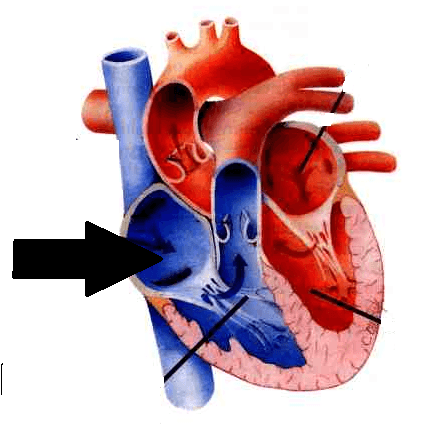
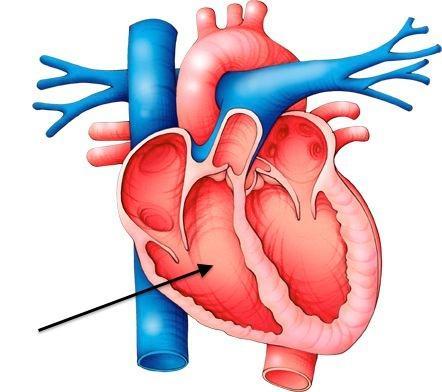
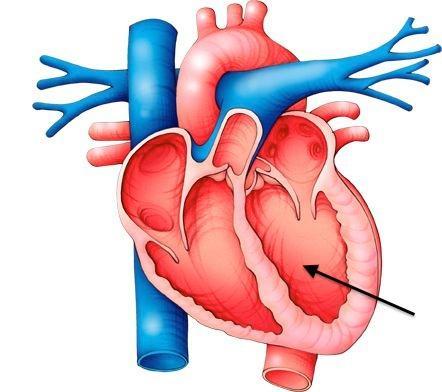


Number 8 is the ____________.
bicuspid valve
septum
pulmonary veins
right atrium

Number 2 is the _____________.
superior vena cava
inferior vena cava
tricuspid valve
left ventricle

Number 6 is the ____________.
superior vena cava
inferior vena cava
right atrium
left atrium
What is the 1st step in the Respiratory system
mouth
nose
mouth & nose
the eye
When you breathe "in", you take in
carbon dioxide
oxygen
nitrogen
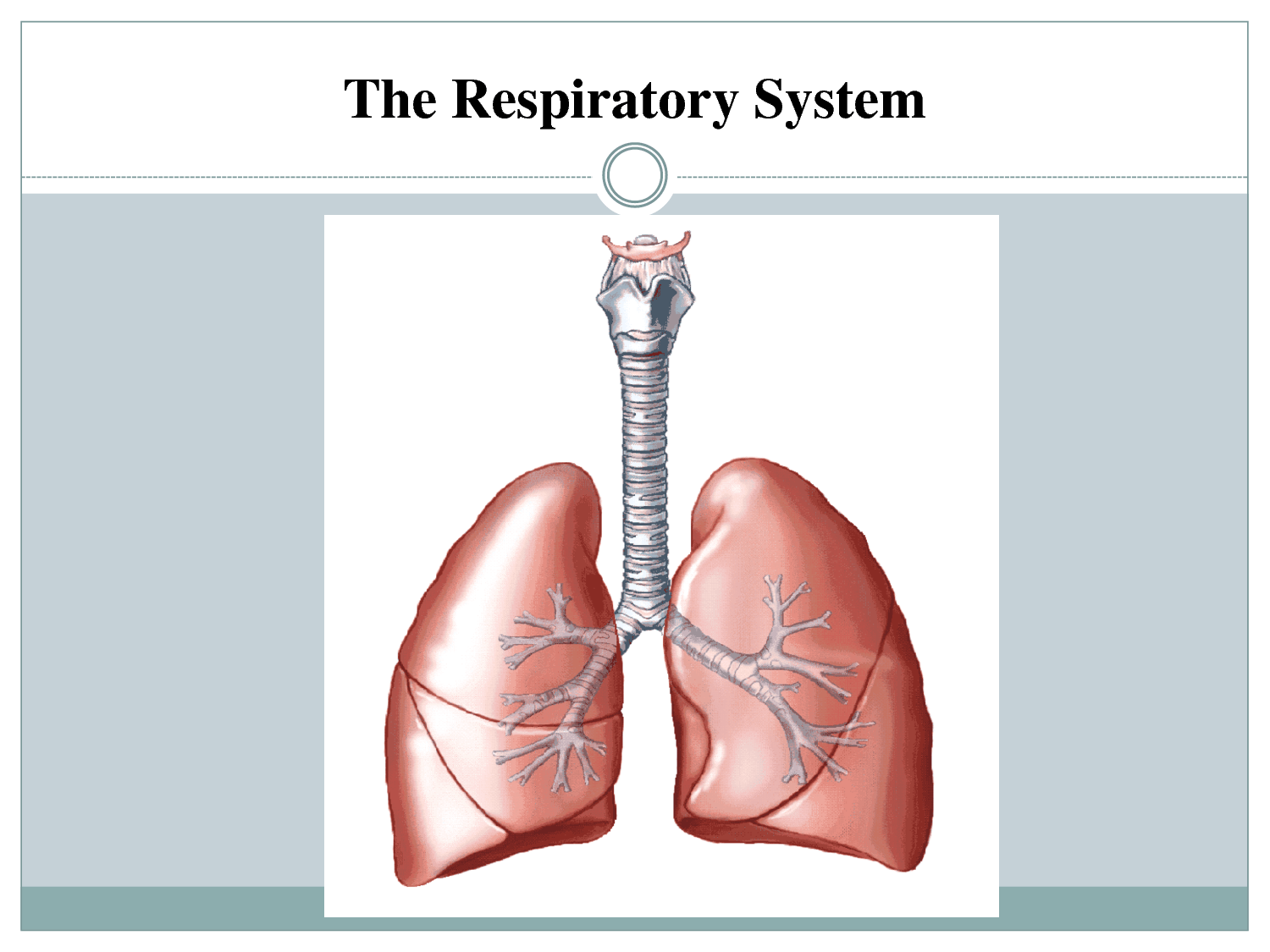
The Main tube that takes air to your lungs
bronchi
bronchioles
trachea
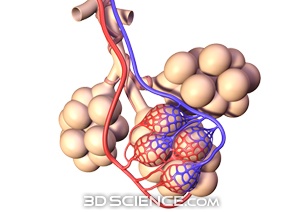
air sacs
What is the Scientific Name for Air Sacs
bronchi
alveoli
bronchioles
trachea
The tubes that lead into each lung
trachea
bronchi
bronchioles
air sacs
What type of air to we breath "out"
carbon dioxide
oxygen
nitrogen
The tiny, thin, hair like tubes in the lungs are
the trachea
the bronchi
the bronchioles
the alveoli
Where does the oxygen get into the blood?
the trachea
the bronchi
the bronchioles
the alveoli
Oxygen is transferred in the air sacs THROUGH THE
capillaries
bronchi
Lungs
What are the main organs in the Respiratory System?
Windpipe
Nose
Mouth
Lungs
Large, dome like muscle under your lungs
Lungs
Trachea
Diaphragam
Alveoli
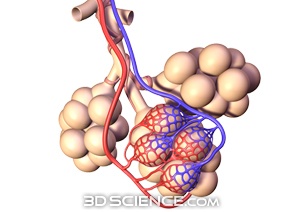
The only externally visible part of the respiratory system
Eyes
Nose
Pharynx
Larynx

NUMBER 1:
lungs
pharynx
mouth
alveoli
NUMBER 1:
lungs
pharynx
mouth
alveoli

NUMBER 6:
Lungs
Trachea
Mouth
Alveoli

NUMBER 3:
Pharynx
Trachea
Bronchi
Alveoli

Do exercises.
Healthy
Unhealthy

Drinking to much soda
Healthy
Unhealthy

Drinking water is good for you.
Healthy
Unhealthy

Eating salads
Healthy
Unhealthy

Eating fruits
Healthy
Unhealthy

Eating to much junk food
Healthy
Unhealthy

Eating in front of the computer.
Healthy
Unhealthy

Eating in front of TV.
Healthy
Unhealthy

Drinking natural juices
Healthy
Unhealthy

It is good to have a balanced diet.
True
False

YOU SHOULD WASH YOUR HANDS WITH ?
BUTTER & MILK
SOAP & WATER
YOU SHOULD GO TO BED AT THE SAME TIME EVERY NIGHT
YES
NO
WHICH ONES ARE EXERCISES ?
Running and Walking
eating and sleeping
IS IT IMPORTANT TO SET GOALS ?
NO
YES
What is a good habit for sleep?
Sleeping at least 8 hours is a good habit.
Sleeping at least 10 hours is a good habit.
Sleeping with the lights on is a good habit.
Sleeping after consuming caffeine is a good habit.
What is a good way to stay active?
Playing outside or doing sports is a good way to stay active.
Watching TV for exercise.
Sitting at a desk all day.
Eating junk food regularly.
What is a healthy snack?
Chips or candy
Fruits or nuts
Cookies or cake
Ice cream or soda
How many meals should you eat each day?
One meal
Two meals
Three meals
Four meals
What is a bad habit related to sleep?
Sleeping less than 10 hours is a bad habit.
Sleeping more than 10 hours is a bad habit.
Taking naps during the day is a bad habit.
Drinking coffee before bed is a bad habit.
What do you need to wash before eating?
Your hands.
Your face.
Your fruits.
Your dishes.
What should you do if you have a toothache?
You should see the dentist.
You should ignore it and wait for it to go away.
You should take painkillers and hope for the best.
You should brush your teeth more often.
What is a good habit for keeping your teeth healthy?
Brushing your teeth twice a day.
Eating candy frequently.
Skipping dental check-ups.
Drinking soda regularly.
What do you need to do to stay healthy?
Eat healthy foods and exercise.
Only eat fruits and vegetables.
Avoid all fats and sugars.
Take vitamins and supplements only.
How many hours a day do scientists
1 Hour
Not hours just 30 minutes
3 Hours
2 Hours
What does a screen project that can make it hard to sleep?
Blue light
Light
Red light
Nothing
What can you do so the screen does not effect you? (pick two)
Nothing
Don't go on your screen 30 or more hours before bed
Change the color of the screen
Get of the screen 3 minuets before bed
Witch amount of screen time is too much
3 hours
4 hours
2 hours 30 minutes
What can effect your sleeping habits
blue light
light
reading on screens
changing the color of screens
what are screens? pick all that you think
TV
Phone
IPad
Computer

Which sentence tells you the article's main idea?
Oscar Korson spends too much time on screens.
There's no escape from using screens.
Screens have the power to connect people.
Kids should balance screen time with time spent doing other things.
Which is an example of excessive screen use?
texting a friend to ask about homework
staying up all night playing video games
laughing at a cat meme
watching a movie with your parents

cold
stomach-ache
earache
have a dream

cold
cough
temperature
see the doctor

cough
cold
headache
take some medicine

ill
toothache
stomach-ache
cough

ill
temperature
see the doctor
take some medicine

temperature
toothache
stomach-ache
headache

temperature
cough
stomach-ache
take some medicine

Mom took my temperature to see if I had a ______.
headache
stomachache
cold
fever



