
 Worksheets
Abby History Test # 3
Total questions: 87
Worksheet time: 49mins
Harriet Beecher Stowe wrote a book to show the cruelties of slavery called
Uncle Bob's Stories
The North Star
The Liberator
Uncle Tom's Cabin
What was the backbone of the US economy in the nineteenth century?
Sugar
Rice
Cotton
Tobacco
Why did slavery expand in the nineteenth century instead of dying out, as some Americans had predicted after the Revolution?
Decrease in demand for cotton
Invention of the cotton gin
Abolitionist movements
Industrial Revolution
How did the South's focus on cotton cultivation separate it from the North?
Lack of industrial activity
Abundance of textile mills
Presence of major cities
High urbanization
What was unique about the states of the Deep South in the early nineteenth century?
Devotion to slavery and agriculture
Focus on mining
Presence of major cities
High industrial activity
What did the South supply to the northern textile mills of New England and Great Britain?
Tobacco
Rice
Sugar
Cotton
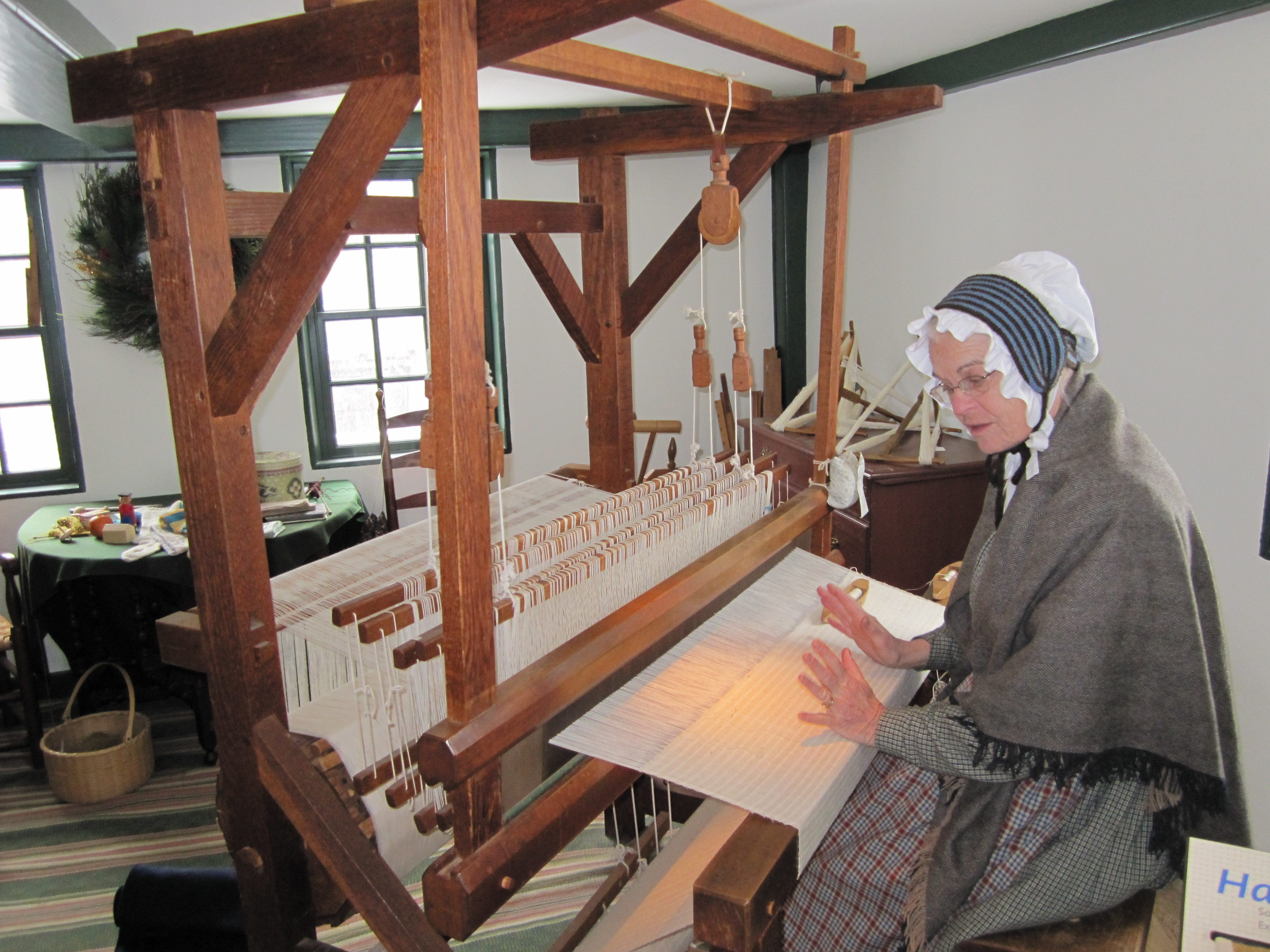
What did cotton bring to the south and how did that affect them?
More Slaves
Disease
Wealth
More anger
What type of weather does cotton grow best in?
dry
warm climates
stormy
cold and wet

Uncle Tom's Cabin was a book about _________
Living in the woods
How great slavery was
How terrible slavery was
The Civil War

Who were "abolitionists"?
People who supported slavery
People who wanted to abolish, or end, slavery
People who owned enslaved people
People who wanted to expand slavery
In 1831, William Lloyd Garrison launched the most influential anti-slavery newspaper. What was the name of it?
Freedom Journal
The Liberator
North Star

Where did slavery exist in the 1800s?
North
South
Both

What purpose did the Underground Railroad serve?
It helped runaway slaves escape.
It served little purpose to the abolitionists and slaves.
The Underground Railroad was a newspaper.
A white man abolitionist killed for publishing an abolitionist newspaper. Their death sparked national attention because they were white.
John Brown
Harriet Tubman
Dred Scott
Reverend Elijah Lovejoy
Who was the Mexican President during the Mexican American War?
James K Polk
Santa Anna
Zachary Taylor
Which present day state gained it's independence from Mexico, becoming it's own country?
Louisiana
Florida
Oklahoma
Texas
What happened to Texas after they defeated Mexico?
Texas quickly joined the United States.
Texas became an independent country for 10 years.
Texas joined with Canada.
Texas was still part of Mexico.

Why did Americans move into the Mexican province of Texas?
Because they wanted to learn to speak Spanish.
Because the land was excellent for growing cotton.
Because they didn't want to be American citizens any more.
Because they were against slavery.

All of these answers are correct
The U.S. and Mexico disagreed over their boundary
Americans' belief in Manifest Destiny
The U.S. annexed Texas
The Missouri Compromise Line determined the status of slavery in future states. North of the line, slavery was ____________________ and South of the line, slavery was _______________________.
permitted, prohibited
prohibited, permitted
sometimes prohibited, sometimes permitted
prohibited, prohibited
What was the latitude line established by the Missouri Compromise to limit the spread of slavery?
36°30' north
35°00' north
37°00' north
38°30' north
Explain the main provision of the Missouri Compromise regarding the balance of power in the Senate.
It allowed Missouri to enter as a free state.
It allowed Missouri to enter as a slave state and Maine as a free state, maintaining the balance.
It banned slavery in all new states.
It allowed Maine to enter as a slave state.
Why was the Missouri Compromise Passed?
To have more slave states than free states
To have more free states than slave states
To keep the balance of free and slave states
Because Missouri wanted to secede
Under the Missouri Compromise which two states were added?
Missouri as a slave state and Maine as a free state
Missouri as a free states and Maine as a slave state
Kansas as a slave state and Nebraska as a free state
Nebraska as a slave state and Kansas as a free state
Banning the slavery in the new land acquired from Mexico
Monroe Doctrine
Roosevelt Corollary
Wilmont Proviso
New Deal

The Compromise of 1850 admitted _________ as a free state.
Arizona
California
New Mexico
Utah

The Fugitive Slave Act...
increased Underground Railroad Activity.
led to resistance in the North.
angered abolitionists.
All of the above
Which of the following compromises INCREASED sectional tensions in the mid-19th century?
The Great Compromise
The Missouri Compromise
The Compromise of 1850
The Three-Fifths Compromise
What was the significance of the Compromise of 1850 in American history?
It led to the immediate abolition of slavery in all states
It resulted in the secession of the Southern states from the Union
It had no impact on the growing tensions between the North and South
It temporarily eased tensions between the North and South over the issue of slavery, but ultimately failed to prevent the outbreak of the Civil War.
What were the long-term consequences of the Compromise of 1850?
Led to peaceful resolution and unity among the states
Had no impact on the issue of slavery in the United States
Resulted in the immediate abolition of slavery
Intensified the debate over slavery and contributed to the outbreak of the Civil War
What were the criticisms of the Compromise of 1850?
It favored the interests of the slaveholding states and did not adequately address the issue of slavery in the territories.
It was too harsh on the non-slaveholding states
It completely ignored the issue of slavery in the territories
It was too lenient on the slaveholding states
What did Uncle Tom’s Cabin convince the North of?
That it was ok to own a slave
That you shouldn’t have more than two slaves
That Uncle Tom had a nice cabin
That slavery was wrong
What did the book do to the relationship between the North and South?
It fueled tension between the Northern and the Southern states
It brought the Northern and Southern states together to agree that slavery was legal and right
It brought the Northern and Southern states together to agree that slavery was illegal and wrong
What impact did the rebellion have
The abolition of slavery
A dialogue of the morality of slavery in america
More slaves brought into virginia?
Increased restriction on slaves and scared slave owners.
What group wanted to provide land, education, and the right to vote for freedmen (freed slaves)?
Northern Democrats
Moderate Republicans
Southern Democrats
Radical Republicans
Which statement best describes the beliefs of Radical Republicans?
"The United States has done enough and shouldn't have to pay more to support freed slaves."
"Former Confederate leaders should be forgiven for their actions during the Civil War."
"The Southern states and members of the Confederacy should be punished for their actions."
"The country should follow President Lincoln's plan to reunite the country as quickly as possible."
After Reconstruction, the Republicans could not agree about
how to free the slaves.
how severe to punish the Union.
how severe to punish the Confederates.
when to free the slaves.
Senator from Illinois who supported popular sovereignty; ran for President against Abraham Lincoln in 1860
Frederick Douglass
Millard Fillmore
James Buchanan
Stephen Douglas

What is popular sovereignty?
Where sovereignty is left to the government to decide
Where sovereignty is left to the people to decide
Which of the following was one of the effects of the Kansas-Nebraska Act?
Kansas and Nebraska were united into one territory
Residents could vote on the issue of slavery
Banned slavery in both Kansas and Nebraska
Allowed slavery in both Kansas and Nebraska
Which of the following describes "Bleeding Kansas"?
A violent slave uprising led by Joseph Cinque
Violence in Kansas between proslavery and antislavery settlers prior to the Civil War
The turning point of the Civil War, in which Robert E. Lee's army was routed from Kansas
The devastation caused by a tornado in Kansas in 1854, which killed 55 people
Which of the following describes "Bleeding Kansas"?
A violent slave uprising led by Joseph Cinque
Violence in Kansas between proslavery and antislavery settlers prior to the Civil War
The turning point of the Civil War, in which Robert E. Lee's army was routed from Kansas
The devastation caused by a tornado in Kansas in 1854, which killed 55 people
Which of the following was one of the effects of the Kansas-Nebraska Act?
Kansas and Nebraska were united into one territory
Residents could vote on the issue of slavery
Banned slavery in both Kansas and Nebraska
Allowed slavery in both Kansas and Nebraska
In its ruling on Dred Scott case, the Supreme Court decided that Congress could not ban slavery in
free states
slave states
territories
free republics
What was the impact of the Dred Scott decision on slavery in the United States?
The Dred Scott decision further entrenched the institution of slavery in the United States and contributed to the tensions that led to the Civil War.
The Dred Scott decision abolished slavery in the United States
The Dred Scott decision led to the expansion of slavery into new territories
The Dred Scott decision had no impact on slavery in the United States
Explain the significance of the Dred Scott decision in the context of the abolitionist movement.
The Dred Scott decision had no impact on the abolitionist movement.
The Dred Scott decision declared slavery illegal, giving a boost to the abolitionist movement.
The Dred Scott decision entrenched the idea of slavery as a legal and constitutional right, making it more difficult for abolitionists to argue against it.
The Dred Scott decision led to the immediate emancipation of all slaves.
What was a consequence of the Scott v. Sandford decision?
It ended the debate on slavery
It led to the Civil War
It unified the country
It abolished the slave trade
What is an abolitionist
Someone who wants to violently free enslaved people
Someone who promotes the expansion of slavery
Someone who advocates for the end of slavery
Which happened as a result of the Lincoln-Douglas debates?
Douglas was elected senator of Kansas.
Lincoln successfully defended the principle of popular sovereignty.
Lincoln’s national profile was diminished.
Citizens in both the North and South followed the debates closely.
What political party was Lincoln a part of?
Democratic
Republican
What party did Stephen Douglas belong to?
Democratic
Republican
An open seat in the Senate for the state of Illinois led to a series of discussions on the issue of slavery.
Missouri Compromise
Presidential Election of 1860
Kansas Nebraska Act
Lincoln-Douglas Debates
Fighting that occurred over whether to enter the Union as a free state or as a slave state.
Secession
Bleeding Kansas
Compromise of 1850
Dred Scott Decision
Escaped slave who became a leading abolitionist and publisher.
Abraham Lincoln
Frederick Douglass
Dred Scott
Harriet Beecher Stowe
He unsuccessfully sued for his freedom because he had been taken to Free states.
Frederick Douglass
John Brown
Abraham Lincoln
Dred Scott
What did John Brown hope to accomplish by taking over the Harpers Ferry arsenal?
arm the slaves
start a revolt among the slaves
end slavery in the South
All of the above
Why was Brown's raid important, even though it failed?
It caused many more abolitionists to rally around his cause.
Because Lincoln publicly commended the raid.
It caused the Civil War to start 1 month later
What was the main motivation behind John Brown's actions?
To seek revenge for the beating of Charles Sumner
To establish a new state in Virginia
To free slaves and start a revolution
To gain fame and recognition
Summarize the results of the election of 1856.
James Buchanan won the election of 1856.
The main issue was the expansion of slavery as facilitated by the Kansas–Nebraska Act of 1854.
Why was the South so upset by Lincoln’s election?
Who was the Illinois Republican candidate for U.S. Senate in 1858?
Stephen Douglas
John C. Breckenridge
Abraham Lincoln
Jefferson Davis
What was the main issue at the heart of the Lincoln-Douglas debates?
Tariff policies
Immigration rights
Slavery
Transcontinental railroad
What was the main argument of Southerners for secession?
Economic independence from the North
Threat to states' rights and the institution of slavery
Desire for a monarchy
Expansion of territory into Canada
Assess the role of the 1860 presidential election in the lead-up to the Civil War.
It had little impact on the tensions between North and South.
It was a catalyst for secession and the eventual outbreak of war.
It resolved the issues of slavery and states' rights peacefully.
It led to the immediate reunification of the Union.
As soon as Lincoln was declared the winner of the presidency, Southern states started to
cry
bomb the north
free all their slaves
secede
What was the main focus of the Lincoln-Douglas Debates?
Difference in views on slavery
Economic policies
Foreign relations
Infrastructure development
What did the South fear would happen under Republican rule?
End of slavery in the South
Expansion of slavery into the territories
Higher taxes
Loss of states' rights
What did President Lincoln try to reassure southerners about in his inaugural address?
Protection of states' rights
Abolition of slavery
Higher taxes
Infrastructure development

What reason did the judge in the Dred Scott case give the ruling that "members of the African race" did not a right to sue?
They were not allowed into courthouses
They were not actually U.S. citizens
Few African-Americans could read
They were not allowed to vote.

Define Secession
Asking to do what you want.
being successful
the action of withdrawing formally from membership of a federation or body, especially a political state.
What does secede mean?
to stay
to leave
What was the name of the southern country?
Confederate states of America
United states of America
Who was the president of the southern states?
Andrew Jackson
Jefferson Davis
Thomas Jefferson
A rebel is someone who
fights for their country.
tries to find peaceful solutions.
fights against the government.
runs for government office.
Why didn’t South Carolina allow food to be brought to Fort Sumter?
South Carolina thought it was poisoned.
Fort Sumter didn’t want to accept food from President Lincoln.
South Carolina felt the fort should no longer belong to the government of the North.
They actually did allow food to be brought to Fort Sumter.
What is considered to be the beginning of the Civil War?
When Abraham Lincoln was elected President
When seven southern states left the union
When South Carolina fired on Fort Sumter
When President Lincoln declared war
Which event initiated the Battle of Fort Sumter?
South Carolina's secession from the Union
President Lincoln's announcement to resupply the fort
Confederate bombardment of Fort Sumter
Union forces capturing Charleston
Who refused to move out of Fort Sumter?
The Confederates
South Carolinians
The Federal Military

