
 Worksheets
Nutrition Post-Assessment
Total questions: 64
Worksheet time: 35mins
Bread is a primary source of...
Carbohydrates
Proteins
Fats
Minerals
What are macronutrients?
Nutrients the body needs in small quantities to function
Nutrients the body needs in large quantities to function
Nutrients that only provide vitamins and minerals
Nutrients that are only found in water
Which of the following is an example of a macronutrient that helps build and repair muscles?
Carbohydrates
Protein
Fat
Vitamins
Which macronutrient supports brain function and protects organs?
Carbohydrates
Protein
Fat
Water
What is the primary function of carbohydrates as a macronutrient?
To help build and repair muscles
To give the body energy
To support brain function
To protect organs
Select the sentence that correctly uses the word 'macronutrient.'
Protein is an important macronutrient for muscle growth.
Vitamin C is a macronutrient needed in large amounts.
Water is considered a macronutrient in nutrition.
Macronutrient refers to a small nutrient required by the body.
What is the primary function of protein in the human body?
To provide energy for the body
To grow and repair muscles, organs, and other tissues
To regulate body temperature
To store vitamins and minerals
How many calories does 1 gram of protein provide?
2 calories
4 calories
6 calories
8 calories
Which of the following is NOT a source of protein?
Fish
Dairy products
Fruits
Tofu
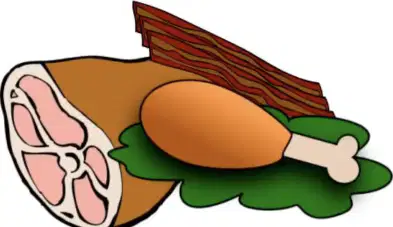
Which of the following is considered a main source of protein?
Lean meats and poultry
Potatoes
Fruits
Vegetables
What is the primary function of carbohydrates in the body?
Provide energy for physical activity
Build muscle tissue
Regulate body temperature
Aid in digestion
How many calories does 1 gram of carbohydrates provide?
2 calories
4 calories
6 calories
8 calories
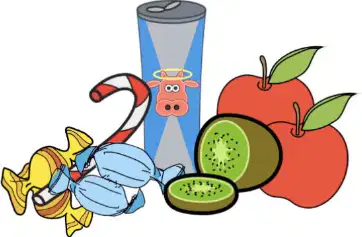
Which of the following is a characteristic of simple carbohydrates?
Release energy slowly
Contain caffeine or are high in sugar
Are filling foods
Provide no energy
What is a key characteristic of complex carbohydrates?
Release energy quickly
Are high in sugar
Release energy slower and are filling foods
Contain caffeine

Which of the following is an example of a food high in complex carbohydrates?
Candy
Soda
Pasta
Energy drinks
What is the primary role of fat in the body?
Fat is vital for energy reserve, insulation, and organ protection.
Fat is only used for muscle growth.
Fat is harmful and should be completely avoided.
Fat is used only for digestion.
How many calories are provided by 1 gram of fat?
4 calories
7 calories
9 calories
12 calories
Which of the following fat sources should be avoided?
Nuts
Avocado
Processed snacks
Olive oil
Why are good fat sources important for the body?
They provide vitamins for hair, skin, nails, and hormones.
They increase cholesterol levels.
They are used only for digestion.
They are harmful to the body.
What is the purpose of writing down macronutrients in your book as mentioned in the task?
To identify the vitamins in your diet.
To determine the macronutrients you are lacking or consuming too much of.
To calculate the total calories of your meals.
To compare your diet with a balanced diet chart.
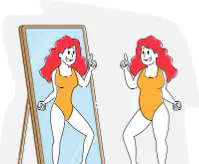
What is body image?
The way you dress and present yourself.
How you think and feel about your body, including thoughts, perceptions, imagination, and emotions.
The physical appearance of your body.
The opinions of others about your body.
Who can be affected by body image issues?
Only teenagers.
Only adults.
People of all backgrounds.
Only people with health issues.
What is one benefit of having a positive body image?
Increased self-criticism.
Better self-esteem.
Ignoring physical activity.
Unhealthy eating habits.
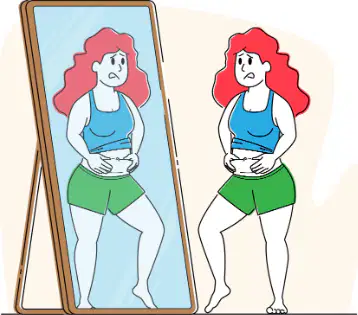
What can a negative body image lead to?
Increased self-confidence
Dieting
Improved mental health
Enhanced physical fitness
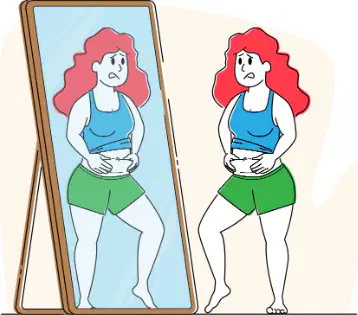
Which of the following is a potential mental health issue caused by a negative body image?
Low self-esteem
Increased happiness
Improved focus
Enhanced motivation
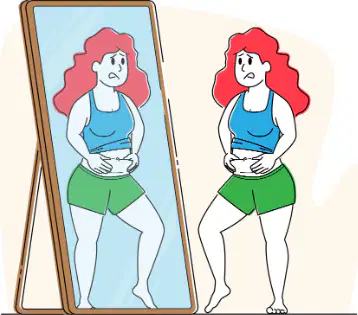
What are some eating disorders that can develop due to a negative body image?
Anorexia nervosa, bulimia nervosa, and binge eating disorder
Diabetes, hypertension, and obesity
Depression, anxiety, and stress
Insomnia, fatigue, and lethargy
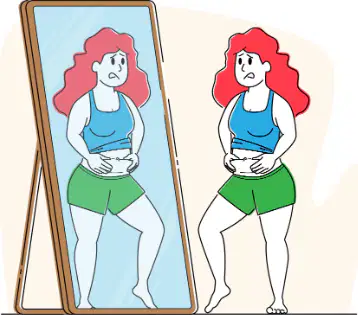
Which of the following is NOT a consequence of a negative body image?
Over-exercising
Development of eating disorders
Increased self-esteem
Depression or anxiety
What is a significant risk factor for developing an eating disorder?
Regular exercise
Dieting
Eating balanced meals
Drinking water
What is the first step in the diet cycle?
Short-term weight loss
Deprivation
Starting a diet
Weight loss is regained
What happens during the 'short-term weight loss' phase of the diet cycle?
The body gains weight rapidly
People notice changes in body shape or weight and feel in control
People experience feelings of guilt and failure
Hunger levels decrease significantly
What typically happens when diet rules are broken?
People feel a sense of accomplishment
People experience feelings of guilt, failure, and disappointment
People lose more weight
People stop eating altogether
What is the final stage of the diet cycle?
Starting a diet
Deprivation
Weight loss is regained
Short-term weight loss
Why is dieting considered 'not normal or healthy'?
It is a common practice in society
It can lead to serious physical health complications
It helps in maintaining a balanced diet
It promotes regular eating habits
Which of the following is recommended for maintaining a healthy body weight according to a balanced eating plan?
Eat plenty of vegetables, legumes, and fruits.
Avoid all grains, including breads and pasta.
Consume high amounts of saturated fats.
Drink sugary beverages regularly.
What does the Australian Guide to Healthy Eating (AGTHE) help people with?
Planning meals and determining what foods to eat in small amounts
Creating exercise routines
Finding the best restaurants in Australia
Learning how to cook specific recipes
According to the Australian Guide to Healthy Eating, which food group should be consumed in small amounts?
Vegetables and legumes/beans
Lean meats and poultry
Foods high in sugar, salt, and fat
Fruits
Which of the following is a key recommendation of the Australian Guide to Healthy Eating?
Drink plenty of water
Avoid all carbohydrates
Eat only fruits and vegetables
Consume only protein-rich foods
Which food group occupies the largest portion of the Australian Guide to Healthy Eating chart?
Milk, yoghurt, cheese, and alternatives
Vegetables and legumes/beans
Lean meats and poultry
Foods high in sugar, salt, and fat
What is the purpose of the Australian Guide to Healthy Eating?
To promote balanced eating plans
To encourage people to eat more fast food
To eliminate certain food groups from diets
To focus only on protein-rich diets

What is the easiest way to keep your body fit and healthy according to the text?
Eating healthy food only
Physical activity
Sleeping for 8 hours daily
Drinking plenty of water
How many minutes of moderate intensity physical activity are recommended on most days?
15 minutes
30 minutes
45 minutes
60 minutes
What mindset should you have about movement according to the text?
It is an inconvenience
It is a chore
It is an opportunity
It is unnecessary
What is the benefit of engaging in regular, vigorous exercise?
It helps you sleep better
It provides extra health and fitness
It reduces the need for healthy eating
It eliminates the need for moderate activity
What is the first step in planning your food effectively?
Check your schedule and plan quick meals.
Start with a weekly planner and write down meals for breakfast, lunch, dinner, and snacks.
Base meals on the 5 food groups.
Make a shopping list grouped by sections.
Which of the following is NOT one of the 5 food groups mentioned in the text?
Grains
Vegetables
Dairy or alternatives
Sugary snacks
How should you organise your shopping list based on your meal plan?
By the number of meals planned.
By sections such as fruit/veg, dairy, pantry, and frozen.
By the cost of items.
By the time of day the meals will be eaten.
What is one benefit of cooking at home?
What is a suggested way to use leftovers according to the text?
Throw them away.
Freeze extra meals or pack them for lunch.
Use them to buy generic brands.
Eat them immediately after cooking.
What is one tip to avoid buying more than necessary while shopping?
Shop when you're hungry
Stick to your list and avoid impulse buys
Avoid planning meals ahead of time
Buy expensive items to save money
What does 'cook once, eat twice' meals refer to?
Cooking meals that can be eaten twice a day
Preparing meals that can be stored and eaten later
Cooking meals for two people at once
Eating the same meal twice in one sitting
What is a healthier, cheaper alternative to pre-packaged snacks?
Rolled oats with fruit
Homemade popcorn, fruit
Water, infused water
Include beans, lentils, eggs
What is a healthier, cheaper alternative to sugary cereals?
Homemade popcorn, fruit
Rolled oats with fruit
Water, infused water
Include beans, lentils, eggs
Why is understanding serving sizes important?
It helps you know how much you’re eating, plan meals accurately, and compare foods
It helps you identify the brand of the food
It helps you determine the price of the food
It helps you decide the cooking method for the food
What can you compare using the Nutrition Information Panel (NIP)?
Sugar, fat, and sodium content
Cooking time and temperature
Packaging material
Expiry date
What does "servings per pack" indicate on the Nutrition Information Panel?
How many serves are in total in the pack
The weight of the food in the pack
The price of the pack
The cooking instructions for the pack
What does "per serve/per 100g" on the Nutrition Information Panel represent?
Nutrients and energy
Cooking instructions
Packaging material
Expiry date
Which cooking method is recommended instead of frying to make meals healthier?
Boiling
Grilling or baking
Deep frying
Sautéing
What is the suggested way to retain nutrients in vegetables while cooking?
Frying
Steaming
Roasting
Boiling
What can be used as a healthier alternative to salt in cooking?
Sugar
Herbs and spices
Butter
Vinegar
What is one benefit of batch cooking and freezing meals?
Saves time on busy nights
Improves the taste of food
Makes food last longer without refrigeration
Reduces the need for seasoning
What is one tip for building confidence in cooking?
Cook the same recipe every day
Try one new recipe per week
Avoid cooking with family
Use only pre-packaged meals
Why is sharing cooking with family recommended?
It is more expensive
It is faster, cheaper, and social
It requires less effort
It helps avoid cooking altogether
Which of the following is NOT listed as a basic staple to keep stocked?
Pasta
Eggs
Frozen veggies
Fresh fruit
What should each day of a healthy eating plan include?
Breakfast, lunch, and dinner only
Breakfast, lunch, dinner, and snacks
Lunch and dinner only
Snacks only

