
 Worksheets
Digestive System Quiz
Total questions: 105
Worksheet time: 53mins
Which of the following is part of the digestive tract?
Esophagus
Heart
Lungs
Brain
What is the main function of the digestive system?
To process food and liquids in the body
To pump blood throughout the body
To help with breathing
To control body movements
Which organ is responsible for breaking down food into smaller components for absorption?
Stomach
Esophagus
Lungs
Liver
Which of the following is NOT part of the digestive system?
Mouth
Small intestine
Large intestine
Kidney
What happens to food in the digestive system?
It is broken down into smaller components for absorption and assimilation
It is stored for energy
It is turned into blood
It is used for breathing
What is the first organ in the digestive system?
Stomach
Mouth
Esophagus
Intestines
What is the function of saliva in the digestive process?
It breaks down proteins into amino acids.
It initiates digestion by breaking down starch into sugar.
It absorbs nutrients from food.
It transports food to the stomach.
What is mechanical digestion in the mouth?
Breaking down food using saliva.
Chewing food to break it into smaller pieces.
Transporting food to the stomach.
Absorbing nutrients from food.
Which of the following is NOT a function of the mouth in digestion?
Ingestion of food.
Mechanical digestion through chewing.
Absorption of nutrients.
Chemical digestion using saliva.
What is the primary function of the esophagus?
To produce digestive enzymes.
To facilitate the passage of food from the mouth to the stomach.
To absorb nutrients directly into the bloodstream.
To store food temporarily.
Which organ ensures the smooth movement of food from the mouth to the stomach?
Esophagus
Liver
Stomach
Intestines
Why is the esophagus important for digestion?
It absorbs nutrients directly into the bloodstream.
It ensures efficient digestion and nutrient absorption by moving food to the stomach.
It produces enzymes to break down food.
It stores food temporarily before digestion.
What is the primary function of the stomach in the digestive system?
To produce blood cells
To hold food and mix it with stomach enzymes
To absorb nutrients directly into the bloodstream
To store oxygen for the body
What happens to partially digested food in the stomach?
It is absorbed into the bloodstream
It is stored permanently in the stomach
It is emptied into the small intestine
It is converted into oxygen
Which substances in the stomach help with chemical digestion?
Blood cells and oxygen
Acids and enzymes
Water and nutrients
Hormones and proteins
Where is the pancreas located in the human body?
In the chest cavity
Behind the stomach
Inside the liver
Below the lungs
What is one of the key functions of the pancreas?
Produces red blood cells
Produces enzymes to break down sugars, fats, proteins, and starches
Produces bile for digestion
Produces oxygen for the body
Which of the following substances does the pancreas help break down during digestion?
Vitamins and minerals
Sugars, fats, proteins, and starches
Water and oxygen
Hormones and bile
What is the largest organ in the body that performs essential functions within the digestive system?
Heart
Liver
Lungs
Stomach
What substance does the liver produce to aid in fat digestion and nutrient absorption?
Blood
Bile
Saliva
Enzymes
Which of the following is a function of the liver in the digestive system?
Producing bile
Pumping blood
Filtering air
Breaking down bones
What is the primary role of the gallbladder in the digestive system?
To produce bile
To store and concentrate bile
To digest food directly
To absorb nutrients
Where is the gallbladder located in the human body?
Above the stomach
Beneath the liver
Next to the pancreas
Inside the intestines
What is the shape of the gallbladder?
Round
Pear-shaped
Square
Oval
Which organ produces bile that is stored and concentrated by the gallbladder?
Stomach
Pancreas
Liver
Intestines
What is the main function of the small intestine?
Breaking down food and absorbing nutrients
Pumping blood throughout the body
Producing hormones for growth
Filtering waste from the blood
Which nutrients does the small intestine absorb?
Carbohydrates, proteins, and fats
Vitamins, minerals, and water only
Oxygen and carbon dioxide
Sugars and salts only
Why is the small intestine important in digestion?
It ensures efficient nutrient absorption and waste elimination
It stores food for long periods of time
It produces enzymes for breaking down food
It filters toxins from the bloodstream
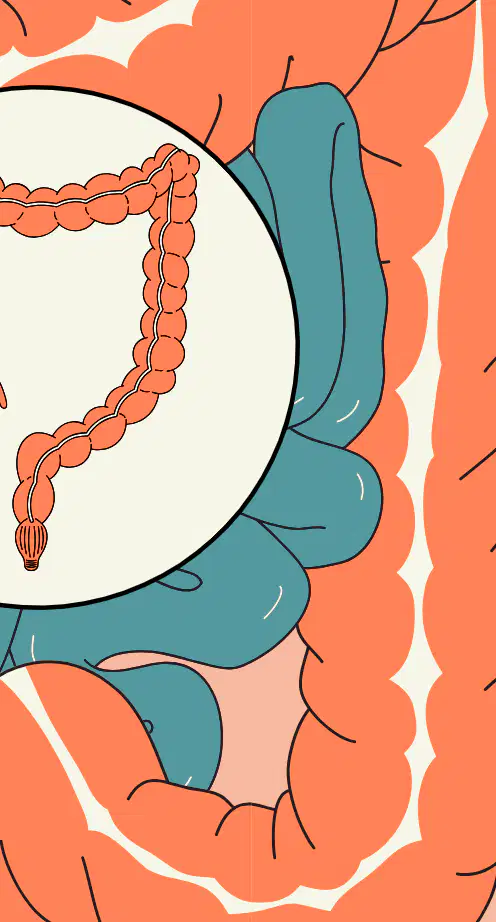
What is one of the main functions of the large intestine?
Absorbing water and electrolytes
Producing enzymes for digestion
Breaking down proteins
Storing bile
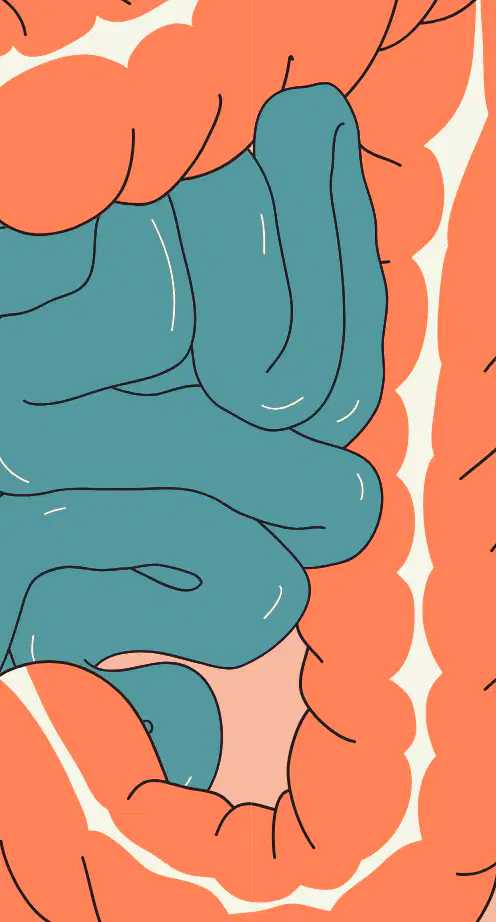
What is the function of the rectum in the digestive system?
It connects the stomach to the small intestine.
It acts as a reservoir where stool accumulates before elimination.
It produces enzymes for digestion.
It absorbs nutrients from food.
What marks the exit point for food waste in the digestive system?
The stomach
The small intestine
The anus
The esophagus
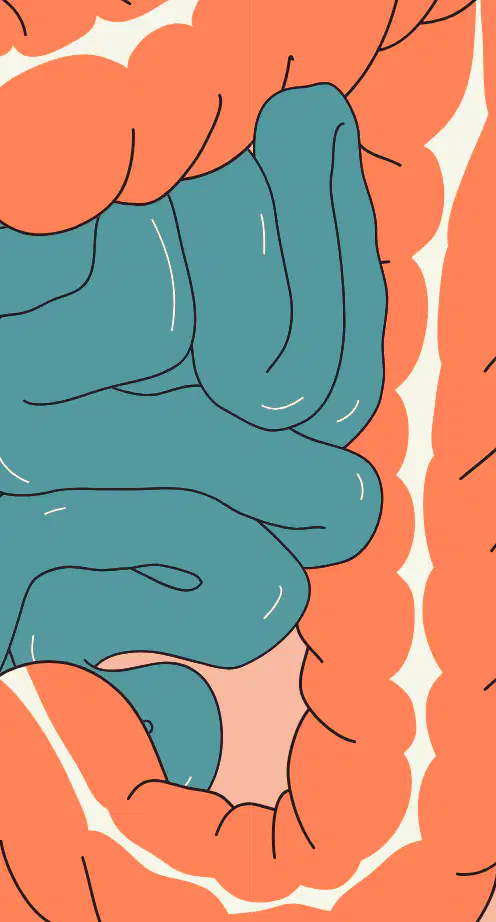
Which organ connects the large intestine to the anus?
The rectum
The stomach
The liver
The pancreas
What is the main function of the digestive system?
To help the body turn food into energy
To store food for later use
To transport oxygen to the body
To produce saliva
Where are nutrients absorbed into the body during digestion?
Mouth
Small intestine
Large intestine
Stomach
What happens to the waste after it passes through the large intestine?
It is absorbed into the body
It is turned into energy
It leaves the body when we go to the bathroom
It is stored in the stomach
What is Mechanical Digestion?
Breaking food using juices and chemicals like saliva and stomach juice.
Physical breakdown of food into smaller pieces using your teeth.
Absorbing nutrients from food in the small intestine.
Storing food in the stomach for digestion.
What is the primary function of the skeletal system?
To provide support and protection for the body's internal organs.
To digest food and absorb nutrients.
To pump blood throughout the body.
To regulate body temperature.
What does the skeletal system produce in addition to shaping the body and enabling movement?
Blood cells.
Hormones.
Enzymes.
Oxygen.
How many bones does an average adult have?
206 bones.
270 bones.
150 bones.
300 bones.
What is the skeletal system made up of?
Bones, joints, and associated cartilage.
Muscles and skin.
Blood vessels and nerves.
Organs and tissues.
What is the name of the bone structure that protects the chest organs like the heart and lungs?
Spine
Ribcage
Pelvis
Shoulder Girdle
What is the name of the bone structure that supports the back?
Spine
Shoulder Girdle
Ribcage
Hand Bones
What is the function of joints in the skeletal system?
To store minerals
To let bones meet and allow movement
To protect the brain
To produce blood cells
What is cartilage?
A type of bone
A soft tissue that cushions bones
A mineral stored in bones
A part of the ribcage
What does the skeletal system store to keep bones strong?
Iron
Calcium
Protein
Oxygen
What is the function of the muscular system ?
involves collaboration with the skeletal system to generate voluntary movements
Break down food
It pumps blood into the body
What role do muscles play in sustaining posture and stabilizing joints?
Respiration
Circulation
Posture and Stability
Heat Production
Which function of the muscular system is crucial for regulating body temperature?
Heat Production
Digestion
Respiration
Circulation
What is the role of smooth muscles in the digestive tract?
Propel blood through vessels
Facilitate the movement of food through the digestive system
Generate heat for body temperature regulation
Aid in voluntary movements
Which type of muscles controls the contraction of organs such as the stomach, intestines, and bladder.?
Skeletal muscles
Smooth muscles
Diaphragm muscles
Cardiac muscles
What are the three main types of muscle tissue in the muscular system?
Skeletal Muscles, Cardiac Muscles, and Smooth Muscles
Skeletal Muscles, Nervous Muscles, and Smooth Muscles
Cardiac Muscles, Nervous Muscles, and Skeletal Muscles
Smooth Muscles, Nervous Muscles, and Cardiac Muscles
Which type of muscle tissue is responsible for the movement of the heart?
Skeletal Muscles
Cardiac Muscles
Smooth Muscles
Nervous Muscles
Which type of muscle tissue is found in the walls of internal organs?
Skeletal Muscles
Cardiac Muscles
Smooth Muscles
Nervous Muscles
What type of control do skeletal muscles operate under?
Involuntary control
Voluntary control
Automatic control
Reflexive control
Which of the following activities is NOT a function of skeletal muscles?
Walking
Lifting
Breathing
Maintaining posture
What type of control does the cardiac muscle have?
Voluntary control
Involuntary control
Partial control
Reflexive control
What is the primary function of the cardiac muscle?
Helps in digestion
Pumps blood throughout the body
Supports the skeletal system
Produces hormones
Where is the cardiac muscle located?
In the walls of the stomach
In the walls of the heart
In the walls of the lungs
In the walls of the brain
Which organ is controlled by smooth muscles?
Brain
Stomach
Heart
Lungs
What is the main function of the heart?
To digest food
To pump blood
To produce oxygen
To control the brain
How many chambers does the heart have?
Two
Three
Four
Five
Which chambers of the heart are located at the bottom?
Atria
Ventricles
Arteries
Veins
What is the difference between atria and ventricles in the heart?
Atria are lower chambers, ventricles are upper chambers
Atria are upper chambers, ventricles are lower chambers
Atria pump blood, ventricles store blood
Atria store blood, ventricles pump blood

What does the right atrium of the heart do?
Pumps oxygen-rich blood to the body
Takes in blood carrying carbon dioxide
Pumps blood directly to the brain
Takes in oxygen-rich blood from the lungs

What happens to the blood when it is taken to the lungs?
Carbon dioxide is replaced with oxygen
Blood is pumped directly to the brain
Blood becomes carbon dioxide-rich
Blood is stored in the lungs
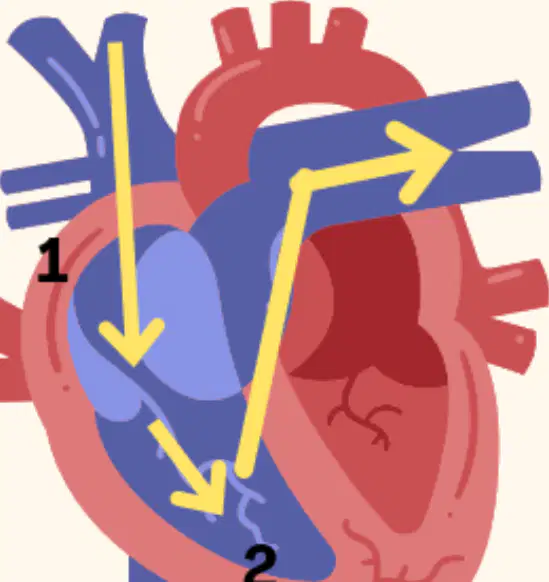
Which part of the heart squeezes blood into the lungs?
Left atrium
Right ventricle
Left ventricle
Right atrium
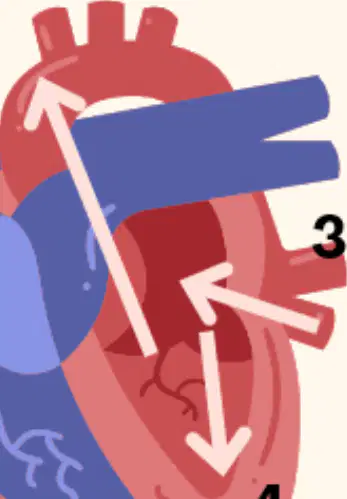
What is the function of the left atrium in the heart?
It pumps blood to the lungs.
It receives oxygen-carrying blood from the lungs.
It pumps blood to the body.
It receives blood from the body.
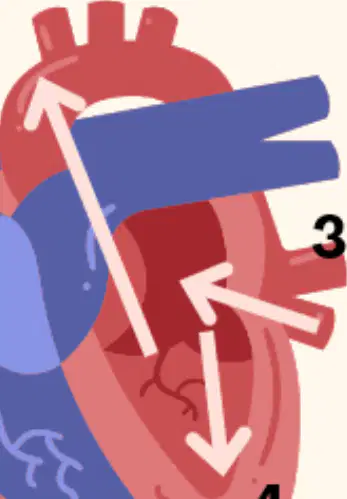
Where does blood go after being pumped into the left ventricle?
To the lungs.
To the right atrium.
Throughout the body.
To the left atrium.
What component of the blood carries oxygen, nutrients and wastes?
Red Blood Cells
White Blood Cells
Platelets
Plasma
What component of the blood fights diseases and protect the body from infection?
Red Blood Cells
White Blood Cells
Platelets
Plasma
Which component of the blood gathers at the site of injury and help the clotting process?
Red Blood Cells
White Blood Cells
Platelets
Plasma
It is a straw-colored liquid where the other blood components float in.
Red Blood Cells
White Blood Cells
Platelets
Plasma
These are tubes or channels that carry blood throughout our body.
Blood Vessels
Platelets
Plasma
The aerial part of the plant, which grows upwards.
Shoot System
Root System
Composed of organs that grow beneath and into the ground.
Shoot System
Root System
Which is NOT a function of Shoot System in plants?
It provides structure by holding it upright.
Collect sunlight and make food by photosynthesis
Transport fluids throughout the plant
Absorb water and minerals
Which is NOT a function of ROOT System in plants?
Collect sunlight and make food by photosynthesis
Anchor the plant in the soil
Absorb water and minerals
Storing food
Thicker roots absorb nutrients less but stores fluids and food better.
TRUE
FALSE
Which plant has a FIBROUS ROOT SYSTEM?
Carrot
Corn
Okra
Radish
Which plant has a TAPROOT SYSTEM?
Carrot
Corn
Rice
Grass
It has many thin roots that spread out in all direction.
Fibrous root
Taproot
This root system has roots that with the same size
Fibrous root
Taproot
This root system has one main root that grows straight down.
Fibrous root
Taproot
Habitat on land, like forests, grasslands, deserts, shorelines, and wetlands.
Aquatic
Terrestrial
Aerial
Arboreal
What best describes arboreal animals?
They live in farms, towns, and cities, and habitats that are under the earth, like caves and mines.
Their mode of survival is in water
They live in the air or spend most of their time flying or gliding.
They that stay on trees.
What best describes terrestrial animals?
They live in farms, towns, and cities, and habitats that are under the earth, like caves and mines.
Their mode of survival is in water
They live in the air or spend most of their time flying or gliding.
They that stay on trees.
It is a large reptile found in Philippine forests. It has a long body, strong legs, and a forked tongue.
Philippine Tree squirrel
Eagle-owl
Bayawak (monitor lizard)
Dugong
It is a large, gentle marine animal found in warm coastal waters, including the Philippines.
Philippine Tree squirrel
Eagle-owl
Calamian Deer
Dugong
It is a furry animal found in Southeast Asian rainforests, including the Philippines. It lives in trees, has a long tail for balance, and eats fruits and small animals.
Philippine Tree squirrel
Eagle-owl
Calamian Deer
Binturong or bearcat
It has a bushy tail and sharp claws for climbing trees, where it searches for fruits, seeds, and insects.
Philippine Tree squirrel
Philippine Tarsier
Calamian Deer
Binturong or bearcat
Which animal is an herbivore?
Carabao
Tiger
Human
snake
Some examples are Orangutans, Hedgehogs, Chickens, Ducks, Pigs, and Bears.
Herbivores
Carnivores
Omnivores
Philippine Tarsier is an example of _________ animal
Herbivorous
Carnivorous
Omnivorous
Philippine Crocodile is an example of _________ animal
Herbivorous
Carnivorous
Omnivorous
Wary pig is an example of _________ animal.
Herbivorous
Carnivorous
Omnivorous
Philippine mouse deer is an example of _________ animal.
Herbivorous
Carnivorous
Omnivorous
Binturong: _________
Herbivorous
Carnivorous
Omnivorous
Philippine Cobra: _________
Herbivorous
Carnivorous
Omnivorous
Calamian Deer : _________
Herbivorous
Carnivorous
Omnivorous
Dugong : _________
Herbivorous
Carnivorous
Omnivorous
Philippine Eagle-owl: _________
Herbivorous
Carnivorous
Omnivorous
Milkfish: _________
Herbivorous
Carnivorous
Omnivorous
Bayawak (Monitor Lizard: _________
Herbivorous
Carnivorous
Omnivorous
Philippine tree squirrel: _________
Herbivorous
Carnivorous
Omnivorous
Walden's Hornbill: _________
Herbivorous
Carnivorous
Omnivorous

