
 Worksheets
Cybersecurity Fundamental Questions
Total questions: 20
Worksheet time: 2mins

What is the main goal of cybersecurity?
Protect data integrity and availability
Build faster networks
Increase bandwidth
Reduce software costs
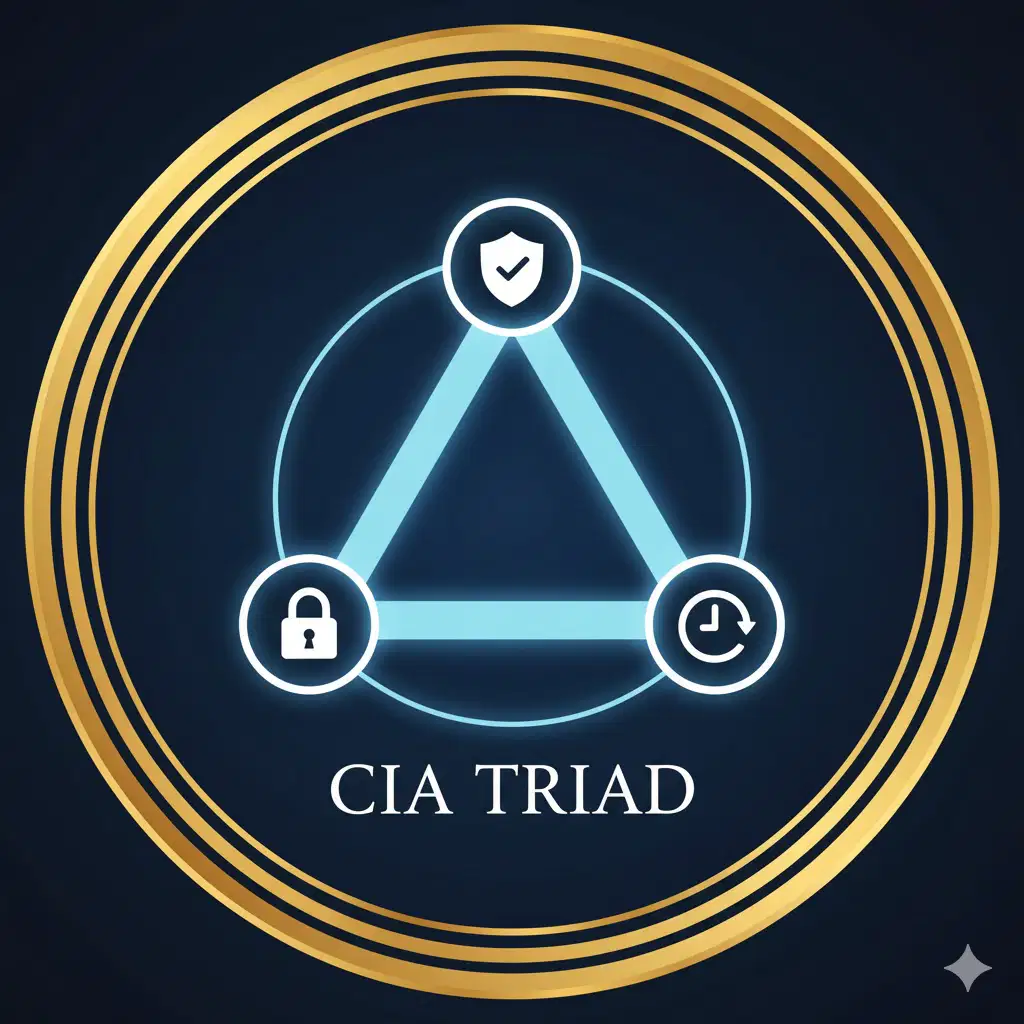
What does the CIA triad stand for?
Control, Integrity, Audit
Confidentiality, Integrity, Availability
Cybersecurity, Information, Authentication
Configuration, Identity, Access

Which of the following best defines a vulnerability?
A detected attack
A weakness that can be exploited
An antivirus alert
A system firewall rule

What is phishing?
Searching for malware
Sending deceptive emails to steal sensitive information
Encrypting files for protection
Network sniffing to detect packets

Which of the following is an example of malware?
SQL
Ransomware
VPN
HTTP

What does a firewall do?
Increases internet speed
Prevents unauthorized access to a network
Stores encrypted passwords
Monitors employee attendance

Which protocol is used for secure web communication?
HTTP
HTTPS
FTP
Telnet

Which tool is commonly used for packet analysis?
Wireshark
Jenkins
Nmap
Docker

What does IDS stand for?
Internal Defense System
Intrusion Detection System
Internet Data Security
Intranet Defense Service

Which layer in the OSI model does encryption typically occur?

What is the difference between symmetric and asymmetric encryption?
Symmetric uses one key; asymmetric uses two keys
Asymmetric uses no keys
Both use identical keys
Symmetric is always slower
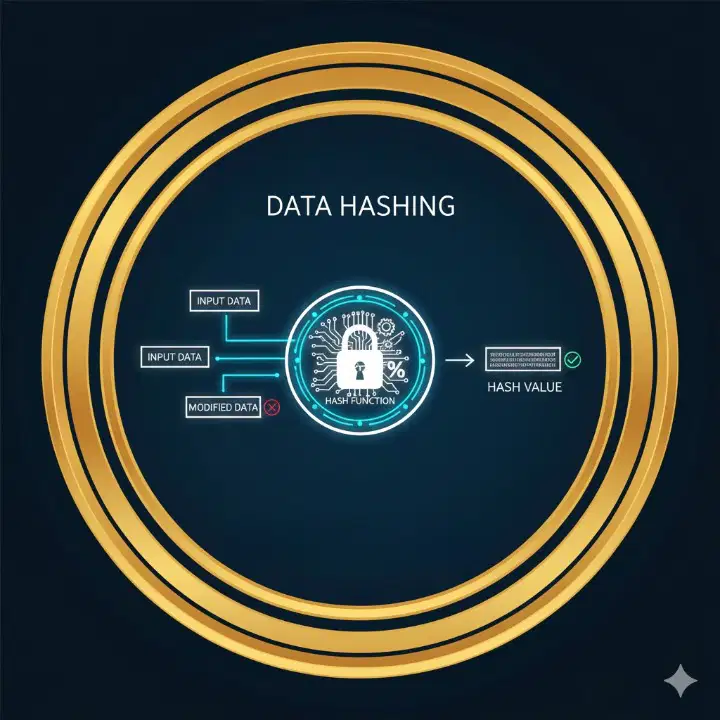
What is hashing used for?
Compressing data
Securely verifying data integrity
Encrypting messages
Transferring data
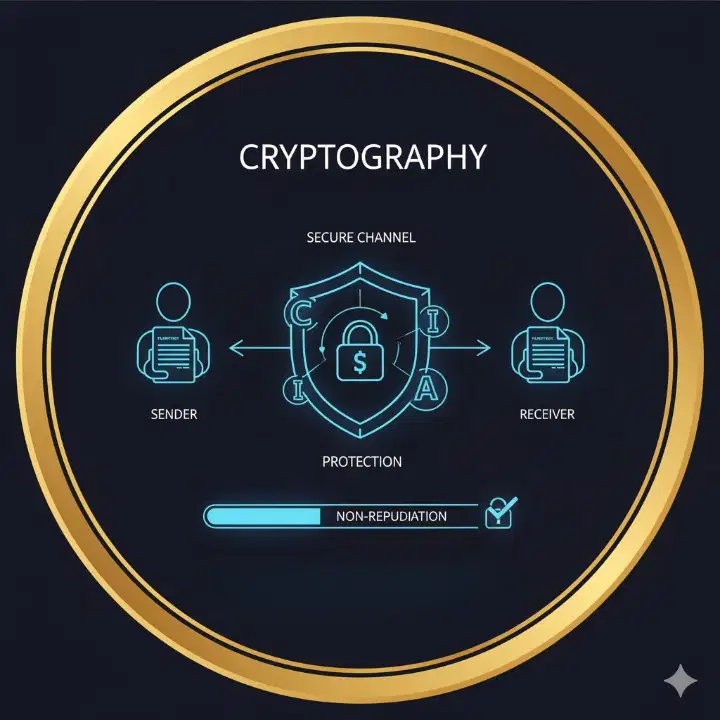
What is the primary purpose of cryptography?
Debugging code
Securing data from unauthorized access
Increasing internet speed
Managing databases
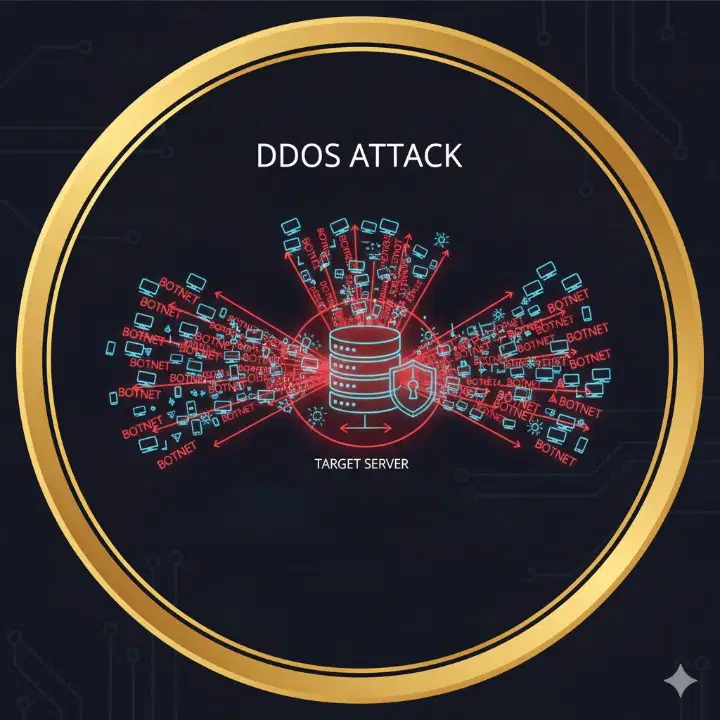
What is a DDoS attack intended to do?
Steal passwords
Overload a system to make services unavailable
Encrypt files for ransom
Exploit a system vulnerability
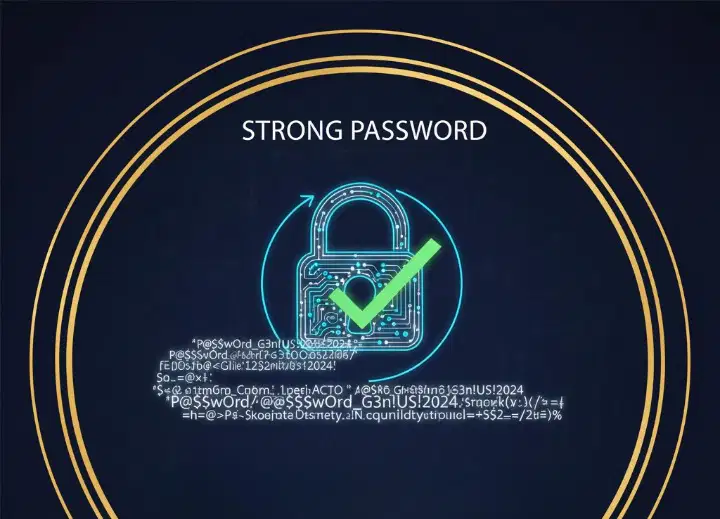
What is a strong password example?
Hello123
P@ssw0rd#07
Password
Admin
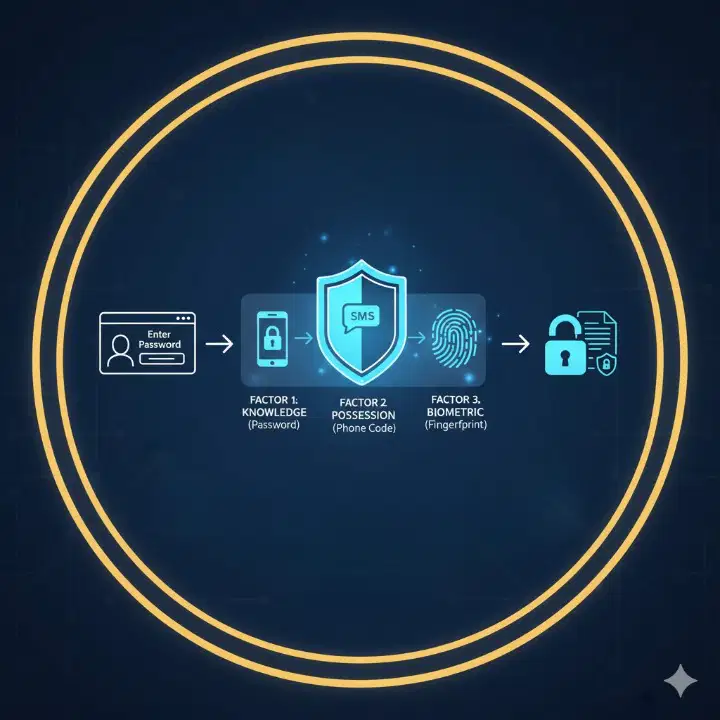
Which of the following adds extra login security beyond a password?
Cookies
Multi-Factor Authentication (MFA)
Firewall
VPN
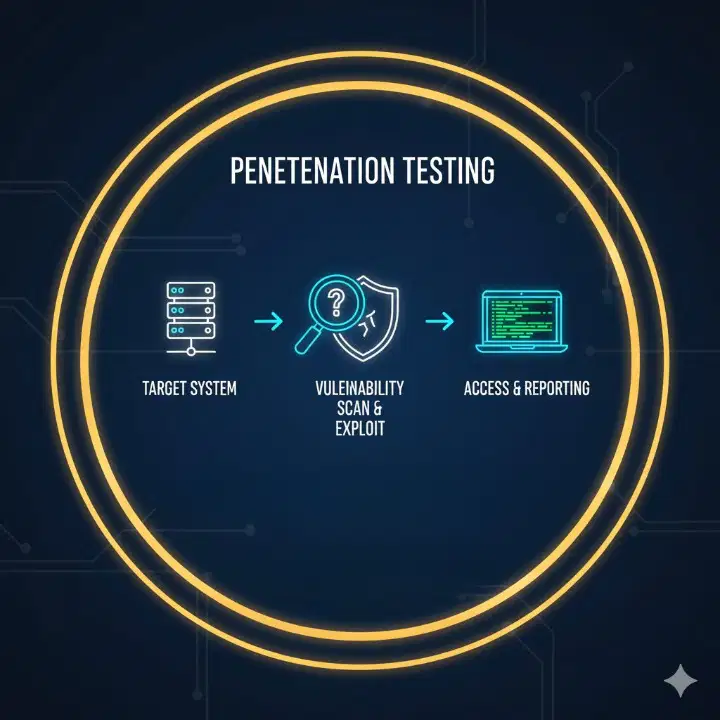
Which tool is commonly used for penetration testing?
Metasploit
Excel
GitHub
Wireshark
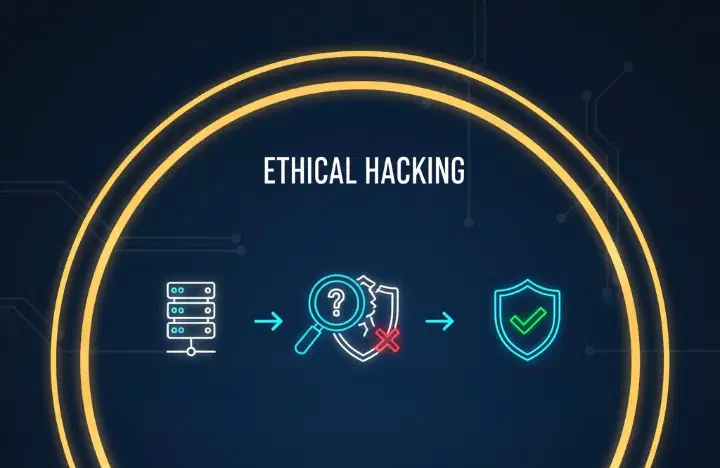
What is the main objective of ethical hacking?
Exploit systems for personal gain
Identify and fix vulnerabilities legally
Bypass network firewalls
Build malicious software
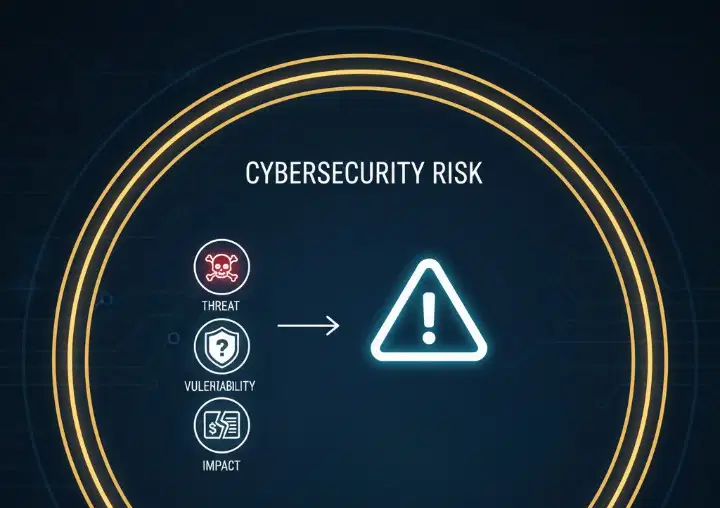
Which of the following best defines risk in cybersecurity?
Number of firewall rules configured
Probability and impact of a threat exploiting a vulnerability
Total number of threats detected
Amount of data transmitted
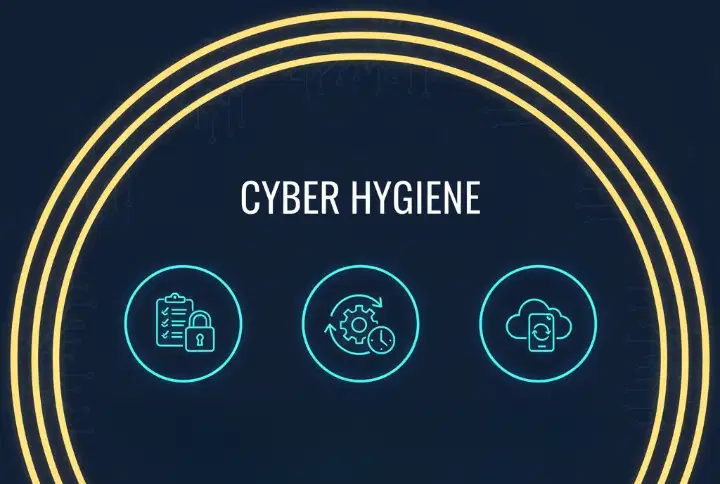
Which of these represents the correct cyber hygiene practice?
Sharing passwords with colleagues
Ignoring software updates
Regularly backing up data
Disabling antivirus

