
Font size
 Worksheets
AP Bio 12 Enzyme
Total questions: 24
Worksheet time: 14mins
Label the parts of the enzyme model
Most enzymes are...

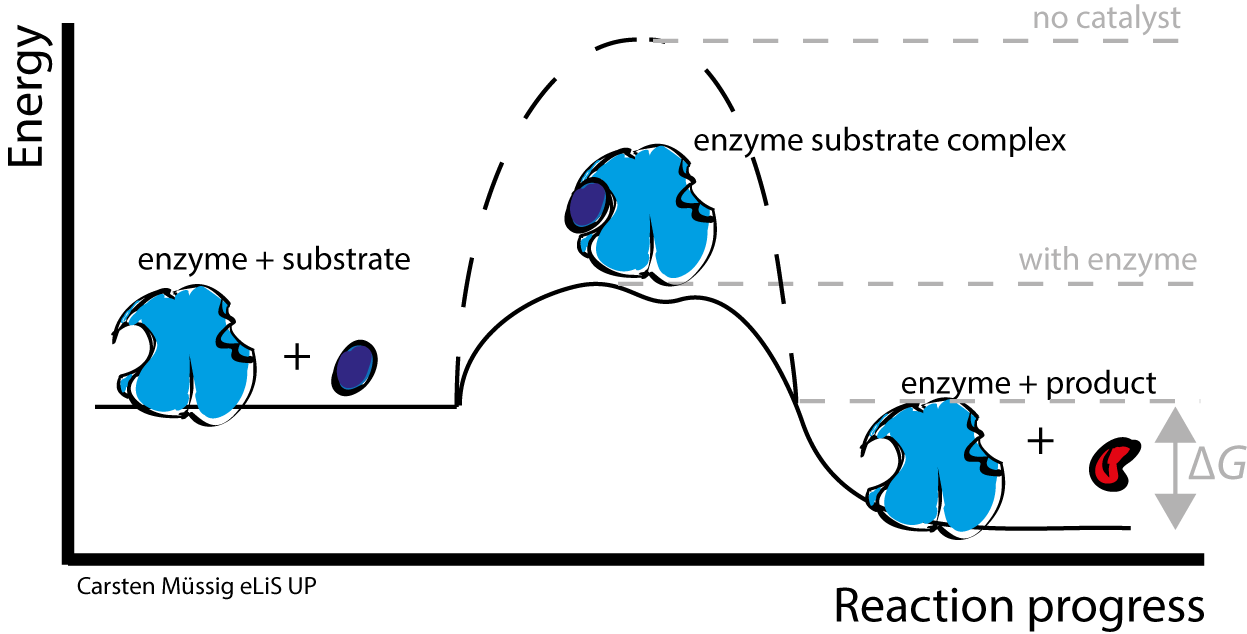
Enzymes act on many different substrates
True
False
Which of the following can be used to determine the rate of an enzyme-catalyzed reaction?
The rate of substrate formed
The decrease in temperature in the system
The rate of enzyme used up
The rate of substrate used up
Which of the following would NOT denature an enzyme?
HIGH temperature
LOW pH
HIGH pH
LOW temperature
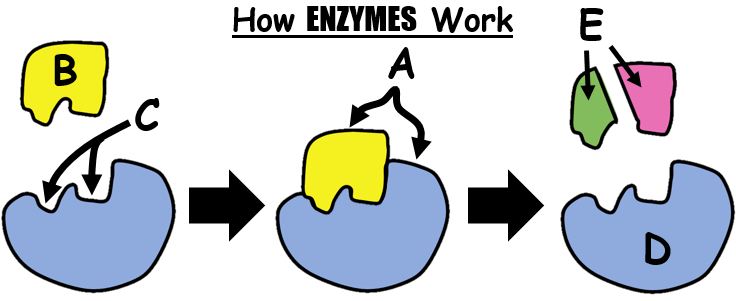

Is the graph an example of an endergonic or exergonic reaction?
Exergonic
Endergonic
Neither
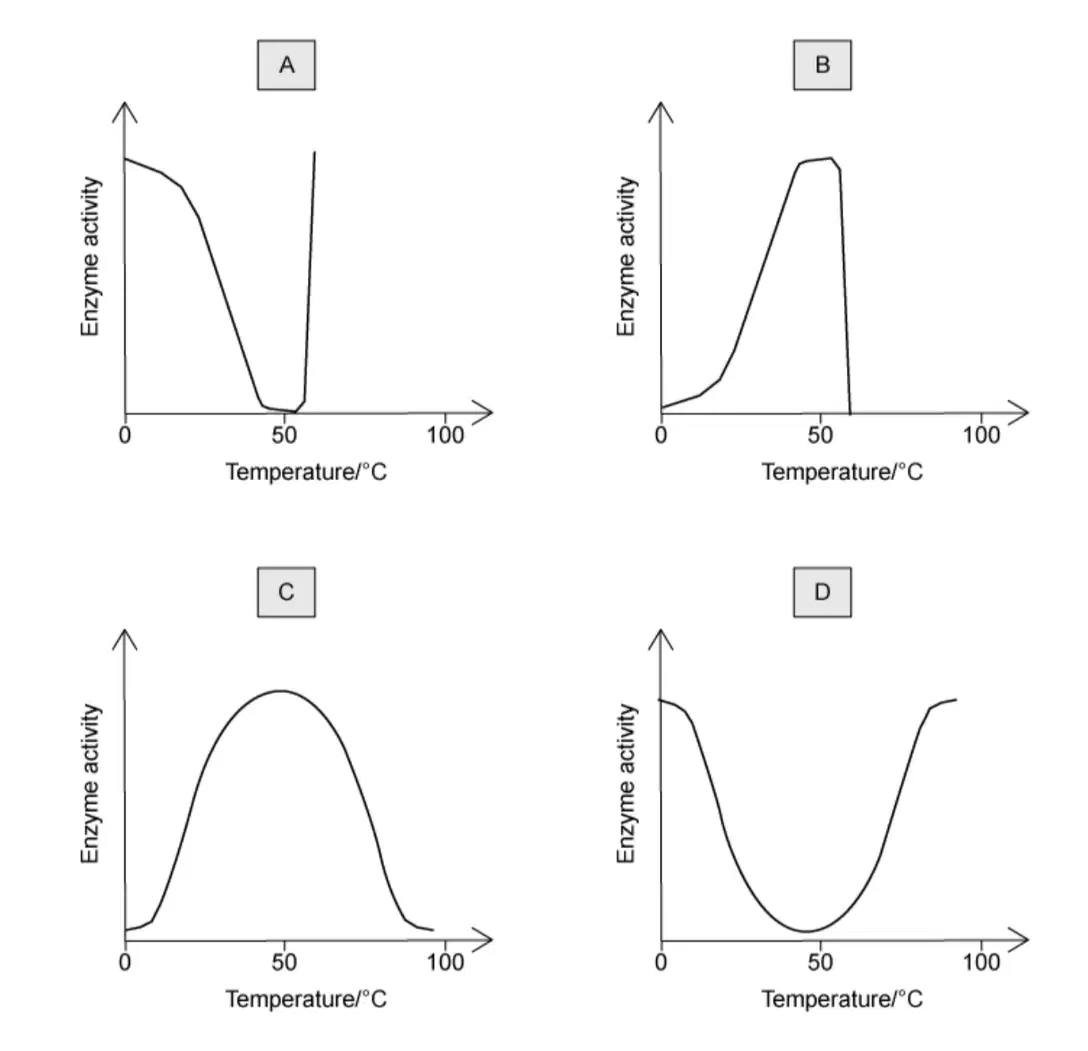
Which graph shows the correct effect of temperature on enzyme activity?
A
B
C
D

Enzymes with their highest activity at an alkaline (basic) pH are represented by which of the following graphs?
I only
II only
III only
I and III only

During which time interval is the reaction rate lowest?
0-1 minute
1-2 minutes
2-3 minutes
3-4 minutes
4-5 minutes

Once substrate fits into enzyme, the enzyme ____________.
changes into a different shape
stays with the substrate forever
changes only slightly
is denatured
The ability of an enzyme to choose/recognize an exact substrate, but not others, is known as (a) .
The shape of the active site on an enzyme must be (a) (互补的) to the shape of its substrate.
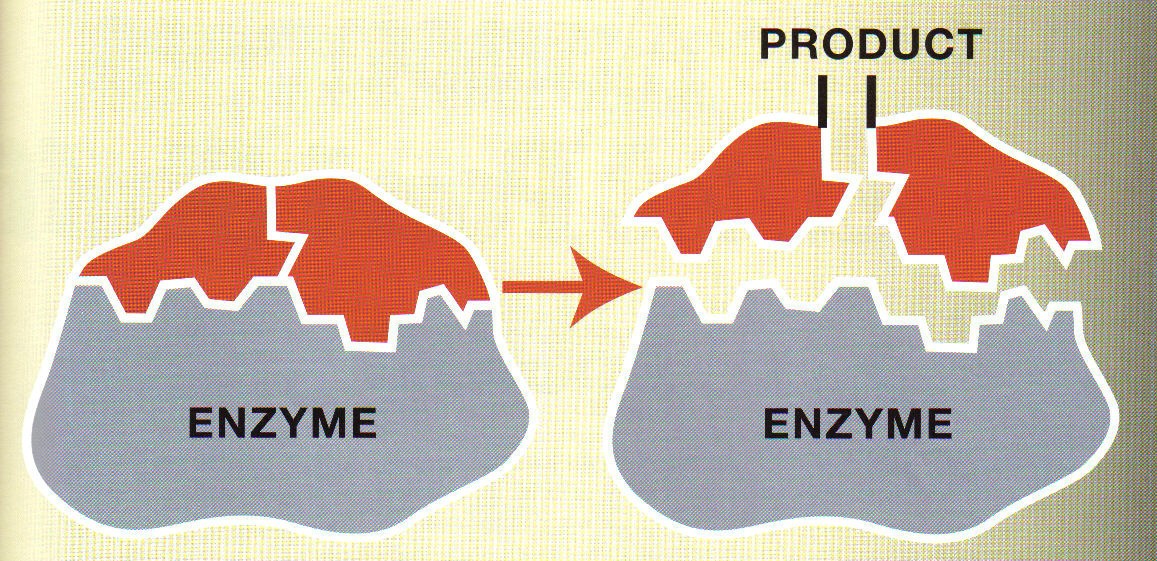
Molecules that bind to enzymes and enhance an enzyme's ability are called:
Cofactors
Competitive Inhibitors
Allosteric Inhibitors
Match the following
Binds to active site to slow reaction
Competitive inhibitor
Binds at a different spot on enzyme to change shape
Allosteric inhibitor
Binds to active site
Substrate
Speeds up a chemical reaction without being used up
Catalyst
Part of enzyme where reactants bind to
Active Site
Which of the following is NOT true about allosteric regulation?
Regulatory molecules will bind to a place on the enzyme that is not the active site
It can amplify or inhibit enzyme activity
Allosteric inhibitors will compete with substrate for the active site
It helps a cell regulate its metabolism
Blocking active site of an enzyme
Due to (a) , when there are too much end products, the key enzyme of the pathway is inhibited by the product molecule to prevent its further production. As a result, the amount of the end product is kept stable.
Which of the following is wrong about phosphorylation of an enzyme?
ATP is often used to provide the phosphate group
A phosphate group is added to an enzyme
The shape of the enzyme is altered
Phosphorylation of the enzyme cannot be reversed
Allosteric inhibitor is also called ______________.
Competitive inhibitor
Noncompetitive inhibitor

