
 Worksheets
Introduction to NORA and Patient Advocacy
Total questions: 30
Worksheet time: 15mins
Which statement best defines Non-Operating Room Anesthesia (NORA) in the context of patient care?
Anesthesia delivered exclusively in traditional operating rooms
Sedation provided by non-physician staff without monitoring
Anesthesia care delivered outside the operating room in locations such as endoscopy or radiology suites
Only local anesthesia administered in outpatient clinics
As a patient advocate in NORA settings, what is the anesthesiologist’s primary responsibility when procedural teams focus on the procedure itself?
Ensure rapid room turnover above all else
Center decisions on the patient’s safety and needs, including appropriate monitoring and airway protection
Delegate monitoring to the proceduralist to reduce staffing
Prioritize completion of the procedure over hemodynamic stability
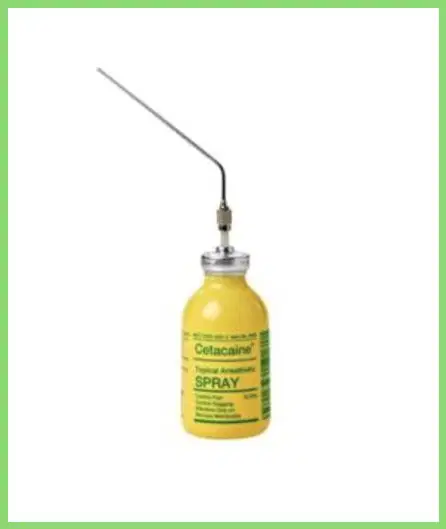
During anesthesia for EGD in a NORA location, which practice is most critical for preventing equipment or dental injury and maintaining safety?
Avoid topicalization to preserve gag reflex
Use a bite block and apply standard monitors with ETCO2 monitoring
Rely solely on benzodiazepines without propofol
Skip capnography if pulse oximetry is normal
Which of the following is a common Non-Operating Room Anesthesia (NORA) location highlighted in the material?
Gastroenterology suite for ERCP
Pediatric vaccination clinic
Physical therapy gym
Ophthalmology outpatient clinic
For ERCP under NORA, which airway approach is more commonly chosen according to the material?
Mask ventilation only
Intubation
Laryngeal mask airway (LMA) preferred
No airway management needed
For bronchoscopy cases involving a rigid bronchoscope, which anesthesia consideration is most accurate?
Inhalational anesthetics are ideal because delivery is enhanced
Rigid airway instrumentation may inhibit delivery of inhalationals and pollute the room
MAC is universally preferred over general anesthesia
Muscle relaxation should be avoided to prevent coughing
What is a primary complication to anticipate during pulmonary lab anesthesia cases?
Hypoglycemia
Airway obstruction
Renal failure
Allergic rash
Why are bronchoscopies described as among the most dangerous cases in the hospital?
Patients are typically low risk and over-monitored
The proceduralist may occupy the glottis/trachea with a flexible scope while patients often have serious problems
They never require emergency drugs or backup support
They are always performed under spinal anesthesia
In preparing for a stressful bronchoscopy under monitored anesthesia care (MAC), which action aligns best with guidance from the material?
Rely on minimal sedation and remove oxygen support
Have emergency drugs and supplies immediately available and ensure a team member can assist if needed
Avoid using midazolam in any dose
Delay the case until the patient is fully optimized and NPO
During code stroke treatments in the IR suite, which patient status should the anesthesia provider most expect?
Optimized, NPO, and hemodynamically stable
Unoptimized, not NPO, and potentially very ill with little time to prepare
Postoperative and recovering uneventfully
Hemodynamically stable with secured airway pre-procedure
Which trend is highlighted regarding Non-Operating Room Anesthesia (NORA) cases in contemporary practice?
Declining frequency and lower patient acuity
Increasing prevalence with higher patient acuity
Stable volume with unchanged patient acuity
Elimination of NORA due to safety concerns
Shift exclusively to outpatient sedation without anesthesia support
For a patient undergoing a Transjugular Intrahepatic Portosystemic Shunt (TIPS), which preparation best reflects appropriate anesthetic planning?
Avoid vasopressors to reduce afterload
Expect minimal comorbidities and rare transfusion needs
Be prepared with strong pressors such as vasopressin, norepinephrine, or epinephrine
Use only opioid analgesia because these patients are opioid naïve
Which statement best characterizes anesthesia planning for cardiac cath/interventional cardiology/electrophysiology lab cases?
General anesthesia is required for all cases to limit radiation exposure
Either MAC or general anesthesia may be used; patients often have significant comorbidities, and medications may exacerbate cardiac abnormalities
Sedation is avoided because it obscures EKG interpretation
These procedures involve minimal fluoroscopy and negligible radiation
In the context of catheter ablations for atrial fibrillation/flutter/VT, which pre-procedure evaluation is recommended to rule out a thrombus in the left atrial appendage?
Chest X-ray
Transesophageal echocardiogram (TEE)
Transthoracic echocardiogram (TTE)
Cardiac MRI
Cardioversion and TEE cases are typically managed with which anesthetic approach?
Inhalational maintenance with sevoflurane
Total intravenous anesthesia (propofol bolus/infusion)
Regional anesthesia with intercostal blocks
Ketamine-only sedation
Which staffing consideration best aligns with NORA environmental requirements for structural heart cases involving elderly patients with significant comorbidities?
Minimal staff, as emergencies are unlikely
A team prepared for emergencies with multiple specialties involved
Only a single anesthetist and the proceduralist
Staff focused solely on post-procedure transport
During a TAVR performed in a NORA setting, a sudden severe drop in blood pressure occurs immediately after valve deployment. Based on the outlined device complication risks, what is the most likely cause that should be communicated to the proceduralist before escalating vasopressors?
Airway obstruction from sedation
Valve malposition blocking the aorta
Inadequate IV access
Protamine overdose
In planning the recovery environment for patients undergoing NORA procedures such as TAVR, which statement is most accurate?
All patients should be discharged directly home from the procedure room if extubated
Patients may extubate in the procedure room but still require unit-based recovery monitoring
Recovery is unnecessary if anticoagulation is reversed with protamine
Only PACU nurses trained for orthopedic cases are required
Which monitoring modality is specifically recommended for detecting ventilation issues during NORA cases performed in remote locations?
Pulse oximetry
Noninvasive blood pressure
Capnography
Temperature probe
According to recommendations for NORA, what equipment availability best aligns with minimizing anesthesia-related risk?
Portable oxygen only
Defibrillator without an anesthesia machine
Full anesthesia machine with standard monitors equivalent to the operating room
Suction and IV pump only
ASA Closed Claims related to NORA most commonly highlight which category of adverse events in remote locations?
Allergic reactions to antibiotics
Respiratory events such as hypoventilation or airway obstruction
Wrong-site surgery
Massive transfusion reactions
In CT-guided procedures described, what is a key logistical challenge for the anesthesia provider?
Limited access to the patient who is deep inside the machine
Excessive ambient noise making communication impossible
High risk of magnetic projectile injuries
Requirement for continuous neuromuscular monitoring via EMG
Which consideration is explicitly highlighted for CT imaging in NORA?
Avoidance of intravenous contrast at all costs
Radiation exposure and the need for patients to remain still
Use of open MRI–compatible equipment
Preference for spontaneous ventilation over GETA in all cases
During PET imaging for malignancy staging, why is early coordination with the PET staff emphasized?
Scanner time is limited to weekdays only
The half-life of certain injectables is short, affecting scheduling
Patients must fast for 24 hours before the scan
General anesthesia is mandatory for PET scans
For pediatric radiation therapy cases requiring sedation, which approach best aligns with safety guidance in NORA settings?
Deep sedation with planned airway instrumentation
Very light sedation while avoiding airway manipulation and planning for distance from help
No sedation under any circumstances
Use of inhalational induction in the treatment room followed by intubation
Which patient factor most increases the risk of contrast-induced nephropathy (CIN) during NORA procedures?
Preexisting chronic kidney disease
Young age with normal renal function
Use of low-osmolar contrast media
Adequate preprocedure hydration
During an interventional radiology NORA case, the patient is on therapeutic anticoagulation. Which strategy best balances bleeding risk with procedural needs?
Continue all anticoagulants regardless of procedure risk
Hold or reverse anticoagulation based on procedure-specific bleeding risk and thromboembolic risk
Delay the case for 30 minutes after last dose only
Administer platelet transfusion routinely before contrast use
Which action helps prevent contrast-induced nephropathy in high‑risk patients undergoing NORA procedures?
Withhold all IV fluids to avoid overload
Use the lowest effective contrast dose and ensure adequate isotonic hydration
Prefer high-osmolar contrast agents to improve imaging
Give diuretics immediately after contrast to force diuresis
For an upper endoscopy (EGD), which patient-related risk most directly guides airway protection planning by the anesthesia provider?
Aspiration of gastric contents due to inadequate airway protection
Malignant hyperthermia triggered by endoscope insertion
High risk of venous air embolism from insufflation
Anaphylaxis to iodine contrast used during EGD
Which complication is specifically associated with EGD and should be communicated in consent and monitored post-procedure?
Gastrointestinal perforation
Tension pneumothorax from CO2 insufflation of the colon
Stroke from carotid manipulation
Acute kidney failure from contrast nephropathy

