
 Worksheets
Unit 8.3 Imperialism Assessment
Total questions: 20
Worksheet time: 19mins
What did America practice before Imperialism and Industrialization?
What is the policy of powerful countries seeking to control the economic and political affairs of weaker nations or regions?
Militarism
Alliances
Imperialism
Nationalism
Match the following reason for Imperialism with the correct description.
The search for materials drove Imperialism. Nations needed raw materials for making new products. Also needed markets to sell goods
GOLD
Duty to spread Christianity and culture to other nations.
GOD
Competition among European nations in Asia and Africa. nations wanted to have the most power. Nations wanted to be the best!!
GLORY

What land did William Seward purchase for the U.S.?
Yellow Journalism:
Roosevelt Corollary:
Rough Riders:

Which reason for Imperialism does this document best show?
Competition among European nations in Asia and Africa. Nations wanted to have the most power. Nations wanted to be the best: GLORY
The search for materials and markets drove imperialism. Nations needed raw materials for making new products: GOLD
Duty to spread Christianity and culture to other nations: GOD

Which reason for Imperialism does this document best show?
Competition among European nations in Asia and Africa. Nations wanted to have the most power. Nations wanted to be the best: GLORY
The search for materials and markets drove imperialism. Nations needed raw materials for making new products: GOLD
Duty to spread culture, education, and religion to other nations: GOD

Which reason for Imperialism does this document best show?
Competition among European nations in Asia and Africa. Nations wanted to have the most power. Nations wanted to be the best: GLORY
The search for materials and markets drove imperialism. Nations needed raw materials for making new products: GOLD
Duty to spread Christianity, and culture to other nations: GOD

Based on the document, what did the Monroe Doctrine and Roosevelt Corollary have in common?
The United States sugar planters wanted Hawaii to become a part of the U.S. because of the profitable sugar plantations.

What policy is the document describing?
Monroe Doctrine
Open Door Policy
Roosevelt Corollary
Panama Canal
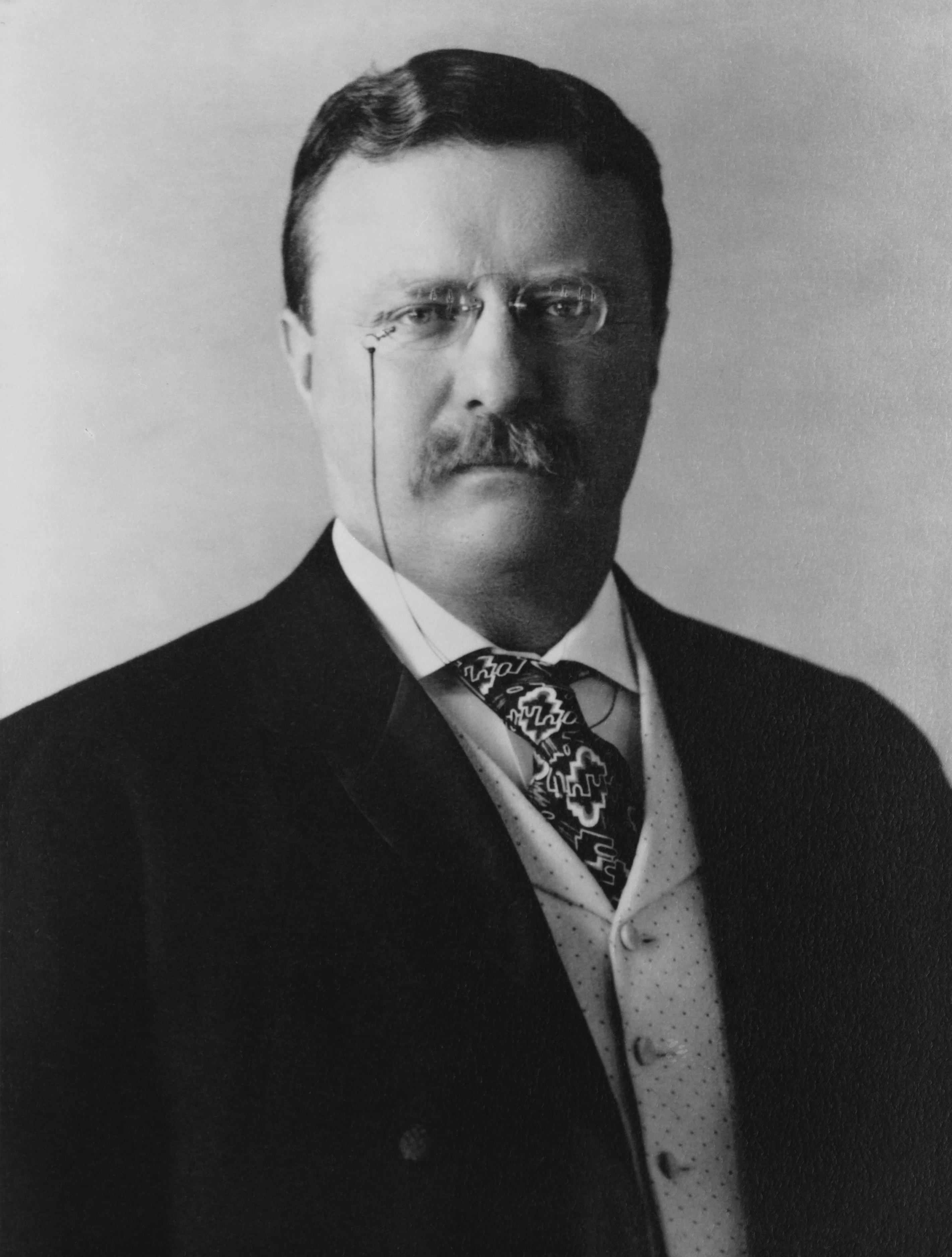
What is the nickname for Roosevelt's foreign policy?
Speak loudly and carry a tissue
Speak fluently and carry and cane
Speak quietly and carry a purse
Speak softly and carry a big stick

Why did the United States want control of Panama? You must use complete sentences and provide a claim and details.

Based on the document, what was the main difference in the effect of the Monroe Doctrine and Roosevelt Corollary? You must use complete sentences, provide a claim, and details from the document.

What was the main goal of the document "The Spanish Brute"? You must use complete sentences, provide a claim, and details from the document.

Using the documents and your knowledge of social studies, answer the following question. You must use complete sentences, provide a claim, and two details from the documents.
What reasons did the United States have for wanting to acquire the Hawaiian Islands?

