
 Worksheets
Overview - Cell Energetics
Total questions: 252
Worksheet time: 3hrs 16mins
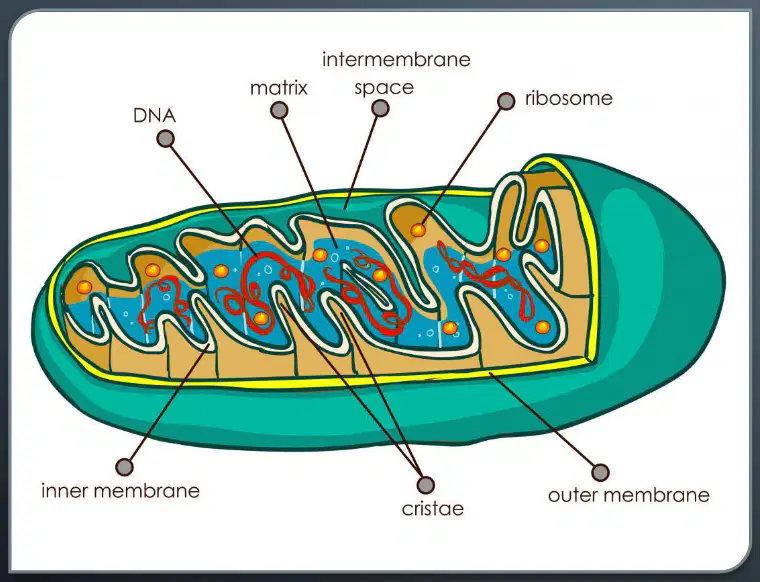
What are the two types of membranes found in the mitochondria?
Outer and inner membranes
Plasma and nuclear membranes
Thylakoid and grana membranes
Cell wall and cytoplasmic membranes
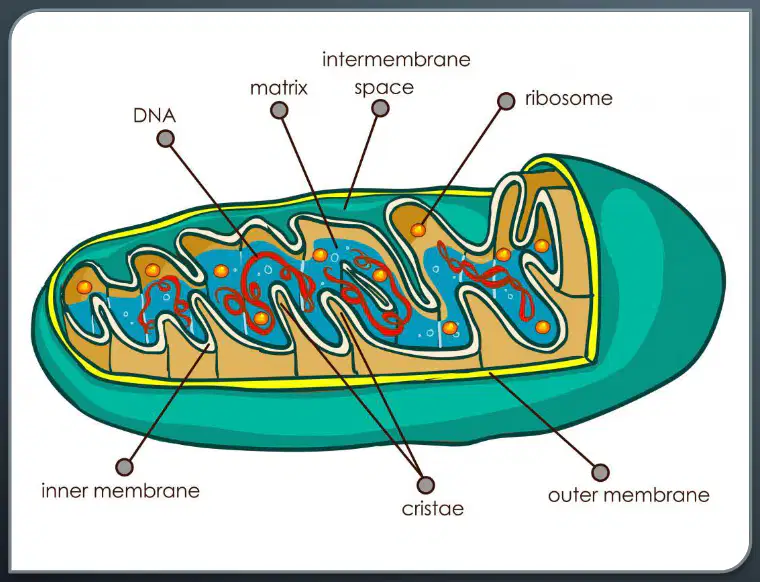
What are cristae in the mitochondria?
Cristae are inner membrane folds that increase surface area to increase ATP production.
Cristae are outer membrane proteins involved in cell signaling.
Cristae are DNA segments found in the mitochondrial matrix.
Cristae are enzymes responsible for breaking down glucose.
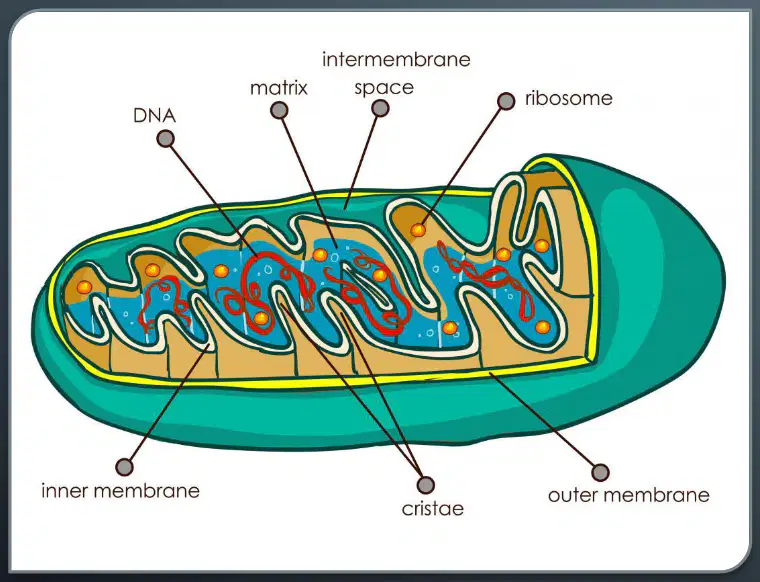
What is the function of the intermembrane space in the mitochondria?
The intermembrane space is a fluid-filled space between membranes where H+ gradient builds.
It is the site of DNA replication in the mitochondria.
It stores calcium ions for cellular signaling.
It is where the citric acid cycle occurs.
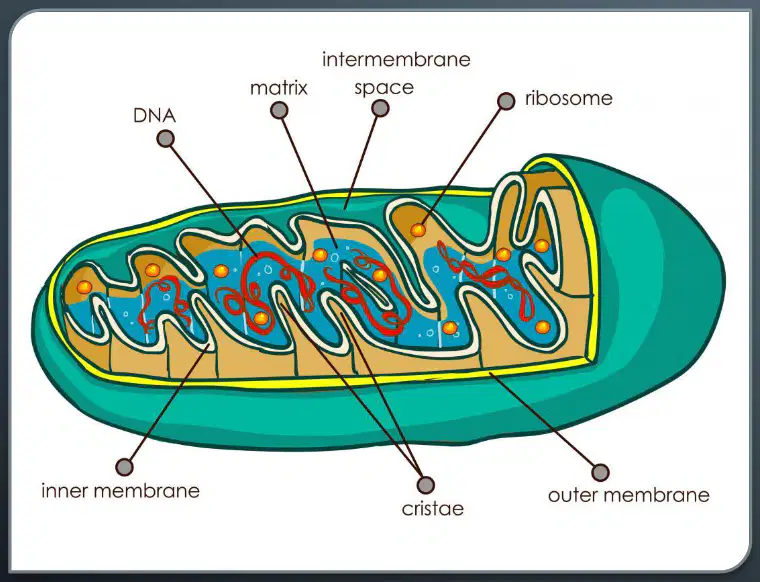
What is the matrix in the mitochondria?
The matrix is a fluid-like substance that fills the space inside the mitochondria.
The matrix is the outer membrane of the mitochondria.
The matrix is the space between the inner and outer membranes of the mitochondria.
The matrix is a type of protein found in the mitochondria.
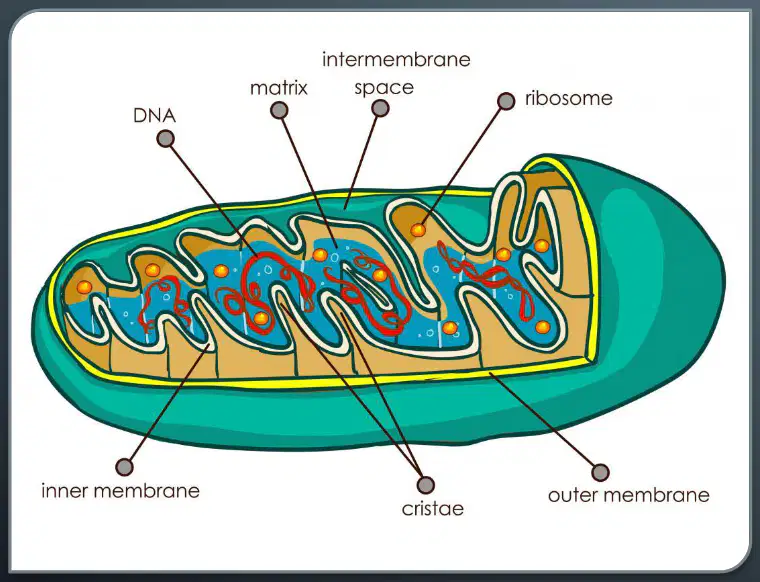
Which part of the mitochondria increases surface area to increase ATP production?
Matrix
Cristae
Outer membrane
Ribosome
What type of respiration occurs without O2?
Anaerobic respiration
Aerobic respiration
Cellular respiration
Photosynthesis
Where does anaerobic respiration occur?
Cytosol
Mitochondria
Nucleus
Chloroplast
Where does aerobic respiration occur?
Mitochondria
Cytoplasm
Nucleus
Ribosome
Which of the following is the first stage of cell respiration?
Krebs Cycle
Glycolysis
Electron Transport Chain
Pyruvate Oxidation
Fill in the blank: The four metabolic stages of cell respiration are Glycolysis, Pyruvate Oxidation, Krebs Cycle, and _________.
Electron Transport Chain
Photosynthesis
Fermentation
Calvin Cycle
How many ATP molecules are produced by substrate-level phosphorylation during glycolysis?
2 ATP
4 ATP
34 ATP
36 ATP
Which molecules donate electrons to the electron transport chain in oxidative phosphorylation?
NADH and FADH2
Glucose and pyruvate
ATP and ADP
Acetyl CoA and CO2
What is glycolysis?
The process of breaking down glucose into two molecules of pyruvate
The process of forming glucose from pyruvate
The process of breaking down proteins into amino acids
The process of breaking down fats into fatty acids
Fill in the blank: Glycolysis generates only __ ATP per 1 glucose.
2
4
6
8
Glycolysis is where energy transfer first evolved.
True
False
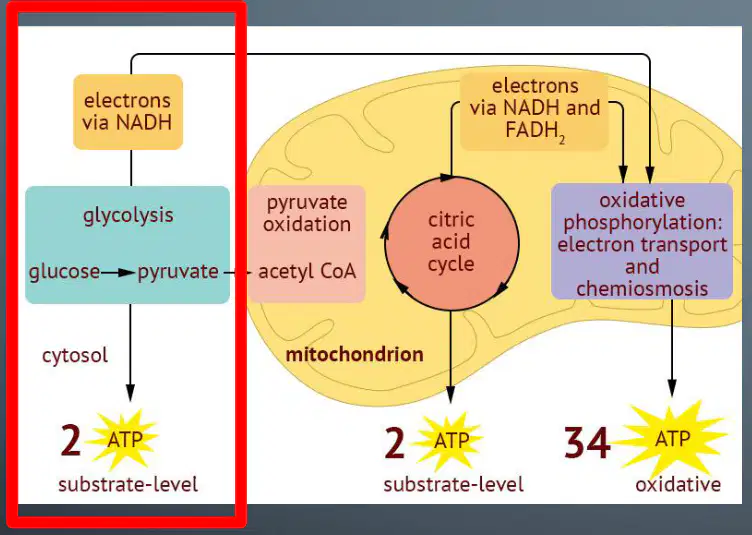
How many ATP are produced by substrate-level phosphorylation during glycolysis?
2 ATP
1 ATP
4 ATP
0 ATP
What is the end product of glycolysis from one molecule of glucose?
2 molecules of Pyruvate
2 molecules of Acetyl-CoA
1 molecule of Fructose
2 molecules of Oxaloacetate
Fill in the blank: Glycolysis uses __ ATP to break glucose, but generates 4 ATP, resulting in a net gain of __ ATP.
2; 2
4; 2
2; 4
1; 3
2 ATP are recycled to keep the glycolysis reaction going.
True
False
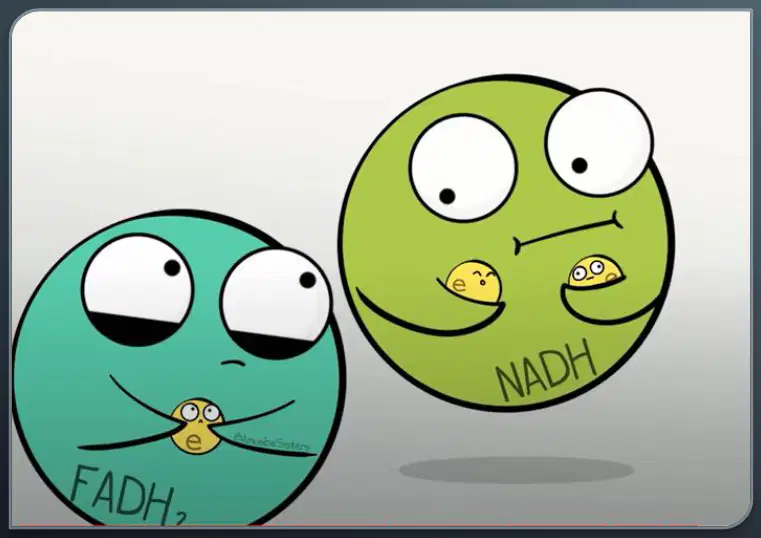
What are NAD+ and FAD?
Enzymes
Coenzymes and electron carriers
Hormones
Proteins
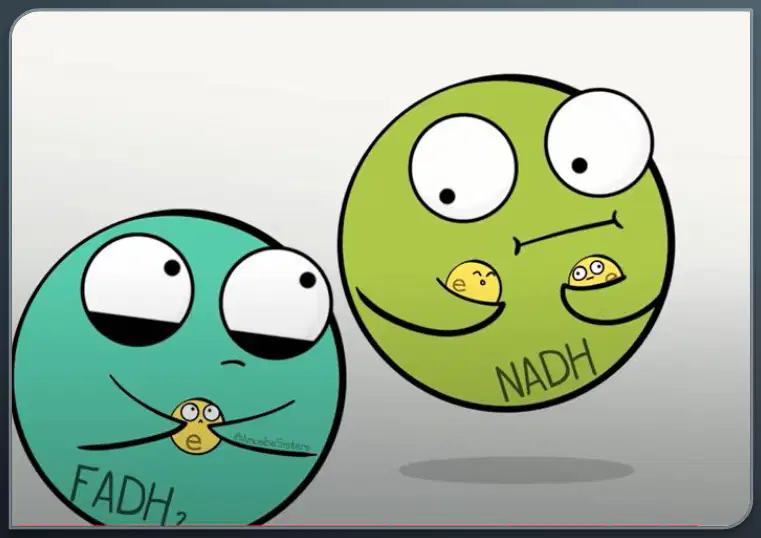
NAD+ and FAD are produced to transport which of the following to the electron transport chain?
Oxygen and carbon dioxide
H+ ions and electrons
Glucose and ATP
Water and sodium ions
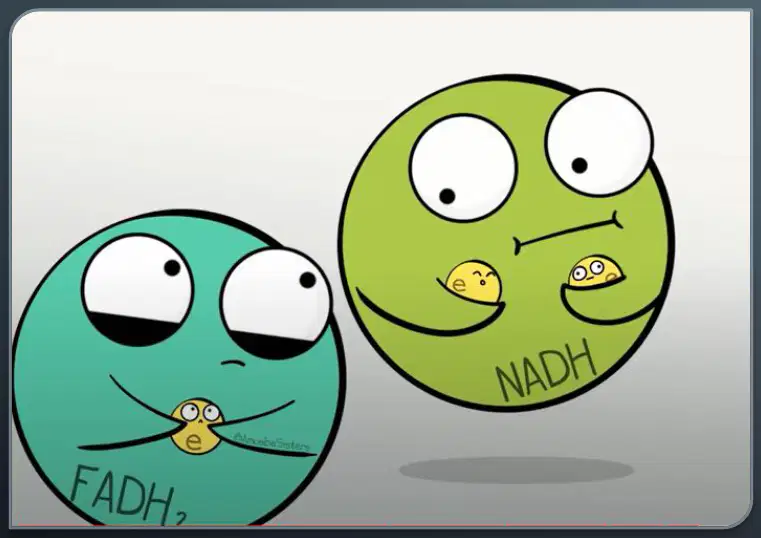
Fill in the blank: NAD+ and FAD act as "taxi cabs" that are produced to transport _______ and electrons to the electron transport chain.
H+ ions
CO2 molecules
ATP molecules
O2 molecules
What does the mnemonic 'OIL RIG' help you remember in the context of electron transport?
OIL RIG stands for 'Oxidation Is Loss, Reduction Is Gain' of electrons.
OIL RIG stands for 'Oxygen Is Lost, Respiration Is Gained'.
OIL RIG stands for 'Oxidation Increases Light, Respiration Increases Glucose'.
OIL RIG stands for 'Osmosis Is Limited, Respiration Is Gradual'.

What does glycolysis convert 1 glucose molecule into?
2 ATP
2 pyruvate
4 NADH
2 CO2
What is the net yield of ATP and NADH from glycolysis?
4 ATP and 2 NADH
2 ATP and 2 NADH
2 ATP and 4 NADH
2 ATP and 4 FADH2
NAD+ is ______ to NADH.
reduced
oxidized
hydrolyzed
phosphorylated
When NAD+ is reduced to NADH, what does it gain?
Protons
Electrons
Neutrons
Energy
If no oxygen is present, where does anaerobic respiration (fermentation) take place?
In the cytoplasm
In the mitochondria
In the nucleus
In the chloroplast
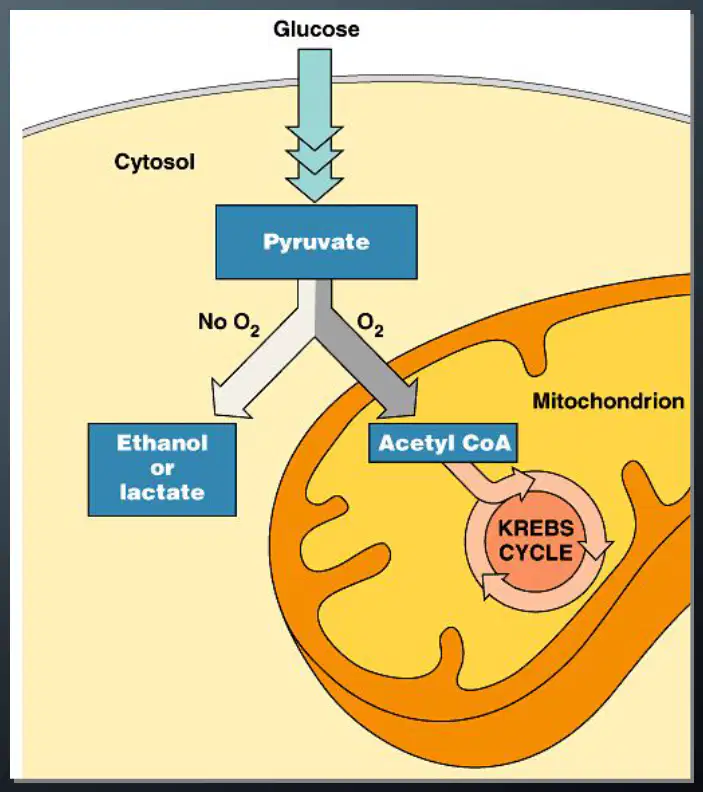
Fill in the blank: In the presence of oxygen, pyruvate enters the _______ and is used in the Krebs cycle.
mitochondria
cytoplasm
nucleus
ribosome
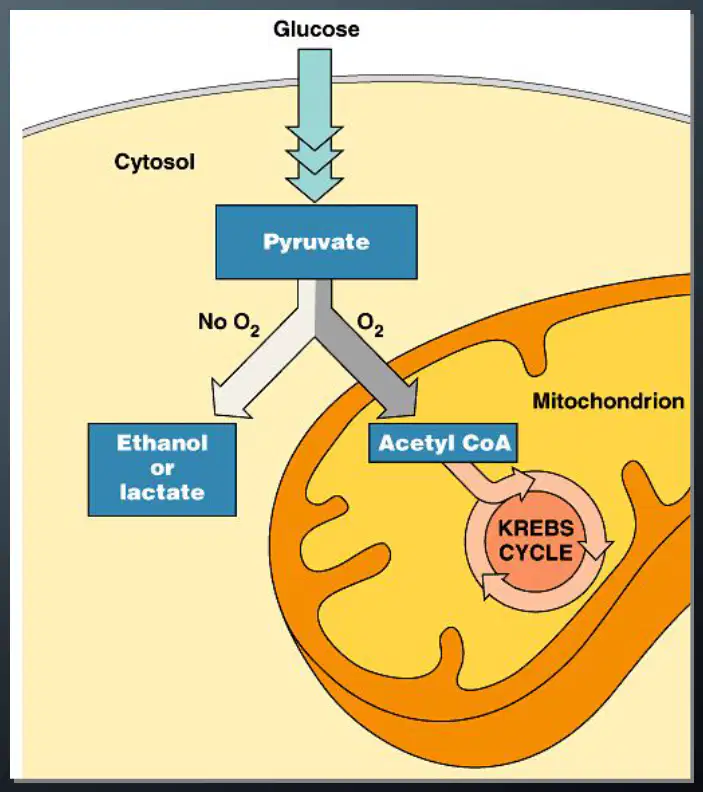
Which of the following is NOT a product of anaerobic respiration?
Ethanol
Lactate
Acetyl CoA
Oxygen
Lactic acid fermentation is done by which of the following?
Only plants
Only animals
Animals and some fungi
Only bacteria
In humans, lactic acid fermentation occurs when your muscles cannot get enough ______ to keep up with demand, causing burning or soreness.
oxygen
glucose
carbon dioxide
water
During lactic acid fermentation, NADH is converted back to NAD+ to be recycled back into which process?
Photosynthesis
Glycolysis
Krebs Cycle
Electron Transport Chain
Alcohol fermentation occurs in which type of organism?
Multicellular plants
Single celled eukaryote called yeast and in bacteria
Animals
Viruses
Fill in the blanks for the following chemical equation of alcohol fermentation: glucose + yeast → _______ + carbon dioxide
ethanol
lactic acid
acetic acid
methanol
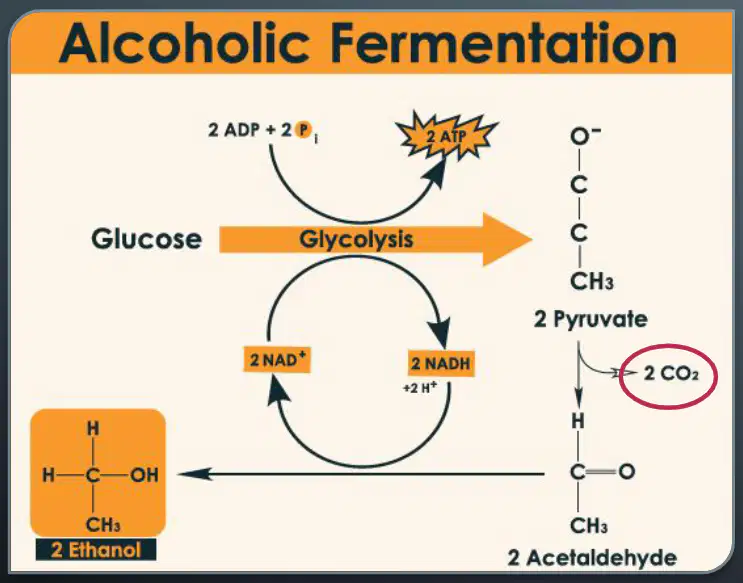
According to the process of alcohol fermentation, what is pyruvate converted into?
Lactic acid and CO2
Ethanol and CO2
Glucose and ATP
NADH and ATP

Fill in the blank: Alcohol fermentation produces only __ ATP per glucose molecule.
2
4
36
32
If O2 is available, pyruvate enters the mitochondria, specifically the ________.
mitochondrial matrix
mitochondrial membrane
cytoplasm
nucleus
What is pyruvate converted into during the oxidation of pyruvate?
Acetyl Coenzyme A and CO2
Lactic acid and NADH
Glucose and ATP
Ethanol and CO2
How many acetyl CoA molecules are produced from the oxidation of two pyruvate molecules?
2
1
3
4
What is another name for the Krebs Cycle?
Calvin Cycle
Citric Acid Cycle
Glycolysis
Electron Transport Chain
List the stages of cellular respiration in order.
1. Glycolysis, 2. Fermentation, 3. Citric Acid Cycle (Krebs Cycle), 4. Oxidative Phosphorylation
1. Glycolysis, 2. Citric Acid Cycle (Krebs Cycle), 3. Oxidative Phosphorylation
1. Citric Acid Cycle (Krebs Cycle), 2. Glycolysis, 3. Oxidative Phosphorylation
1. Glycolysis, 2. Citric Acid Cycle (Krebs Cycle), 3. Fermentation
Where is most of the energy from glucose stored at the end of the Krebs cycle?
In ATP
In FADH2
In NADH
In glucose itself
What is the primary role of oxygen in cellular respiration?
Oxygen is used to produce glucose.
Oxygen acts as an acceptor for electrons and hydrogen, forming water.
Oxygen is a byproduct of cellular respiration.
Oxygen is converted into carbon dioxide during respiration.


What is the correct equation for cellular respiration?
6O2 + C6H12O6 -> 6CO2 + 6H2O + Energy
6O2 + C6H12O6 + Energy -> 6CO2 + 6H2O
6CO2 + 6H2O -> 6O2 + C6H12O6 + Energy
6CO2 + 6H2O + Energy -> 6O2 + C6H12O6

Which of the following is FALSE about this process?
the pH of the intermembrane space is more acidic than the matrix
the H+ is using facilitated diffusion as it passes through the ATP synthase
ATP is used to move the H+ against its gradient along the ETC
O2 gas is needed to remove the low energy electrons from the ETC

ATP synthase directly uses _____________ to spin in order to connect phosphate onto ADP
diffusion from a proton gradient
diffusion from an electron gradient
active transport of a proton gradient
active transport of an electron gradient
If the ETC was blocked by cyanide what would happen?
the mitochondrion would over heat
excessive NAD+ would build up in the cells and blood
oxygen levels would decrease
NADH and FADH2 would be in high levels
All of the follow occur anaerobically EXCEPT
glycolysis
fermentation
Krebs cycle
What is FALSE about ATP synthase
it can be found in the mitochodrion and chloroplast
it is an enzyme with two substrates, ADP and a phosphate
it is a transport protein
it actively transports H+ across membranes
Krebs cycle: products?
ATP, NADH, FADH2, CO2
ATP, 2 NADH, 2 FADH2, CO2
ATP, 3 NADH, FADH2, 2 CO2
2 ATP, NADH, FADH2, 2 CO2

Chemiosmosis is best described as...
Moving high energy electrons through carrier molecules toward oxygen
The use of a proton gradient to power ATP Synthase and produce ATP
The breakdown of pyruvate into electron carrier molecules
The enzyme that combines ADP and inorganic phosphate to produce ATP
Enzymes ___________________ activation energy to speed up chemical reactions.
increase
decrease
How does the active site of an enzyme determine the substrate for that enzyme?
The active site has the right polarity to interact with the substrate.
The active site is hydrophobic and interacts with other hydrophobic amino acids on the substrate
The active site has a specific shape that fits the shape of the substrate
The active site uses energy to form covalent bonds with the substrate
How does a competitive inhibitor affect an enzymes function?
It binds to an allosteric site that alters the shape of the enzyme
It changes the polarity of the enzyme, decreasing the rate of reaction
It denatures the enzyme which increases the activation energy for the reaction.
It binds to the active site, preventing the enzyme from catalyzing the reaction
Which of these factors can affect the initial rate of an enzyme reaction?
Enzyme concentration
Substrate concentration
Temperature
pH
All of the above
Why is the hydrolysis of ATP important to a cells function?
It provides a source of phosphate for the cell.
It releases energy that can be used to power cellular processes
It absorbs excess hydrogen ions in the cell to regulate the internal pH
It acts as a catalyst for chemical reactions in the cell.
What are the products of the Krebs Cycle?
Pyruvate, water, ATP, NADH
Acetyl CoA, NADH
NADH, FADH2, carbon dioxide, ATP
ATP, glucose
What process creates the proton motive force in cellular respiration?
The electron transport chain
The hydrolysis of ATP
Chemiosmosis
The Citric Acid cycle
What powers the ATP synthase enzymes in mitochondria and chloroplasts?
The energy absorbed during the light reactions.
The electronegativity of oxygen
Energy released by breaking the chemical bonds in glucose
The diffusion of hydrogen
What is the function of NAD in cellular respiration?
It catalyzes the conversion of glucose into ATP
It provides inorganic phosphate needed by ATP synthase
It acts as an electron and proton acceptor to carry energy to the electron transport chain
It is the coenzyme needed to convert glucose into pyruvate
Which of the following describe the function of a double membrane system in mitochondria?
The outer membrane allows the transport of all molecules into the intermembrane space, while the inner membrane serves as the regulatory boundary.
The inner membrane has specialized proteins that create a hydrogen ion concentration gradient between the intermembrane space and the matrix.
The outer membrane contains transport proteins that establish a sodium ion concentration gradient used for ATP production, while the inner membrane contains transport proteins that establish a hydrogen ion concentration gradient used for glucose production.
The toxins and wastes entering the cell cross the outer membrane and are detoxified by digestive enzymes stored within the intermembrane space.

ADP is converted into ATP by...
An enzyme removing a phosphate group.
An enzyme adding a phosphate group.
An enzyme changing the charge of ADP.
The spontaneous addition of a phosphate group.
In glycolysis, _____ is oxidized and _____ is reduced.
glucose, NAD+
pyruvate, NAD+
glucose, NADH
pyruvate, NADH

The figure shows an organelle typically found in eukaryotic cells. Which of the following best describes the function of the double membrane system of this organelle?
The outer membrane allows the transport of all molecules into the intermembrane space, while the inner membrane serves as the regulatory boundary.
The inner membrane has specialized proteins that create a hydrogen ion concentration gradient between the intermembrane space and the matrix.
The outer membrane contains transport proteins that establish a sodium ion concentration gradient used for ATP production, while the inner membrane contains transport proteins that establish a hydrogen ion concentration gradient used for glucose production.
The toxins and wastes entering a cell cross the outer membrane and are detoxified by digestive enzymes stored within the intermembrane space.

Scientists were interested in testing the effects of rotenone, a broad-spectrum pesticide, on a cell culture. Cell culture AA was used as a control, while culture BB was treated with rotenone. After a period of time, the scientists measured the concentration of several metabolites in the mitochondria of cells in both cultures. Their results are shown in the table. Based on the data in the table, which of the following best explains the effects of rotenone on cellular respiration?
Rotenone acts as an inhibitor of the enzymes in the Krebs cycle.
NADH, produced during glycolysis, is not able to enter the mitochondria because transport proteins are blocked from entering.
Treated cells are not able to break down NADH because certain enzymes of the electron transport chain are inhibited.
Rotenone acts as an allosteric inhibitor of glycolytic enzymes, thus inhibiting cellular respiration.

The figures illustrate the similarities between ATP synthesis in mitochondria and chloroplasts. The figures can best assist in answering which of the following questions?
Do electron transport chains create a gradient so that ATP synthase can generate ATP molecules?
What are the sources of energy that drive mitochondrial and chloroplast electron transport systems?
What is the optimal temperature at which ATP synthase chemically converts ADP and a phosphate group into one molecule of ATP?
What is the evolutionary relationship between the ATP synthase in mitochondria and the ATP synthase in chloroplasts?
Pyruvate dehydrogenase is an enzyme that converts pyruvate to acetyl-CoA. Acetyl-CoA is further metabolized in the Krebs cycle. A researcher measured the accumulation of acetyl-CoA in a reaction containing pyruvate and pyruvate dehydrogenase under several different conditions. Which of the following best describes the cellular location where pyruvate dehydrogenase is most likely active?
The cytosol
The lysosomes
The nucleus
The mitochondrial matrix
A researcher claims that the synthesis of ATP from ADP and inorganic phosphate (Pi) is essential to cellular function. Which of the following statements best helps justify the researcher’s claim?
ADP is a small molecule that some cells release into their environment as a way of communicating with other cells.
ATP hydrolysis is an energy-releasing reaction that is often coupled with reactions that require an input of energy.
Inorganic phosphate (Pi) is a substance that cells typically acquire from their environment.
ATP synthase is a mitochondrial enzyme that catalyzes the conversion of ADP and Pi to ATP.
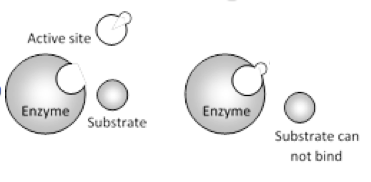
This image shows...
Competitive Inhibition
Uncompetitive Inhibition
Noncompetitive Inhibition
Normal enzyme function
Label the Diagram of the second and third stage of aerobic cellular respiration:
32-34 ATP
Krebs Cycle
Electron Transport Chain
2 ATP
Label the Diagram of the first stage of aerobic cellular respiration:
Glucose
2 Pyruvate
Glycolysis
2 ATP
Identify the structures on the mitochondria:
Outer membrane
Cristae
Inner membrane
Mitochondrial matrix

Which statement is true according to the image?
A: endergonic; B: exergonic
A: exothermic; B: endothermic
A: exergonic; B: endergonic
A: endothermic; B: exothermic
Which of the following properly describes the metabolic role of fermentation in certain cells?
It is an exergonic reaction that fuels the endergonic phosphorylation of ADP to ATP
It oxidizes NADH to NAD+ allowing for glycolysis to continue
It produces FADH molecules used in oxidative phosphorylation
It removes the oxygen to produce an aerobic condition
An allosteric inhibitor does which of the following?
Binds to an enzyme away from the active site and changes the conformation of the active site, increasing its affinity for substrate binding
Binds to the active site and blocks it from binding substrate
Binds to an enzyme away from the active site and changes the conformation of the active site, decreasing its affinity for the substrate
Binds directly to the active site and mimics the substrate
The enzyme creatine phosphokinase is known to directly participate in the phosphorylation of ADP to ATP. High levels of ADP would most likely
increase the activity of the enzyme
decrease the activity of the enzyme
over stimulate the enzyme's active site causing denaturation
act as an allosteric inhibitor
During aerobic respiration, electrons travel downhill in which sequence?
glucose → pyruvate → ATP → oxygen
glucose → ATP → ETC → NADH
glucose → NADH → ETC → oxygen
glucose → ATP → FADH2 → citric acid

A degradative process such as cellular respiration can also be known as...
catabolic pathway
kinetic pathway
endergonic pathway
anabolic pathway


How many 6-carbon sugar molecules are produced from every six molecules of carbon dioxide that enter the Calvin cycle?
1
3
6
12
The H+ concentration gradient is formed to
make NADPH
split a water molecule
generate ATP
form water
Rubisco is important in which step of photosynthesis
energizing the electrons in chlorophyll
carbon fixation when CO2 is connected to RUBP during calvin cycle
regeneration phase as RUBP is made during calvin cycle
reduction of the carbon chain during the calvin cycle
If the proton (H+) pump in the thylakoid was not working which molecule could not be made during the light reaction?
NADPH
ATP
Water
Oxygen gas
Which of the following would have the least affect on photosynthetic rate?
increase the temp from 20°C to 30°C
increasing the CO2 from 400 ppm to 600ppm
increasing the light intesity from 40 Watts to 60 Watts
increasing the amount of O2 from 20% to 30% in the air
Plants obtain CO2 into the chloroplast by
active transport
diffusion
facilitated diffusion
endocytosis
ATP is made during the light reaction using all of the following EXCEPT
proton pump
hydrogen ion gradient
electron energy from photosystem II
NADPH donating electrons
During noncyclic photophosphorylation all of the following occur EXCEPT
ATP is made using electron energy that will leave on NADPH
results in oxygen gas being produced
water is split (photolysis)
electrons from photosystem 1 return back to photosystem 1
Predict which of the following plants would have the most oxygen produced in 1 hour?
A plant given red light only
A plant given blue light only
A plant given white light
A plant given green light only
Where does the oxygen produced in the light dependent reactions of photosynthesis come from?
chlorophyll
carbon dioxide
the atmosphere
water

Which option best explains how photosystem II produces a high energy molecule?
excited electrons from chlorophyll pass though an ETC and are captured by NADP+ to make NADPH.
excited electrons from chlorophyll pass though an ETC that pumps H+ into the thylakoid. ATP synthase uses the H+ concentration gradient to make ATP.
excited electrons from chlorophyll pass though an ETC that pumps H+ into the thylakoid. The H+ is used to convert NADP+ to NADPH.

Which of the following is NOT a product of the light reactions in photosynthesis?
Oxygen
Glucose
NADPH
ATP
This image shows...
Competitive Inhibition
Uncompetitive Inhibition
Noncompetitive Inhibition
Normal enzyme function

The location where the enzyme and substrate bind is the...
allosteric site
inhibition site
reaction site
active site

The point of the Krebs Cycle is to...
Produce high amounts of ATP using a proton gradient
Move high energy electrons through series of proteins to eventually bind with O2, creating water and protons
Break down pyruvate to produce electron carrier molecules, FADH2 and NADH, as well as CO2 and ATP as byproducts
Use ATP and NADPH to produce 6 carbon sugars
Which of the following is NOT a product of the light reactions in photosynthesis?
Oxygen
Glucose
NADPH
ATP
Enzyme X has an optimum rate of reaction at 97 degrees Fahrenheit. How would rate of reaction be affected if temperature fell to 92 degrees Fahrenheit?
increase - not as hot
decrease - no substrate would be produced
increase - more substrate would be produced
decrease - cause a change in the shape of the protein

Which enzyme functions best in acidic environments?
neither enzyme
Enzyme A
Enzyme B
Both enzymes
What is true of glycolysis?
produces a net of 2 ATP
occurs in the mitochondria
produces ATP through oxidative phosphorylation
produces 34ish ATP
all of the above are true
Which of the following colors would most likely be used for energy during photosynthesis?
green
red
yellow
all colors are absorbed equally
Where do the light dependent reactions occur?
stroma
matrix
inner membrane of the mitochondria
thylakoid membrane
The break down of larger molecules into small one.
metabolism
catabolism
anabolism
oxidation
sum of all chemical reactions
chemosynthesis
cellular respiration
metabolism
photosynthesis


What is true of the reaction shown in the image?
Adding more enzyme will increase the reaction rate
Increasing the temperature will increase the reaction rate
Adding more substrate will increase the reaction rate
Increasing the pH will increase the reaction rate
Which statement about photosynthesis is true?
The light reactions produce ATP and NADPH that are used in the Calvin cycle
The Calvin cycle produces NAD+ and ADP that are then used in the light reactions
The Calvin cycle produces G3P
All of these statements are true

The light reactions take place in the ____________
Cytoplasm
Stroma
Thylakoid
Matrix
The Calvin cycle takes place in the _____________
Cytoplasm
Stroma
Thylakoid
Matrix
Oxygen that is a byproduct of photosynthesis comes from ___________
Glucose
Carbon Dioxide
Water
NADPH
The transfer of electrons accompanied by movement of protons to build up a gradient ___________
Happens in photosynthesis only
Does not happen in photosynthesis or respiration
Happens in respiration only
Happens in both photosynthesis and respiration
How do you overcome a competitive inhibitor?
Add more ATP
Add more inhibitor
Add more products
Add more reactants
Which step of photosynthesis stores solar energy as ATP?
Calvin Cycle
Glycolysis
Krebs Cycle
Light Reactions
Which step of photosynthesis stores high energy electrons as NADPH?
Calvin Cycle
Glycolysis
Krebs Cycle
Light Reactions
Which step of photosynthesis synthesizes G3P?
Calvin Cycle
Glycolysis
Krebs Cycle
Light Reactions
Where does photolysis take place?
Cytosol
Photosystem I
Photosystem II
Stroma
What is the product of the Calvin Cycle?
3PG
G3P
PGAL
RuBP
After running a marathon, Uma's muscle cells would contain decreased amounts of ______ and increased amounts of ______.
ATP
oxygen
oxygen
lactic acid
glucose
ATP
glucose
oxygen
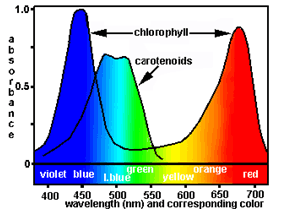

Which plant would have the most oxygen produced in 1 hour?
plant given red light only
plant given blue light only
plant given white light
plant given green light only
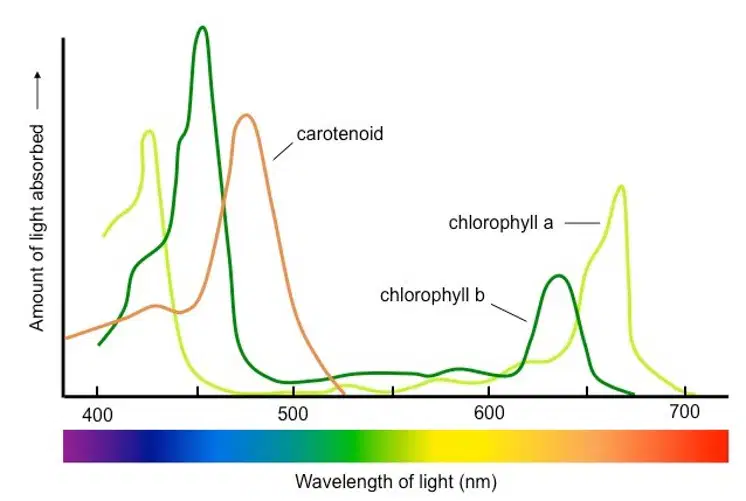
Which of the following best explains what the graph shows?
Pigments capture light energy more efficiently at higher wavelengths than at lower wavelengths.
Pigments capture light energy more efficiently at lower wavelengths than at higher wavelengths.
Pigments capture light energy most efficiently within a specific range of wavelengths.
Pigments capture light energy efficiently at all wavelengths.
What is the importance of Acetyl CoA in cellular respiration?
Acetyl CoA is the starting point for the Krebs cycle and is involved in energy production and synthesis of important molecules.
Label the structures of a chloroplast.
thylakoid
granum
stroma
What happens in the light-dependent reaction of photosynthesis?
Light energy is absorbed by chlorophyll and used to convert water into ATP/NADPH.
Which of the following explains how enzymes catalyze a reaction?
The binding of the substrate to the active site of an enzyme stabilizes it in its transition state, which decreases the activation energy of the reaction.
The binding of the substrate to the active site of an enzyme stabilizes both the reactant and the product, which increases the overall energy transfer in the reaction.
The binding of the substrate to the active site of an enzyme stabilizes the reactant, which decreases the free-energy change of the reaction.
The binding of the substrate to the active site of an enzyme stabilizes the product, which increases the amount of energy released by the reaction.
Which of the following is NOT one of the stages of the Calvin Cycle?
Regeneration of RuBP
Carbon Fixation
Reduction
G3P Production
Which molecule is responsible for carbon fixation in the calvin cycle?
RuBP
Rubisco
NADPH
Reductase
The calvin cycle produces ____ molecules of G3P per turn, but only ___ is considered a net gain.
5, 1
6, 1
4, 1
3, 1
Which of the following is the sugar molecule DIRECTLY produced during the calvin cycle?
Glucose
ATP
G3P
RuBP

The graph shows the absorption spectrum for chlorophyll a and the action spectrum for photosynthesis. Based on the information in the graph, which wavelengths lead to the least absorbance?
400-500
500-600
600-700
700-750
A student does an experiment to measure the rate of photosynthesis of spinach leaf disks. She decides to compare different colors of water to see if they affect the rate. Which color would you expect to have the highest rate of photosynthesis based on your knowledge of light and photosynthesis?
Green
Blue
Red
Clear
During photosynthesis, electrons travel downhill in which sequence?
food → NADH → electron transport chain → oxygen
glucose → pyruvate → ATP → oxygen
water → photosystem II → electron transport chain → NADPH
light → electron transport chain → chlorophyll --> ATP
To test the hypothesis that a particular plant synthesizes storage lipids by using G3P from photosynthesis, a researcher plans to use radiolabeled precursors to track the molecules through the biosynthetic pathway. Which of the following radiolabeled precursors is most appropriate for the research to use?
15Nitrogen-labeled N2, because atmosphere nitrogen is fixed to amino acids by photosynthesis.
14Carbon-labeled CO2, because atmosphere carbon is fixed to carbohydrates by photosynthesis.
35Sulfur-labeled methionine, because amino acids are incorporated into lipids during photosynthesis.
32Phosphorous-labeled phosphate, because lipids are stored in plants as phospholipids.
Assume a thylakoid is somehow punctured so that the interior of the thylakoid is no longer separated from the stroma. This damage will have the most direct effect on which of the following processes?
the splitting of water
the flow of electrons from photosystem II to photosystem I
the synthesis of ATP
the reduction of NADP+
What is Carbon Fixation?
When 3-PG is being converted into G3P
When sugar and energy interact to form the molecule RuBP making the cycle start again
When RuBP is being formed
It incorporates CO2 and binds it to RuBP using rubisco
What is reduction?
When RuBP is being formed
It incorporates CO2 and binds it to RuBP using rubisco
When sugar and energy interact to form the molecule RuBP making the cycle start again
When 3-PG is being converted into G3P
What is regeneration?
When energy and sugar interact to form the molecule RuBP making the cycle start again
It incorporated CO2 and binds it to RuBP using rubisco
When RuBP is formed
When 3-PG is being converted into G3P
Which system happens first?
Calvin Cycle
Photosystem I
Photosystem II

Letter H is called the
Glycolysis
Krebs cycle
Calvin cycle
electron transport chain

What letter is the light reaction?
a
b
c
d
e

This diagram is of the
Krebs Cycle
CAlvin Cycle
electron transport chain
thylakoid membrane
If the proton (H+) pump in the thylakoid was not working which molecule could not be made during the light reaction?
NADPH
ATP
Water
Oxygen gas
ATP is made during the light reaction using all of the following EXCEPT
proton pump
hydrogen ion gradient
electron energy from photosystem II
NADPH donating electrons
_________________ are the products of the light-dependent reactions.
chloroplast and light
water and sugars
ATP, NADPH and OXYGEN
ATP Synthase is a membrane protein, through which excess __________ escape the thylakoid in a process that makes ATP.
water ions
NADPH ions
Hydrogen ions


This image depicts...
Metabolism
Catalbolism
Enzyme catalysis
Anabolism

The image depicts an...
endergonic reaction
exergonic reaction
enzyme-catalyzed reaction
endothermic reaction
What is the role of pigments in photosynthesis?
They reflect all light.
They absorb and reflect light, appearing a certain color.
They only absorb light.
They convert light directly into oxygen.
What are photosystems?
Light-capturing units of proteins and pigments
Energy storage molecules
Enzymes for cellular respiration
DNA replication sites
Where are photosystems located?
In the nucleus of the cell
In the thylakoid membrane of chloroplasts
In the cytoplasm
In the cell wall
What happens when a photon strikes pigments in light-harvesting complexes during the light reactions?
The photon is absorbed and stored as chemical energy.
The photon excites an electron, which then falls back and releases energy.
The photon is reflected back into the environment.
The photon is converted into heat energy.
What happens to the excited electron in the light reactions of photosynthesis?
It is transferred to the primary electron acceptor.
It is absorbed by water molecules.
It is converted into ATP.
It is released as oxygen.
After electrons are removed from the chlorophyll molecules in Photosystem II, how are they replaced?
By breaking down water molecules
Through the oxidation of NADPH
From the ETC before Photosystem I
Through the reduction of ATP
After electrons are removed from the chlorophyll molecules in Photosystem I, how are they replaced?
By breaking down water molecules
Through the oxidation of NADPH
From the ETC before Photosystem I
Through the reduction of ATP
What is the purpose of the ETC between Photosystem II and Photosystem I?
To pump additional H+ into the stroma
To move electrons from Photosystem I to Photosystem II
To build up a higher concentration of H+ in the thylakoids
To reduce NADP+ into NADPH
What is the purpose of the short ETC after Photosystem I?
To pump additional H+ into the stroma
To move electrons from Photosystem I to Photosystem II
To build up a higher concentration of H+ in the thylakoids
To reduce NADP+ into NADPH
Similar to cellular respiration, the H+ gradient created by the light reactions is used to _____.
Reduce NADP+ into NADPH
Combine electrons, H+, and oxygen to create water
Oxidize water into e-, H+, and oxygen
Create ATP with ATP synthase
During which phase of the Calvin cycle do several 3-carbon sugars receive inorganic phosphates from ATP and electrons and H+ from NADPH to create G3P molecules?
Carbon fixation
Reduction
Regeneration

Which of the following statements best represents the relationships between the light reactions and the Calvin cycle?
The light reactions provide ATP and NADPH to the Calvin cycle, and the Calvin cycle returns ADP, ℗i, and NADP+ to the light reactions.
The light reactions provide ATP and NADPH to the carbon fixation step of the Calvin cycle, and the Calvin cycle provides water and electrons to the light reactions.
The light reactions supply the Calvin cycle with CO2 to produce sugars, and the Calvin cycle supplies the light reactions with sugars to produce ATP.
The light reactions provide the Calvin cycle with oxygen for carbon fixation, and the Calvin cycle provides the light reactions with sugars to produce ATP.
Where does carbon dioxide enter plants?
The leaves
Stomata
Roots
Stem
Photosynthesis is a ____ reaction.
catabolic
anabolic
single displacement
organic

Plants become more fit when they have
many different forms of chlorophyll to capture light at different frequencies
stay green longer
have only chlorophyll A & B

This is a diagram of the
light reactions
dark reactions
CAlvin Cycle
Krebs Cycle
a by product of the light reaction is to make
water
ATP
NADPH
oxygen
For every turn of the Calvin Cycle __ CO2 are required
1
2
3
4
6
What organisms have chloroplasts? Check all that apply.
plants
animals
blue-green algae
virus

What happens to the Carbon from CO2 during photosynthesis?
It is lost as a gas
It is lost as water
It becomes a sugar
It becomes amino acids and structural proteins
CO2 is used in the Calvin cycle to make molecules of
NADPH
glycogen
G3P
Rubisco
Main products of the Calvin Cycle
Oxygen, NADP+, ADP
Glucose, CO2, ADP
ADP, NADP+, Glucose
ATP, NADPH, Oxygen
5 carbon sugar that combines with CO2 in the Calvin Cycle
3-PGA
G3P
RuBP
Glucose
Increasing carbon dioxide can increase photosynthesis, but only to a maximum rate because
There are not enough RuBP molecules
Oxygen cannot leave fast enough
Large amounts of CO2 cannot fit in the chloroplast
Calvin cycle can only go as fast as the light reactions
Temperatures that are too high can slow photosynthesis because
stomata stay open
enzymes are ruined
there is not enough CO2
there is too much water

PGA
Rubisco

What is the second stage of the Calvin Cycle?
Carbon fixation
Reduction
Regeneration of RUBP
Secondary
What is the first stage of the Calvin Cycle?
Carbon fixation
Reduction
Regeneration of RUBP
Primary
Why do plants need to regenerate RuBP in the Calvin Cycle?
To continue the cycle and fix more carbon dioxide
To produce oxygen as a byproduct
To convert G3P into glucose
To release excess energy
What is the ultimate product of photosynthesis?
Glyceraldehyde 3-phosphate (G3P)
Glucose
ATP
Oxygen
What are the two types of reactions in photosynthesis?
Light-dependent and light-independent reactions
Calvin Cycle and Krebs Cycle
Respiration and fermentation
Oxidation and reduction
How many molecules of 3-PGA are produced from one molecule of RuBP during carbon fixation?
2
3
5
6
In the second step of the reduction stage of the Calvin Cycle, what is the main by-product produced?
Oxygen
Glucose
NADH+
NADP+
How many molecules of G3P must be recycled to regenerate RuBP?
Three
Five
Six
One
What is required for the regeneration of RuBP?
Light and chlorophyll
ATP and NADPH
ATP and a complex network of reactions
Carbon dioxide and water
How many molecules of CO2 enter the Calvin Cycle for one G3P to exit and go towards glucose synthesis?
One
Two
Three
Four
How many turns of the Calvin cycle are required to produce one G3P molecule that can exit the cycle and contribute to glucose synthesis?
1 turn
2 turns
3 turns
4 turns
How many ATP molecules are converted to ADP during three turns of the Calvin cycle?
3 ATP
6 ATP
9 ATP
12 ATP
During three turns of the Calvin cycle, how many NADPH molecules are converted to NADP?
3 NADPH
6 NADPH
9 NADPH
12 NADPH

Tiny pores on the underside of leaves
Stroma
Stomata
Thylakoids
Chloroplasts
The six carbon sugar initially made in the Calvin Cycle is unstable and breaks into two molecules of
ATP
G3P
RuBP
3-PGA

