wayground logo

Free Printable Worksheets

Font size

S
M
L
XL
Worksheets

WG Unit 4 Test Review- Crozier

Total questions: 11

Worksheet time: 7mins

Name
Class
Date
1.
1. Which of the following is an example of a push factor?
a)
A. Religious freedom
b)
B. Political stability
c)
C. Crop failure
d)
D. Economic opportunity
2.
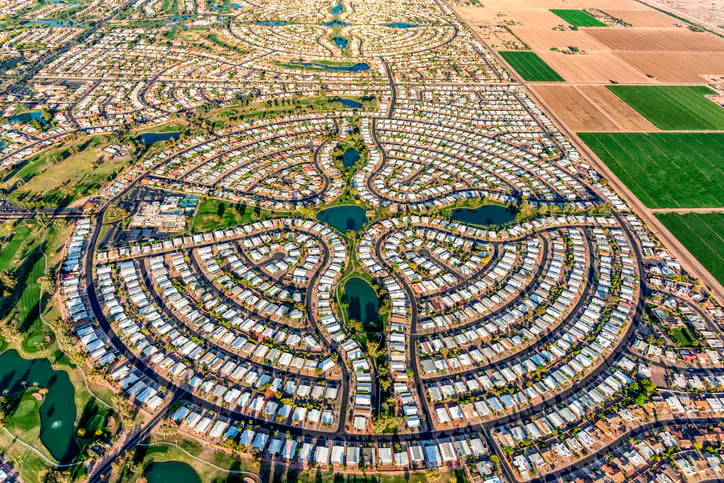
2. What is a major characteristic of urban sprawl?
a)
A. Fewer vehicles on the roads
b)
B. Increased reliance on automobile travel
c)
C. Decline in suburban growth
d)
D. Stronger sense of community
3.
3. Which statement best describes a country with a wide base and narrow top on its population pyramid?
a)
A. A developed nation with a shrinking population
b)
B. A nation with a high elderly population
c)
C. A fast-growing, less-developed nation
d)
D. A country with negative population growth
4.
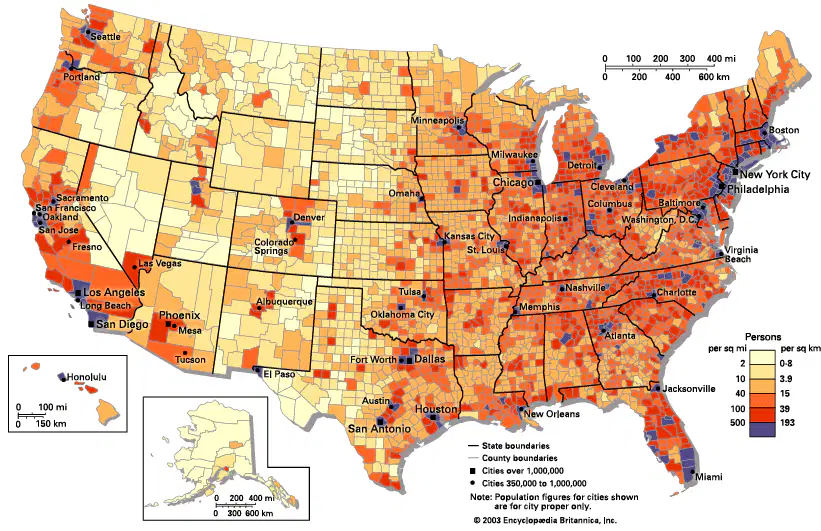
4. The number of people living per square mile or kilometer is known as population _________.
a)

density

b)

growth

c)

decline

d)

increase

5.
5. The spread of new ideas or cultural traits from one region to another is called cultural _________.
a)

traits

b)
diffusion
c)

identity

d)

aggresion

6.
6. A huge city or cluster of cities with a massive population—like Tokyo or Mexico City—is known as a _________.
a)

city-state

b)

country

c)

province

d)

megalopolis

7.
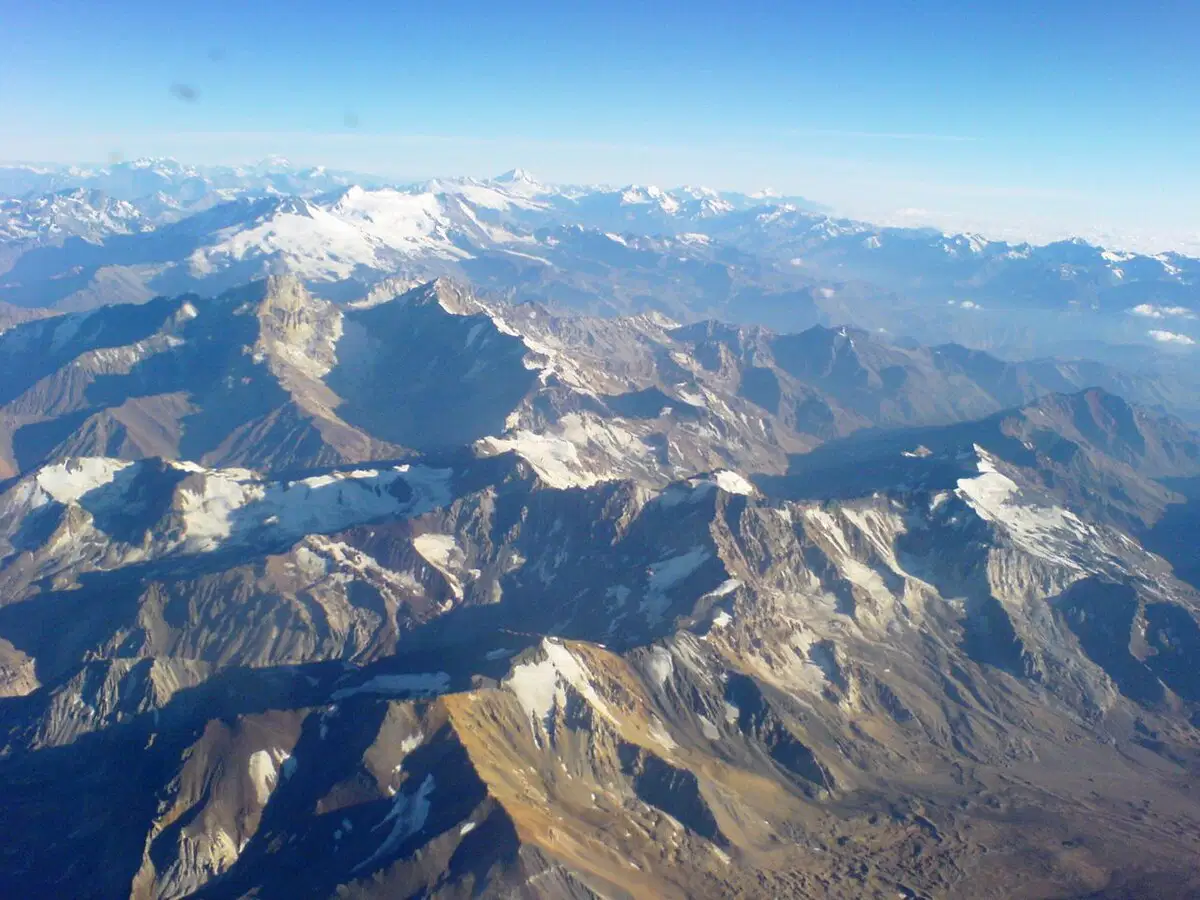
7. Explain how elevation can influence population density. Provide one real-world example.
a)

Higher elevations often have warmer climates and less arable land, so fewer people live there (e.g., Andes Mountains).

b)

Higher elevations less arable land so fewer people live there (e.g., Andes Mountains).

c)

Higher elevations often have more people living there (e.g., Andes Mountains).

d)

Higher elevations often have fewer people living there (e.g., Andes Mountains).

8.
8. Describe how remittances—money sent home by migrants—can affect a country’s economy.
a)

They increase household income

b)

They decrease household income

c)

support local businesses,

d)

help families afford education and housing.
9.
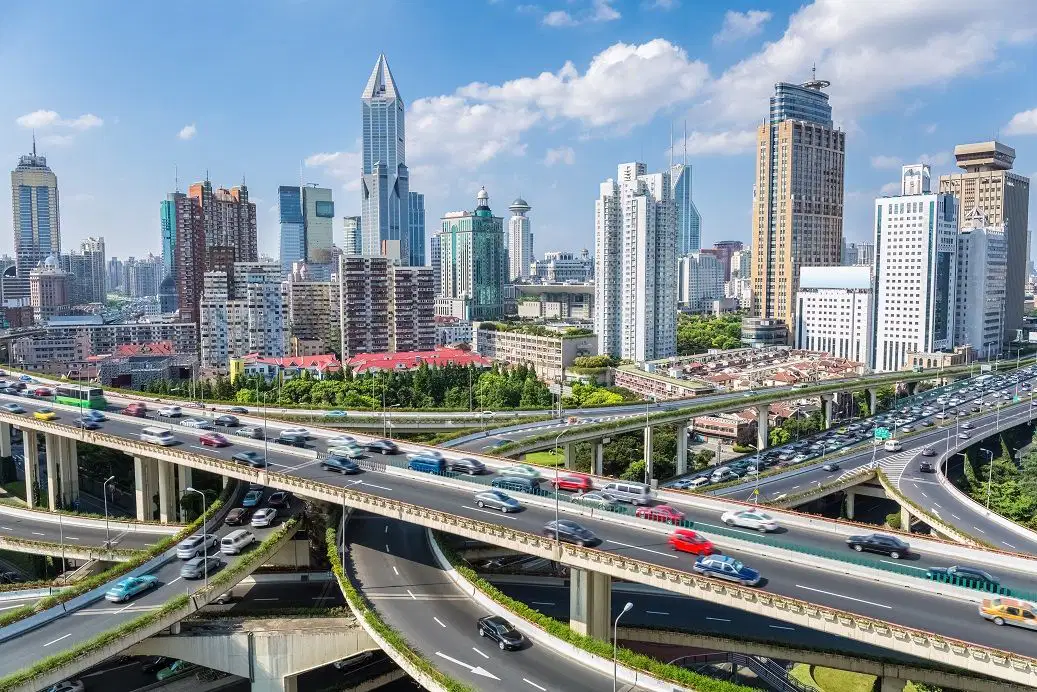
9. Compare urban and rural population characteristics. How do infrastructure and diversity differ?
a)

Urban areas have higher density, more services.

b)

Rural areas have lower density and rely on manufacturing.

c)

Rural areas have lower density and rely on agriculture.

d)

Urban areas have higher density, more agriculture.

10.
10. Define negative population growth and discuss one social or economic impact it can create.
a)

When deaths outnumber births, leading to fewer workers, aging populations, and labor increases.

b)

When births outnumber deaths, leading to fewer workers, aging populations, and labor shortages.

c)

When deaths outnumber births, leading to more workers, aging populations, and labor shortages.

d)

When deaths outnumber births, leading to fewer workers, aging populations, and labor shortages.

11.
11. Why do large cities often become centers of culture and art?
a)

Urban centers attract diverse populations, talent, and resources,

b)

which creates very little creativity and no cultural exchange.

c)

Rural centers attract diverse populations, talent, and resources,

d)

which creates creativity and cultural exchange.