
 Worksheets
Blood Processes
Total questions: 16
Worksheet time: 8mins
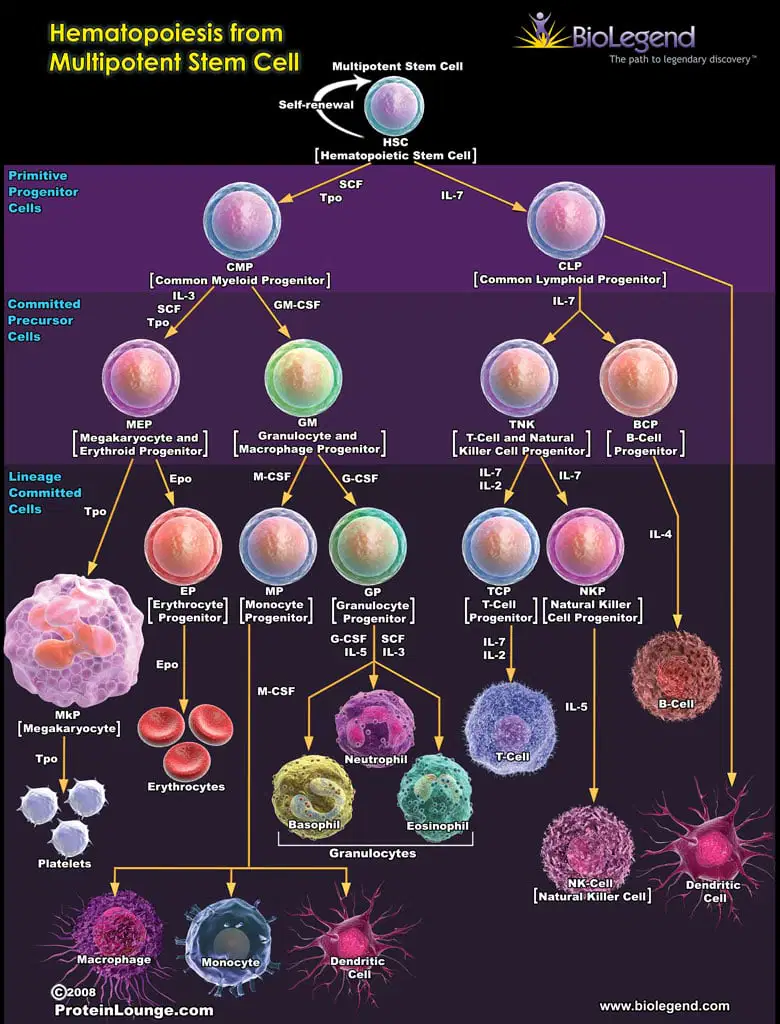
Hematopoiesis = _________.
the process of blood cell formation
the breakdown of glucose
the process of nerve impulse transmission
the filtration of waste in kidneys

Where does hematopoiesis occur?
In red bone marrow of adults
In yellow bone marrow of adults
In the liver of adults
In the spleen of adults
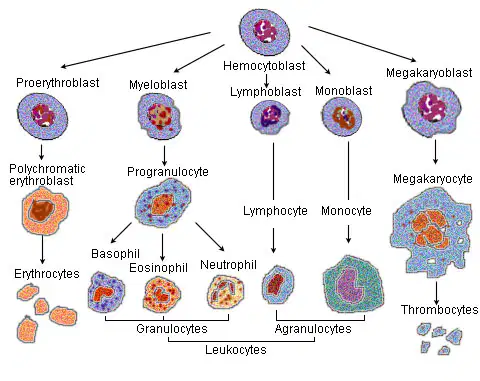
All formed elements are derived from a common ________ cell (called a hemocytoblast).
stem
nerve
muscle
epithelial
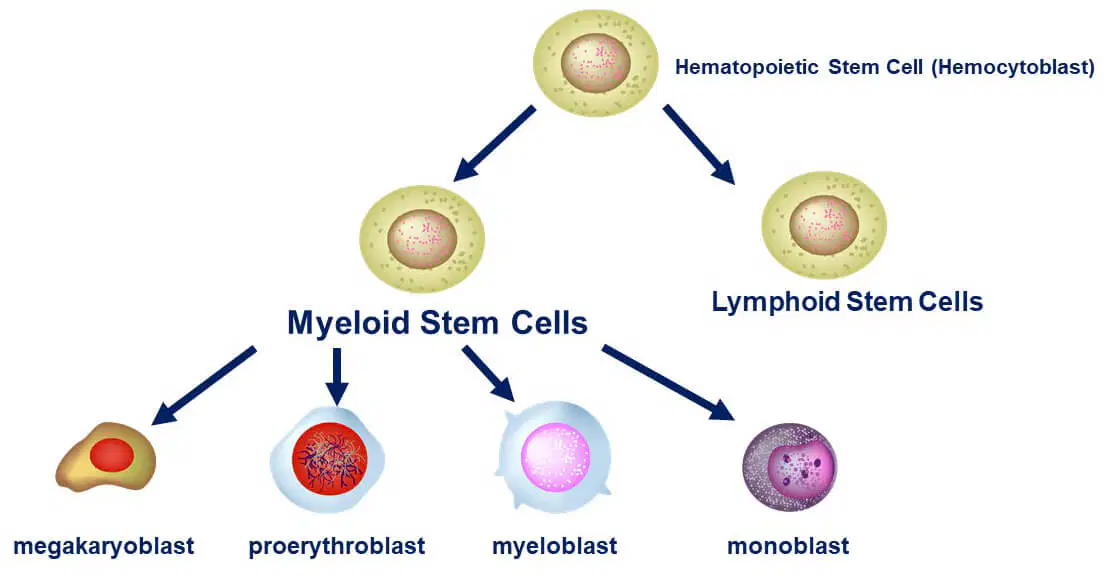
Hemocytoblasts differentiate into ________ stem cells which create lymphocytes and myeloid stem cells which create all other types of blood cells.
monocyte
erythroid
megakaryocyte
lymphoid

________ are the stimulating factor for producing blood cells.
Hormones
Enzymes
Vitamins
Minerals

Which hormones stimulate the production of: Red blood cells - ________?
erythropoietin
insulin
thyroxine
cortisol
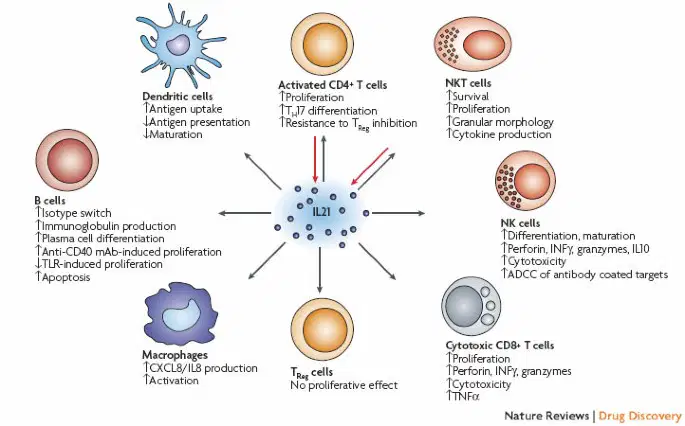
Which hormones stimulate the production of: White blood cells - ________?
colony stimulating factors (CSFs) & interleukins
insulin & glucagon
thyroxine & calcitonin
adrenaline & cortisol

Which hormones stimulate the production of: Platelets - ________?
thrombopoietin
erythropoietin
insulin
cortisol

When a blood vessel is injured, ________ begin the process of forming a blood ________ (called hemostasis).
platelets, clot
red blood cells, scab
white blood cells, plug
plasma, seal

The steps in the hemostasis process are:
Vascular spasm, platelet plug formation, coagulation
Vasodilation, red blood cell aggregation, fibrinolysis
Leukocyte migration, antibody production, clot dissolution
Capillary dilation, plasma leakage, tissue regeneration
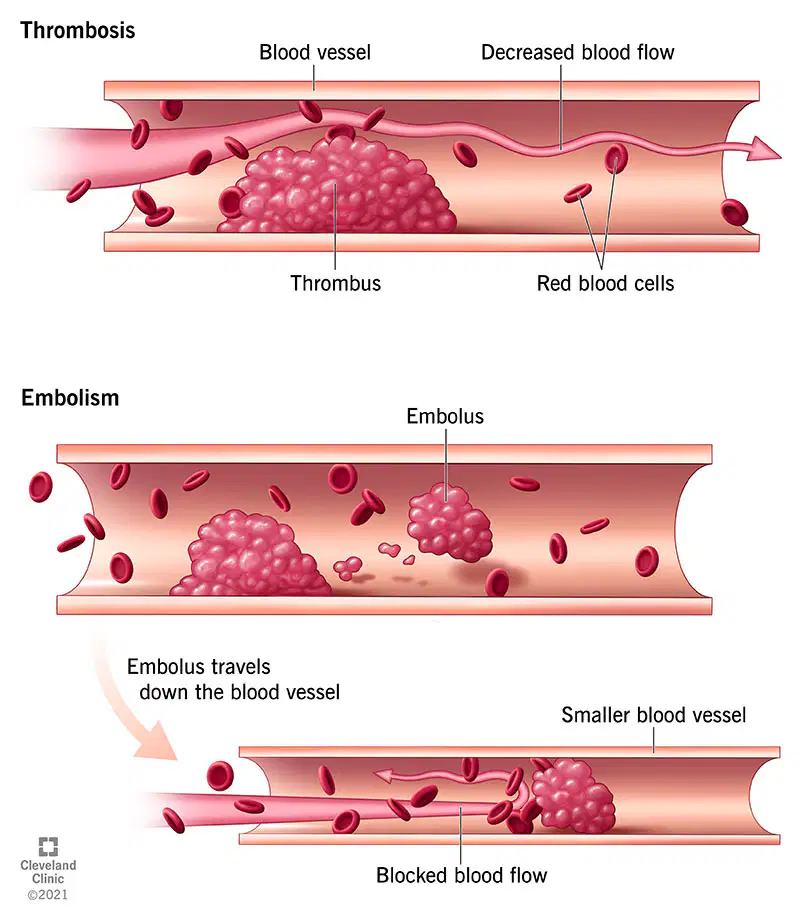
Sometimes an abnormal clot forms within a blood vessel. This is called a ________.
thrombus
embolus
aneurysm
hematoma
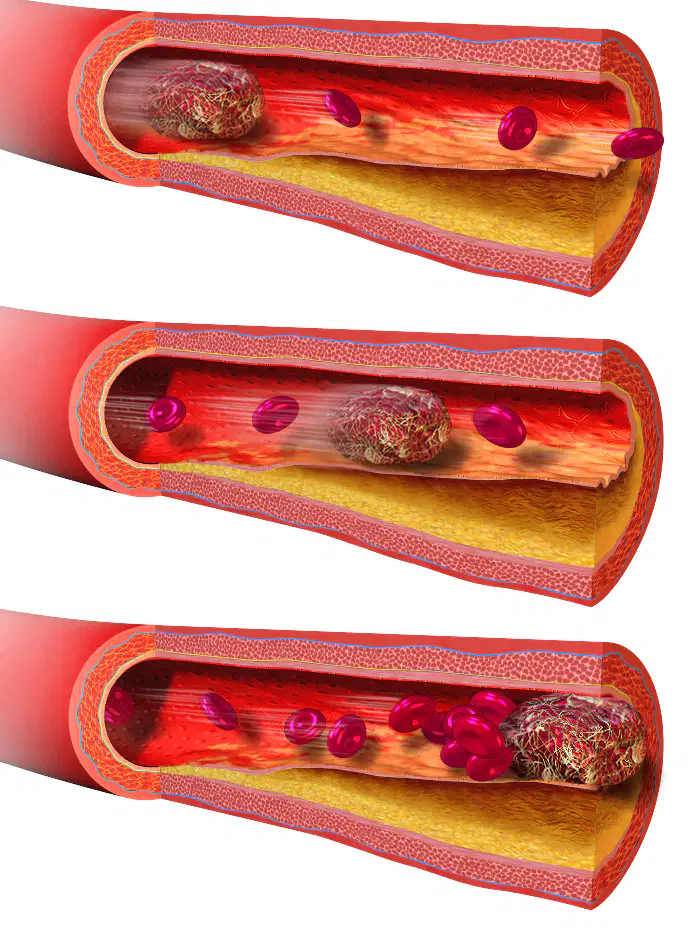
If the thrombus dislodges and floats through the blood, it is called an ________.
embolus
plaque
aneurysm
hematoma
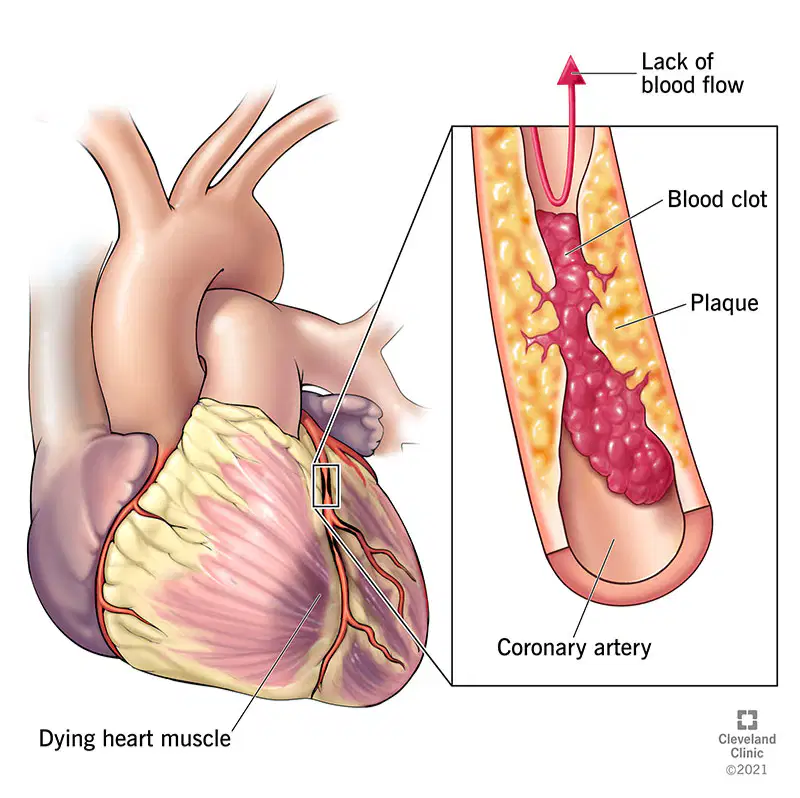
How does an abnormal clot affect the body?
They can restrict the flow of blood, causing stroke, heart attack or death.
They help in faster healing of wounds.
They increase the oxygen supply to tissues.
They improve the flexibility of blood vessels.
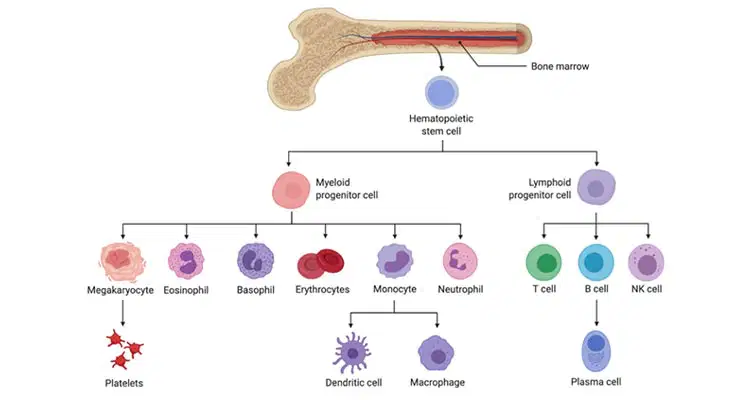
All formed elements are produced through the process of ________ from hemocytoblasts. These processes are stimulated by ________.
hematopoiesis, hormones
erythrocytosis, enzymes
leukopoiesis, vitamins
thrombopoiesis, minerals

Hemostasis, the process of blood clotting, involves physical and ________ reactions.
chemical
thermal
physical
optical

If a blood clot forms abnormally, a ________ or ________ can form.
thrombus, embolus
artery, vein
plasma, serum
capillary, valve

