
 Worksheets
BIODIVERSITY
Total questions: 20
Worksheet time: 20mins

What is missing from this food chain: Grass > Grasshopper > Bird > Snake? It is a (a)
What is the primary effect of introducing a non-native species into an ecosystem?
A) It increases biodiversity by adding new species
B) It can disrupt the balance and lead to the decline of native species
C) It has no significant impact on the ecosystem
D) It always leads to the extinction of native species
All living things are made of
Cells
organisms
ecosystems

Why might an organism have more than one arrow coming from them in a food web?
More than one organism may eat them.
They may eat more than one other organism.
This organism gets its energy from multiple sources.
The removal of trees and plants can cause problems such as soil erosion.
True
False
All ecosystems on earth comprise the
population
community
ecosystem
biosphere
living parts of an ecosystem
rocks
water
abiotic factors
biotic factors
What is biodiversity?
A record of all the endangered and threatened species on Earth
The variety of species of living organisms in an ecosystem
A record of all extinct species in Earth’s history
The variety of plant species in an ecosystem

In a vibrant savanna ecosystem, Mason observes various animals and plants. He notices that the largest part of this ecosystem is always the ________________.
Primary Consumers
Primary Producers
Quarternary Consumers
Secondary Consumers

In the food web shown, the secondary consumer is (a)

Consume wastes and dead organisms.
Carnivore
Omnivore
Decomposer
Producer

Overgrazing occurs when animals, often livestock, are allowed to feed in one area for an extended period of time. Which of the following is a negative impact of overgrazing?
Pollution and global warming
Erosion of soil, loss of biodiversity and desertification of the land
Destruction of forests
Introduction of new species to an area
A biological community of interacting organisms and their physical environment.
economy
population
schism
ecosystem
An endangered species is
One whose numbers are so small that it is at a very high risk of extinction
One whose not been spotted after many years.
One whose numbers are abundant.
One whose numbers are so small that it is at an extremely high risk of extinction
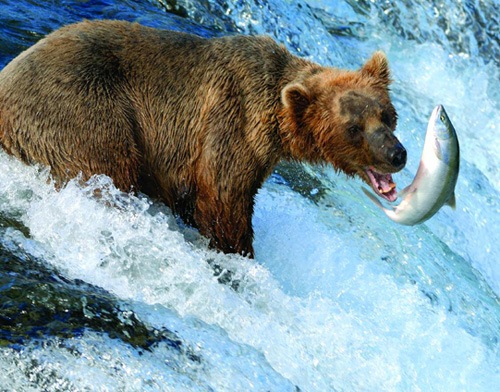
An organism that needs to eat other organisms to obtain energy is known as a: (a)
What is an invasive species?
Living organism that is accidentally introduced to a new ecosystem and causes harm
A group of organisms that hunts other organisms
An unhealthy organism that spreads disease in an ecosystem
All of the above

The energy starts in this food chain at (a)

