
 Worksheets
Urinary tract
Total questions: 15
Worksheet time: 8mins

Which drug is most commonly associated with drug-induced urinary stones?
Ibuprofen
Paracetamol
Acyclovir
Amoxicilin
Which of the following organs is retroperitoneal?
Urethra
Prostate gland
Bladder
Kidney
In nephrotic syndrome, proteinuria is typically:
150 mg–3.5 g/day
<150 mg/day
>3.5 g/day
Absent
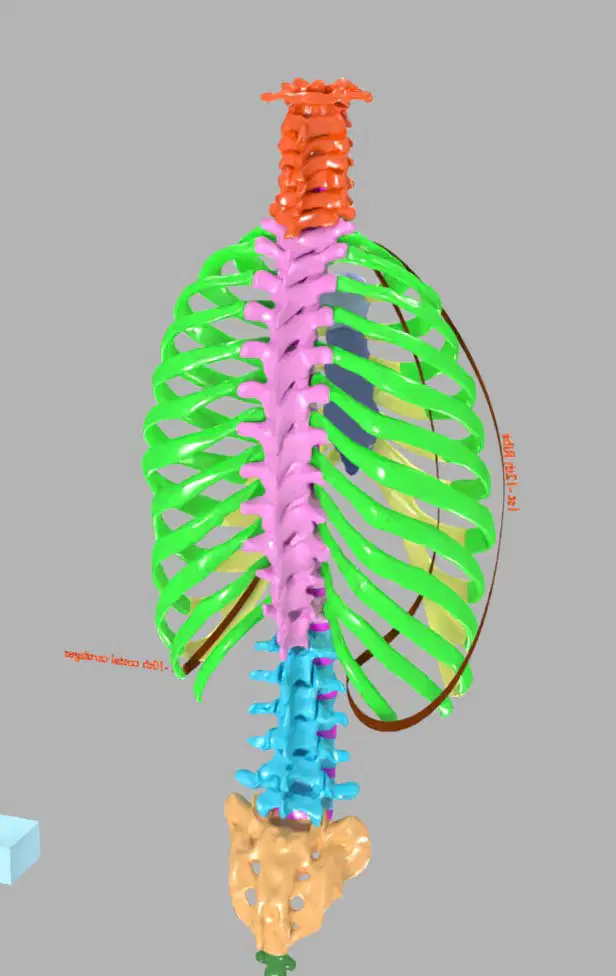
Which vertebral levels correspond to the position of the kidneys?
T12–L3
T8–L1
L1–L4
T10–L2
Which structure carries urine from the kidney to the bladder?
Urethra
Ureter
Renal vein
Nephron
The detrusor muscle is found in which organ?
Kidney
Ureter
Bladder
Urethra
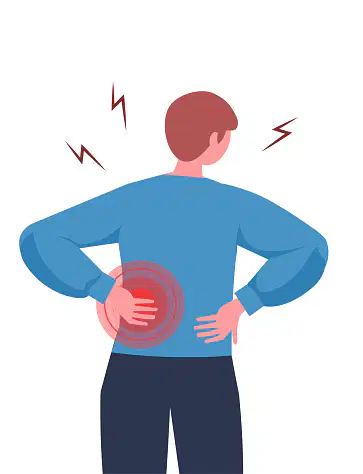
Pain at the costovertebral angle (CVA) with fever and chills most likely indicates:
Cystitis
Urethritis
Nephrotic syndrome
Pyelonephritis

Stress incontinence is due to:
Obstruction from prostate
Increased abdominal pressure exceeding urethral resistance
Impaired cognition
Detrusor overactivity
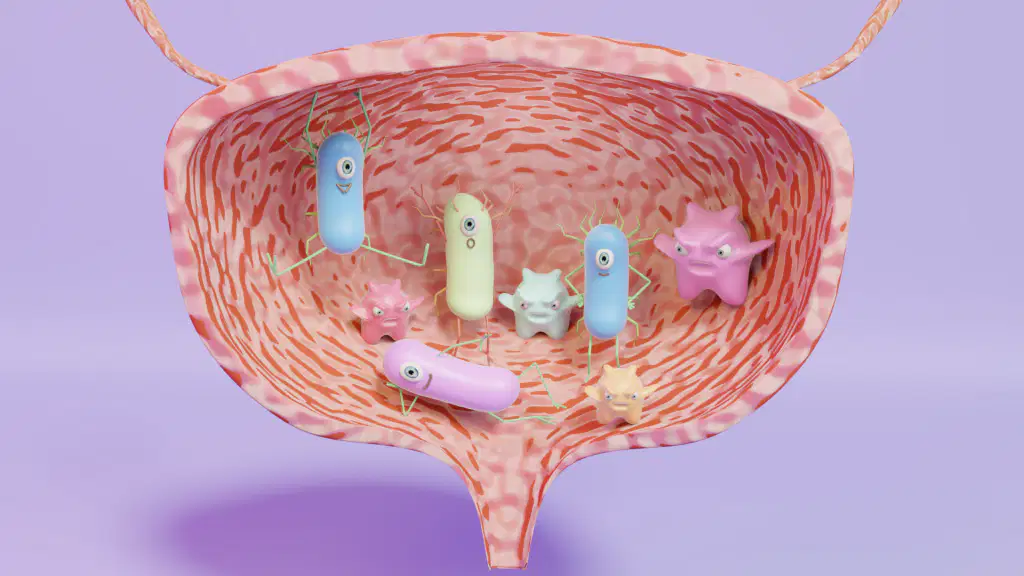
Bacteriuria is defined as:
≥10⁵ organisms/mL
≥10³ organisms/mL
≥10⁶ organisms/mL
≥10⁴ organisms/mL

Which of the following causes overflow incontinence?
Stroke
Diabetic neuropathy
Bladder infection
Functional immobility
Which symptom is most characteristic of renal colic due to nephrolithiasis?
Dull, constant flank pain
Suprapubic tenderness
Sudden, severe colicky flank pain radiating to the groin
Painless hematuria

Which dietary factor increases the risk of nephrolithiasis?
Low sodium intake
High potassium diet
High sodium and purine intake
High calcium diet only
A patient with edema, hematuria, and hypertension most likely has:
Nephrotic syndrome
Nephritic syndrome
Polycystic kidney disease
Pyelonephritis

Autosomal dominant polycystic kidney disease (ADPKD) typically presents with:
Flank pain and hypertension in adulthood
Early childhood renal failure
Lung disease and pulmonary failure
Urethral strictures
In polyuria due to diabetes insipidus, urine specific gravity is usually:
High (>1.030)
Normal (1.010–1.020)
Low (<1.005)
Variable depending on diet

