
Font size
 Worksheets
Chapter 3 unit test
Total questions: 41
Worksheet time: 21mins
Which vocabulary term means "a skilled job or career?"
strike
vocation
sweatshop
progressive
_______________ is people who wanted to make changes in workplaces, increase the rights of women and minorities, and stop the use of alcohol.
strike
Progressive Movement
suffrage
sweatshop
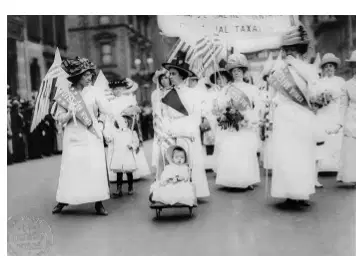
Which voting rights amendment was passed because of women-led marches such as the one in this photo?
13th
21st
15th
19th
The following poem by Langston Hughes describes which time period in American history? I pick up my life, And take it with me, And I put it down in Chicago, Detroit, Buffalo, Scranton, Any place that is North and East, And not Dixie. I pick up my life And take it on the train, To Los Angeles, Bakersfield, Seattle, Oakland, Salt Lake Any place that is North and West, And not South. I am fed up With Jim Crow laws, People who are cruel And afraid, Who lynch and run, Who are scared of me And me of them I pick up my life And take it away On a one-way ticket- Gone up North Gone out West Gone -Langston Hughes, 1949
Great Depression
Great Migration
Women's Suffrage Movement
Labor Movement
A _________ is when workers stop working to try to get changes in the workplace.
labor union
strike
sweatshop
reforms
Which term means "the right to vote?"
labor union
segregation
suffrage
temperance
A _________ is a group of workers who try to improve working conditions or get higher wages
industrialization
labor union
vocation
Progressive Movement
What was the time period called when people tried to work toward improved safety conditions, reduced work hours, and restrictions on child labor?
Temperance Movement
Civil Rights Movement
Progressive Movement
The Suffrage Movement
__________ are changes made to try to improve things.
industrialization
reforms
vocations
labor unions
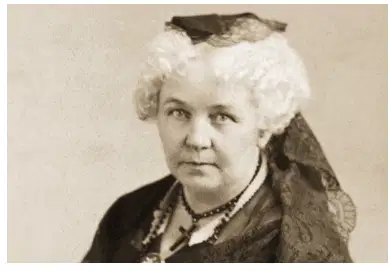
Who was an early (19th century) activist for women's suffrage, along with Susan B. Anthony?
Alice Burns
Lucy Paul
Jane Addams
Elizabeth Cady Stanton
Who was a 20th century (1900s) activist for women's suffrage, along with Lucy Burns?
Susan B. Anthony
Alice Paul
Elizabeth Cady Stanton
Jane Addams
The main goal of the suffrage movement was for women to:
perform at American Federation of Labor meetings
get the right to vote
find religious freedom
join political machines
Many women wanted the right to vote because of their involvement in Temperance Movement. The Temperance Movement was opposed to...
citizenship for immigrants
suffrage for women
global warming
drinking alcohol
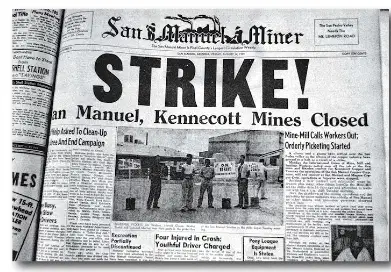
Which group might have called for the action mentioned in the headline?
Boss Tweed and his political machine
Suffragettes
Captains of Industry
American Federation of Labor
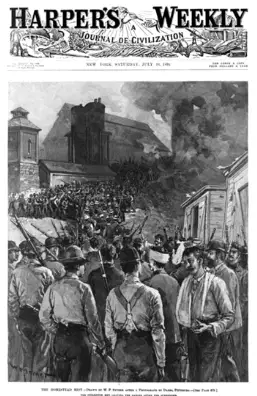
The Homestead Strike was associated with which industry?
oil
railroad
steel
automobile
During the Great Migration, African Americans moved to different parts of the country for several reasons. There are multiple answers to the reasons that they would have migrated. What were three of those reasons? (Pick 3 answers)
The cotton crop failed and many lost their jobs.
The hope for a better job.
They wanted to move to a place with better television stations.
The desire to escape Jim Crow Laws.
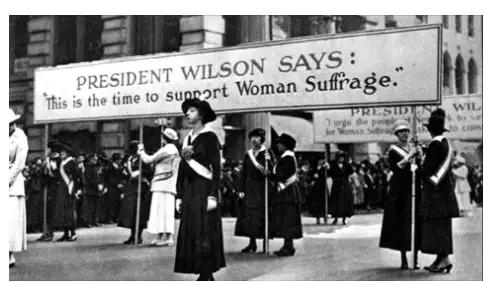
The women's suffrage movement increased opportunities for women to _________ in addition to gaining voting rights.
smoke cigarettes
get an education
drink alcohol
work in coal mines
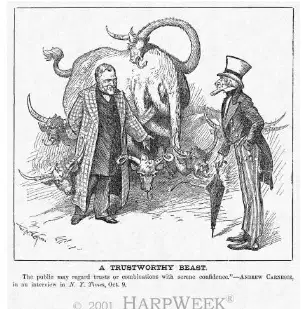
The Pullman Strike was associated with which industry?
automobile
railroad
steel
oil
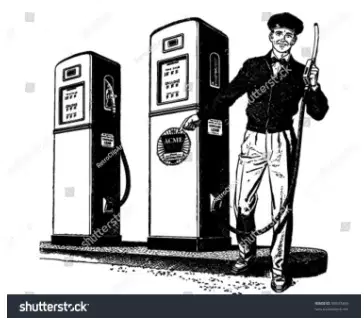
How did the new affordability of automobiles change American life in the 1920s?
Many people moved to the cities.
More railroads were built.
There were new jobs and greater mobility.
Pollution decreased in the cities.
Which strike was successful for the workers?
Pullman Strike
Homestead Strike
neither of these was successful for the workers
both of these were successful for the workers.
Which Progressive Era reform solved the problem of factory workers who worked 12 hour days, six days per week?
restrictions on child labor
increased acceptance of labor unions
40 hour work week
improved safety conditions
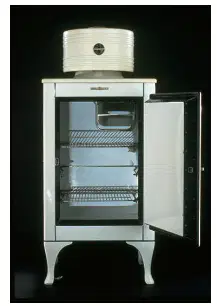
Which development powered labor saving devices in the home?
electricity
windmills
natural gas pipelines
new coal mining techniques
The oil, road construction, and steel industries grew as a result of ________.
affordable automobiles
affordable radios
broadcast industry
electrification
In the 1920s, communication improved in America due to movies, radio, and ___.
labor unions
tariffs
telephones
T Model Fords
Who worked in support of women’s suffrage and against lynching and Jim Crow segregation laws by publishing articles in newspapers?
Ida B. Wells
Jane Addams
Susan B. Anthony
Alice Paul
__________ such as washing machines, water heaters, and electric ovens became common in American homes because of electrification.
labor saving devices
car jobs
improvements in communication
civil rights
Who believed African Americans should not have to wait for full political, civil, and social rights?
Jim Crow
W.E.B. DuBois
Henry Ford
Booker T. Washington
Who believed that African Americans could gain equality through vocational education?
Jim Crow
W.E.B. DuBois
Ida B. Wells
Booker T. Washington
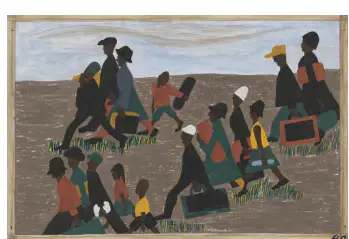
Which African American artist is famous for his paintings of the Great Migration?
W.E.B. DuBois
Andrew Carnegie
Booker T. Washington
Jacob Lawrence
Who was a founder of the NAACP? Check the two that apply.
Booker T. Washington
Ida B. Wells
W.E.B. DuBois
Susan B. Anthony
Which of these is a reason that a million African Americans moved to a different part of the country between 1910 and 1930?
There were fewer taxes.
There were more jobs.
The housing was free.
The climate was better.
According to Booker T. Washington, what was the best way for African Americans to gain equality?
working longer hours at more difficult jobs
learning skills and trades (vocational education)
holding protest marches and strikes
attending political meetings and participating in elections
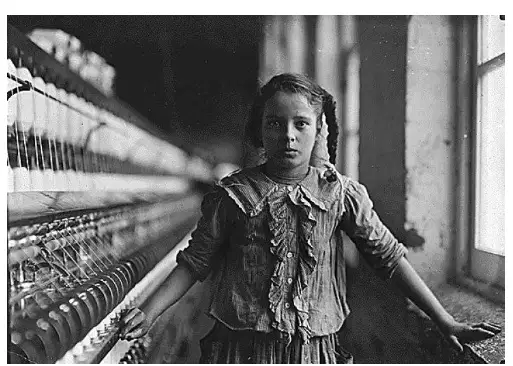
Gertrude works every day in a factory, even though she would rather be in school learning to read. The situation above is an example of:
pollution
low wages
monopolies
child labor
Which negative effect of industrialization resulted in people having to work 12 hours each day?
monopolies
long hours
low wages
unsafe working conditions
Which event was a result of unsafe working conditions?
the Triangle Shirtwaist Factory fire
people who work for 12 hours a day, 6 days per week
when one company has complete control of an industry
a negative impact on the environment
The Acme Widget Factory went out of business, and now the Greedy Widget Company is the only widget maker in the U.S. The situation above is an example of:
pollution
low wages
monopolies
unsafe working conditions
What is a good title for this list? Child Labor Low Wages and Long Hours Unsafe Working Conditions Monopolies Pollution
Negative Effects of Industrialization
Reasons for the End of Labor Unions
Progressive Movement Reforms
The Price of Women's Suffrage
Which situation describes a monopoly?
the Triangle Shirtwaist Factory fire
when one company has complete control of an industry
a negative impact on the environment
people who work for 12 hours a day, 6 days per week
Who was responsible for manufacturing automobiles on a moving assembly line, making them affordable for the average American?
Anthony Jeep
Mark Mercedes
Henry Ford
Andrew Mercedes
Match the topic with the item that belongs with that topic.
Negative Effect of Industrialization
Child Labor
Progressive Reform example
40 hour work week
Result of Affordable Automobiles
Industries related to cars grow (oil, steel, and road construction)
Impact of Electrification
Labor saving devices like the electric stove
Reason for the Great Migration
Seeking jobs in Northern cities
Workers formed ____ to fight for ____ conditions and to keep their jobs.
unions; better
unions; worse
trains; better
monopolies; better
monopolies; worse

