
 Worksheets
Quiz Industrial Training Preparation: Session 1 & 2
Total questions: 30
Worksheet time: 11mins
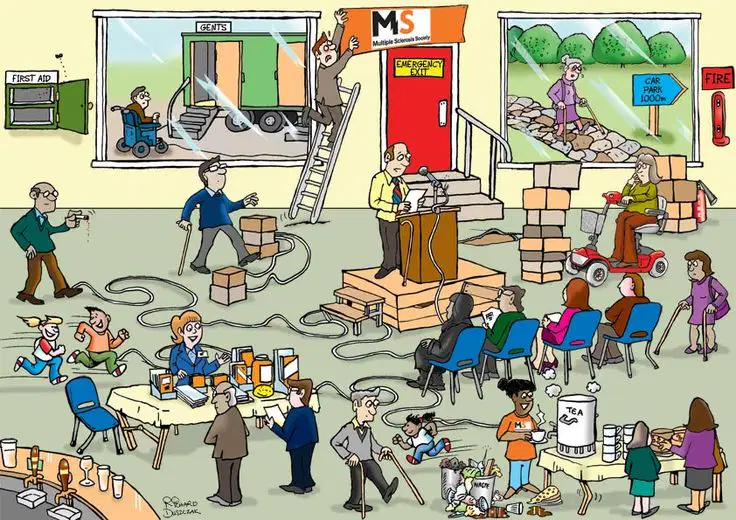
What is the most common hazard at work?
Slips, trips and falls
Noise
Fire
Biological

Which one of these are hazard category?
Vehicle accident
Ergonomic hazard
Noise Hazard
All above

Which of the following is not an effective way to reduce hazards on a work site?
Provide PPE
Provide guideline or handling manual
Train on the proper use of the equipment
Gossip
Identify type of hazard based on the situation:
Slip and trip
Physical
Biological
Ergonomic
Electrical
Identify type of hazard based on the situation:
Object in walkaway
Physical
Biological
Ergonomic
Electrical
Identify type of hazard based on the situation:
Repetition of handling
Physical
Biological
Ergonomic
Electrical
Identify type of hazard based on the situation:
Snake
Physical
Biological
Ergonomic
Electrical
Identify type of hazard based on the situation:
Wet floor
Physical
Biological
Ergonomic
Electrical
Identify type of hazard based on the situation:
Life wire
Physical
Biological
Ergonomic
Electrical
Identify type of hazard based on the situation:
Poor posture
Physical
Biological
Ergonomic
Electrical

Which law protects creations such as patents, copyrights, trademarks and trade secrets?
Health & Safety Law
Data Protection Law
Employment Law
Intellectual Property Law
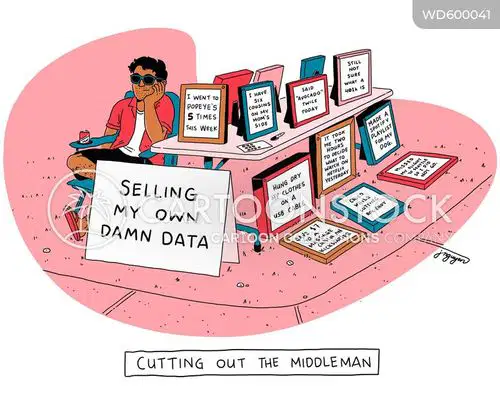
Which law ensures the responsible handling and safeguarding of personal information collected by companies?
IP Law
Data Protection & Privacy Law
Contract Law
Penal Law
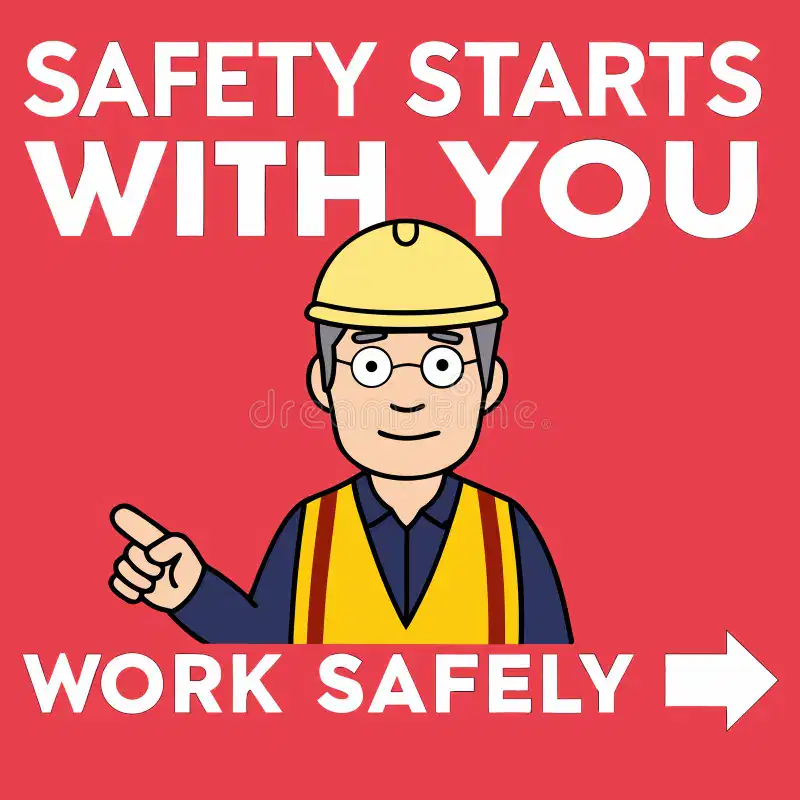
Which regulation focuses on ensuring the safety of workers in the workplace?
Health & Safety Regulation
Data Privacy Regulation
Intellectual Property Regulation
Corporate Finance Regulation
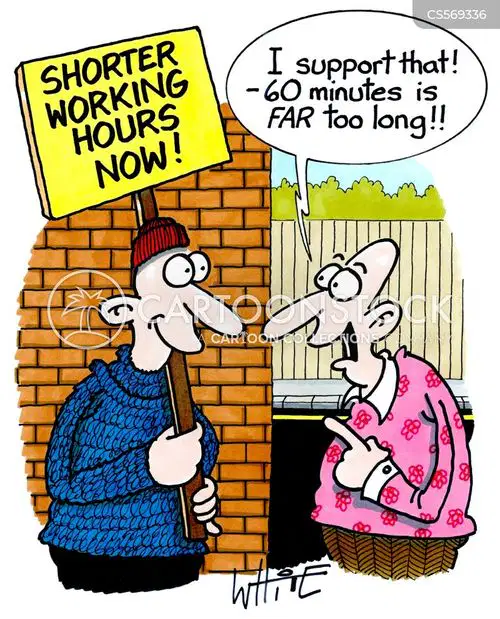
Internship contract, minimum wage, overtime, working hours and termination procedures fall under which category of law?
Criminal Law
Trade Law
Employment Law
Civil Engineering Law

Posting frustrations publicly on social media during internship may lead to:
Positive recognition
Strengthen university image
Damage to company & university reputation
Better marks in training report

Which of the following is NOT one of the four main law/regulation categories mentioned in the module?
Health & Safety
Data Protection & Privacy
Employment
Criminal Litigation Law

Which of the following subject lines is most suitable for an internship inquiry email?
Hey, I’m looking for an internship
Internship Inquiry – Civil Engineering Student, UTM
Urgent: Need a job ASAP
Do you have any openings?

When replying to an interview invitation from a potential employer, what should you include to make a positive impression?
A short “Okay, I’ll come” message
Only the date and time of your availability
Appreciation for the opportunity and confirmation of availability
No reply is necessary until one day before the interview

What is the main purpose of sending a follow-up email after applying for an internship?
To pressure the employer to respond immediately
To remind the employer politely about your application and express continued interest
To complain about the lack of communication
To submit your application again

Which of the following represents good verbal communication during internship discussions?
Interrupting the supervisor to explain your idea
Using clear language and an appropriate tone of voice
Speaking loudly to show confidence
Using jargon to sound more professional

A student hesitates to ask for help when unsure about a task. What communication issue is this an example of?
Misinterpreting feedback
Hesitation to seek help
Over-communication
Active listening
Communication Etiquette
When sending professional emails, you should:
Use emojis and abbreviations like "LOL" to build rapport
Keep the subject line vague so recipients open it
Use a clear subject line and professional tone
Send "reply all" to every email to keep everyone informed
Communication Etiquette
In a team meeting, when someone else is speaking, you should:
Multi-task by checking your email quietly
Interrupt if you disagree with their point
Listen attentively and take notes
Whisper to your colleague about what's being said
Office Behavior
Regarding personal phone calls at work:
Take them at your desk since everyone does it
Have loud, personal conversations in open areas
Take important calls in a private area when possible
Put calls on speakerphone so your hands are free
Office Behavior
Your desk neighbor consistently eats strong-smelling food at their desk. You should:
Passive-aggressively spray air freshener
Complain about them to your manager immediately
Politely mention the issue to them privately
Start eating equally strong-smelling food
Professional Boundaries
Appropriate use of social media regarding your workplace includes:
Posting complaints about your boss (but not naming them)
Sharing confidential company news before it's public
Avoiding negative comments about work or colleagues
Connecting with clients on personal social media accounts
Professional Boundaries
Appropriate use of social media regarding your workplace includes:
Posting complaints about your boss (but not naming them)
Sharing confidential company news before it's public
Avoiding negative comments about work or colleagues
Connecting with clients on personal social media accounts
Professional Boundaries
When a colleague shares personal problems, the professional response is:
Offer to be their therapist during work hours
Share even more personal problems of your own
Express sympathy but maintain professional boundaries
Tell other colleagues so they can offer support too
Remote Work Considerations
During video conferences, you should:
Keep your camera off so you can multi-task
Dress professionally from the waist up only
Choose a neutral, non-distracting background
Eat your lunch since you're at home anyway
Remote Work Considerations
When responding to messages while working remotely:
Reply immediately regardless of the time
Set clear availability expectations with your team
Wait at least 4 hours to show you're very busy
Only respond to messages from your manager

