
 Worksheets
Wound Packing
Total questions: 14
Worksheet time: 7mins
A student arrives at a scene with heavy bleeding from a deep groin wound. Which materials below are most appropriate to begin wound packing safely?
Medical gloves (PPE) and compressed gauze
Emergency trauma compression bandage only
Trauma shears and a tourniquet
Alcohol wipes and adhesive bandages
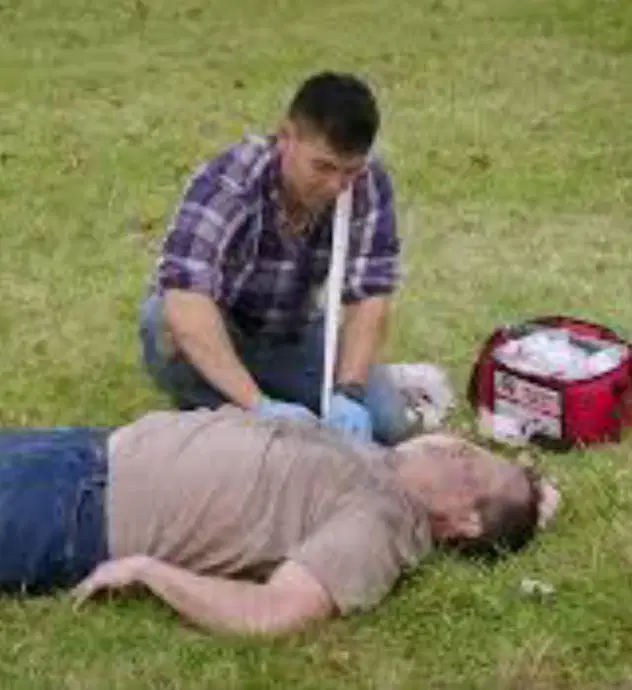
According to the visual showing a rescuer kneeling by a patient on grass, what directive is emphasized for managing a deep bleeding wound?
Apply a tourniquet above the elbow immediately
Pack gauze into the wound until filled
Rinse the wound with water before touching it
Elevate the limb and wait for EMS
In the preparation steps, what item are you instructed to locate before packing a wound?
Hemostatic powder
Compressed gauze in your kit
Adhesive bandages
Elastic wrap
Making the wound visible may require which tool, according to the preparation guidance?
Scalpel
Trauma shears
Tweezers
Irrigation syringe
Why is wearing gloves important during wound packing, based on the preparation notes?
Gloves prevent loss of dexterity
Gloves reduce the risk of contamination and exposure to bloodborne pathogens
Gloves keep gauze from sticking to the wound
Gloves signal to bystanders that help is coming
What is the first step listed in the 'Steps for Packing a Wound'?
Make a small ball of gauze with your fingers
Open the gauze package
Fill the entire wound cavity
Use your pointer finger to push gauze deep
Which finger is specified for pushing gauze deep into the wound?
Thumb
Pointer finger
Ring finger
Little finger
According to the steps, when should you stop packing gauze?
When the gauze reaches the skin surface
When the patient reports pain
When you reach the source of bleeding
After placing three gauze balls
What is the final goal described in the steps for packing a wound?
Apply adhesive bandage over the wound
Fill the entire wound cavity
Wrap the limb with elastic bandage
Apply ice to reduce swelling
Which sequence best matches the early steps of wound packing described?
Cut away clothing, open gauze, find gloves
Open the gauze package, make a small ball of gauze, use the pointer finger to push gauze deep
Apply ice, elevate limb, call for help
Rinse wound, apply ointment, cover with adhesive bandage
What is the purpose of packing gauze tightly into the wound?
To speed skin closure by sealing the surface
To create pressure at the bleeding source and control hemorrhage
To keep the wound dry by absorbing all fluid
To prevent scarring by limiting tissue movement
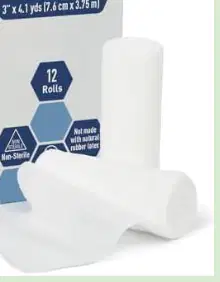
What material is shown in the box image accompanying the steps slide?
Elastic adhesive tape
Gauze
Sterile cotton swabs
Hemostatic granules
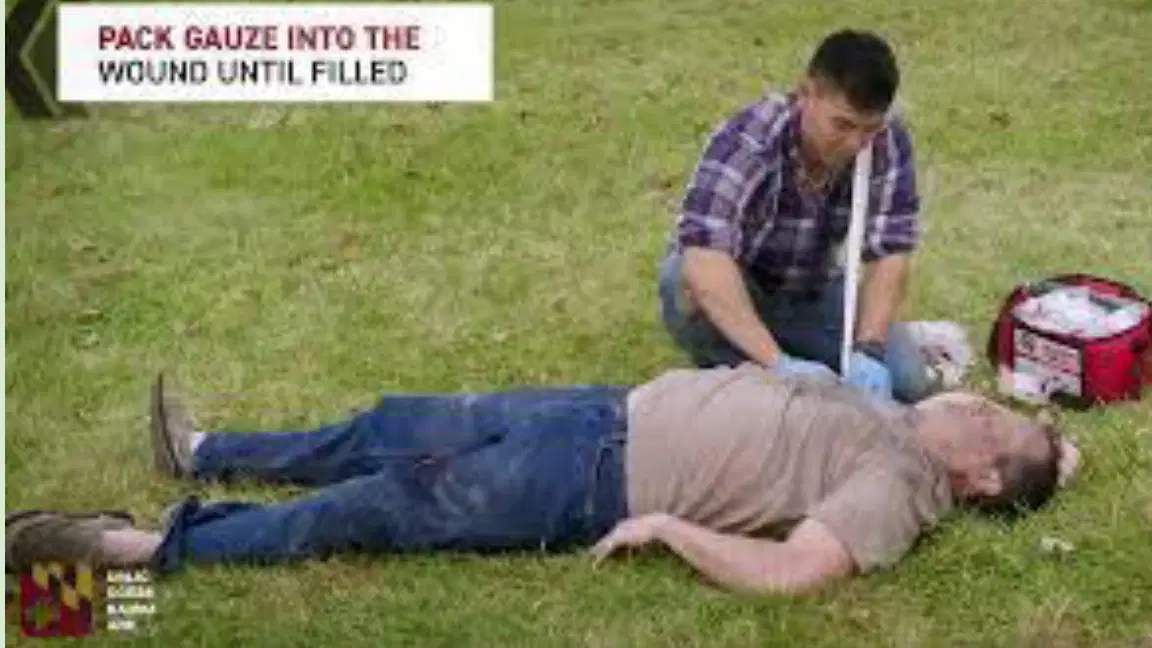
In the outdoor scene, what additional equipment appears near the responder that supports wound packing?
A red first aid kit containing supplies
An oxygen tank with mask
A cervical collar
A defibrillator
Refer to the bulleted guidance shown in the visual: "Use all the gauze you have if needed; Keep pressure on the wound after packing; Use a bandage to secure the packing; Wait for more help to arrive." Which action is most appropriate immediately after you finish packing a wound?
Remove the gauze to check for bleeding every few minutes
Keep steady pressure on the wound and secure the packing with a bandage
Elevate the limb and avoid any pressure on the wound
Add antiseptic liquid directly into the packed wound to prevent infection

