
 Worksheets
Materials and their working properties
Total questions: 20
Worksheet time: 11mins
Which of the following is a unit of board measurement?
Kilogram
Micron
Micrometre
Grams per square metre
Which two of the following are textiles surface treatments?
Weaving
Stain protection
Waterproofing
Embroidery
Which of the following is the definition of a "tough" material?
A material that can absorb more energy before breaking.
A material which is likely to shatter or crack upon impact.
Which of the following are examples of natural fibres?
Silk
Acrylic
Nylon
Cotton
Which two are examples of synthetic textiles fibres?
Acrylic
Wool
Polyester
Cotton
Select the correct definition of a "ductile" material.
A metal which is malleable
A metal which can be drawn out into a thin wire
A metal which can be retract into it's original shape when heated
Which of the following materials are ductile?
PVC
Mahogany
Copper
Iron
Select the definition of an "alloy".
A mixture of one metal and one other element
A mixture of two metals
A mixture of two materials, combined using adhesives
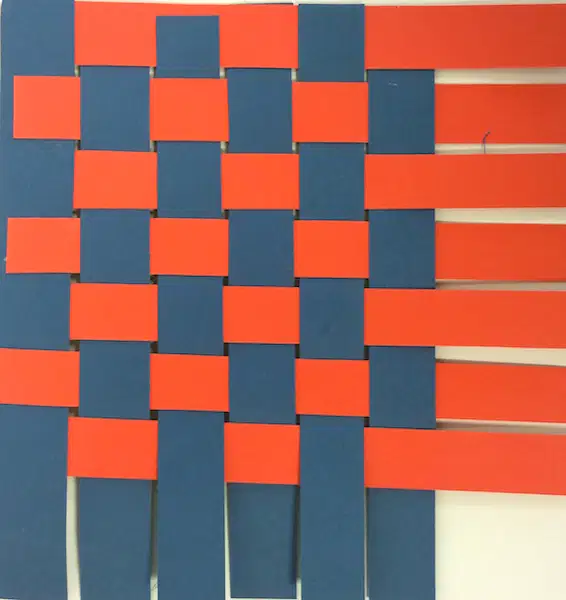
Select three properties of a plain weave material
Stretches on the bias
Ladders
Has a finished edge at the selvedge
Cheap to produce

The ability of a material is to resist wear, scratching and indentation is called...
Hardness
Brittle
Chemical Resistant
Corrosion

The ability of material that can be drawn out and stretched without breaking is called...
Ductility
Stretchy
Flexible
Brittle

The ability to resist being squashed is called...
Toughness
Interfacing
Compressive strength
Embedding

A material that cannot absorb energy and will result into breaking into pieces is called...
Brittle
Stiff
Tough
Durable
Stiffness is when a material can....
Hold its shape without bending
Hold its shape without melting
Hold its shape without erodding
Hold its shape without breaking

Name the property
Oxidation
Weathering
Rust
Annealing
An electrical conductor is...
a material that allows electricity to pass through them easily
a material that doesn't allow electricity to pass through them
What is the name for a material that can easily transfer heat?
A thermal insulator
A thermal conductor
An electrical insulator
An electrical conductor

When a material is unable to bend or be forced out of shape, it is known as...
Rigid
Stiff
Brittle
Strong

The quality of lacking transparency is called...
Opacity
Solid
Translucent
Clear

Name the property...
Conductivity
Absorbency
Strength
Flexibility

