
 Worksheets
Fire Safety on Construction Sites
Total questions: 21
Worksheet time: 11mins

What types of fire hazards are commonly found on construction sites?
Flammable solids, liquids, electrical equipment, and temporary heating sources
Only flammable solids and liquids
Only electrical equipment and heating sources
None of the above

Under which legal provisions are fire safety measures mandated?
Regulatory Reform (Fire Safety) Order 2005 and Construction (Design and Management) Regulations 2015
Fire Safety Act 1990 and Construction Safety Act 2000
Workplace Safety Act 2010 and Fire Prevention Act 2008
None of the above

Why is the correct choice of fire extinguisher important in emergencies?
It quickly suppresses small fires, ensures safe evacuation routes, saves lives, and limits structural damage
It only suppresses large fires
It prevents fires from occurring
It ensures evacuation routes are blocked
What can happen if fire safety regulations are not followed?
Severe penalties
No consequences
Increased fire hazards but no legal action
Only minor warnings

What is the primary content of water extinguishers (red label)?
Foam
Water only
Carbon dioxide
Dry powder

Which type of fire is a water extinguisher (red label) primarily used for?
Class A fires
Electrical fires
Flammable liquid fires
Cooking oil fires
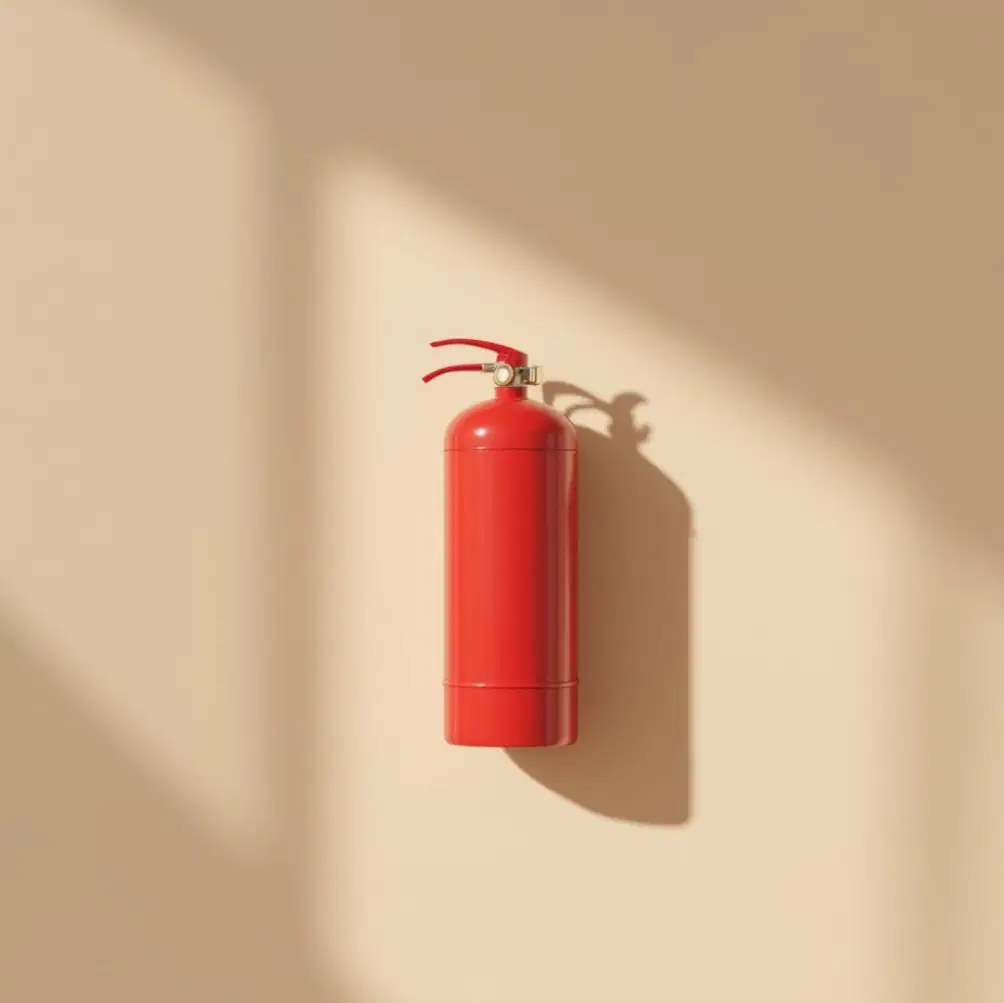
What is the mechanism by which water extinguishers (red label) extinguish fires?
Smothering the fire
Cooling effect
Chemical reaction
Absorbing oxygen
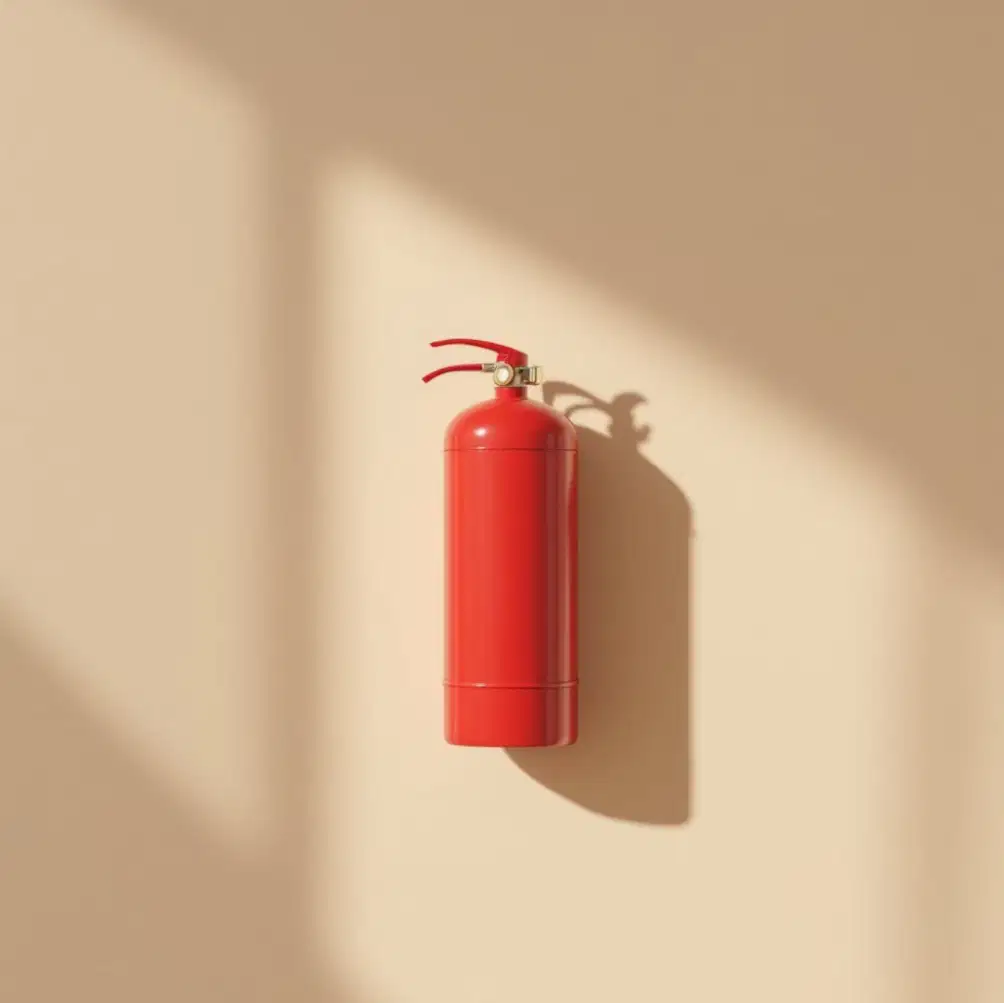
Which of the following is a crucial limitation of water extinguishers (red label)?
Cannot be used on Class A fires
Cannot be used on electrical fires
Cannot be used on organic solids
Cannot be used on textiles
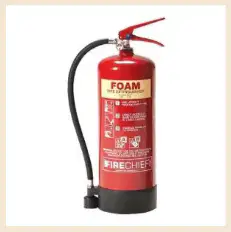
What is the composition of Foam Extinguishers (Cream Label)?
A mixture of water and concentrated foam agent.
A mixture of water and carbon dioxide.
A mixture of nitrogen and foam agent.
A mixture of water and dry powder.
Foam extinguishers are suitable for which types of fires?
Class A & B fires.
Class C & D fires.
Class E fires.
Class F fires.
What is the dual action suppression mechanism of foam extinguishers?
Cooling the fire and creating a blanket of foam to smother it.
Releasing carbon dioxide to displace oxygen.
Absorbing heat and releasing nitrogen gas.
Spraying dry powder to coat the fire.
Which common risks are foam extinguishers designed to address?
Solvents, petrol, and diesel fuel in workshops and refuelling areas.
Electrical fires in offices.
Cooking oil fires in kitchens.
Gas leaks in industrial plants.

What type of fires can a multi-purpose dry powder (ABC powder) extinguisher handle?
Only Class A fires (solids)
Only Class B fires (flammable liquids)
Only Class C fires (flammable gases)
Class A, B, and C fires (solids, flammable liquids, and flammable gases)

How does the powder in a dry powder extinguisher extinguish a fire?
By cooling the fire
By smothering the fire with foam
By chemically interrupting the combustion process (fire triangle)
By removing oxygen from the fire
Which type of fires are Carbon Dioxide (CO2) extinguishers primarily used for?
Class A and Electrical Fires
Class B and Electrical Fires
Class C and Electrical Fires
Class D and Electrical Fires
What is the mechanism by which CO2 extinguishers put out fires?
Cooling the fire with water
Displacing oxygen and cooling the burning material
Absorbing heat from the fire
Creating a chemical reaction to suppress flames

Why must operators hold the handle only when using a CO2 extinguisher?
To avoid electrical shock
To prevent frostbite from the discharge horn
To ensure proper aim of the extinguisher
To avoid overheating the extinguisher
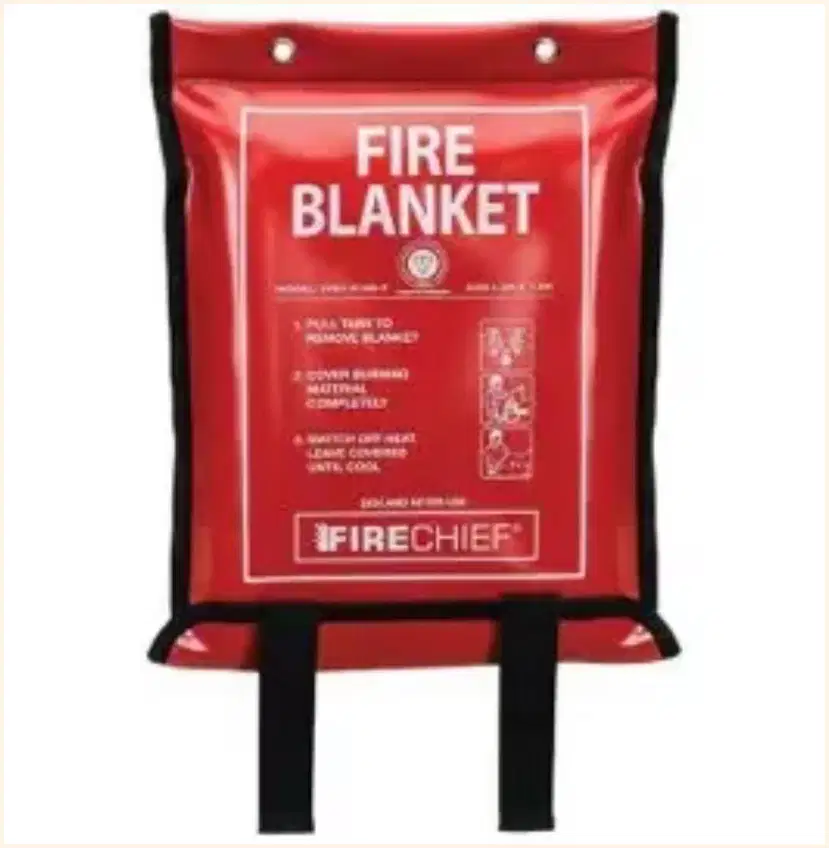
What is the primary purpose of a fire blanket?
To decorate kitchens
To extinguish small fires
To increase oxygen supply
To store fire-resistant materials
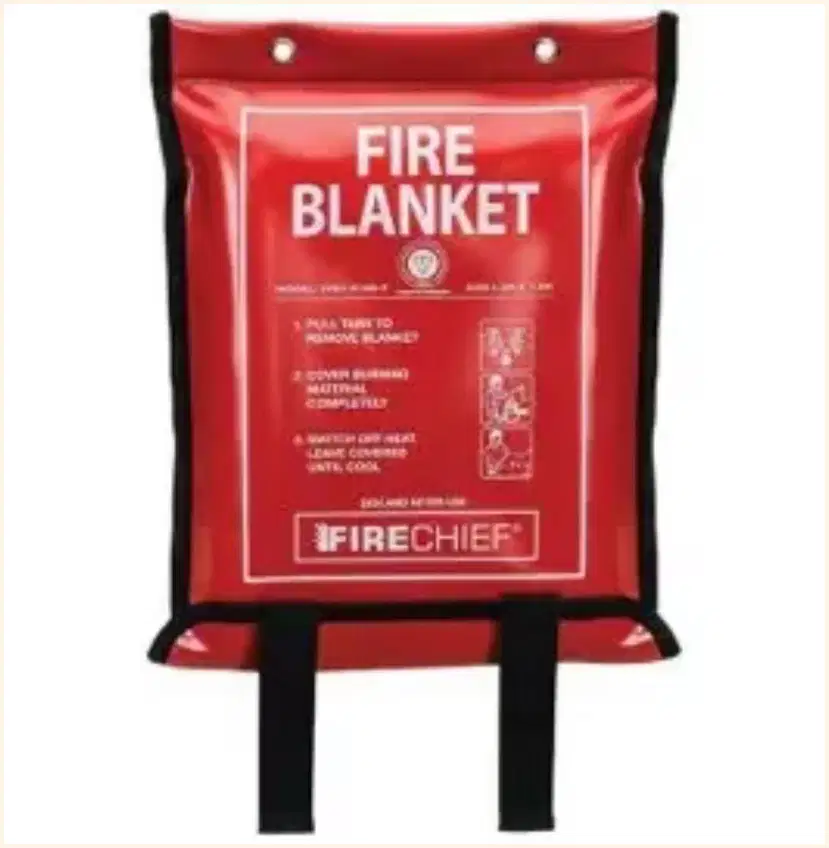
How does a fire blanket extinguish flames?
By increasing the heat around the fire
By cutting off the oxygen supply to the flames
By absorbing the flames into the material
By releasing chemicals to suppress the fire
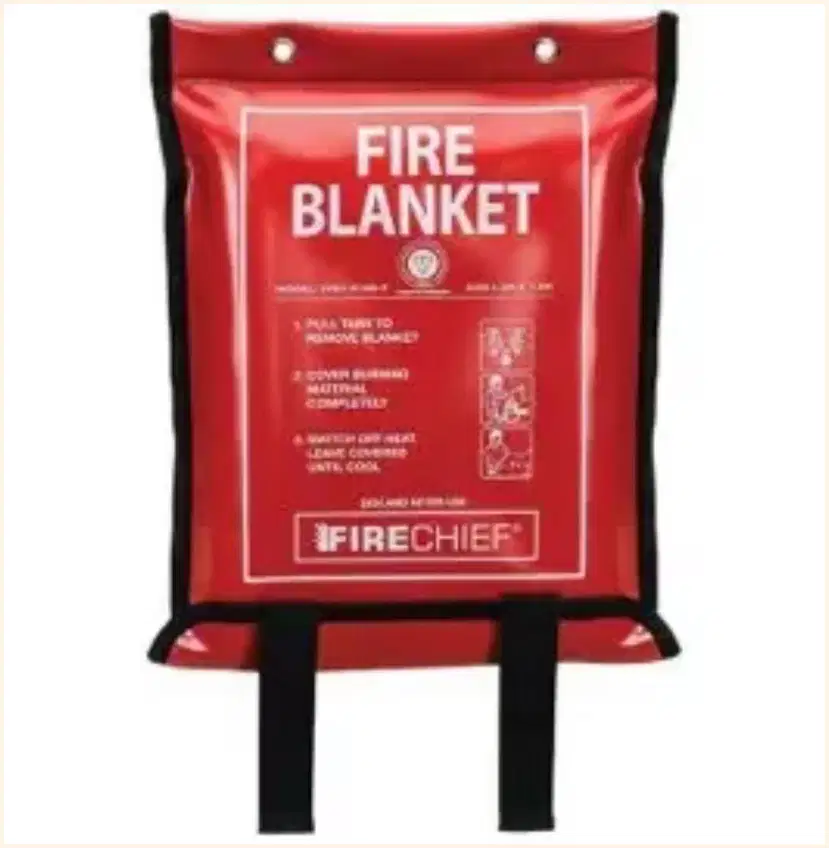
Where are fire blankets commonly used?
In bedrooms and living rooms
In kitchens and areas prone to small fires
In outdoor gardens
In swimming pools
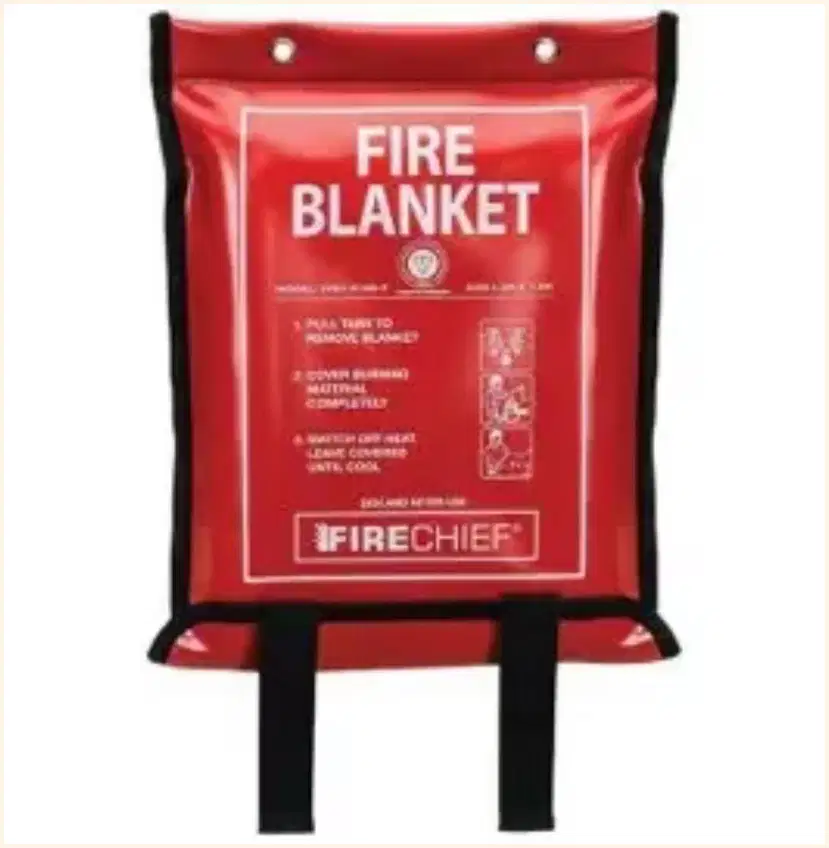
Can fire blankets be reused after use?
No, they must be discarded immediately
Yes, if they remain undamaged after use
Yes, regardless of their condition
No, they are single-use items

