
 Worksheets
PCT1
Total questions: 99
Worksheet time: 50mins
What is the main goal of body systems?
To keep the body in a state of balance called homeostasis.
To produce energy for movement only.
To digest food and eliminate waste only.
To control the body's temperature only.
What is the study of the structure of the body called?
Anatomy
Physiology
Biology
Pathology
What is the study of how body functions called?
Physiology
Anatomy
Pathology
Biochemistry
Which body system consists of the skin, hair, and nails, and its primary function is protection?
The integumentary system
The digestive system
The respiratory system
The circulatory system
Which body system consists of bones and joints and its primary function is support and movement?
The skeletal system
The digestive system
The respiratory system
The circulatory system
Which body system consists of voluntary and involuntary muscles and its primary function is movement?
The muscular system
The digestive system
The respiratory system
The circulatory system
Which body system consists of the brain, spinal cord, nerves, and sensory receptors, and its primary function is to regulate the body's control system and maintain homeostasis?
The nervous system
The digestive system
The respiratory system
The circulatory system
Which body system consists of hormone-producing glands and regulates metabolism, growth, sleep cycles, and reproduction?
The endocrine system
The digestive system
The respiratory system
The circulatory system
Which body system consists of the heart, blood vessels, and blood, and its primary function is to transport oxygen, nutrients, hormones, water, and waste products throughout the body?
The cardiovascular (or circulatory) system
The respiratory system
The digestive system
The nervous system
Which body system consists of lymph nodes, lymphatic vessels, spleen, tonsils, and thymus, and its primary function is to protect the body by filtering the blood and lymph?
The lymphatic system
The digestive system
The respiratory system
The nervous system
Which body system consists of the airway and lungs, and its primary function is to provide the body with a way to take in oxygen and eliminate carbon dioxide?
The respiratory system
The digestive system
The circulatory system
The nervous system
Which of the following body systems protects the body by filtering blood and lymph, and removing toxins that can cause infection and disease?
Cardiovascular
Endocrine
Lymphatic
Respiratory
What is the most common form of joint disorder mentioned in the disease processes?
Osteoarthritis
Asthma
Cancer
Hypertension
Which disease process is characterized by constriction of the bronchi and bronchioles in the lungs due to inflammation, causing symptoms such as dyspnea and chest tightness?
Asthma
Pneumonia
Cancer
Hypertension
Which disease process involves abnormal cell growth that causes tumors and can potentially spread to other parts of the body?
Osteoarthritis
Cancer
Hypertension
Infections
Which disease process is diagnosed when the systolic pressure is consistently 130 mm Hg or higher or the diastolic pressure is 80 mm Hg or higher?
Asthma
Hypertension
Pneumonia
COPD
Which disease process is inflammation of the lungs due to an infection in which the air sacs fill with fluid and pus, making it difficult to breathe?
Asthma
Pneumonia
COPD
Cancer
Which disease process occurs when a pathogen enters the body, grows, and multiplies?
Infections
Osteoarthritis
Asthma
Cancer
Which group of chronic lung diseases is characterized by progressive airflow obstruction and is mainly caused by smoking and air pollution?
Asthma
Chronic obstructive pulmonary disease (COPD)
Pneumonia
Hypertension
Fill in the blank: ________ is a grating sound within an arthritic joint.
crepitus
edema
cyanosis
erythema
Fill in the blank: A ________ is a micro-organism capable of causing a disease.
pathogen
enzyme
antibody
vaccine
Fill in the blank: ________ means difficult or labored breathing.
dyspnea
apnea
tachypnea
eupnea
Fill in the blank: ________ is thick, yellowish or green tinged liquid product of inflammation or infected tissues.
pus
serum
plasma
lymph
Fill in the blank: ________ is the inadvertent inhalation of fluid or other substances into the lungs.
aspiration
respiration
circulation
exhalation
Fill in the blank: ________ means vomited material.
emesis
hematemesis
diarrhea
anorexia
Fill in the blank: ________ is a reduced supply of oxygen to tissues below normal physiological levels despite adequate perfusion of the tissue by blood.
hypoxia
anemia
hypercapnia
ischemia
Fill in the blank: ________ is the pressure exerted against the arterial walls of the heart when it is contracting.
systolic blood pressure
diastolic blood pressure
pulse pressure
mean arterial pressure
Fill in the blank: ________ is the pressure against the atrial walls of the heart when it is at rest.
diastolic blood pressure
systolic blood pressure
pulse pressure
mean arterial pressure
Which blood pressure category has a systolic value less than 120 mm Hg and a diastolic value less than 80 mm Hg?
Expected reference range
Elevated
High blood pressure (hypertension) stage 1
Hypertensive crisis
Which blood pressure category is defined by a systolic value of 120 to 129 mm Hg and a diastolic value less than 80 mm Hg?
Elevated
High blood pressure (hypertension) stage 1
High blood pressure (hypertension) stage 2
Hypertensive crisis
Which blood pressure category is defined by a systolic value of 130 to 139 mm Hg and a diastolic value of 80 to 89 mm Hg?
High blood pressure (hypertension) stage 1
High blood pressure (hypertension) stage 2
Hypertensive crisis
Expected reference range
Which blood pressure category is defined by a systolic value of 140 or greater mm Hg and a diastolic value of 90 or greater mm Hg?
High blood pressure (hypertension) stage 2
Hypertensive crisis
Elevated
Expected reference range
Which blood pressure category is defined by a systolic value of 180 or greater mm Hg and a diastolic value of 120 or greater mm Hg?
Hypertensive crisis
High blood pressure (hypertension) stage 2
Elevated
Expected reference range
Which of the following cardiovascular disorders results in the heart being unable to pump an adequate amount of blood to meet the needs of the body?
Coronary artery disease
Heart failure
Hypertension
Atherosclerosis
What is the appropriate water temperature range for most routine baths when bathing a patient?
30°C to 35°C (86°F to 95°F)
37°C to 46°C (98.6°F to 115°F)
50°C to 60°C (122°F to 140°F)
20°C to 25°C (68°F to 77°F)
When bathing a patient, always take steps to ensure the patient's _________
privacy
comfort
temperature
hydration
Which of the following is NOT a recommended safety measure when assisting a patient in and out of the tub or shower?
Use nonskid mats and socks
Leave the patient alone if you are sure they are safe
Keep a call light in close reach
Assist the patient in and out of the tub or shower
When performing a bed bath, adjusting the height of the bed to a comfortable position helps to prevent _________
back strain
skin irritation
patient discomfort
infection
What is the definition of 'incision' as provided in the text?
A surgical cut with a sharp instrument that creates an opening into the body during surgery and is later closed with sutures or staples.
A type of bandage used to cover wounds after surgery.
A medical instrument used to close wounds.
A medication given to reduce pain during surgery.
You are performing a complete bed bath for a patient who is immobile. Which of the following actions should you take during the bath?
Rub the skin vigorously with a towel to dry it completely.
Use short strokes when washing the arms and legs.
Wash the cleanest area first and the dirtiest area last.
Fill in the blank: Perineal refers to _________?
Genital and anal areas.
Upper arm region.
Chest and abdominal area.
Foot and ankle area.
Fill in the blank: Hemorrhoids are _________?
Swollen and weakened veins or groups of veins commonly found in the anal region.
A type of bacterial infection affecting the lungs.
A genetic disorder causing muscle weakness.
A form of skin cancer found on the hands.
Fill in the blank: NPO means _________.
Nothing by mouth, derived from the Latin nil per os.
No patient observation, derived from medical terms.
Nasal passage obstruction, related to ENT.
Nutritional protein overload, related to diet.
When performing oral hygiene care for a patient who is unable to do it, which of the following actions should you take?
Brush from the back of the mouth to the front.
Brush the teeth with an up-and-down motion.
Hold the brush at a 90° angle to the gums.
What is the first step in making an occupied bed according to the Certified Patient Care Technician (CPCT) Study Guide?
Tuck the sheets to be removed under the patient
Roll the patient to one side of the bed
Replace the sheets on the unoccupied side
Remove the old linens
Fill in the blank: After rolling the patient to one side of the bed, the next step is to _________?
Tuck the sheets to be removed under the patient
Ask the patient to sit up
Change the pillowcase
Adjust the bed height
Which of the following is a safety precaution to take when making an occupied bed?
Leave the bed rails down
Lock the bed rails on the side you roll the patient to
Change linens before explaining the procedure
Remove the patient from the bed
When dressing a patient with a weak side, which side should you dress first?
Weak side
Strong side
Both sides at the same time
It does not matter
Fill in the blank: When undressing a patient with a weak side, you should work with the ________ side first.
strong
weak
left
right
When assisting a patient in or out of a hospital gown, you should be aware of any IV lines or dressings to avoid causing discomfort.
True
False
What should you do if a patient has an IV line connected to an IV bag when removing a hospital gown?
Remove the gown over the IV site and tubing first
Take the arm without the IV line out of the gown first
Remove the IV line before removing the gown
Ask the patient to remove the gown themselves
You are taking the hospital gown off a patient who has an IV line in the right arm. Which arm should you take out of the gown first?
Right arm
Left arm
Either arm
Why might a patient need assistance with feeding?
Weakness or physical deficits
Neurological deficits
Difficulty swallowing
All of the above
What should you check with the nurse before assisting a patient with feeding?
Dietary restrictions or precautions
Patient's diabetes status
Difficulty swallowing
All of the above
Fill in the blank: When assisting a patient with feeding, using a ______ is safer than a fork.
spoon
knife
chopstick
toothpick
When weighing a patient using a mechanical scale, you should start by moving all of the weights to the right side of the balance bar.
True
False
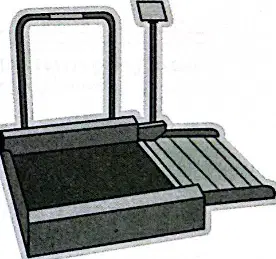
When weighing a patient in a wheelchair, what must you do before recording the patient's weight?
Subtract the weight of the wheelchair
Add the weight of the wheelchair
Ignore the wheelchair's weight
Weigh the patient separately
Fill in the blank: When weighing a patient using an in-bed scale, subtract the weight of the ______ and equipment before recording the patient's weight.
bedding
medication
food
clothing
Which of the following are indications of active listening? (Select all that apply.)
A. Smile
B. Eye contact
C. Erect posture
D. Attention to what the speaker is saying
Which therapeutic communication skill involves hearing what a patient says and following the thoughts they express?
Accepting
Reflecting
Clarifying
Summarizing
Which therapeutic communication skill is described as asking for a clearer explanation when what a patient says is vague?
Clarifying
Reflecting
Summarizing
Confronting
Which therapeutic communication skill involves asking a patient to share what they are feeling?
Encouraging communication
Giving advice
Judging
Rejecting
Which therapeutic communication skill is gently persuading a patient to express their thoughts in a little more detail, but avoiding any probing or prying?
Exploring
Confronting
Judging
Probing
Which therapeutic communication skill involves keeping a patient's attention on the important topic or information they need to understand?
Focusing
Reflecting
Summarizing
Clarifying
Which therapeutic communication skill allows a patient to direct the discussion?
Giving a broad opening
Focusing
Offering advice
Defending
Which therapeutic communication skill involves showing a patient recognition as an individual, including addressing them by name?
Giving recognition
Offering general leads
Making observations
Restating
Which therapeutic communication skill involves sharing your perceptions with a patient?
Making observations
Giving advice
Offering reassurance
Defending
Which therapeutic communication skill is restating the patient's statement to show understanding?
Mirroring
Clarifying
Summarizing
Reflecting
Which therapeutic communication skill involves conveying your availability to listen and help?
Offering self
Giving advice
Defending
Requesting clarification
Which therapeutic communication skill encourages a patient to keep expressing their thoughts?
Offering general leads
Giving advice
Changing the subject
Disapproving
Which therapeutic communication skill is repeating a patient's statement or question back to them to encourage them to value or accept their own opinions?
Reflecting
Clarifying
Summarizing
Confronting
Which therapeutic communication skill conveys that a patient can continue formulating the thoughts they want to express without any pressure to converse?
Remaining silent
Giving advice
Changing the subject
Offering reassurance
Requesting an explanation
Which therapeutic communication skill demonstrates an understanding of the important parts of the conversation?
Summarizing
Reflecting
Probing
Confronting
Match the type of ineffective communication with its example:
Advising
If I were you, I wouldn’t take that medication. Just try to avoid salt in your diet.
Agreeing/disagreeing
I agree. Chemotherapy is your best option.
Defending
Dr. Lopez has been doing this for a long time. She knows what’s best for you.
Disapproving
You really should have given that medication a chance to work before you stopped taking it.
Giving approval
Good job. I’m proud of you for taking the initiative to check your thyroid levels.
Which of the following is an example of 'Minimizing feelings' in patient communication?
A. "Everything is going to be all right. You’ll see."
B. "Everybody hates needles."
C. "Dr. Lopez has been doing this for a long time."
D. "Good job. I’m proud of you for taking the initiative."
Fill in the blank: Boundaries in health care are necessary to keep patients as the ______ and focus of each encounter.
priority
observer
assistant
spectator
Fill in the blank: Low health literacy can result in an ______ to understand the provider’s medical jargon or complex instructions.
inability
interest
opportunity
requirement
Which of the following is NOT a recommended way to communicate with patients?
Making the encounter all about the patient
Sharing personal stories or experiences with patients
Keeping patients as the priority
Avoiding personal life discussions
What is the purpose of using a nasal cannula in oxygen therapy?
To deliver oxygen to the patient.
To measure blood pressure.
To administer medication intravenously.
To monitor heart rate.
Which of the following is a safety guideline for using oxygen equipment?
Use electrical razors near oxygen tanks
Keep oxygen cylinders away from heat sources
Ignore fire extinguisher locations
Allow oxygen tubing to have kinks
Only a licensed provider can initiate oxygen therapy and prescribe the flow rate and method of delivery.
True
False
Fill in the blank: When assisting with oxygen, first verify the order with the _______.
nurse
doctor
patient
family member
Which of the following is NOT a recommended safety guideline during oxygen use? Choose the correct option.
Make sure there is adequate signage in the patient's room
Use heating pads near oxygen tanks
Make sure oxygen tubing has no kinks
Know the location of fire extinguishers
What should you do if a patient is not fluent in the language you speak during a medical encounter?
Seek the assistance of a medical interpreter or provide written instructions in the patient's language.
Continue speaking in your language and hope the patient understands.
Ask the patient to bring a family member to interpret, regardless of their medical knowledge.
Ignore the language barrier and proceed with the usual medical process.
When caring for patients receiving oxygen therapy, which of the following is a symptom of hypoxia?
A) Anxiety
B) Increased appetite
C) Decreased blood pressure
D) Rash
When caring for patients receiving oxygen therapy, which of the following is NOT a symptom of hypoxia?
Fatigue
Hypertension
Cyanosis
Increased appetite
Notify the nurse immediately if you observe which of the following in a patient receiving oxygen therapy?
Pulse oximetry reading less than 90%
Patient is sleeping
Patient requests water
Patient is watching TV
You should change or adjust the flow rate of oxygen without checking with the nurse.
True
False
Fill in the blank: Oxygen can cause the patient's nasal cavity and mouth to become _____
dry
swollen
infected
numb
What is the most common type of suctioning after surgery?
Oropharyngeal suctioning (mouth and throat)
Nasogastric suctioning
Tracheal suctioning
Bronchial suctioning
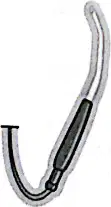
Which of the following is a correct step when preparing a patient for suctioning using a suction catheter?
Ensure the patient is in a semi-Fowler's position and explain the procedure.
Insert the catheter without any explanation to the patient.
Do not check the suction equipment before use.
Skip hand hygiene before the procedure.
Which device measures heart activity, such as heart rate and rhythm?
Capnography monitor
Cardiac monitor
Infusion pump
Ventilator
What is the primary function of a ventilator in a hospital setting?
Measures oxygen levels in the blood
Delivers fluids or medications
Pumps pressurized air into a patient’s lungs
Measures the concentration of carbon dioxide in exhaled air
A capnography monitor measures the concentration of ______ in exhaled air.
carbon dioxide
oxygen
nitrogen
water vapor
Continuous pulse oximetry is used to measure ______ levels in the blood.
oxygen
glucose
calcium
potassium
Infusion pump delivers a specific amount of fluids or medications directly into a patient’s ______ system at a specific rate.
circulatory
digestive
respiratory
nervous
Hospital beds have side rails on each side that can be raised or lowered to prevent patients from falling and provide support when repositioning or getting out of bed.
True
False
When caring for a patient who has a tracheostomy, what should you do before suctioning?
Discard the catheter
Oxygenate the patient
Lock the wheels of the bed
Raise the side rails
Which type of specialty bed can accommodate more weight and is wider than standard beds?
Airflow beds
Bariatric beds
Pulmonary therapy beds
Alternating pressure beds

