
Font size
 Worksheets
Introduction to Oral Hygiene
Total questions: 25
Worksheet time: 13mins
Why is it important to keep your mouth and teeth clean?
It helps prevent diseases like pneumonia and gum disease, and keeps your mouth healthy.
It makes your teeth look shiny but does not affect your health.
It only helps you eat sweet foods.
It is only important for adults, not children.
Which of the following are benefits of good oral care? Select all that apply.
Prevents infections in the mouth by removing food particles and plaque.
Stimulates circulation to the gums.
Eliminates bad tastes in the mouth.
Causes more cavities.
What is gum disease?
A problem that happens when plaque and tartar irritate the gum line, causing inflammation and pockets around the teeth
A sickness that makes your hair fall out
A disease that only affects your tongue
A problem that makes your teeth grow faster
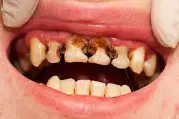
Look at the image showing unhealthy teeth with yellow buildup. What is most likely the cause of this condition?
Poor oral hygiene leading to tartar and plaque buildup
Eating too many fruits and vegetables
Brushing teeth every day
Drinking lots of water
What is one reason bad breath (halitosis) can happen?
Bacteria in hardened plaque, brown tartar, and dental stains
Eating too many apples
Drinking only water
Brushing teeth too much
Why can't mints or gum always fix bad breath caused by poor oral hygiene?
Because the bad breath is caused by bacteria that mints or gum cannot remove
Because mints and gum are too sweet
Because mints and gum make teeth yellow
Because mints and gum are only for freshening breath after meals
How can gum disease affect the heart?
Bacteria from infected gums can enter the bloodstream and increase the risk of heart problems
It makes your heart beat faster when you brush your teeth
It causes your heart to grow bigger
It makes your heart stronger
What is gingivitis?
A non-destructive disease that causes inflammation of the gums
A sickness that makes your teeth fall out immediately
A disease that only affects your tongue
A problem that makes your teeth grow faster
What is the most common cause of gingivitis?
Bacteria (plaque) attached to tooth surfaces
Eating too much candy
Not drinking enough water
Brushing teeth too much
Look at the image comparing healthy gums and gingivitis. What is a difference you can see between the two?
Gingivitis gums are red and swollen, while healthy gums are pink and firm
Gingivitis gums are blue, while healthy gums are yellow
Gingivitis gums are smaller, while healthy gums are larger
Gingivitis gums are dry, while healthy gums are wet
Which stage of gum disease comes right after gingivitis, according to the diagram showing the stages of gum diseases?
Early Periodontitis
Moderate Periodontitis
Healthy Tooth
Advanced Periodontitis
How long and how often should you brush your teeth and gums to practice good oral hygiene?
For two minutes at least twice a day
For five minutes once a day
For one minute three times a day
For thirty seconds once a week
Why is it important to floss your teeth daily?
It helps remove food and plaque between teeth
It makes your teeth grow faster
It changes the color of your teeth
It replaces the need to brush your teeth
Which habit should you avoid to keep your mouth healthy?
Smoking cigarettes or chewing tobacco products
Brushing your teeth twice a day
Eating vegetables
Drinking water
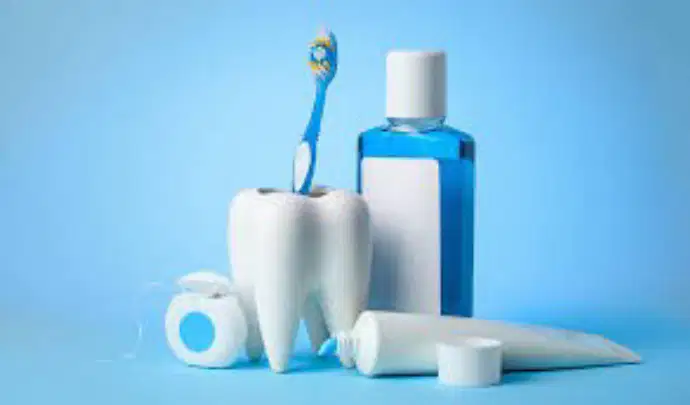
Which of the following is an oral hygiene product used to clean between teeth?
Dental floss
Toothpaste with extra flavoring for children
A toothbrush with soft bristles and a timer
A cup for rinsing after brushing
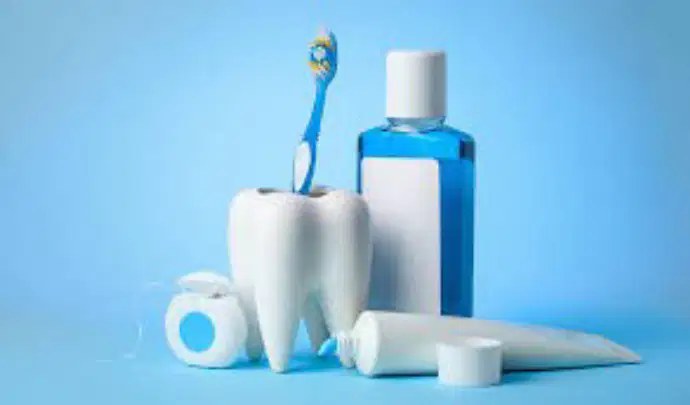
Which product is used to freshen your breath and clean your mouth by rinsing?
Mouthwash
Dental floss with mint flavor
Toothpaste for sensitive teeth
A toothbrush with a tongue cleaner
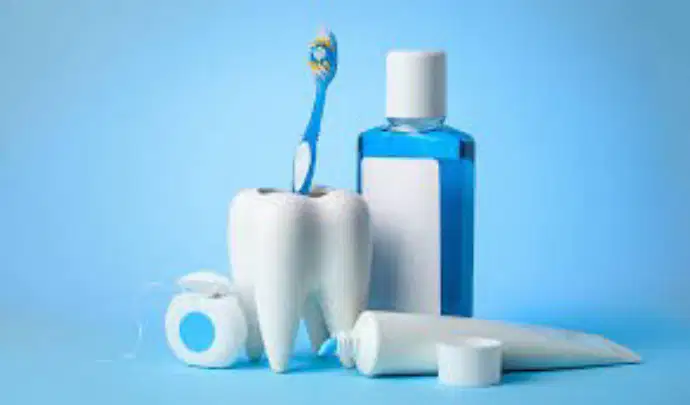
What is the main purpose of oral hygiene products?
To keep your mouth clean and healthy
To make your teeth look shiny for photos
To help you eat sweet foods without problems
To decorate your bathroom shelf
Which ingredient in toothpaste helps prevent tooth decay and strengthens enamel?
Fluoride
Flavoring agents
Abrasives
Preservatives
Which of the following is an example of an abrasive found in toothpaste?
Calcium pyrophosphate
Glycerol
Xanthan gum
Methyl paraben
What is the main purpose of using mouthwashes?
To clean and deodorize the buccal cavity
To color the teeth blue
To make the mouth dry
To sweeten food before eating
Which of the following is usually present in gargles for its antibacterial activity?
Phenol or thymol
Sugar or salt
Vinegar or lemon
Pepper or honey
How long should gargles be kept in contact with the throat before being thrown out?
For a few seconds
For one hour
For a whole day
For ten minutes
Potassium chlorate is included in gargles mainly for which effect?
Its weak astringent effect to tone up a relaxed throat
Its sweet taste to make gargles pleasant
Its strong smell to clear the nose
Its color to make the solution blue
What is the main reason throat paints are made highly viscous?
So the drug remains in contact with the mucus membrane for a longer time period.
To make them taste better for children.
To help them dry quickly after application.
So they can be used for skin infections.
Which of the following is NOT a correct way to apply throat paints?
Diluting them before use.
Using a brush or cotton plug.
Applying them directly to the affected area.
Using them without dilution.

