
NEW
Font size
 Worksheets
Advanced Clinical Skills and Emergency Preparedness Quiz
Total questions: 47
Worksheet time: 24mins

Which of the following is an example of an advanced clinical skill?
Obtaining vital signs and administering medication
Performing CPR
Recognizing medical emergencies
Maintaining emergency equipment

What is a key responsibility in emergency preparedness?
Educating patients about home-care instructions
Assisting with minor surgeries
Recognizing and responding to medical emergencies
Preparing sterile fields
Which procedure is associated with maintaining aseptic techniques?
Preparing sterile fields
Performing CPR
Supporting providers
Maintaining emergency equipment
Why is it important to maintain readiness of emergency equipment and supplies?
To ensure quick and effective response during medical emergencies
To educate patients about home-care
To assist with minor surgeries
To administer medication
Which of the following is TRUE about most office-based surgeries?
Most office-based surgeries require little anesthesia.
Most office-based surgeries can be performed safely in the medical office.
Most office-based surgeries are only performed in hospitals.
Most office-based surgeries are unsafe.
Which of the following is a responsibility of a medical assistant during office-based surgeries?
Prescribing medication
Preparing the sterile field
Questioning the patient
Performing the surgery
What should a medical assistant do prior to an office-based surgery?
Disinfect the patient’s personal items
Assemble all instruments and supplies
Write the patient’s medical history
Schedule follow-up appointments
Why is maintaining aseptic technique important for medical assistants during office-based surgeries?
It helps reduce the cost of surgery.
It ensures the surgery is performed correctly
It prevents infection and promotes patient safety.
It allows the use of anesthesia.
What is the primary purpose of surgical asepsis or sterile technique?
To eliminate pathogenic and other potentially harmful microbes.
To reduce the cost of surgical procedures.
To help the healing process
To improve the appearance of surgical incisions
Which of the following is NOT a requirement for maintaining surgical asepsis?
Using sterile gloves
Surgical handwashing
Maintaining a sterile field
Using non-sterile bandages
Why is maintaining a sterile field important during invasive procedures?
It prevents contamination by harmful microbes.
It makes the procedure faster.
It reduces the need for anesthesia.
It increases the number of staff required.
If a nurse fails to use sterile gloves during a surgical procedure, which aspect of surgical asepsis is compromised?
Elimination of pathogenic microbes
Speed of the procedure
Comfort of the patient
Cost of the procedure
What is the primary purpose of a sterile field during medical or surgical procedures?
To maintain sterility and prevent infection
To store equipment
To provide a resting area for patients
To display medical charts
Which item is commonly used to create a sterile field by holding a sterile drape or tray?
Mayo stand
IV pole
Examination table
Bedside Table
A medical assistant is preparing for a surgical procedure and needs to set up a sterile field. What steps should the MA take to ensure the field remains sterile throughout the procedure?
Use a sterile drape on a disinfected mayo stand and handle all instruments with sterile gloves
Use a sterile drape on a mayo stand and handle all instruments with regular gloves
Use non-sterile gloves to arrange the instruments on the bedside stand
Skip disinfection if the procedure is short
What is the primary method of sterilization in medical offices?
Autoclaving
Freezing
disinfectanting wipes
Chemical soaking

What does a sterilization indicator tape do?
Changes color to indicate if an item has been autoclaved
Seals the packet to prevent contamination
Measures the temperature inside the autoclave
Records the date of sterilization
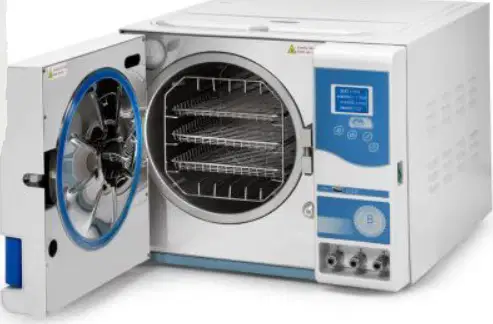
Why is high-temperature steam used in autoclaving?
To kill microorganisms and sterilize instruments
To heat up surgical instruments
To dry and clean medical supplies
To clean the autoclave machine

A medical assistant prepares a packet of surgical instruments and wraps it with sterilization indicator tape. After autoclaving, the tape changes color. What does this indicate?
The packet has been successfully autoclaved
The packet is contaminated
The packet needs to be rewrapped
The packet contains dirty instruments
Which of the following is the first step in preparing a sterile field?
Disinfect the Mayo stand using appropriate cleaning products.
Perform thorough hand hygiene.
Choose a dry, clean flat workspace such as a mayo stand.
Open the sterile packet.
What should you do after disinfecting the Mayo stand when preparing a sterile field?
Open the sterile packet.
Perform thorough hand hygiene.
Place the packet on the Mayo stand.
Pull both of the side flaps open.
When opening a sterile packet, which flap should be opened first?
The flap closest to the MA
The flap farthest away from the MA
Either side flap
The order does not matter
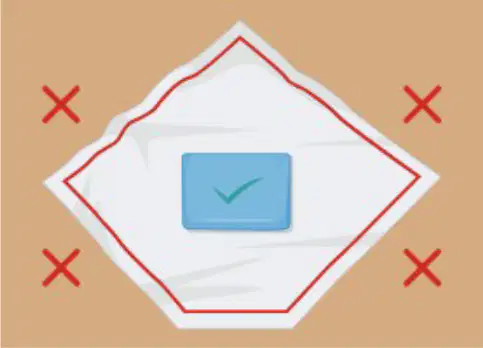
Select the statement that best describes the diagram.
The diagram illustrates the correct way to open a sterile packet.
The diagram shows the importance of hand hygiene.
The diagram demonstrates the nonsterile border around a sterile drape.
The diagram explains how to disinfect a Mayo stand.
Explain why it is important to allow the Mayo stand to dry completely after disinfecting it before setting up a sterile field.
Wet surfaces can increase the risk of contamination.
Dry surfaces are easier to clean.
It makes the stand more comfortable to use.
It prevents the packet from sticking to the stand.
What is asepsis?
The absence of bacteria, viruses, and other microorganisms
The process of cleaning surgical instruments
The use of antibiotics to treat infection
The application of bandages to wounds
How are we supposed to open a sterile packet?
By opening it away from the body
By tearing it open with bare hands
By using scissors to cut it open
By opening it towards the body
How many inches around the sterile drape is considered non-sterile?
1 inch
2 inches
1.5 inches
2.5 inches
Why is proper wound closure important in medical procedures?
It prevents dehydration
It reduces the risk of infections, complications, and abnormal scarring
It decreases blood flow
It makes wounds heal faster
A patient receives improper wound closure after a minor surgery. What are some possible consequences they might face?
Faster healing and improved skin tone
Infections, complications, and abnormal scarring
Increased muscle strength
Reduced need for medication
Which of the following materials is commonly used to make non-absorbable sutures?
Cotton
Nylon
Paper
Rubber
What does a higher number of zeros in suture gauge (e.g., 6-0 vs 2-0) indicate?
Thicker diameter
Longer suture
Smaller diameter
Stronger material
A surgeon needs to suture the chest or abdomen. Which suture size is most appropriate?
6-0
5-0
2-0
8-0
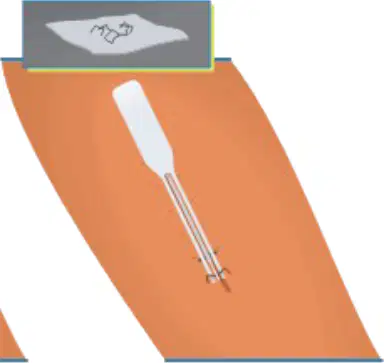
A medical assistant (MA) is allowed to remove sutures or staples under what condition?
Under delegation of a provider
Without supervision
in emergency situations
Only if the patient requests it
Which of the following items is NOT typically included in a disposable suture removal kit?
Scissors
Forceps
Stethoscope
Gauze
What is the correct procedure after performing proper hand hygiene during suture removal?
Apply a bandage immediately
Open the kit and create a sterile field
Begin cutting the sutures
Wash the wound with soap and water
What should you NEVER do when removing a suture?
Use antiseptic on the skin
Pull the suture through the skin
Wear gloves
Use forceps

A patient in an outpatient clinic suddenly experiences severe bleeding. Which MA responsibility is most relevant in this situation?
Bleeding management
Contacting famiily members about the severe bleeding
Taking vital signs
Filing paperwork

What is the correct compression to breath ratio for 2 person adult CPR?
15 compressions to 2 breaths
30 compressions to 2 breaths
20 compressions to 2 breaths
10 compressions to 2 breath
How deep should chest compressions be during adult CPR?
At least 1 inch deep
At least 2 inches deep
At least 3 inches deep
At least 4 inches deep
What is the recommended rate of chest compressions per minute during adult CPR?
60-80 compressions per minute
80-100 compressions per minute
100-120 compressions per minute
120-140 compressions per minute
What should you do as soon as an AED arrives during CPR?
Stop compressions and attach AED
Attach the AED and follow prompts
Continue compressions without using the AED
Give rescue breaths only
Which of the following is a sign or symptom of mild moderate/severe hypoglycemia?
Mood change
Thirst
Chest pain
Severe vomiting
What is the recommended treatment for a severe case of hypoglycemia?
Glucagon or D50 (IV dextrose)
Drinking water
Blood transfusion
IV fluid replacement
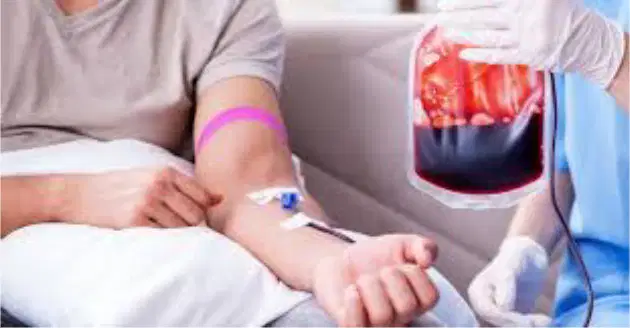
Which condition is characterized by excessive body fluid or blood loss and can be caused by severe vomiting or diarrhea?
Hypovolemic shock
Hypoglycemia
Hypervolemic shock
Hyperglycemia
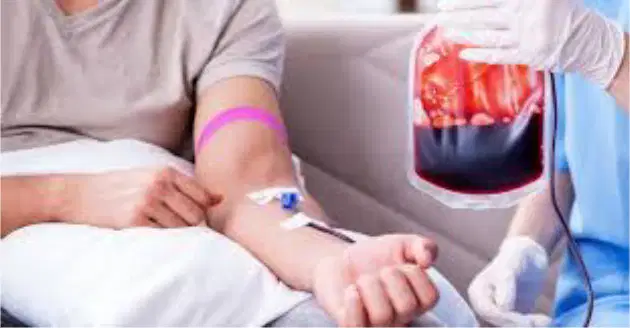
A patient presents with thirst, cramping, and lightheadedness. As the condition progresses, they develop chest pain and confusion. What is the most likely diagnosis?
Hypovolemic shock
Moderate hypoglycemia
Hypertension
Hyperglycemia
Explain why rapid administration of IV dextrose is necessary in severe hypoglycemia cases, and discuss the potential consequences if left untreated.
It quickly raises blood sugar levels, preventing seizures, coma, and potential death; untreated severe hypoglycemia can result in life-threatening complications.
It helps to rehydrate the patient, preventing dehydration; untreated cases may lead to severe discomfort.
It lowers blood pressure, preventing hypertension; untreated cases may result in headaches.
It increases insulin production, preventing diabetes; untreated cases may result in weight gain.
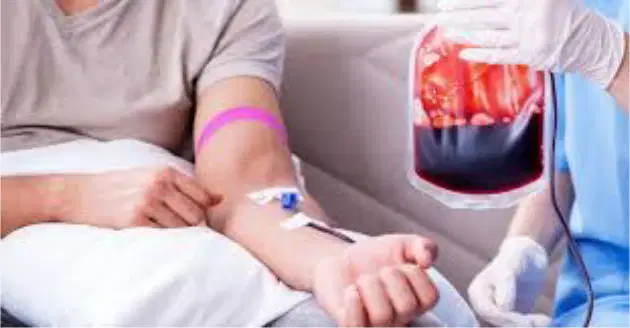
Describe the steps involved in treating hypovolemic shock and explain why each step is important for patient survival.
Control blood loss, blood transfusion, and IV fluid replacement; these steps restore blood volume and pressure, preventing organ failure and death.
Control blood loss,Administer insulin, provide glucose, and monitor heart rate; these steps restore blood volume and pressure, preventing organ failure and death
Control blood loss,Give painkillers, provide oxygen, and monitor breathing; these steps restore blood volume and pressure, preventinig organ failure and death.
Control blood loss, increase fluids, administer diuretics, and monitor urine output; these steps restore blood volume and pressure, prevent organ failure and dealth

