
 Worksheets
Unit Student Learning Outcomes
Total questions: 77
Worksheet time: 39mins
Which of the following best describes the primary function of the urinary system?
The urinary system removes waste products and regulates fluid balance in the body.
The urinary system produces hormones that control digestion and metabolism, as well as stores nutrients.
The urinary system is responsible for oxygen transport and immune defense.
The urinary system synthesizes proteins and distributes them throughout the body.
Select all statements that accurately describe the impact of disruptions in the urinary system on the human body.
Disruptions in the urinary system can lead to imbalances in fluid and electrolytes.
Disruptions in the urinary system have no effect on blood pressure regulation.
Disruptions in the urinary system may result in accumulation of waste products in the blood.
Disruptions in the urinary system always improve kidney function.
Which statement best explains the interrelationship between the urinary system and other body systems?
The urinary system helps regulate blood pressure, which affects the cardiovascular system.
The urinary system only interacts with the digestive system and has no effect on other systems.
The urinary system is isolated from all other body systems.
The urinary system is responsible for producing insulin for the endocrine system.
Which organ is responsible for regulating blood volume and electrolytes in the human body?
Kidney
Ureter
Urinary bladder
Urethra
Which of the following is NOT a function of the kidneys?
Regulate acid-base balance
Excrete nitrogenous waste
Store urine
Regulate blood pressure
Select all functions performed by the kidneys.
Regulate blood glucose
Regulate RBC production via erythropoietin
Excrete nitrogenous waste
Store urine
How many ureters are present in the human urinary system?
One
Two
Three
Four
Which structure carries urine from the kidneys to the urinary bladder?
Ureter
Urethra
Renal vein
Aorta
Which hormone produced by the kidneys regulates red blood cell production?
Erythropoietin
Insulin
Adrenaline
Thyroxine
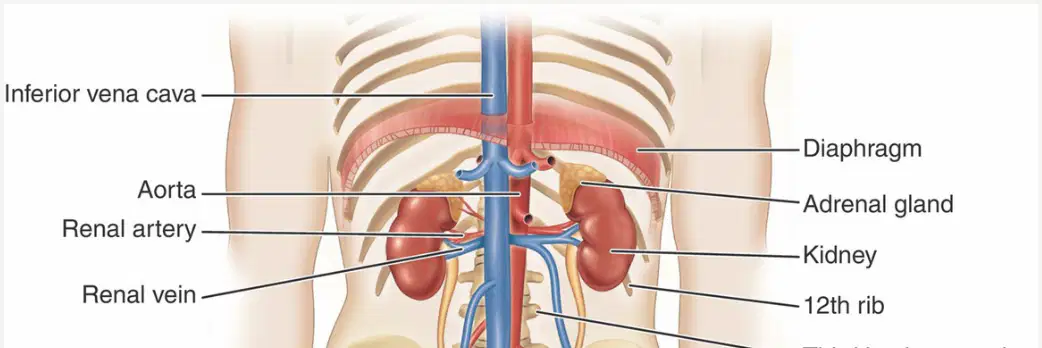
Refer to the diagram showing the organs of the urinary system. Which organ is located just below the diaphragm and above the 12th rib?
Kidney
Adrenal gland
Urinary bladder
Ureter
Which organ of the urinary system is singular in number?
Kidney
Ureter
Urinary bladder
Renal vein
Which part of the kidney is described as a tough, fibrous outer covering that protects the kidney?
Renal capsule
Renal cortex with additional connective tissue
Renal medulla
Renal pelvis
What is the primary function of the renal cortex in the kidney?
It contains the nephrons where filtration occurs.
It stores urine before it is excreted.
It transports urine from the nephrons to the renal pelvis.
It acts as a barrier to infection.
Which region of the kidney consists of renal pyramids that help transport urine from the nephrons to the renal pelvis?
Renal medulla
Renal cortex with nephrons
Renal capsule
Renal papilla
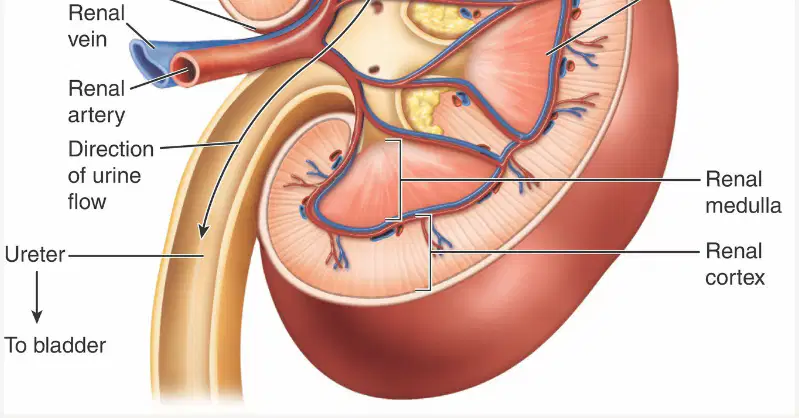
Refer to the diagram of the kidney. Which labeled structure is responsible for carrying urine from the kidney to the bladder?
Ureter
Renal vein
Renal artery
Renal pelvis
Which structure in the nephron encases the glomerulus and initiates filtration of blood?
Bowman's capsule
Proximal convoluted tubule
Loop of Henle
Collecting duct
What is the main function of the proximal convoluted tubule (PCT) in the nephron?
Reabsorbs nutrients, water, and electrolytes back into the blood.
Concentrates urine by reabsorbing water and salts.
Regulates ion exchange and pH balance.
Transports urine to the renal pelvis.
Which part of the nephron is crucial for concentrating urine by reabsorbing water and salts?
Loop of Henle
Bowman's capsule
Distal convoluted tubule
Collecting duct
Which structure in the nephron regulates ion exchange and pH balance?
Distal convoluted tubule (DCT)
Proximal convoluted tubule (PCT)
Loop of Henle
Bowman's capsule
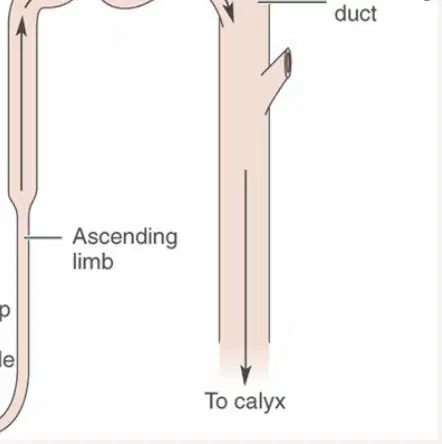
Refer to the diagram of the nephron. Which labeled structure is the final site for urine concentration before it is transported to the renal pelvis?
Collecting duct
Distal convoluted tubule
Proximal convoluted tubule
Bowman's capsule
Which of the following correctly matches the kidney region with its function?
Renal cortex: filtration; Renal medulla: urine transport
Renal medulla: filtration; Renal cortex: urine transport
Renal capsule: urine concentration; Renal pelvis: filtration
Renal cortex: urine storage; Renal medulla: blood supply
Which process in urine formation involves water and dissolved substances moving from the blood in the glomerulus into the glomerular capsule?
Filtration
Reabsorption with additional absorption of proteins
Secretion with movement of glucose
Reabsorption with loss of water
During reabsorption in urine formation, which of the following substances are typically reabsorbed in the highest percentage?
100% of glucose and other small organic molecules
50% of sodium and chloride
75% of water and potassium ions
99% of proteins and fats
Select all substances that are moved from the blood into the renal tubules during secretion in urine formation.
Hydrogen ions (H+)
Potassium ions (K+)
Glucose
Certain drugs
Which step of urine formation prevents the loss of useful substances in urine by returning them from the renal tubules to the blood?
Reabsorption
Filtration with additional protein movement
Secretion with movement of sodium
Filtration with loss of glucose
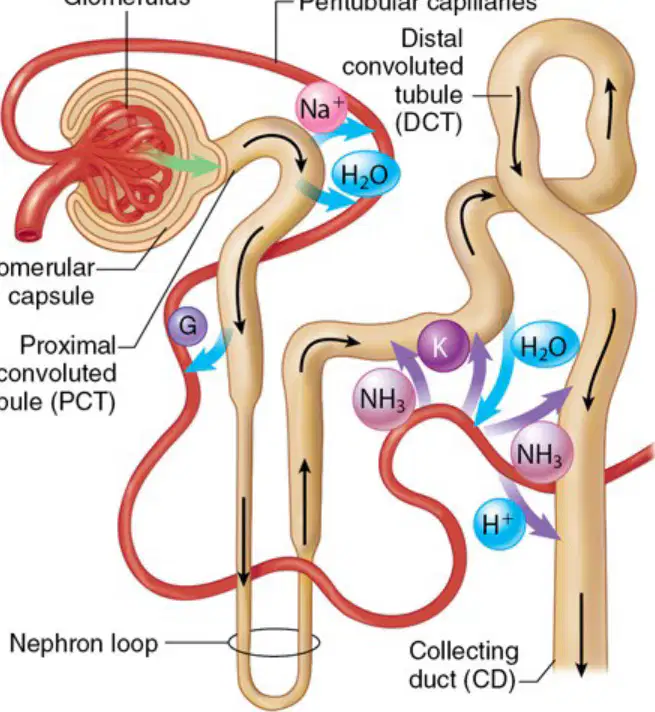
According to the diagram, which part of the nephron is responsible for filtration?
Glomerulus and glomerular capsule
Collecting duct (CD)
Distal convoluted tubule (DCT)
Nephron loop
What percentage of water, sodium, and chloride is typically reabsorbed during urine formation?
Up to 99%
About 50%
100%
Less than 10%
Which of the following best describes the role of secretion in urine formation?
It moves hydrogen ions, potassium ions, and certain drugs from the blood into the renal tubules.
It returns water and dissolved substances from the renal tubules to the blood.
It filters water and dissolved substances from the blood into the glomerular capsule.
It reabsorbs glucose and small organic molecules into the blood.
Which hormone is secreted by the posterior pituitary and increases water reabsorption in the collecting ducts, thereby reducing urine volume?
ADH (Antidiuretic Hormone)
Aldosterone with increased sodium retention
Renin with increased vasoconstriction
ACE (Angiotensin-Converting Enzyme)
What is the primary effect of aldosterone on the kidneys?
It increases sodium and water reabsorption.
It increases only water reabsorption in collecting ducts.
It decreases sodium reabsorption and increases urine volume.
It triggers vasoconstriction without affecting reabsorption.
Which system is activated by low blood pressure or volume and leads to vasoconstriction and aldosterone release to restore blood pressure and volume?
Renin-Angiotensin-Aldosterone System (RAAS)
Posterior pituitary hormone system
Adrenal cortex feedback loop
Collecting duct reabsorption system
Which of the following is NOT a mechanism involved in the control of fluid balance?
Blood pressure (B/P)
Osmoreceptors
Hormones such as ADH, aldosterone, angiotensin II, and renin
Glucose concentration
Select all hormones that are involved in the control of fluid balance.
ADH
Aldosterone
Angiotensin II
Renin
Insulin
What is the role of sodium (Na+) in the control of fluid balance?
Sodium helps regulate blood osmolarity, which influences water retention and blood pressure.
Sodium is only involved in muscle contraction and does not affect fluid balance.
Sodium decreases blood pressure by promoting water loss.
Sodium prevents hormone release in the kidneys.
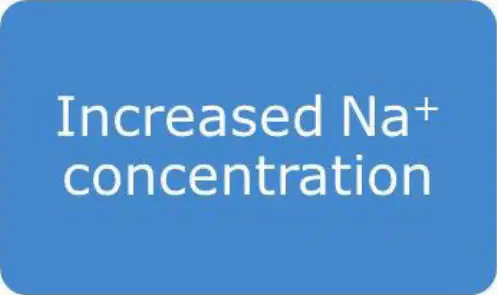
According to the flowchart, what is the first physiological change that occurs when sodium concentration increases?
Increased blood osmolarity
Increased fluid volume
Increased blood pressure
Increased water retention/intake
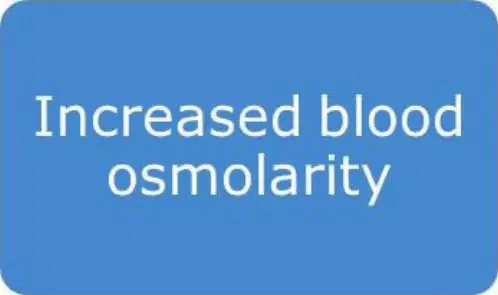
Based on the flowchart, what is the direct effect of increased blood osmolarity?
It tends to increase water retention or intake.
It immediately increases blood pressure.
It decreases fluid volume.
It lowers sodium concentration.
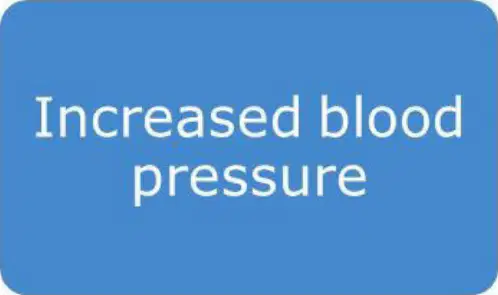
What is the final outcome in the flowchart sequence that begins with increased sodium concentration?
Increased blood pressure
Decreased blood pressure
Decreased fluid volume
Decreased water retention
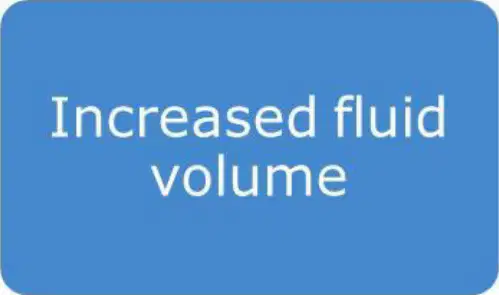
Which step in the flowchart leads directly to increased blood pressure?
Increased fluid volume
Increased blood osmolarity
Increased sodium concentration
Increased water retention/intake
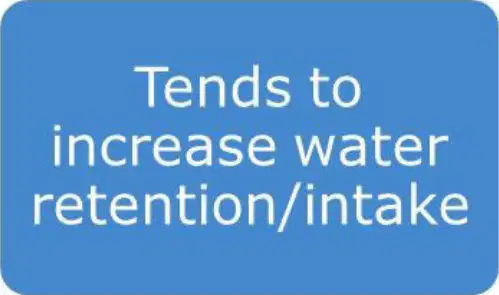
Which of the following best describes the relationship between increased sodium concentration and fluid volume?
Increased sodium concentration leads to increased blood osmolarity, which increases water retention and fluid volume.
Increased sodium concentration directly decreases fluid volume.
Increased sodium concentration has no effect on fluid volume.
Increased sodium concentration only affects blood pressure, not fluid volume.
Which structure is responsible for storing urine before it is eliminated from the body?
Bladder
Ureters transport urine from the kidneys to the bladder, but do not store it.
Urethra is the tube through which urine exits the body, not where it is stored.
Micturition is the process of urination, not a structure.
Select all terms that refer to anatomical structures involved in the elimination of urine.
Ureters
Bladder
Urethra
Micturition
What is the term for the process of expelling urine from the bladder?
Micturition
Urethra is the tube through which urine passes, not the process.
Bladder is the organ that stores urine, not the process.
Ureters are tubes that transport urine, not the process.
Arrange the following structures in the correct order that urine passes through during elimination: Ureters, Urethra, Bladder.
Ureters → Bladder → Urethra
Bladder → Ureters → Urethra
Urethra → Ureters → Bladder
Bladder → Urethra → Ureters
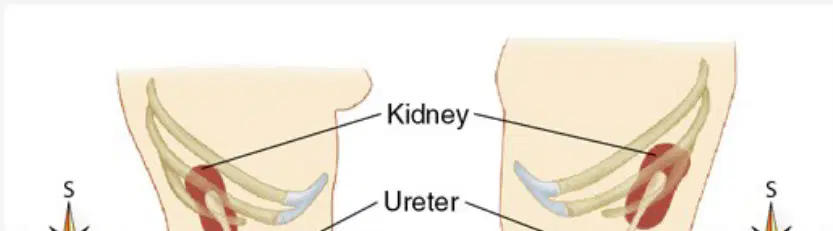
Which structure is responsible for moving urine from the kidneys to the urinary bladder?
Ureter
Urethra
Renal pelvis
Prostate gland
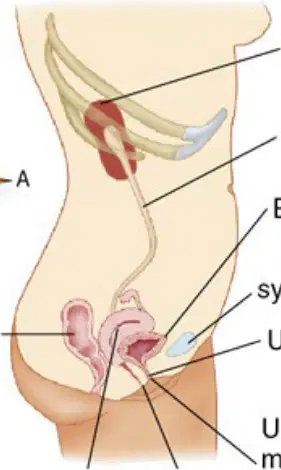
What is the main function of the thick muscular walls of the ureters?
To produce peristaltic movements that move urine to the bladder
To store urine before it enters the bladder
To filter waste from the blood
To absorb nutrients from urine
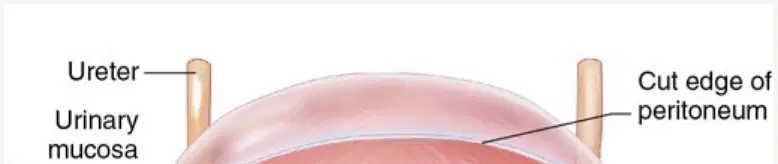
Which of the following statements about the bladder is correct?
The bladder is lined with transitional epithelium and mucous membrane
The bladder is lined with squamous epithelium and muscle tissue
The bladder is lined with connective tissue and smooth muscle
The bladder is lined with columnar epithelium and elastic fibers
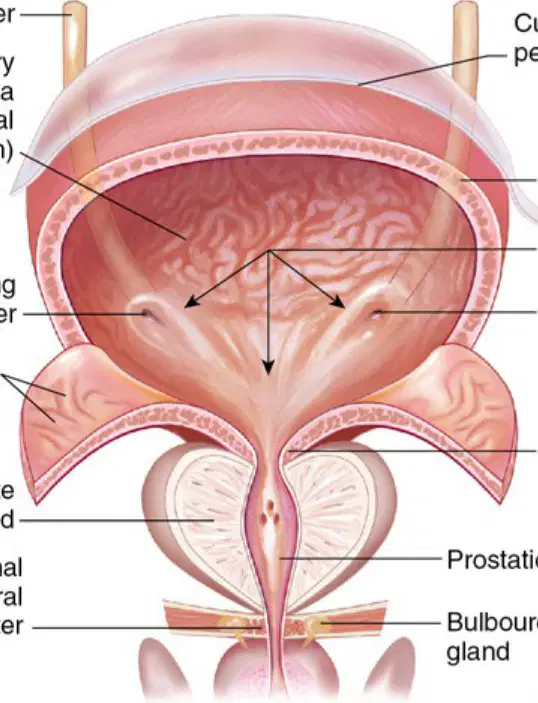
What is the trigone of the bladder?
A smooth triangular area between the ureters and urethra
A muscular region that contracts during urination
A section of the bladder wall that stores urine
A fold in the bladder that forms when empty
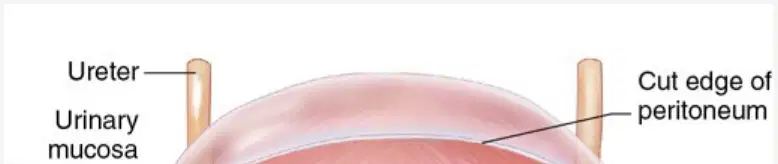
Why do ureters enter the bladder wall at an angle?
To prevent backflow of urine
To increase urine storage capacity
To allow expansion of the bladder
To facilitate urine filtration
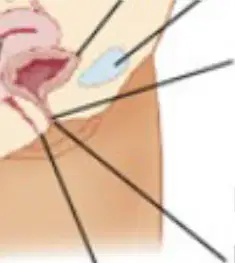
Which structure is the final passage for urine to exit the body?
Urethra
Ureter
Bladder
Renal pelvis
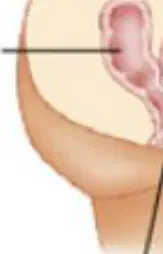
How does the length of the urethra differ between males and females?
It is shorter in females (4 cm) and longer in males (20 cm)
It is longer in females (20 cm) and shorter in males (4 cm)
It is the same length in both males and females
It is longer in children than in adults
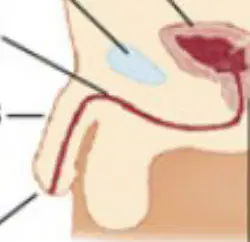
Which system(s) does the male urethra serve?
Both urinary and reproductive systems
Only the urinary system
Only the reproductive system
Neither urinary nor reproductive systems
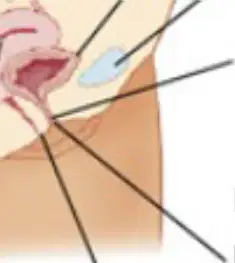
Which system does the female urethra serve?
Only the urinary system
Both urinary and reproductive systems
Only the reproductive system
Neither urinary nor reproductive systems
What type of membrane lines the urethra?
Mucous membrane
Transitional epithelium
Squamous epithelium
Serous membrane
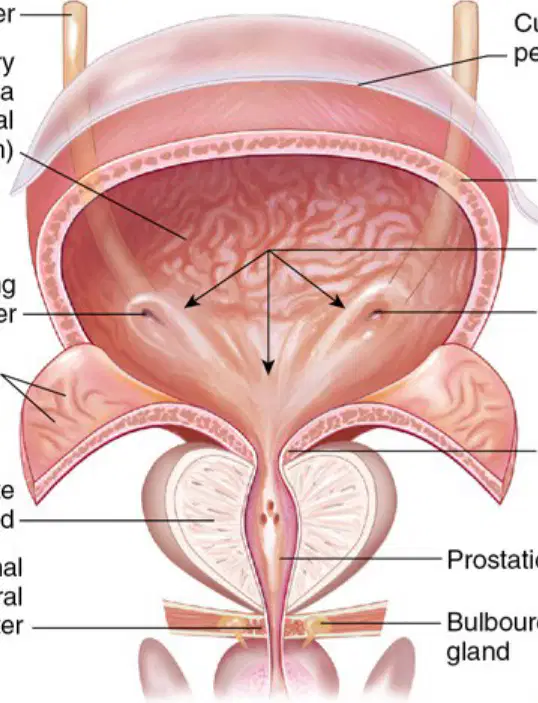
Which of the following is true about rugae in the bladder?
Rugae form when the bladder is empty and stretch smooth when full
Rugae form when the bladder is full and disappear when empty
Rugae are present only in the urethra
Rugae are responsible for urine filtration
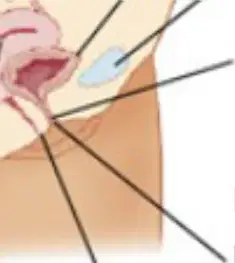
What is the correct sequence of urine flow from the bladder to the outside of the body?
Bladder → Urethra → Urinary meatus
Bladder → Ureter → Urinary meatus
Bladder → Renal pelvis → Urethra
Bladder → Prostate gland → Urethra
What is the process of micturition also known as?
Emptying of the bladder
Filling of the bladder with urine and blood
Absorption of nutrients in the kidney
Production of urine in the ureter
Which statement correctly describes the two urethral sphincters involved in micturition?
The internal urethral sphincter is involuntary, and the external urethral sphincter is voluntary.
Both sphincters are voluntary and controlled by the brain.
The internal urethral sphincter is voluntary, and the external urethral sphincter is involuntary.
Both sphincters are involuntary and controlled by the spinal cord.
How much urine does the bladder typically hold before pressure increases?
300–400 mL
100–200 mL
500–600 mL
50–100 mL
At approximately what volume does the urge to void the bladder begin?
150 mL
300 mL
400 mL
50 mL
Which of the following actions occur during the emptying reflex from the spinal cord (S2–S4)? Select all that apply.
Contraction of the bladder wall
Relaxation of the internal urethral sphincter
Contraction of the external urethral sphincter
Relaxation of the bladder wall
What allows urination to occur voluntarily?
Relaxation of the external urethral sphincter
Contraction of the internal urethral sphincter
Relaxation of the bladder wall
Contraction of the kidney
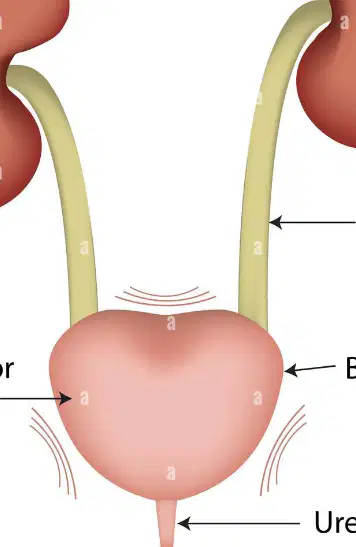
Refer to the diagram showing the urinary system. Which structure is responsible for storing urine before it is expelled from the body?
Bladder
Ureter
Kidney
Urethra
Which term describes the absence of urine?
Anuria
Oliguria with decreased frequency
Polyuria with increased volume
Oliguria with normal output
Which term refers to an unusually large amount of urine?
Oliguria
Polyuria
Anuria
Oliguria with increased frequency
Select all terms that describe atypical urine output.
Anuria
Oliguria
Polyuria
Normaluria
Which of the following is NOT one of the main types of analysis involved in urinalysis?
Physical analysis
Chemical analysis
Microscopic analysis
Genetic analysis
Urinalysis can reveal important information about which of the following?
Body function
Dietary preferences
Physical appearance
Sleep patterns
Select all the types of analysis that are part of a standard urinalysis.
Physical analysis
Chemical analysis
Microscopic analysis
Genetic analysis
Atypical characteristics found during urinalysis may signal which of the following?
Disease
Improved health
Increased hydration
Normal body function
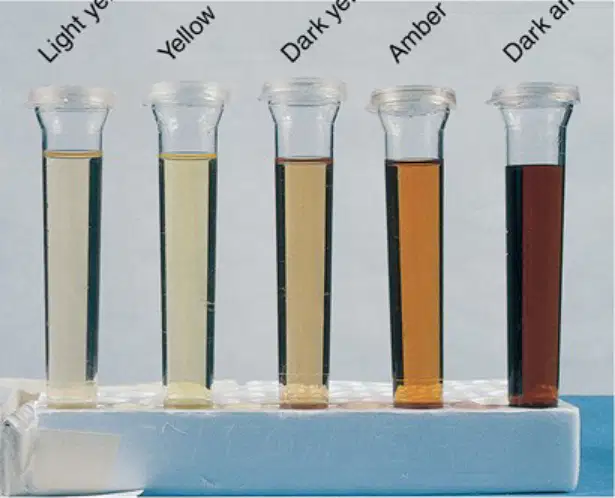
Which statement best describes the color and clarity of normal urine?
Light-straw yellow and clear
Dark amber and cloudy
Bright orange and foamy
Greenish and opaque
What is the typical odor of normal urine?
Slightly aromatic
Strongly pungent
Odorless
Sweet-smelling
Which of the following is the normal pH range for urine?
4.6–8.0
2.0–4.0
7.5–9.5
8.5–10.0
What is the normal range for blood urea nitrogen (BUN) in urine?
10–20 mg/dL
0.5–1.2 mg/dL
1.005–1.030
4.6–8.0
Which value represents the normal range for creatinine in urine?
0.5–1.2 mg/dL
10–20 mg/dL
1.005–1.030
4.6–8.0
What is the normal specific gravity range for urine?
1.005–1.030
0.5–1.2 mg/dL
10–20 mg/dL
4.6–8.0
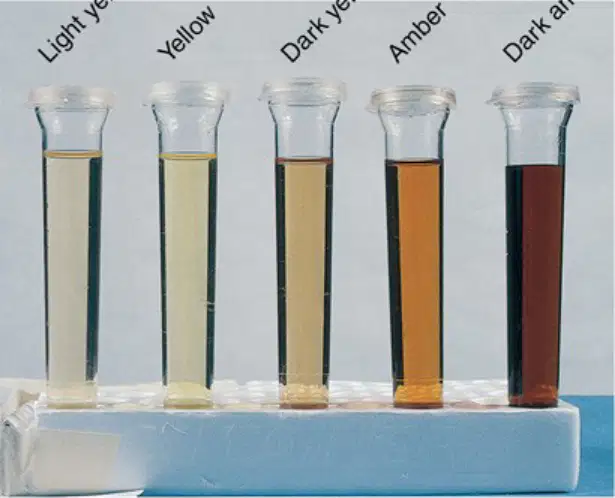
Which of the following urine colors, as shown in the image, is considered normal for healthy individuals?
Light-straw yellow
Dark amber
Amber
Dark yellow
Select all characteristics that are typical of normal urine.
Light-straw yellow color
Clear appearance
Slightly aromatic odor
Specific gravity between 1.005 and 1.030

