
 Worksheets
IB GEOG: So you think you know Opt G.1?
Total questions: 150
Worksheet time: 2hrs 36mins

What does the Clark-Fisher Model illustrate?
A) Changes in employment sectors as a country industrializes
B) Changes in population growth
C) Changes in climate patterns
D) Changes in political systems.
What does HALE stand for?
Health Adjusted Life Expectancy
Healthy Active Life Expectancy
High Average Life Expectancy
Hearty Ageing Life Expectancy
HALE attempts to work out how much of your life you will be healthy for before you experience (a) illness (hint: c)
In terms of HALE, what is considered 'healthy'?
Able to participate fully in society
Free from all diseases
Free from pain
Able to run 5km in 40 mins
What is a 'blue zone'?
Areas with exceptionally long HALEs
Regions with high pollution
Places with large inequalities between wealthy and poor life expectancies
Zones with low population density and high water security
A 2019 UK study found the poorest decile of women had a HALE ____ years lower than the top decile.
19.3
2.7
11.6
25.9
Word beginning with N which means subtle influence to encourage you to make the healthy choice
(a)
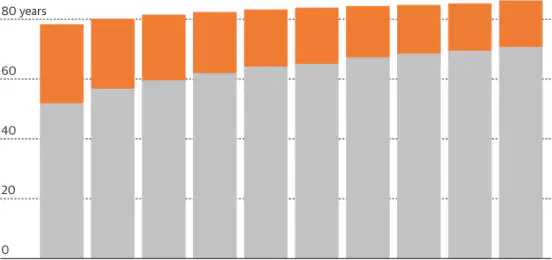
What is the relationship between deprivation and healthy life expectancy in England?
More deprived areas have lower healthy life expectancy
Deprivation has no effect
More deprived areas have higher healthy life expectancy
Deprivation only affects mental health.
Which country is the only technocratic Blue Zone (the rest are thought to be the result of community mindset)?
(a)
Ikaria is a Blue Zone in which country?
Greece
Italy
USA
Japan
Nicoya is a Blue Zone in which country?
Costa Rica
USA
Italy
Greece
Okinawa is a Blue Zone in which country?
Japan
Costa Rica
Greece
USA
Sardinia is a Blue Zone in which country?
Italy
Costa Rica
USA
Greece
Loma Linda is a Blue Zone in which country?
Costa Rica
USA
Greece
Italy
What does the core-periphery model primarily explain?
Population growth trends
The distribution of natural resources
Economic relationships between regions
Cultural differences across countries
Which region is considered a core in the context of the core-periphery model?
Central Asia
Eastern Europe
Sub-Saharan Africa
Western Europe
What term is used for areas that develop around the core?
Sub-core
Periphery
Semi-periphery
Core
Which is the name for a new core forming in another region?
Satellite
Discoball
Radial
Neosphere
What effect suggests that innovations in the core will eventually benefit the periphery?
Trade effect
Backwash effect
Dependency effect
Globalization effect
Which country's core-periphery is very pronounced, along the Heihe-Tengchong line?
India
Brazil
South Africa
China
Who developed the World System Theory that relates to the core-periphery model?
John Smith
Immanuel Wallerstein
David Harvey
Andre Gunder Frank
What does FDI stand for in the context of economic geography?
Free Trade Investment
Fiscal Dependency Initiative
Financial Development Index
Foreign Direct Investment
Which of the following is NOT a characteristic of core regions?
Higher standards of living
More tax money for infrastructure
Lower population density
Higher profit margins
What does the term 'brain drain' refer to?
Decrease in population growth
Reduction in educational opportunities
Loss of skilled labor to other regions
Migration of unskilled workers
Which of the following countries is considered part of Singapore's semi-periphery?
South Africa
Brazil
Japan
Vietnam
What is the primary criticism of HIC-LIC aid programs according to Wallerstein?
They create dependency
They are ineffective
They promote inequality
They are too expensive

What is the smallest type of settlement in the hierarchy of settlements?
Othello
Hamlet
Macbeth
Coriolanus

A city with more than 10 million residents is called a ______.
A) Millionaire city
B) Megacity
C) Conurbation
D) Kilocity
Fill in the blank: The concept that explains why there are fewer big settlements and more small settlements is known as the ______.
Sphere of influence
Prism of influence
Cylinder of influence
Cube of influence
What type of goods require a large sphere of influence according to the document?
(SELECT TWO)
Convenience goods
Low order goods
High order goods
Comparison goods
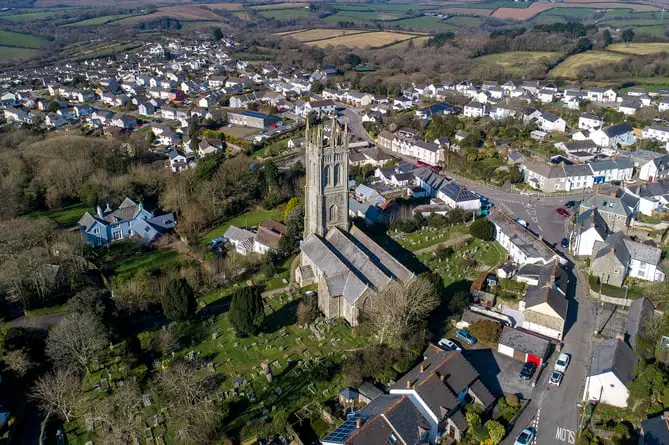
A smaller settlement with low-order services such as a newsagents, bus stop and primary school.
Hamlet
Village
Town
City
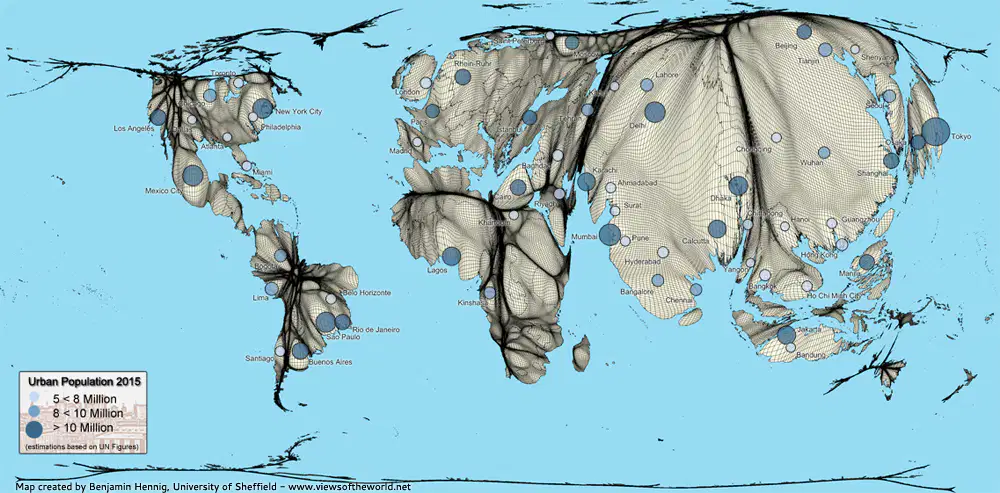
Which of the following IS a megacity?
London
Kuala Lumpur
Seoul
Sydney
Fill in the blank: The opposite of high order goods are ______ goods.
Convenience
Luxury
Comparative
Rare
Two settlements which have sprawled and merged together are called a...
Conurbanisation
Inter-urbanisation
Uni-urbanisation
Polyurbanisation
The number of people required to keep a service or retail outlet profitable (T P)
(a)

Which of these is a higher order service?
Nursery
Primary school
Secondary school
University
A positive feedback loop where lack of opportunities leads to more lack of opportunities
(a)
Which of the following is NOT one of the 7 UK Domains of Deprivation?
Income
Employment
Education
Transportation
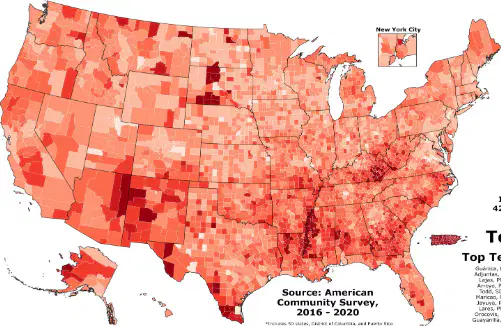
The map shows that in the USA (2016-2020), the total percentage of the population below the poverty line (darker red) was ____.
A) 0.3%
B) 90.3%
C) 50.3%
D) 20.3%
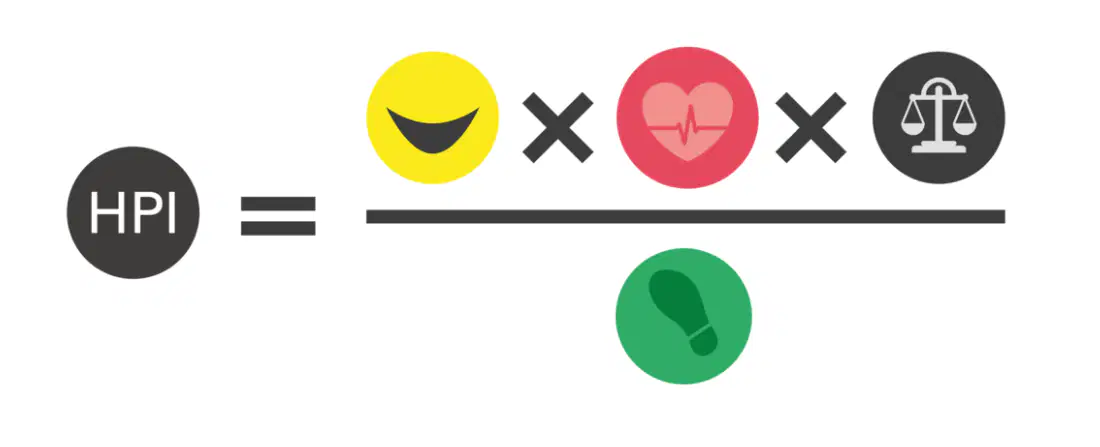
Which truth is shown by the Happy Planet Index?
The poorest countries are the happiest
Countries with fewer disparities have happier populations
Countries with the highest spending on military rank highest for happiness.
There is a direct correlation between literacy rate and happiness.
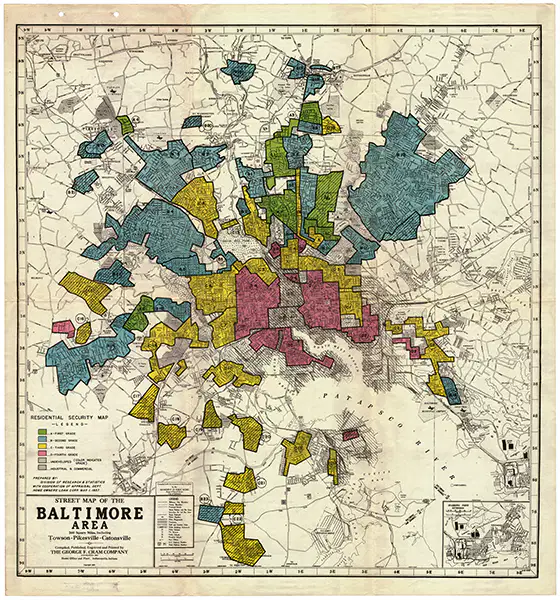
Racism which is embedded in societal policies, traditions, beliefs and urban planning, rather than being the result of an individual's actions is called structural or...
Hint: S
(a)

Which SDG is 'reduced inequalities'?
6
8
10
12
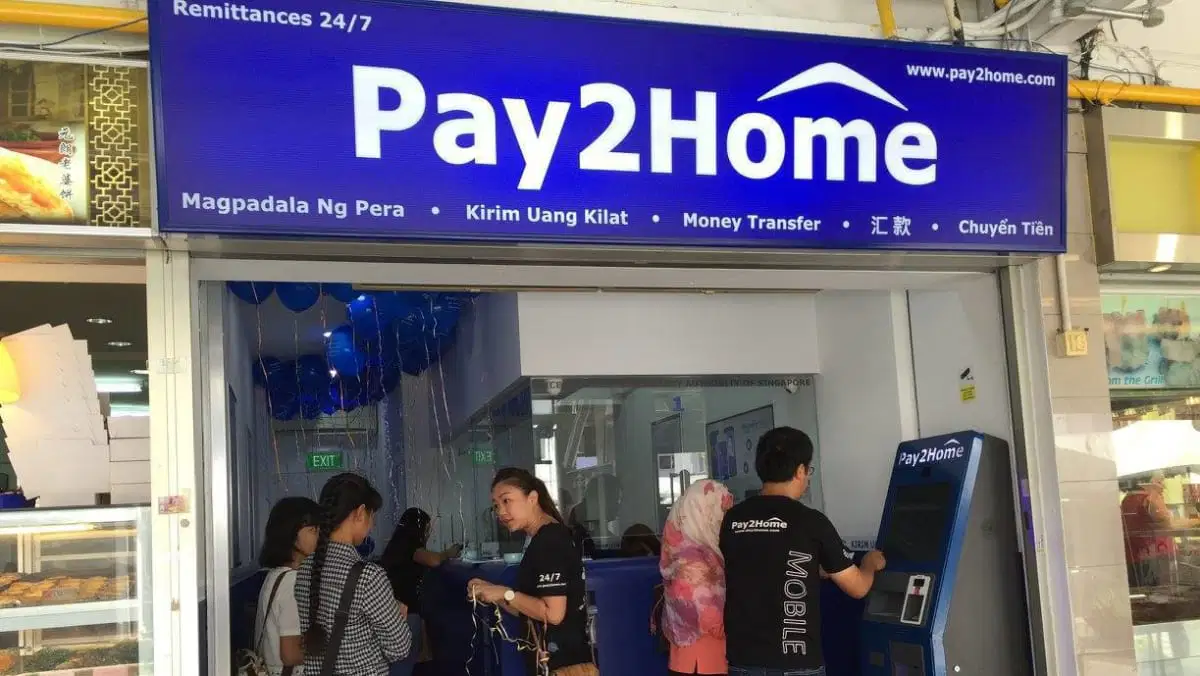
Name for flow of money home from migrants, which can help raise individual families out of the cycle of poverty
(a)
What is the significance of the 'Lorenz curves' mentioned in the text?
To measure technological advancement
To map disparities
To assess military strength
To calculate GDP
How do you spell the word which means 'severe relative lack of access to resources'?
Deprivation
Deprevation
Diprivation
Diprevation

What does the green bubble represent on the Happy Planet Index?
Carbon footprint
Water footprint
Ecological footprint
Air quality
What does Bid-Rent Theory explain about land use in the CBD?
It demonstrates why ethnic ghettoisation occurs
It predicts which areas are likely to become derelict
It explains why footfall is high in the CBD
It focuses on land-use function (e.g. retail, tertiary services)
According to the diagram, which type of land use can afford high land values of the CBD?
Commercial and tertiary services
Secondary manufacturing industries
Residential
Greenfield
Why is land in the CBD really expensive?
Because it is far from the city center.
Because it is close to the city center.
Because it is used for agriculture.
Because it is used for parks.
What is important for shops to make a profit in the city center?
High land prices
Footfall
Potential for vertical development
Proximity to parks
What is a key factor for secondary industry location according to the text?
Proximity to parks
Being near roads or transport methods
Being in the city center
Being in residential areas
Single family housing can only afford ______ land values.
high
medium
low
What is the impact of work-from-home predicted to be on city centre land values?
More of the CBD spaces will become retail units
There will be less pressure on CBD land use.
Land will be converted to parks.
Industrial areas will disappear.
What is a reason for secondary industry to be located near transport hubs?
To reduce noise
To increase land prices
To ensure goods can be taken to market
To be closer to parks
Which factor is most important for industry?
Proximity to CBD
Proximity to transport links
Proximity to residential housing
Proximity to parkland
Which land-use function is there little of in the CBD?
Transport infrastructure
Retail
Tertiary services
Residential
What does PLVI stand for?
Peak Land Value Index
Primary Land Value Index
Public Land Value Index
Private Land Value Index
Which of the following factors can skew the decrease in land value?
Access to a main road
Proximity to a park
Number of schools
Availability of public transport
In the context of PLVI, what does CBD stand for?
Central Business District
Central Building District
Commercial Business District
Core Business District
LIC cities tend to have the industry and the ring roads FURTHER from the CBD. True or False?
True
False
Name for a manmade river (hint: C) which is no longer used as a main transport method but explain the pattern of PLVI in some older cities.
(a)
Name for phenomenon which was increased by covid and is why many companies no longer need so much CBD office space. (Hint: WFH)
(a)
Chains are more likely to afford the PLVI costs associated with prime footfall locations because they have ______.
Economies of scale
More employees
Better marketing
Larger buildings
Non-chain, locally-owned businesses tend to be a little further out where it is ______.
Cheaper
Busier
Quieter
Closer to transport hubs
Where is the PLVI usually?
Expensive suburbs
Areas of the CBD close to transport hubs
Wharfs and docklands near manufacturing industries
Areas on the rural-urban fringe near greenfield sites
If there is more than one peak area for land value, the smaller peaks are called...
Partial peak value land
Secondary peak value land
Additional peak value land
Subsidary peak value land
What are the four main categories of industry used to measure a country's focus and economic status?
Primary, Secondary, Tertiary, Quaternary
Agriculture, Manufacturing, Services, Technology
Mining, Construction, Retail, Education
Farming, Fishing, Forestry, Mining
Which industry involves gathering natural resources?
Secondary
Tertiary
Primary
Quaternary
Subsistence level jobs tend to be ... industry.
Primary
Secondary
Tertiary
Quaternary
Which industry is associated with manufacturing?
Primary
Secondary
Tertiary
Quaternary
Which industry category includes services like bus drivers and surgeons?
Primary
Secondary
Tertiary
Quaternary
What is a key feature of the best-paying service jobs?
Physical labor
Knowledge-based expertise
Low skill requirement
High environmental impact
Which industry is focused on research and design?
Primary
Secondary
Tertiary
Quaternary
What percentage of the world's population is employed in quaternary industries?
Less than 0.5%
10-15%
25-40%
More than 50%
What is a common focus for high-income countries (HICs) in terms of industry?
Primary
Secondary
Tertiary
Quaternary

What is the GDP per capita in the Maldives, where most jobs are tertiary?
$5,000
$12,267
$20,000
$30,000

Which industry might involve working in a factory setting?
Primary
Secondary
Tertiary
Quaternary

What type of industry might involve a carpenter or shoemaker?
Primary
Secondary
Tertiary
Quaternary

What type of industry might involve vaccine developers?
Primary
Secondary
Tertiary
Quaternary

Which industry is likely to involve a software developer?
Primary
Secondary
Tertiary
Quaternary
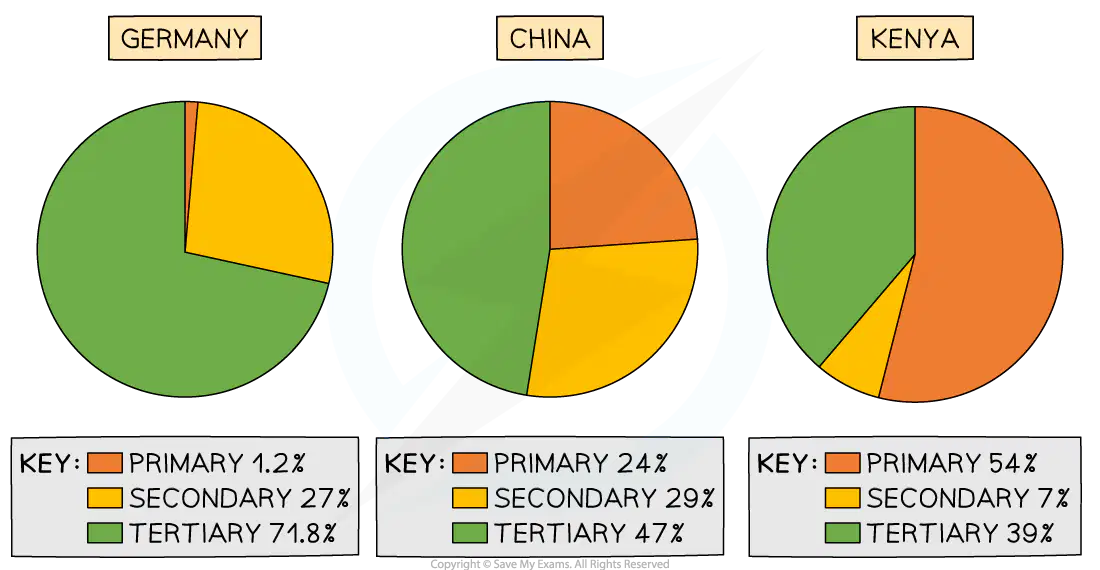
What is a typical focus for low-income countries (LICs) in terms of industry?
Primary
Secondary
Tertiary
Quaternary
What is a multiplier effect in economics?
A process where jobs are added within the same industry
A process where jobs are added in a different industry
Fill in the blank: A negative multiplier effect is usually associated with ________.
Economic growth
Recessions
Inflation
Technological advancement.
Higher employment rates means more consumer spending as people have more ... income
(hint D)
(a)
How do you spell the name of the phenomenon where jobs in one industry generate jobs in another?
Multyplier effect
Multyplier affect
Multiplier effect
Multiplier affect
What is the NIDL as mentioned in the document?
New International Division of Labour
National Industrial Development Law
New Industrial Development League
National Institute of Labour
The NIDL has led to a .... multiplier effect in HIC manufacturing cities
positive
negative
The multiplier effect is a ... model
social
demographic
economic
environmental
A sustained negative multiplier effect that leads to at least two continuous quarters of negative GDP growth is called a...
regression
repression
recession
In quaternary industry, R&D starts for...
redraft & draw
research & design
reproof & drama
rethink & delegate
Why do young workers tend to be affected more severely in recessions?
(select 2)
They have a reputation as the laziest
They are likely to have lower skill levels than older workers
Digital-based jobs are lost first
They likely to be the newest recruits to the company
Term for a problem which is very hard to solve due to its complexity and the number of stakeholders involved
(a)
Match the country to their birth rate
Singapore
8.4 births per 1000 people
Nigeria
37.3 births per 1000 people
China
12.4 births per 1000 people
Bangladesh
17.1 births per 1000 people
Match the SDG to its number
No poverty
Zero hunger
Good health and well-being
Quality education
Gender equality
What is the current UN absolute poverty line?
$3.50 per day
$2.15 per day
$0.65 per day
Which stage is Singapore on the Clark Fisher Model?
Programmes to improve national / region-wide quality of life, often focused on infrastructure improvement.
They require extensive expertise, significant funding and are often coordinated by governments or international civil society groups.
Bottom-up
Top-down
Alternative trading networks
Microfinance
Living on less than 50% of the average wage in your country.
Informal poverty
Relative poverty
Absolute poverty
Entrenched poverty

It is harder to break out of the cycle of poverty if you suffer from multiple...
(a)
Children who work from a young age, either on family land, informally or illegally in factories in order to help support the family through increased income and food supply
Economic assets
Youthful dependents
Working class
Asylum seekers
Focuses on improving quality of life through business techniques and market forces.
It aims to jump-start economies so the whole society, even those not directly employed in the initiative, benefit.
Social entrepreneurship
Rising entrepreneurship
Initial enterprise
Development enterprise
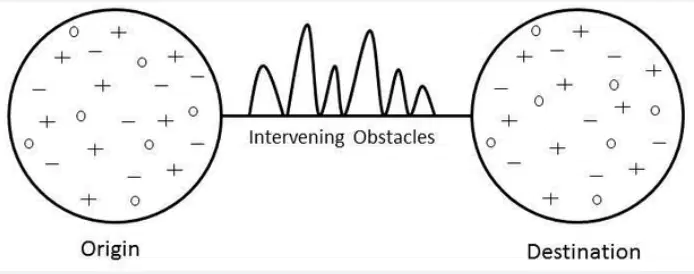
Who's model of migration discusses intervening obstacles (neg) and intervening opportunities (pos)?
Lee
Malthus
Ravenstein
Boserup
Which country is the Heihe-Tengchong line in?
China
India
Nigeria
Japan
Term for stakeholders who have the power to influence decisions.
(a)
Match the following
Formal economy and informal economy combined
Dual economy
Street hawkers, shoe-shiners, beggars, thieves, prostitutes
Street economy
Small trade, service establishments and craft workshops that are not officially registered
Informal economy
Large and legally registered business engaged in globalisation.
Formal economy

Which country suffers a higher % of communicable diseases?
Nigeria
Singapore
The UN counts countries with a GNI per capita below... as LICs
$1,035
$805
$1685
$205
What is the upper boundary of UN income category 'lower middle'?
(GNI per capita)
$4,035
$6,035
$8,035
$10,035
What is the boundary between UN upper middle and high income countries?
(GNI per capita)
$12,615
$20,615
$34,615
$46,615
What % of the world's population live within 1,000km of the sea?
75
85
65
55
What % of the world's population live below 500m asl (above sea level)?
90
80
70
60
What % of the world's population live between latitudes 68-20° N?
68
20
88
40
Less than __% of the world's population live in the southern hemisphere
20
10
30
40
A gini coefficient of ____ shows complete equality
0
1
Nigeria has a GINI coefficient of:
0.35 (35%)
0.65 (65%)
0.95 (95%)
0.15 (15%)
China has a GINI coefficient of...
0.37 (37%)
0.47 (47%)
0.27 (27%)
0.17 (17%)
South Africa has a GINI Coefficient of...
0.53 (53%)
0.63 (63%)
0.73 (73%)
0.83 (83%)
France has a GINI coefficient of...
0.31 (31%)
0.41 (41%)
0.51 (51%)
0.61 (61%)
Match the region to the % population living in absolute poverty
35
Sub-Saharan Africa
9
South Asia
1
East Asia
In 1990 57% of the world's population lived in LICs - what is that % now?
39
29
9
19
You are classified as being in relative poverty if you earn less than (a) % of your countries GNI.
A (a) has more than 10 million inhabitants.
A (b) city has more than 1 million inhabitants.
A (c) city is disproportionately larger than others in the area.
China has (a) megacities and (b) % of the population live in urban areas.
India has (c) megacities and (d) % of the population live in urban areas.
Nigeria has 1 megacity and (e) of the population live in urban areas.
(a) % of China's landmass is west of the Tengchong-Heihe line, but only (b) % of the population live there.
GDP west of the line is (c) % lower than to the east.
Almost all of China's ethnic minority population ( (d) %) live west of the line.
Match the SDG to its number
No poverty
1
Zero hunger
2
Good health and well-being
3
Quality education
4
Gender equality
5
Match the SDG to its number
No poverty
1
Zero hunger
2
Good health and well-being
3
Quality education
4
Gender equality
5
An HIC phenomenon where cities are losing their manufacturing and favouring tertiary sector.
If uncontrolled it can cause mass unemployment and social conflict, but if planned it can have environmental benefits through the redeployment of brownfield sites.
(a)
The combination of the formal and informal sectors. One individual may operate in both at once, especially in LICs.
The difficulty in measuring the informal profit can make indicators such as GDP per capita inaccurate.
D___ E_______
(a)
The land and water mass that a country or individual uses every year to support their living standards.
This includes the production of products citizens consume, even if these are beyond the national boundaries.
(a)
The process of rural to urban migration, resulting in a higher percentage of the national population living in urban areas.
Urbanisation
Counter-urbanisation
Urban growth
Rural-to-urban migration plus natural increase.
Urban growth
Urbanisation
Suburbanisation
Young adults often move into cities (bright light syndrome) for work or education and then live close to the city in high density housing.
As they get wealthier and older they will move out to the suburbs to raise families and have more space.
Older adults are also move likely to move away from city centres.
Surbanisation
Family Life Cycle
Epidemiological Transition
Gentrification
Number of consumers required to support the provision of a good or service.
Threshold population
Portal population
Borderline population
Requisite population
Strategies that attempt to prevent an issue from occurring or to minimise the consequences by reducing the scale of the challenge.
These strategies are often preventative.
Mitigation
Adaptation
A city of more than 10 million inhabitants. They tend to be by coasts, in NICs or LICs and on trade routes.
Megacity
Millionaire city
Smart city
Conurbanisation
A growing percentage of the world’s population who fit into the UN’s lower and upper middle income brackets.
These families have access to disposable income to improve their living standards beyond subsistence level and invest in income generating factors such as education, better nutrition and healthcare
Demographic dividend
Population momentum
Growth of the global middle class
Nutrition transition
Birth rate minus death rate.
It will be highest for those countries in late stage 2 / early stage 3 of the DTM and potentially negative for those in Stage 1 & 5.
It does not include migration.
Natural increase
Fertility rate
Demographic dividend
Dependency ratio
Living on less than 50% of the average wage in your country.
Relative poverty
Absolute poverty
Draw to migrate to big cities due to the glamorous or luxurious lifestyle portrayed as being common there by word of mouth, traditional media or social media.
HINT: B L S
(a)
The loss of the most mobile sections of an urban area's population resulting in a higher dependency ratio and less tax income.
Brain drain
Gloss loss
Rich ditch
Flutter gutter
Name this missing concept:
Spatial integration, place, power, possibilities, processes
(a)
Which Indian city is Dharavi in?
Delhi
Mumbai
Kochi
Kolkata
Which Brazilian city is Rocinha in?
Rio de Janiero
Sao Paulo
Belem
Brasilia

Where in Nigeria is Lagos?
Northeast
Southwest
Southeast
Northwest

How do you spell the name of the slum over the water in Lagos, south Nigeria?
Makoko
Makako
Mokoko
Makaka

What is the name of the eco-town being built opposite the school?
Punggol
Tengah
Bukit Dulwich
Merliona
Sungei Fifielting
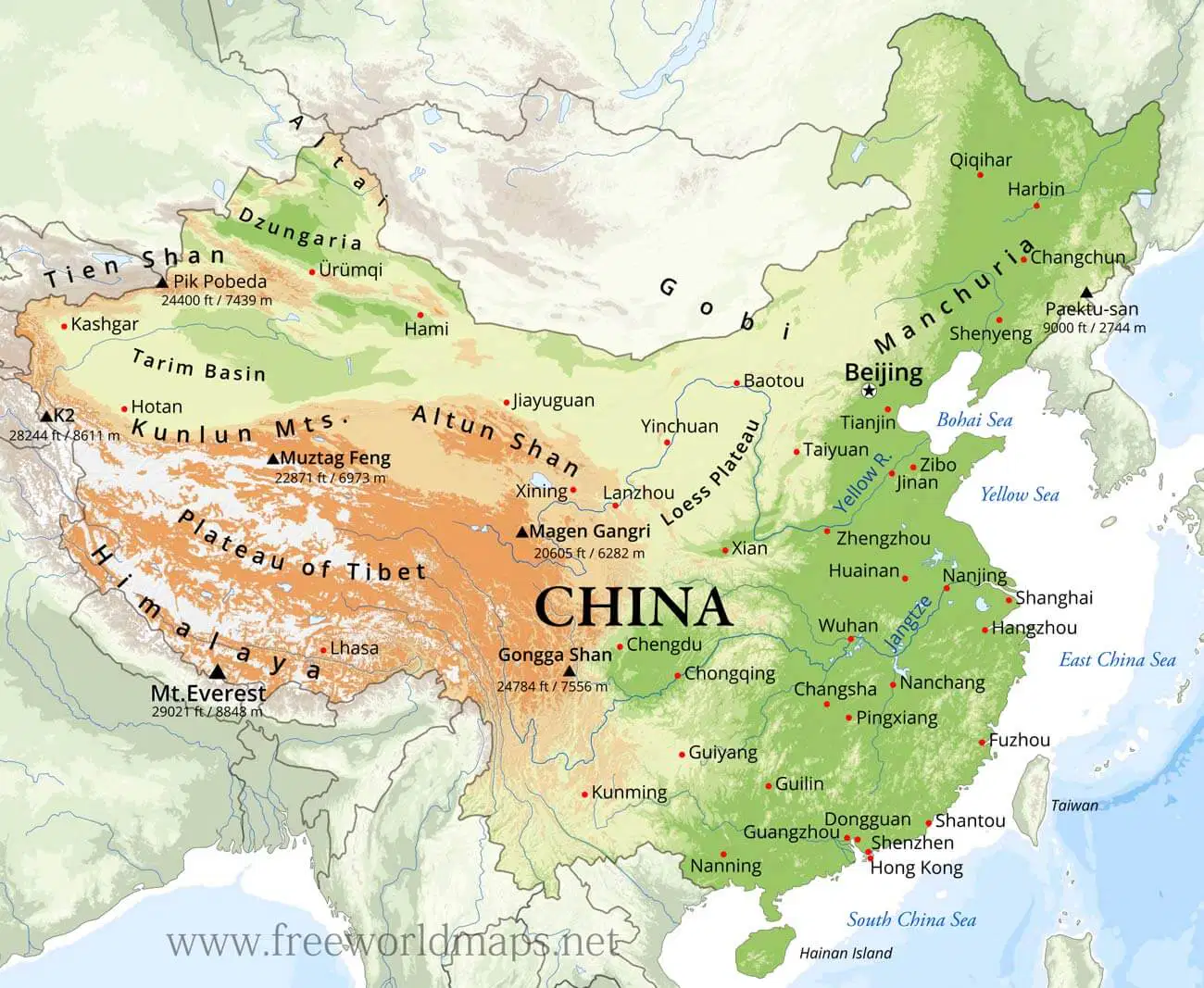
Which Chinese city is furthest north?
Beijing
Shanghai
Hong Kong
Guangzhou
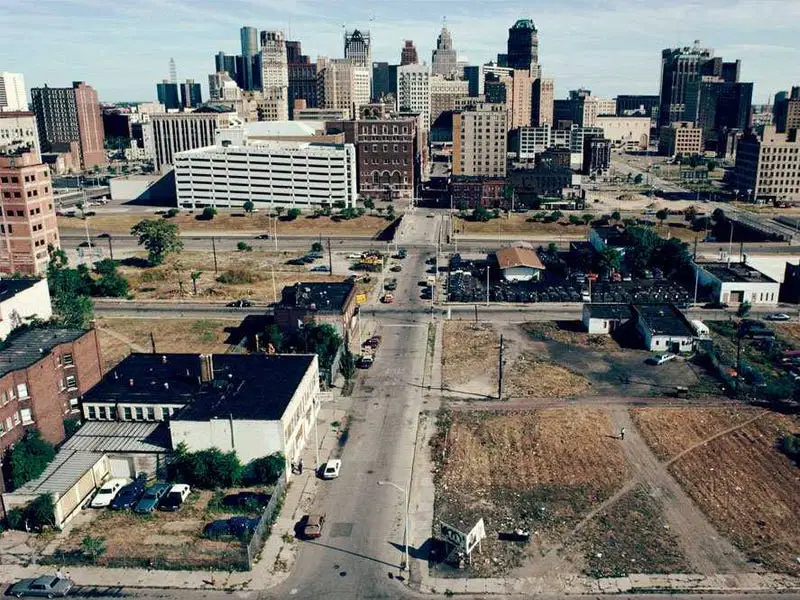
The CBD in Detroit has suffered an exodus, leaving it with a lower population density and footfall than expected. This phenomenon is called a...
Donut city
Croissant city
Brioche city
Sourdough city

Burgess is also called the Concentric Ring model. What is the alternative name for Hoyt?
(a)

Hoyt is also called the sector model. What is the alternative name for Burgess?
(a)

