
 Worksheets
Geography of Europe
Total questions: 88
Worksheet time: 44mins
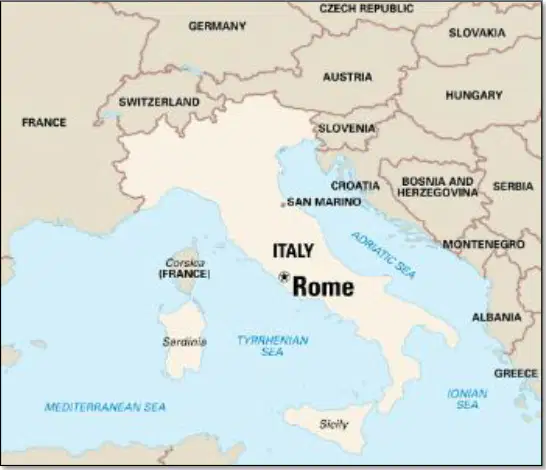
What is the capital of Italy, which is also the nation's largest city?
Milan
Venice
Rome
Florence
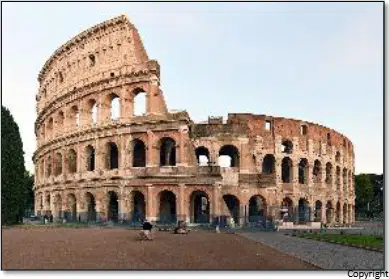
What is the Colosseum in Rome known for?
A modern stadium for sports events
An ancient ruin where people used to watch games
A museum of modern art
A palace for Italian kings
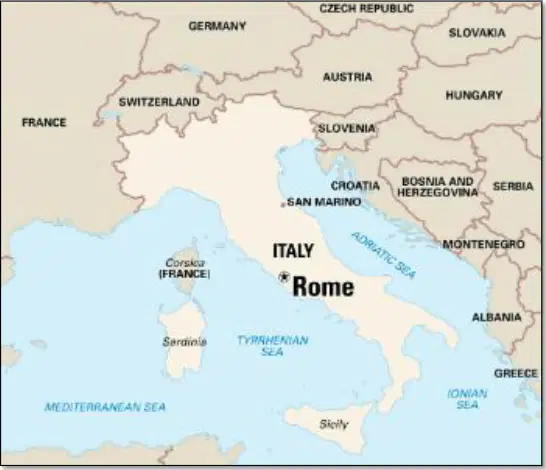
Which sea is located to the east of Italy?
Mediterranean Sea
Adriatic Sea
Tyrrhenian Sea
Ionian Sea
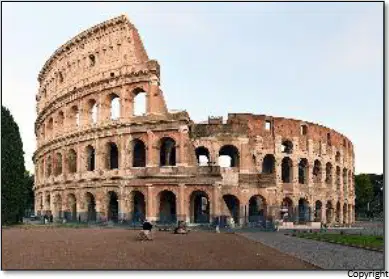
What is one of the most important and cool things to see in Rome?
The Eiffel Tower
The Colosseum
The Leaning Tower of Pisa
The Great Wall of China
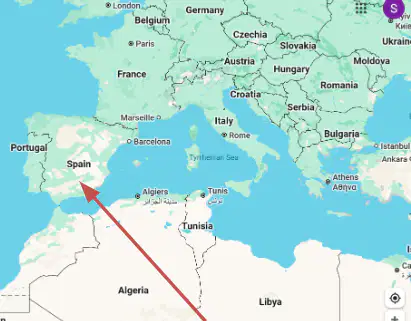
Which large piece of land does Spain share with another country?
The Balkan Peninsula
The Iberian Peninsula
The Scandinavian Peninsula
The Italian Peninsula
What is the capital and largest city of Spain?
Barcelona
Madrid
Valencia
Seville
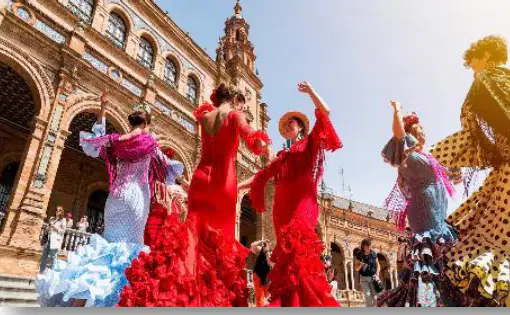
Which regional music and dance style is an important aspect of Spanish culture?
Salsa
Flamenco
Tango
Ballet
What is the capital city of Austria?
Vienna
Salzburg
Innsbruck
Graz
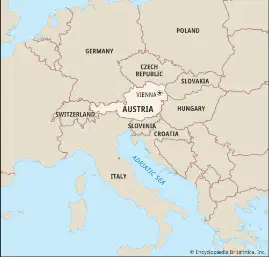
How many neighboring countries does Austria have?
Six
Eight
Ten
Five
What is Austria famous for?
Its deserts and pyramids
Its mountains, music, art, and food
Its beaches and tropical climate
Its rainforests and wildlife
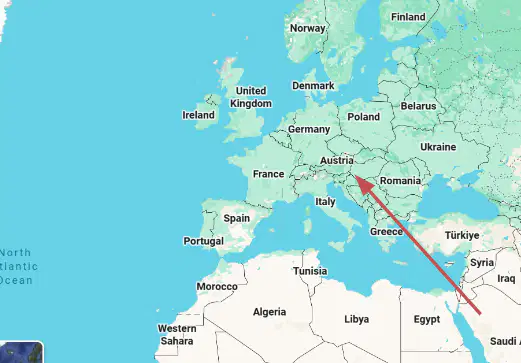
Where is Austria located?
In the middle of Europe
In the southern part of Europe
In the western part of Europe
In the northern part of Europe
What is the largest city and capital of France?
Marseille
Lyon
Paris
Nice
Which of the following is a global center of culture, trade, commerce, and tourism, featuring iconic landmarks?
Berlin
Paris
Madrid
Rome
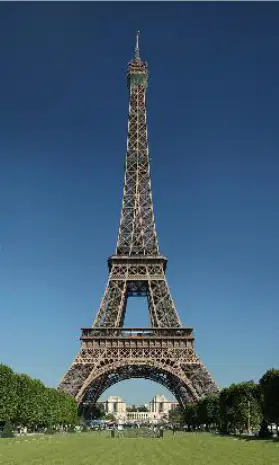
What is one of the most famous and recognizable buildings in Paris?
The Louvre
The Eiffel Tower
Notre Dame Cathedral
Arc de Triomphe
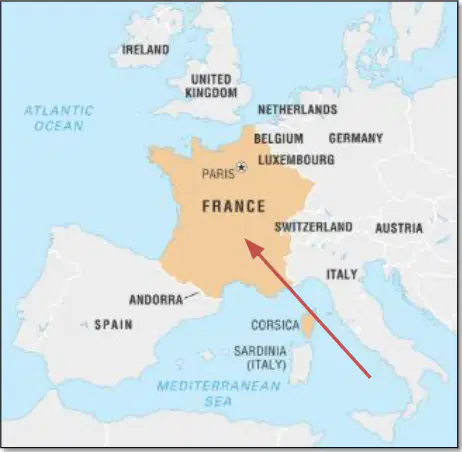
Which country is Paris located in?
Germany
Spain
France
Italy
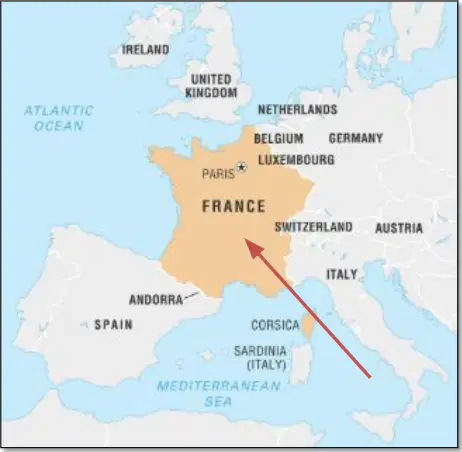
Which of the following countries borders France to the east?
United Kingdom
Germany
Spain
Ireland
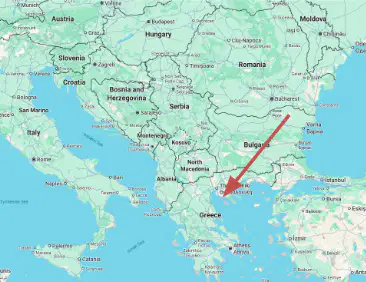
Where is Greece located?
At the top of Europe
At the bottom of Europe
In the middle of Europe
In the western part of Europe
What is the name of the language spoken in Greece?
Latin
Greek
Italian
Spanish
What is the capital and largest city of Greece?
Rome
Athens
Sparta
Thessaloniki
Which of the following is an ancient Greek landmark located in Athens?
Eiffel Tower
Parthenon
Big Ben
Colosseum
Which ancient Greek landmark is dedicated to Zeus?
Parthenon
Acropolis
Temple of Olympian Zeus
Delphi
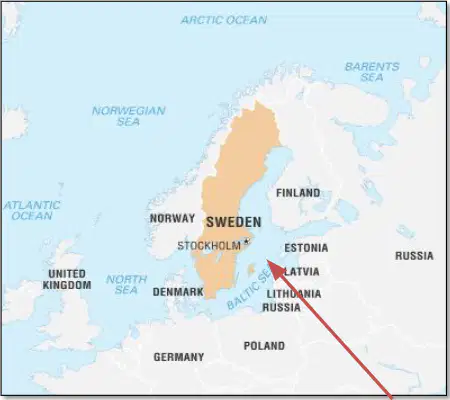
Where is Sweden located?
In the south of Europe
In the north of Europe
In the west of Europe
In the east of Europe
What is Sweden mostly covered with?
Deserts
Thick forests
Mountains
Grasslands
What nickname is given to the northern part of Sweden during summer?
Land of the Midnight Sun
Land of Eternal Darkness
Land of the Rising Moon
Land of the Twilight Sky
Why is the northern part of Sweden called the 'Land of the Midnight Sun'?
Because the sun never rises
Because the sun never sets
Because the sun is visible only at night
Because the sun is visible only during the day
What type of animals are commonly found in Sweden's forests?
Lions and tigers
Moose and other cool animals
Kangaroos and koalas
Penguins and seals
What is a unique feature of the northern part of Sweden during summer nights?
It is completely dark
It is as bright as the afternoon
It is colder than usual
It is filled with stars
What is Norway most famous for?
Its deserts
Its incredible coastline covered in fjords
Its tropical rainforests
Its large mountain ranges
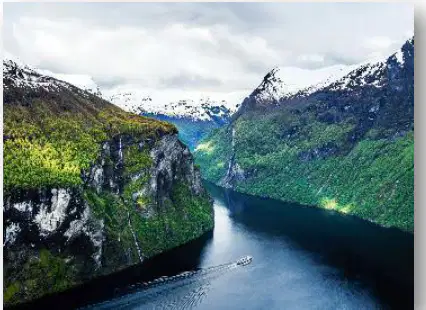
What is a fjord?
A type of mountain
A spot where the ocean goes between tall, steep cliffs
A desert canyon
A type of forest
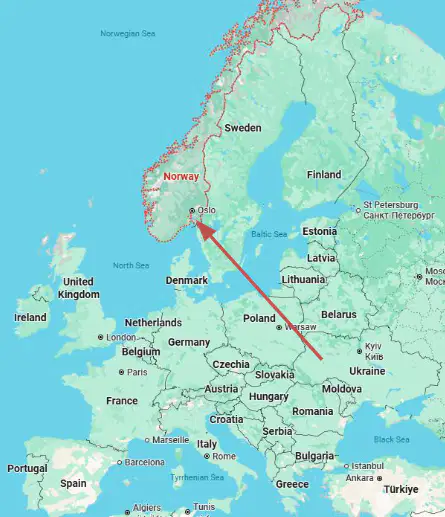
Where is Norway located?
In the south of Europe
In the north of Europe
In the west of Europe
In the east of Europe
Germany is the fourth-largest country entirely located in which continent?
Asia
Africa
Europe
South America
Which city in Germany is described as a giant crossing station for the whole world?
Berlin
Frankfurt
Munich
Hamburg
What is one of the features of Frankfurt that makes it important globally?
It has the tallest building in Europe.
It has one of the world's busiest airports.
It is the capital city of Germany.
It is located near the Alps.
Germany has the most people living there out of all the countries in which region?
Asia
Europe
North America
Africa
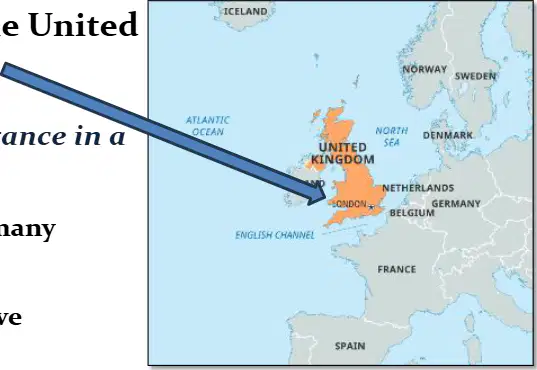
What is the capital and largest city of the United Kingdom?
Paris
Berlin
London
Madrid
Which of the following is NOT a reason why London is considered a city of significant importance?
It is a major financial center, home to many global banks
It is a major transportation hub with five international airports
It is a center of culture with numerous museums, shops, restaurants, and sports teams
It is the largest producer of agricultural goods in Europe
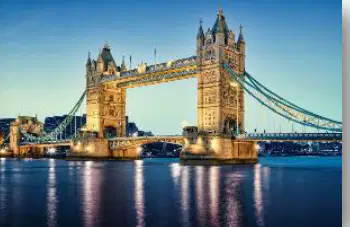
Which famous landmarks are located in London?
Eiffel Tower and Arc de Triomphe
Big Ben and London Bridge
Colosseum and Leaning Tower of Pisa
Statue of Liberty and Golden Gate Bridge
What is the term used to refer to people from the Netherlands?
Dutch
Netherlanders
Germans
Belgians
Approximately what fraction of the Netherlands lies below sea level?
One-third
One-half
One-fourth
Two-thirds
What measures have the Dutch taken to prevent flooding in the Netherlands?
Built canals, dams, and windmills
Constructed skyscrapers
Created underground reservoirs
Relocated cities to higher ground
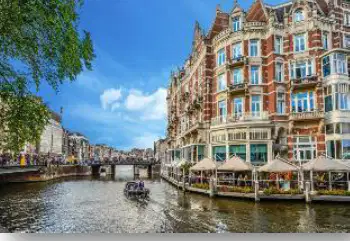
Which city is the largest in the Netherlands and features numerous canals?
Amsterdam
Rotterdam
The Hague
Utrecht
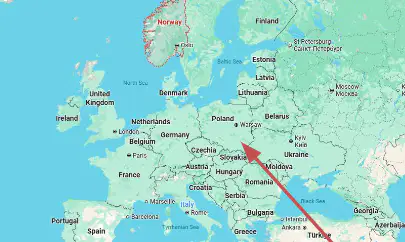
Where is Poland located in Europe?
In the middle of Europe
In the northern part of Europe
In the southern part of Europe
In the western part of Europe
Why has Poland historically been a place of conflict and confrontation?
Because of its location in the middle of Europe
Because it is surrounded by mountains
Because it has a small population
Because it is an island nation
What is the capital city of Poland?
Warsaw
Krakow
Gdansk
Poznan
What is one of the reasons Poland is considered a 'giant crossroads'?
Different cultures and ideas meet and mix there
It is surrounded by oceans
It has a large desert area
It is located near the equator
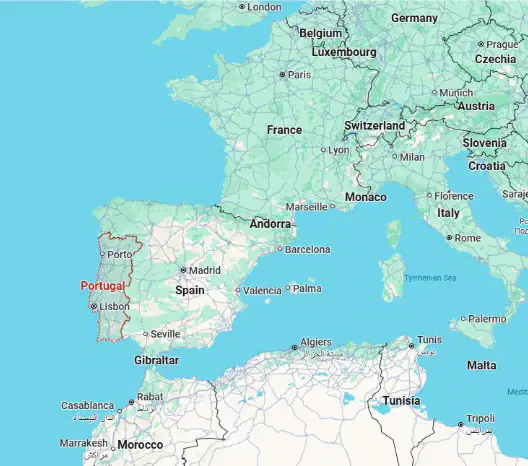
Where is Portugal located?
Next to the Pacific Ocean
Next to the Indian Ocean
Next to the Atlantic Ocean
Next to the Arctic Ocean
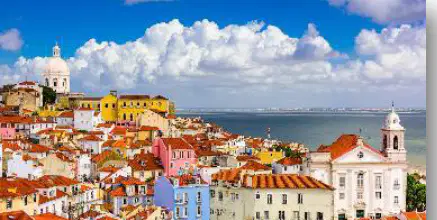
What is the capital and largest city of Portugal?
Madrid
Lisbon
Porto
Barcelona
Why are Portuguese cities described as 'walking straight into a history book'?
They have modern skyscrapers.
They have old buildings preserved from centuries ago.
They are surrounded by forests.
They are famous for their beaches.
Which of the following best describes the architecture in Lisbon?
Colorful and historic
Plain and modern
Futuristic and metallic
Minimalist and simple
What is the European Union (EU) primarily designed to do?
Promote cultural diversity across Europe
Help countries in Europe get along better in politics and economics
Create a single language for all European countries
Establish military alliances among European nations
How many countries are part of the European Union (EU)?
15
27
35
50
What currency is used by the European Union (EU) to make trade, travel, and buying things easier?
Dollar
Pound
Euro
Yen
Which of the following is NOT one of the agreements followed by the European Union (EU)?
A unified foreign policy
Common citizenship rights for EU countries
Cooperation in immigration and justice
Establishing a single language for all EU countries
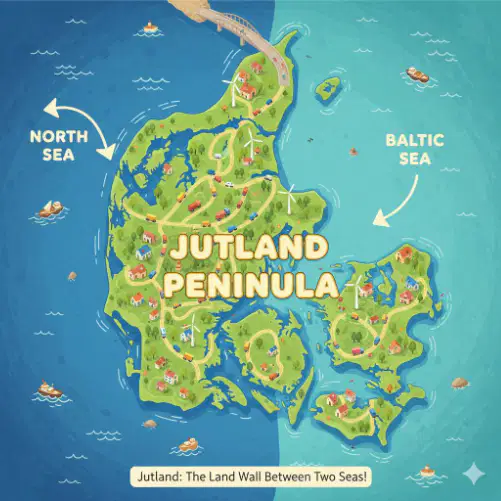
What is the Jutland Peninsula known for?
It acts as a land wall separating the North Sea and the Baltic Sea.
It is a mountain range in Europe.
It is a desert located in Denmark.
It is an island in the Pacific Ocean.
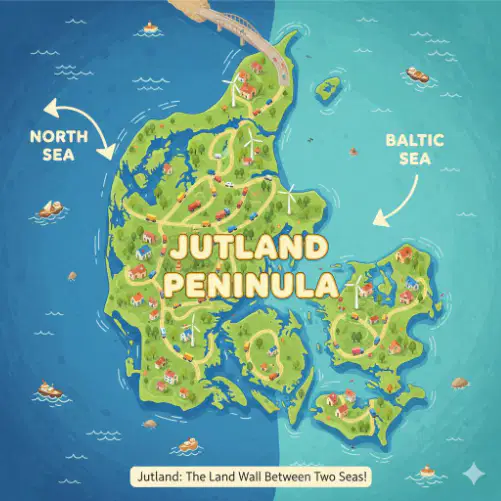
What can ferry boats on the Jutland Peninsula help transport?
Cars, people, and goods.
Only cars.
Only goods.
Only people.
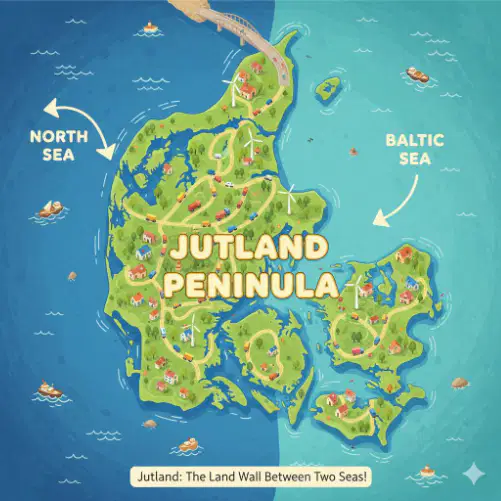
Which two seas does the Jutland Peninsula separate?
North Sea and Baltic Sea.
Mediterranean Sea and Black Sea.
Pacific Ocean and Atlantic Ocean.
Arctic Ocean and Indian Ocean.
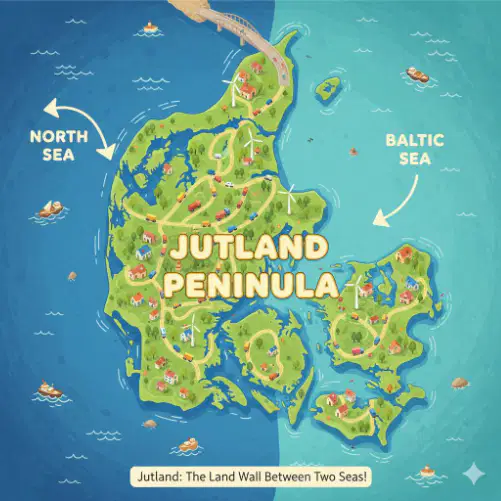
Why is the Jutland Peninsula important for transportation?
It allows ferry boats to move cars, people, and goods between countries.
It is a major airport hub for Europe.
It is a railway junction for international trains.
It is a desert used for camel transportation.
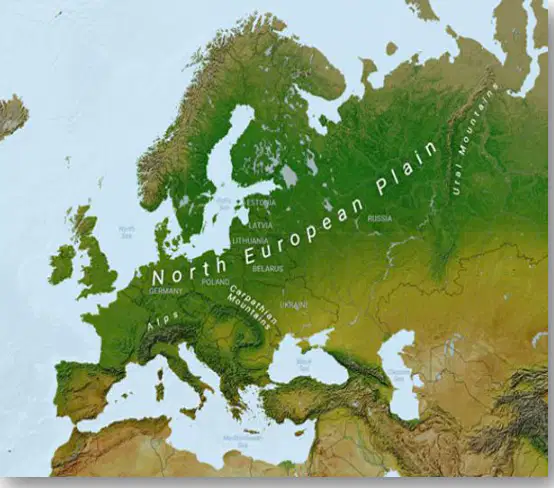
What is the largest landform in Europe that stretches across much of the northern portion of the region?
The Alps
The North European Plain
The Ural Mountains
The Pyrenees
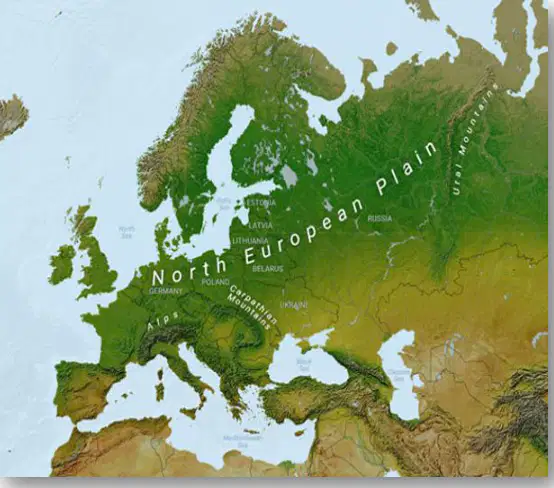
Why is the North European Plain considered easy for armies and people to move across?
It is covered with dense forests
It has many rivers and mountains
The land is flat
It is surrounded by water
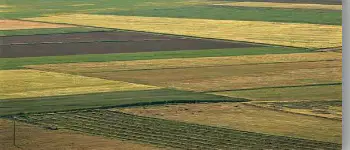
What type of jobs do many people in the North European Plain have?
Mining jobs
Growing crops
Fishing jobs
Manufacturing jobs
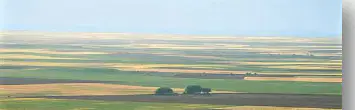
What is one characteristic of the land in the North European Plain?
The land is rocky and mountainous
The land is mostly flat and fertile
The land is covered with dense forests
The land is dry and sandy
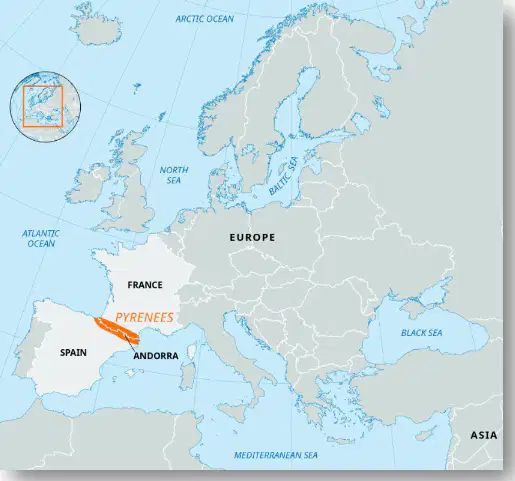
What is the Pyrenees mountain range often described as in Europe?
A barrier
A desert
A volcanic chain
A coastal plain
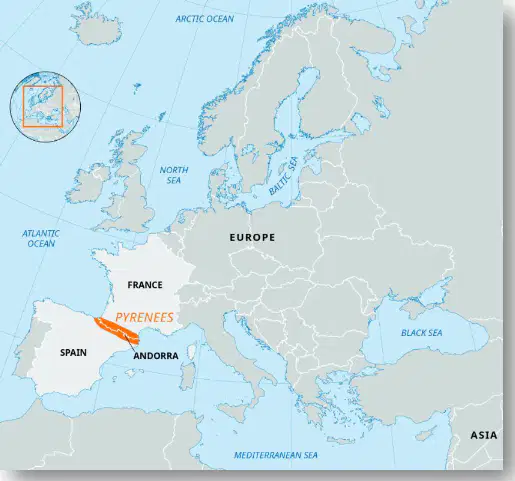
Which countries does the Pyrenees mountain range separate?
France and Germany
Spain and Portugal
France and Spain
Italy and Switzerland
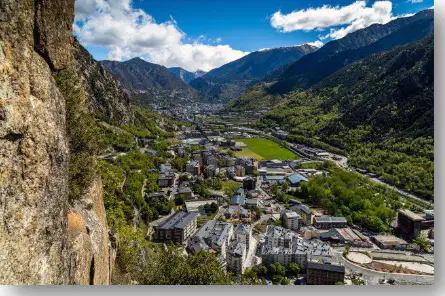
What is one way the Pyrenees mountain valleys are used by people living there?
Mining for gold
Growing crops and raising sheep and cattle
Building skyscrapers
Fishing in mountain lakes
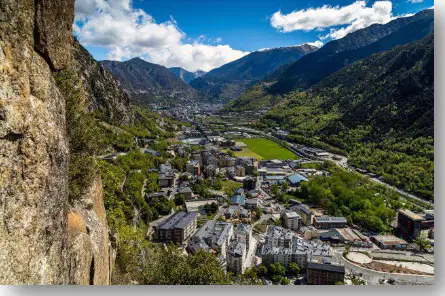
Which groups of people are known to live in the Pyrenees Mountains?
The Catalans and the Andorrans
The Romans and the Greeks
The Vikings and the Saxons
The French and the Italians
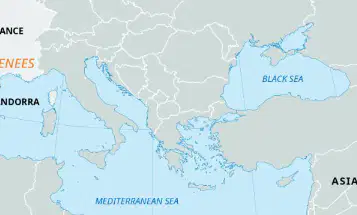
What is the name of the mountain range in Italy that helps people grow grapes, olives, wheat, and potatoes?
Alps
Apennines Mountains
Pyrenees Mountains
Rocky Mountains
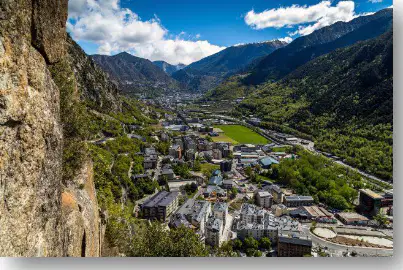
Why did Italy build highways and railroad tunnels through the mountains?
To create electricity for cities
To grow crops on the mountains
To ensure easy travel and trade across the country
To protect the mountains from erosion
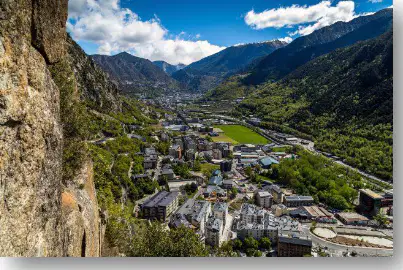
What do the rivers created by rain and snow in the mountains help Italy produce?
Cars
Electricity for cities
Highways for travel
Barriers for protection
What type of livestock is commonly taken care of on the Apennines Mountains?
Cows and chickens
Sheep and goats
Horses and pigs
Camels and llamas
Which mountain chain acts as a natural barrier dividing southern Europe from northern Europe?
The Rockies
The Himalayas
The Alps
The Andes
What is one use of the fertile valleys in the Alps region?
Mining for gold
Farming and dairy production
Building skyscrapers
Fishing in large lakes
How did the high Alps Mountains help Switzerland during wars?
They provided a place to hide soldiers.
They kept Switzerland safe and neutral.
They were used for mining resources for weapons.
They acted as a trade route for supplies.
Which major European river starts in the Alps Mountains?
The Rhine River
The Danube River
The Seine River
The Thames River
What happens when glaciers in the Alps slowly melt over time?
They create feeding rivers and lakes.
They cause floods in the valleys.
They form new mountain peaks.
They dry up completely.
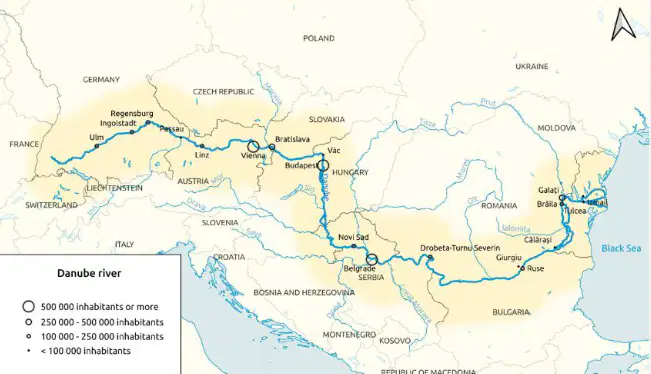
Which river is one of the longest rivers in Europe and acts like a giant water highway or corridor?
Danube River
Rhine River
Seine River
Thames River
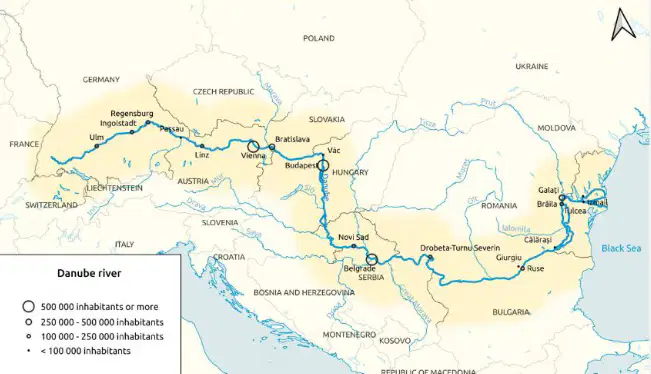
What is one of the main functions of the Danube River?
It serves as a natural border between countries.
It connects many important cities and countries in Europe.
It is used primarily for fishing activities.
It is a source of drinking water for Europe.
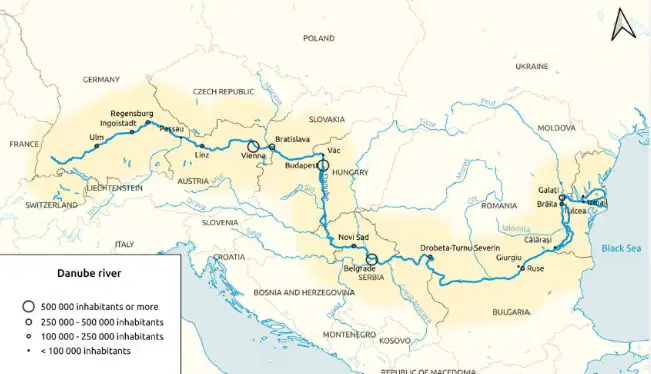
Why is the Danube River referred to as a "big water road"?
Because it is used for recreational activities.
Because it helps people travel and ship goods easily.
Because it is the widest river in Europe.
Because it is surrounded by highways.
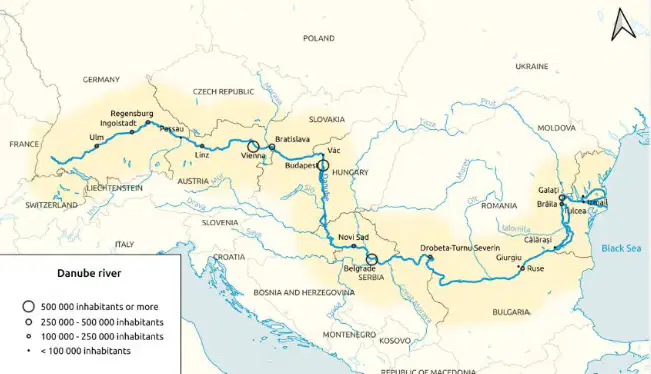
Which of the following is NOT a benefit of the Danube River mentioned in the text?
It makes it easy to ship goods like food and cars.
It connects important cities and countries.
It is a source of clean bathing water.
It helps people travel across Europe.
What is the Rhine an example of?
A mountain range
A corridor
A desert
A forest
What is a corridor described as in the text?
A narrow valley
A busy water road or highway that connects important places
A large forest area
A deserted region
Which countries does the Rhine River flow through?
Germany, France, Switzerland, and the Netherlands
Spain, Italy, Portugal, and Greece
Russia, Poland, Ukraine, and Belarus
Canada, United States, Mexico, and Brazil
Why is the Rhine River important for transportation?
It is used for recreational activities only
It connects factories deep inside to transport goods like toys, metal, and fuel
It is a source of drinking water
It is a natural habitat for rare species
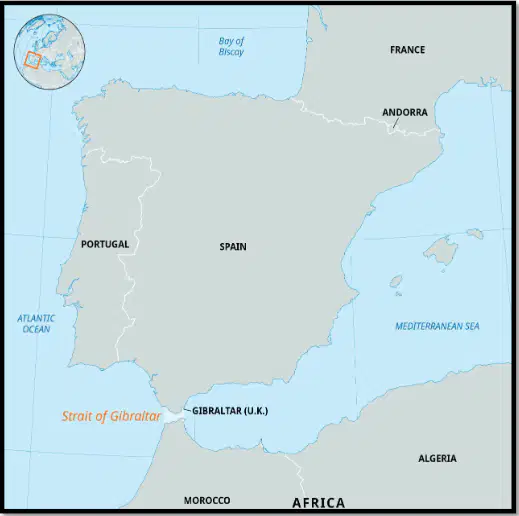
What is the Strait of Gibraltar known for?
It is a thin strip of water connecting the Atlantic Ocean with the Mediterranean Sea.
It is a mountain range in Europe.
It is a desert located in Africa.
It is a large island in the Atlantic Ocean.
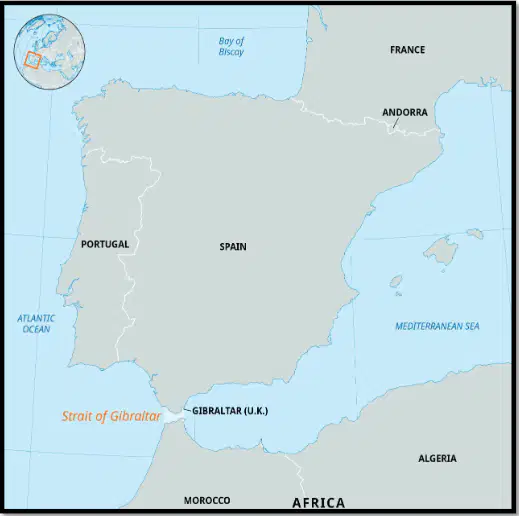
Why is the Strait of Gibraltar considered strategically important?
It is a major waterway for ships carrying goods and has economic value.
It is a popular tourist destination.
It is a place where many species of fish are found.
It is a site for ancient ruins.
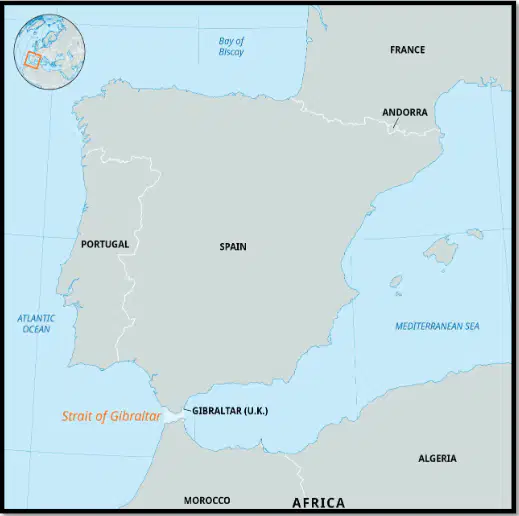
What has historically happened due to the importance of the Strait of Gibraltar?
Countries and people have competed to control it.
It has been abandoned due to lack of use.
It has been used as a site for farming.
It has been turned into a wildlife reserve.
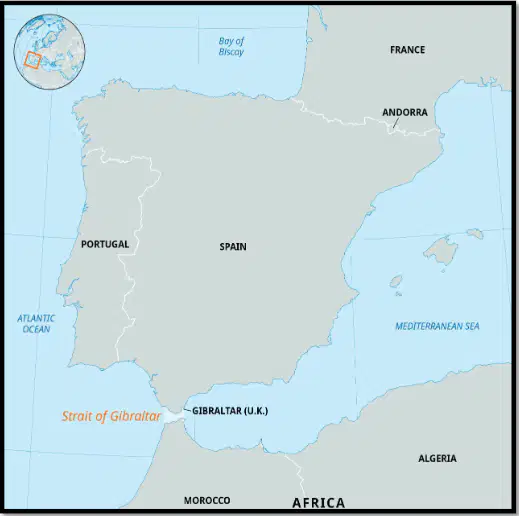
Which two major bodies of water does the Strait of Gibraltar connect?
The Atlantic Ocean and the Mediterranean Sea.
The Pacific Ocean and the Indian Ocean.
The Arctic Ocean and the Baltic Sea.
The Red Sea and the Black Sea.
The tallest peak in the Alps is
Mount Rainier
Mont Blanc
Longs Peak
The Matterhorn


