
 Worksheets
UNIT-1 Evolution of Print Journalism
Total questions: 20
Worksheet time: 10mins

Who invented the movable-type printing press in 1440?
William Caxton
Johann Gutenberg
James Franklin
Benjamin Harris

Which of the following is considered one of the earliest European newspapers?
The Times
Gazette de France
The Spectator
The Guardian
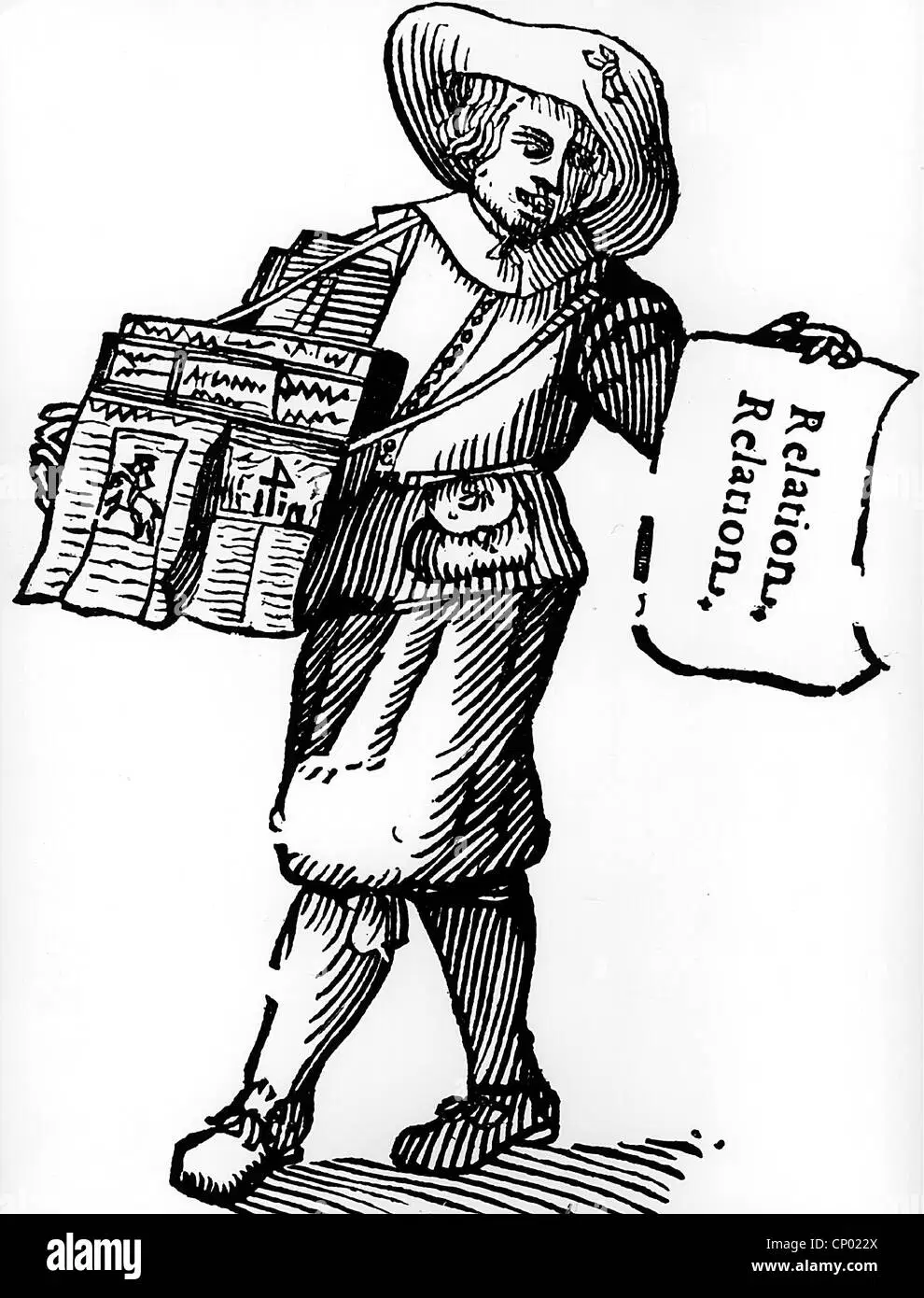
The *Relation* (1605), often cited as the first printed newspaper, originated in:
England
France
Germany
Italy
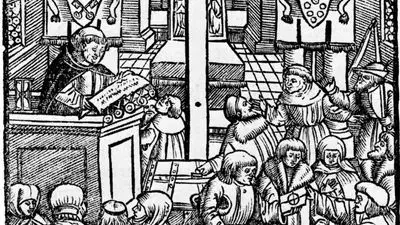
Pamphlets and political press gained prominence in Europe and America during which period?
12th–13th century
17th–18th century
19th–20th century
15th century
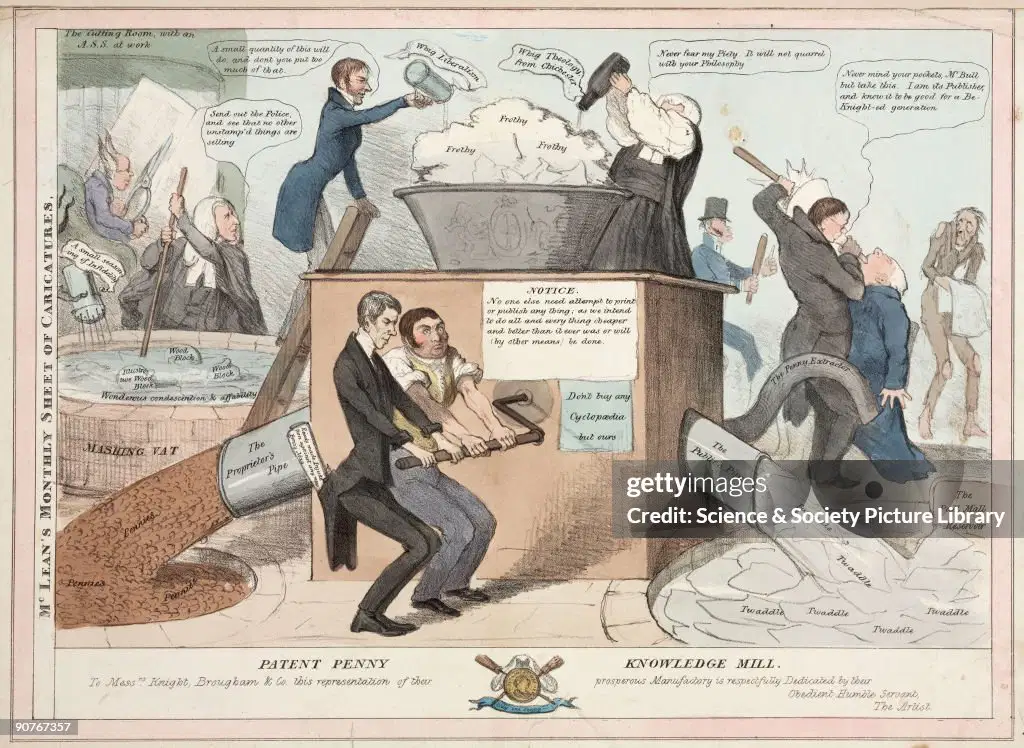
The “Penny Press” movement began in the:
1720s in Britain
1830s in the USA
1890s in France
1810s in Germany
The Penny Press was known for:
High-priced elite news
Handwritten newsletters
Affordable, mass-circulated newspapers
Royal government bulletins
Printing was first introduced in India in 1556 by:
British East India Company
French colonial officers
Portuguese missionaries
Dutch explorers
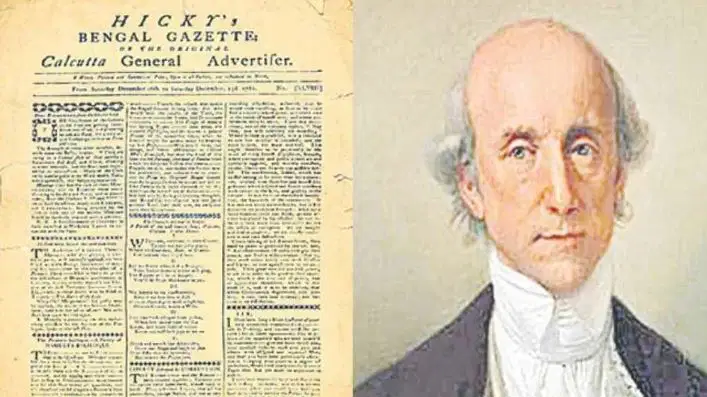
The first newspaper printed in India was:
The Times of India
Bombay Samachar
Calcutta Chronicle
Hickey’s Bengal Gazette
James Augustus Hickey is known as:
The father of English journalism
The father of Indian journalism
The founder of the first British newspaper
The pioneer of photojournalism
Early Indian journalism saw major contributions from:
American scholars
Missionaries and British administrators
Only Indian nationalists
French traders
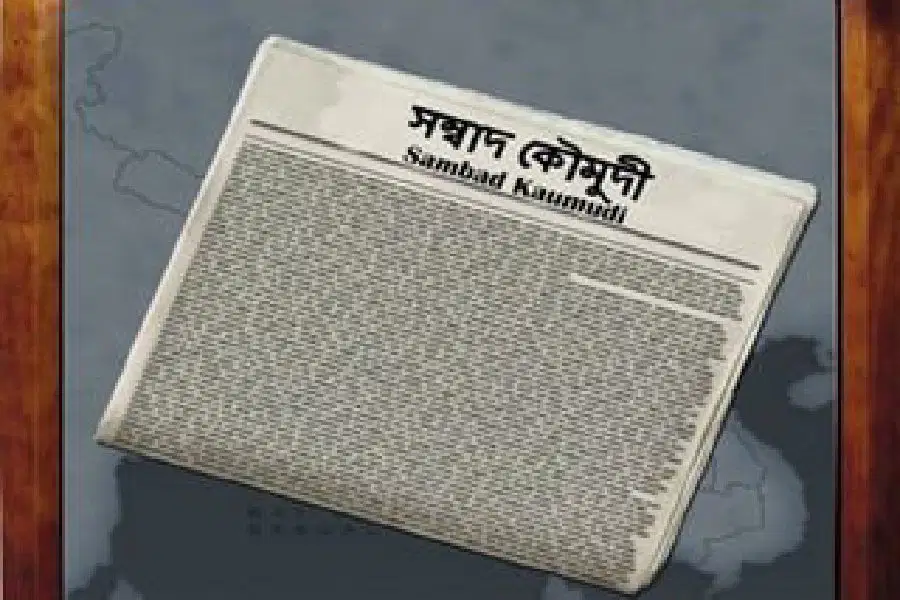
Raja Ram Mohan Roy’s *Sambad Kaumudi* was primarily associated with:
Literature and entertainment
Trade and business news
Social and political reform
Sports reporting

Which nationalist leader used the newspaper *Kesari* to inspire political awakening?
Mahatma Gandhi
Bal Gangadhar Tilak
Lala Lajpat Rai
Sardar Patel
Gandhi’s *Young India* was known for:
Sports journalism
Criticism of regional press
Promoting British policies
Advocating non-violence and reforms
The Vernacular Press played a crucial role in:
Promoting foreign trade
Supporting colonial rule
Fueling nationalist movements
Entertainment industry growth
Post-Independence Indian journalism emphasized:
Complete government control
Freedom of Press and democratic reporting
Only economic news
Ban on regional languages
Which period in India is remembered for press censorship and suppression?
1950s Five-Year Plans
Green Revolution
Emergency (1975–77)
Globalization (1990s)
Which of the following newspapers expanded widely after Independence?
The Times of India
The Hindu
Regional language newspapers
All of the above
Compared to global trends, Indian print media has been:
Declining faster than Western print media
Completely digital since 1990
More resilient and growing
Non-existent in rural areas
The post-NEP (1990s) period led to:
Decline of language newspapers
Growth and diversification of regional newspapers
Closure of vernacular press
Removal of private media houses
The resilience of Indian print journalism is partly due to:
Low literacy rates
Strong regional language readership
Lack of digital technology
Heavy government funding

