
NEW
Font size
 Worksheets
The Sanctuary: God's Dwelling Among His People
Total questions: 37
Worksheet time: 19mins
The significance of the sanctuary in the Bible according to the passage is:
A place for worship and God's presence.
A site for ancient battles.
A location for trade and commerce.
A symbol of political power.
What truths can be learned from exploring the sanctuary, as mentioned in the passage?
The importance of peace and reflection
The history of ancient warfare
The techniques of modern architecture
The benefits of physical exercise
God used the sanctuary to reveal His character and plan by:
Demonstrating His holiness and the plan of salvation through its services.
Showing the importance of physical strength and power.
Emphasizing the need for wealth and prosperity.
Promoting strict dietary laws above all else.
Fill in the blank from Ephesians 1:7: "In him we have ________, the forgiveness of sins, in accordance with the riches of God's grace."
redemption through his blood
eternal life
wisdom and understanding
peace with God
What does the verse Ephesians 1:7 emphasize?
Redemption through his blood
Wealth and prosperity
Obedience to laws
Creation of the world
According to the explanation, the sanctuary reveals that God is:
holy and desires to dwell among His people.
uninterested in human affairs.
limited in power and knowledge.
absent from the world.
The sanctuary service was God's object lesson, teaching profound truths through tangible symbols and sacred rituals that pointed to _____?
Christ
Moses
Abraham
David
The sanctuary teaches us about God's character, His plan for our salvation, and His desire for intimate relationship with us. What does the sanctuary primarily reveal?
It reveals God's character, His plan for salvation, and His desire for relationship with us.
It only shows God's power over nature.
It is mainly a place for historical rituals.
It teaches about ancient architecture.
Fill in the blank: The sanctuary reveals a God of grace who forgives, removes sin forever, and longs to dwell at the center of our lives, making us _____
holy
rich
powerful
famous
The sanctuary teaches us that God wants to be in the ______ of our lives. Just as the sanctuary stood at the heart of Israel's camp, God desires to be at the very core of our existence—not distant or remote, but intimately present with His people.
center
background
corner
distance
According to the passage, what does God desire?
To be distant from His people
To be at the center of our lives
To be remote and uninvolved
To only visit occasionally
He is a God of grace who ______ our sin and removes it forever. The sanctuary's rituals demonstrated this amazing truth: God doesn't just cover sin—He removes it completely, restoring us to perfect fellowship with Him.
forgives
ignores
hides
punishes
Through the sanctuary, God invites us to ______ for Him in our lives so He can transform us, sanctify us, and make us holy.
make space
hide
compete
run away
Exodus 25:8-9 says: "Then have them make a sanctuary for me, and _________. Make this tabernacle and all its furnishings exactly like the pattern I will show you." Fill in the blank.
I will dwell among them.
I will bless their land.
I will give them peace.
I will lead them to victory.
What did God give Moses on Mount Sinai according to the Divine Design section?
General guidelines
Specific instructions
Arbitrary rules
No instructions
According to the Divine Purpose section, what was God's intention for His relationship with His people?
To remain distant
To dwell among them
To give them rules only
To punish them
What did the sanctuary become according to the Divine Presence section?
A) A place for sacrifices only
B) The meeting place between heaven and earth
C) A place for celebrations
D) A place for punishment
What is the name of the outer area surrounded by linen curtains, where the bronze altar of sacrifice and the bronze laver stood, and where worshipers brought their offerings and priests performed daily rituals of cleansing?
The Courtyard
The Sanctuary
The Holy of Holies
The Vestibule
Which section of the sanctuary contained the golden lampstand, the table of showbread, and the altar of incense, and was entered daily by priests to minister before the Lord?
The Holy Place
The Most Holy Place
The Outer Court
The Vestibule
What is the name of the inner sanctuary, separated by a thick veil, containing the ark of the covenant with its mercy seat, and only entered by the high priest once a year on the Day of Atonement?
The Most Holy Place
The Outer Court
The Tabernacle Gate
The Holy Assembly
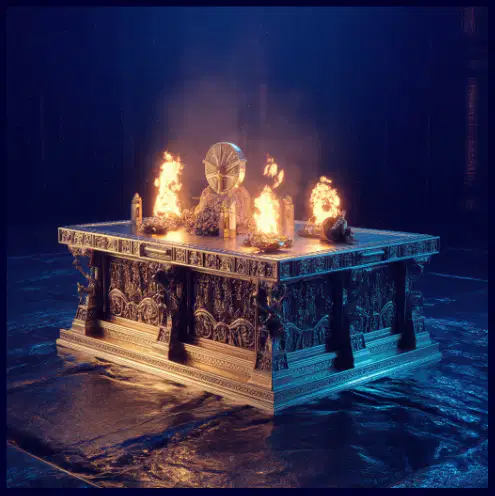
What did the bronze altar at the entrance symbolize?
A) Christ's sacrifice for our sins
B) Cleansing and sanctification
C) Christ as the Light of the World
D) God's truth dispels darkness
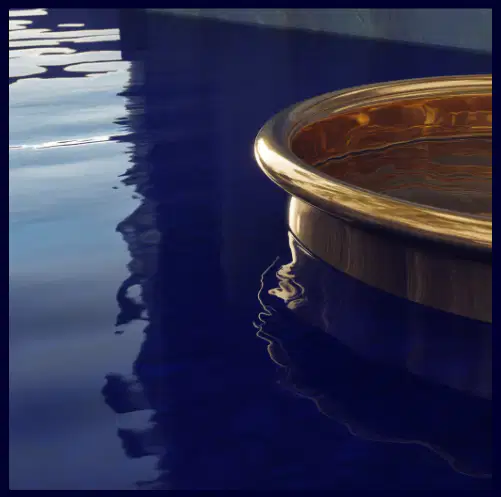
The bronze laver represented ________ and sanctification. Fill in the blank.
cleansing
judgment
sacrifice
atonement
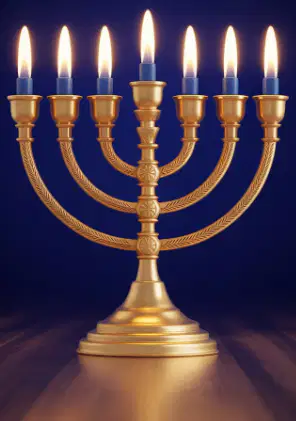
The golden lampstand symbolized Christ as the Light of the World and the Holy Spirit's illumination.
True
False
Fill in the blank: Each morning and evening, priests offered sacrifices, trimmed lamps, and burned incense. These continuous services represented ______'s ongoing intercession for believers and the daily grace we need.
Christ
Moses
David
Aaron
What did people do when they sinned according to the Service Procedures?
They ignored their sins
They brought animals for sacrifice, confessing their sins over the innocent victim
They prayed silently
They left the community
Fill in the blank: Through the blood of sacrifices, sin was symbolically transferred into the sanctuary, representing how ______ bears our guilt and carries it away from us into the heavenly sanctuary.
Christ
Moses
Gabriel
Aaron
Once yearly, who entered the Most Holy Place to cleanse the sanctuary during the Day of Atonement?
The high priest
The king
The congregation
The prophet
According to Hebrews 9:24, did Christ enter a sanctuary made with human hands?
True
False
What does the sanctuary reveal about God's love? Fill in the blank: He provided a way for sinful people to approach Him safely. His love moved Him to create a system where fellowship could be restored despite _________?
human rebellion
divine perfection
angelic presence
ritual purity
Which attribute of God is described as follows? 'Sin must be dealt with—it cannot be ignored. The sanctuary showed that God's holiness requires justice, yet His mercy provides the solution through substitutionary sacrifice.'
God is Loving
God is Just
God is Gracious
God is Holy
Fill in the blank: God is ________ because He doesn't demand that we save ourselves. Instead, He provides everything needed for our redemption, offering forgiveness freely to all who come in faith.
Gracious
Judgmental
Indifferent
Vengeful
What does the sanctuary reveal about God's holiness? Fill in the blank: The careful procedures and separation within the sanctuary revealed God's absolute purity. Yet His holiness doesn't push us away—it invites us to be transformed into His ________.
likeness
image
presence
glory
Which of the following encourages you to dive deeper into the sanctuary's symbols and services, revealing something beautiful about Christ's ministry and God's character?
Study the Sanctuary
Welcome His Presence
Embrace His Grace
Allow Him to Sanctify
Which of the following suggests making space for God daily through prayer, worship, and meditation on His Word, letting Him be central in your life?
Study the Sanctuary
Welcome His Presence
Embrace His Grace
Allow Him to Sanctify
Which of the following encourages accepting God's complete forgiveness through Christ's sacrifice and living in the freedom of knowing your sins are forever taken away?
Study the Sanctuary
Welcome His Presence
Embrace His Grace
Allow Him to Sanctify
Which of the following teaches that God doesn't just forgive but transforms, and encourages surrendering daily to His purifying work in your life?
Study the Sanctuary
Welcome His Presence
Embrace His Grace
Allow Him to Sanctify
Fill in the blank from 1 Corinthians 3:16: "Don't you know that you yourselves are God's ______ and that God's Spirit dwells in your midst?"
temple
house
garden
altar

