
 Worksheets
CBT BEDAH SARAF FK UGM
Total questions: 130
Worksheet time: 1hrs 5mins
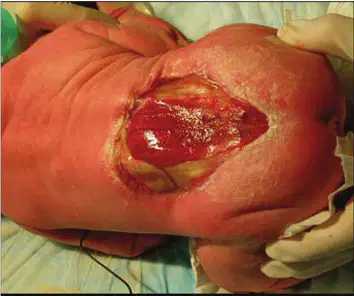
The following is a picture of a newborn. This disorder is caused by failure of
Primary neurulation
Secondary neurulation
Disjunction
Ventral induction
Migration
The normal total blood volume of a normal full-term neonate is
40mL/kg
60mL/kg
80mL/kg
100mL/kg
120mL/kg
Which one of the following statements LEAST accurately describes CSF production?
Neonates produce CSF at a rate of 25 ml/day
Infants have a total CSF volume of 25 ml
Adults produce CSF at a rate of approximately 0.35 ml/min
Ventricles contain 25 ml of CSF
Raised intracranial pressure does not affect formation of CSF at the choroid plexus
A 5-month old infant presents with an abnormally shaped head. The parents note he is developing normally and had an uncomplicated delivery. On examination, he has scaphocephaly (boat-shaped head). Which of the following is associated with the development of secondary sagittal craniosynostosis?
Vitamin D deficiency
Vitamin A deficiency
Hypothyroidism
Hyperphosphatemia
Hypercortisolemia
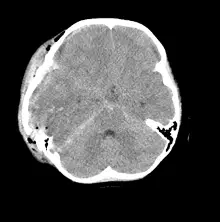
You are caring for a 3-year-old boy who has been admitted to the pediatric ICU after nonaccidental trauma by the father that has caused severe TBI. He has elevated ICP and a poor clinical exam. The pediatric team asks you about the administration of steroids in an attempt to improve his cerebral edema. What effect do steroids have on severe pediatric TBI?
Improvement in ICP and clinical outcome, no systemic complications
Improvement in ICP and clinical outcome, increased systemic complications
No improvement in ICP, improved clinical outcome, increased systemic complications
Improvement in ICP, no clinical improvement, increased systemic complications
No improvement in ICP, no clinical improvement, increased systemic complications
Which of the following is LEAST suggestive of child abuse?
Acute and healing long bone fractures
Interhemispheric subdural hematoma
Parietal skull fracture
Retinal hemorrhages
Tentorial subdural hematoma
You are evaluating a patient in the trauma bay who was not wearing her seatbelt and was thrown from a vehicle during a high-velocity motor vehicle accident. She is comatose with anisocoria, left greater than right. This CT scan was obtained approximately 75 minutes after the accident. The risk of dangerous expansion of this hematoma is greatest at what time after injury?
1 to 6 hours
6 to 12 hours
12 to 24 hours
24 to 48 hours
48 to 96 hours
A 19-year-old male presents to the ER after being involved in a motorcycle accident. He complains of neck pain. decreased sensation and numbness and tingling in the fingers, as well as burning in the hands. On examination, he has grade 4 motor strength in the upper extremities proximally and grade 2 distally. The lower extremities and cranial nerves are intact. What syndrome does this patient have?
Brown-Sequard syndrome
Wartenberg's syndrome
Anterior cord syndrome
Posterior cord syndrome
Central cord syndrome
Pineal calcifications are considered abnormal if encountered in patients younger than
6 years
12 years
18 years
26 years
30 years
Pineal tumors usually displace the precentral cerebellar vein
anterosuperiorly
posterosuperiorly
anteroinferiorly
posteroinferiorly
None of the above
In cerebral salt wasting syndrome patients are usually
hypervolemic and hypernatremic
hypervolemic and hyponatremic
hypovolemic and hypernatremic
hypovolemic and hyponatremic
none of the above
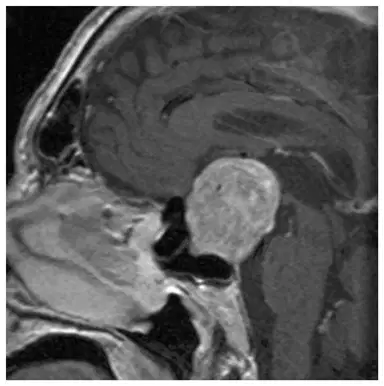
A 56-year-old presents with a 2-month history of headache and visual disturbance. Confrontation testing revealed a bitemporal hemianopia. Routine bloods were normal and endocrine profile is: FT4 8.5 pmol/L (11.5-22), TSH 0.5 mU/L (0.35-5.5), FSH 1.0 U/L (1.4-18.1), LH 2.5 U/L (3-8), prolactin 900 mU/L (45-375), testosterone 3.5 nmol/L (8.4-28.7), 9 am cortisol 405 nmol/L. MRI is shown. Which one of the following is most likely?
Non-functioning adenoma
Thyrotropinoma
GH-secreting pituitary adenoma
Prolactinoma
Cushing’s disease
A 65-year-old man undergoes transsphenoidal surgery for a non-functioning macroadenoma. Postoperatively on day 1 the nurses notice he is passing large volumes of dilute urine via his catheter. Which one of the following criteria is LEAST suggestive of diabetes insipidus?
Urine specific gravity <1.003 or osmolality <200 mOsmol/kg
Urine output 250 ml/h for 2 consecutive hours
Serum sodium normal or raised
Primary adrenal insufficiency
Inability to concentrate urine to 300 mOsmol/L in the presence of clinical dehydration
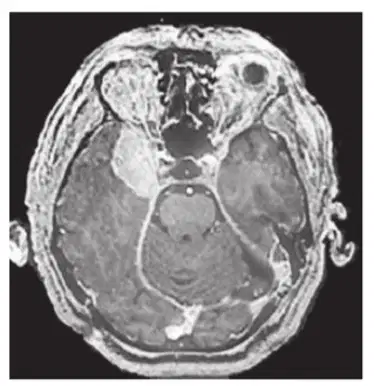
Contrast-enhanced axial T1-weighted MRI scans of a 56-year-old man are shown in this image. The most likely symptoms he might have are
Dizziness, ataxia, and balance problems
Expressive aphasia with positive Romberg’s sign
Tinnitus and reduced hearing in the right ear with frequent falling
Ptosis of the right eye with weakness of external ocular muscles
Weakness in the right side of body, especially in the upper limbs
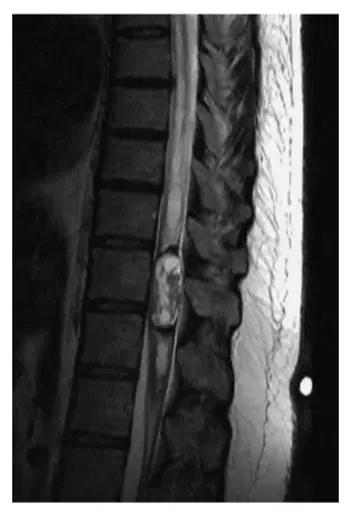
Which one of the following is most likely based on the T2-Weighted MRI shown below?
Ependymoma
Lipoma
Neurofibroma
Primary CNS lymphoma
Schwannoma
If the C6 nerve root is severed, all of the following may be affected except:
Lateral cord
Ulnar nerve
Musculocutaneous nerve
Median nerve
Lower subscapular nerve
Neurogenic shock is characterized by which of the following?
Increased arteriolar tone
Increased in peripheral vascular resistance
Cool molten skin
Hypertension
Bradycardia
Typical presentation of patients with conus medullaris lesions includes all of the following except:
Saddle bilateral sensory deficit
Symmetric motor loss
Loss of ankle jerk
Autonomic symptoms that occur late
Urinary retention and atonic anal sphincter that cause overflow urinary incontinence and fecal incontinence
Which large anastomotic vein joins the superior sagittal sinus?
Trolard vein
Labbe vein
Sylvian vein
Basal vein of Rosenthal
Superficial middle cerebral vein
Male, 25 years old, had an traffic accident. He couldn’t open his eyes nor sound with pain stimulus, but he could extend his hand abnormally. Based on the GCS in this patient, where is the location of the lesion?
Supracerebral
Between cerebral and diencepalon
Between diencepalon and mesencepalon
Between pons and the midbrain
Lower medulla oblongata
Which of the following is not a consideration in determining whether a substance will cross the blood–brain barrier (BBB)?
Immunogenicity
Charge
Presence of specific transporter
Molecular weight
Lipid solubility
How much platelet count increase after transfusing one unit of platelets?
< 5.000
5.000 – 10.000
10.000 – 15.000
15.000 – 20.000
>20.000
What type of temporal bone fractures more frequently result in external manifestations such as otorrhea of CSF and tympanic membrane perforation?
Transverse
Longitudinal
Oblique
Spiral
Curve
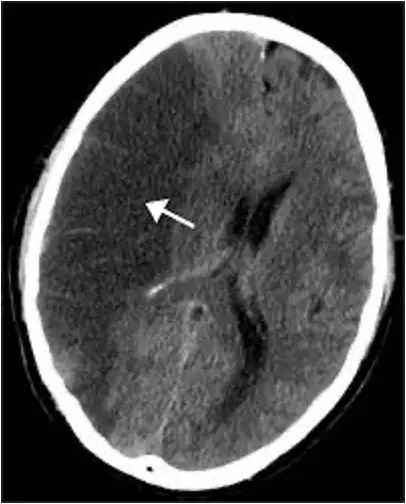
Male, 75 years old, came to ER with sudden left hemiparesis. CT scan result showed infarction on the right hemisphere. What is another possibility sign or symptoms regarding this CT scan result?
Broca aphasia
Wernicke aphasia
Ipsilateral hemihypoesthesia
Contralateral eye deviation
Hemineglect syndrome
What is the most likely clinical symptom in a patient with a large unruptured cavernous sinus carotid aneurysm?
Diplopia
Trigeminal neuralgia
Disfagia
Decrease visual acuity
Tic douloureux

Female, 51 yo, was performed craniotomy clipping aneurysm on right ICA terminus. She hadn’t regained her consciousness after procedure, then performed CT scan non contrast and showed infarct. What the possible artery is occluded based on the infarct territory?
Posterior communicating artery
Anterior choroidal artery
Superior hipophyseal artery
Recurrent artery of Heubner
Lenticulostriate artery
A 33-year-old woman has the acute onset of right orbital pain after a tennis match. The following morning, her 10-year-old son comments that her right eye looks funny. On examination, she has a mild right ptosis and anisocoria. The right pupil is 2 mm smaller than the left, but both react normally to direct light stimulation. Visual acuity, visual fields, and eye movements are normal. The site of injury is due to interruption of fibers from which of the following structures?
Optic tract
Optic chiasm
Cranial nerve III
T1 nerve root
Superior cervical ganglion
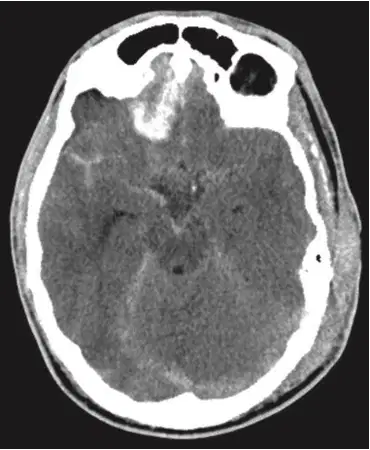
After a severe motor vehicle accident, a 50-year-old man arrives at the emergency room unconscious and intubated. A computed tomography scan of his brain is shown here. After the assurance of proper respiratory and circulatory support, as well as spine imaging, which of the following is the next most appropriate evaluation?
Cerebral angiogram
Intracranial pressure monitoring
Transcranial Doppler evaluation
T-tube trial
Electroencephalogram
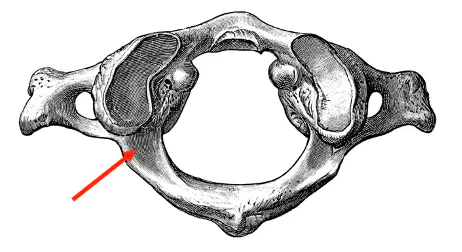
Apa nama struktur anatomi yang berjalan pada bagian yang ditunjuk, yang harus dihindari pada prosedur laminectomy tulang tersebut?
Arteri cerebellaris superior
Arteri spinalis anterior
Arteri vertebralis
Arteri spinalis posterior
Arteri radicularis
Pada kasus trigeminal neuralgia, kontak dengan pembuluh darah apakah dan dari arah manakah yang paling sering terjadi terhadap saraf trigeminus?
Arteri cerebellaris anterior inferior, anteromedial
Arteri cerebellaris superior, superomedial
Arteri cerebellaris anterior inferior, inferolateral
Vena petrous superior, superomedial
Arteri cerebellaris posterior inferior, inferomedial
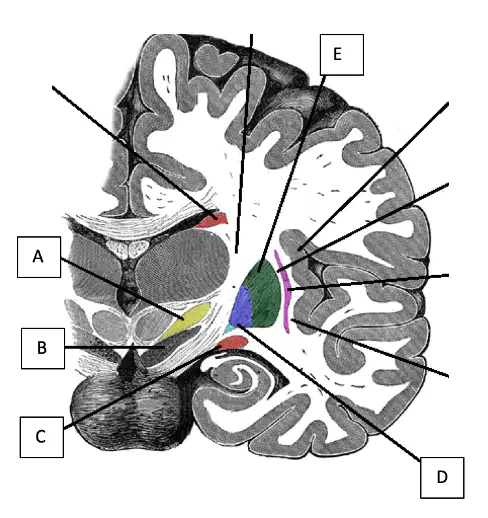
Hemiballismus merupakan gangguan gerakan yang disebabkan karena kerusakan pada struktur mana?
A
B
C
D
E
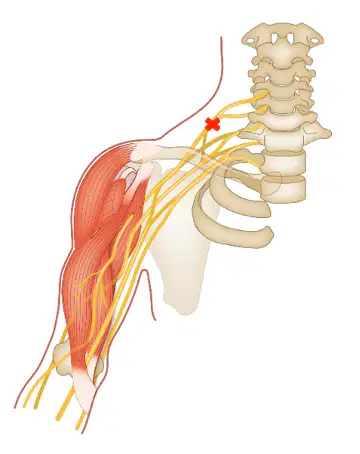
Apa nama kelainan yang ditimbulkan akibat cedera struktur yang disilang?
Erb Duchene palsy
Klumpke paralysis
Claw hand
Hand of benedict
Preacher hand
Pada prosedur corpus callosotomy, sindrom apakah yang dapat terjadi pada pasien sebagai efek samping operasi?
Aphasia sensorik
Supplementary motor area syndrome
Foster kennedy syndrome
Disconnection syndrome
Trephined syndrome
Pada kasus hypothalamic hamartoma, kejang tipe apakah yang merupakan karakteristik utamanya?
Absence seizure
Gelastic seizure
Drop attack seizure
Myoclonic seizure
Tonic-clonic seizure
Manakah yang termasuk ke dalam axial pain?
Facet joint pain
Herniated disc
Carpal tunnel syndrome
Trigeminal neuralgia
Radix dorsal compression
Pemeriksaan apakah yang dapat mendukung diagnosis carpal tunnel syndrome?
Pinch sign
OK sign
Tinnel test
Finger to nose test
Abduction test

You are evaluating an 82-year-old man with a history of a mechanical aortic valve. He presented to the emergency department with a headache and sleepiness. His GCS is 13 (E3, V4, M6). What is the next best step?
Intubate
Bedside burr hole evacuation
Start levetiracetam
Check INR
Start pentobarbital coma
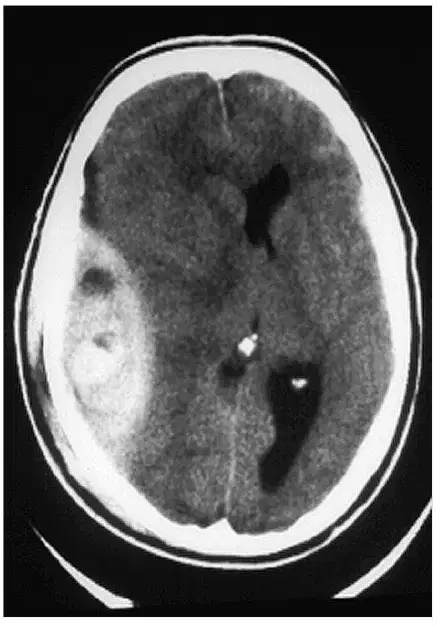
You see a 40-year-old man who was out drinking with friends and was involved in a car accident as an unrestrained passenger. He is sleepy in the trauma bay and his head CT is demonstrated below. The injured vessel in this setting enters the skull through what foramen?
Foramen ovale
Foramen rotundum
Foramen spinosum
Foramen lacerum
Foramen magnum
What is the normal range of intracranial pressure in adults (mm Hg)?
1 to 4
5 to 9
10 to 15
16 to 20
20 to 24
Which of these options is not a part of Cushing’s triad (signs of acute increased intracranial pressure)?
Hypotension
Hypertension
Bradycardia
Irregular respirations
Apneustic respiration pattern
Primary input to Brodmann areas 41 and 42 come from which region?
Medial geniculate body
Lateral geniculate body
Inferior colliculus
Superior colliculus
Primary visual cortex
Descending laterally across the posterior skull, which suture marks the border between the occipital and parietal bones?
Squamosal
Coronal
Lambdoid
Sphenosquamosal
Pterion
Which structure is not part of the deep cerebellar nuclei?
Globose
Fastigial
Emboliform
Vestibular
Dentate
You are evaluating a patient with double vision. When you are testing external ocular movements, the right eye fails to adduct when you attempt to make the patient track your finger to the patient’s left. What structure is likely damaged?
Right abducens nerve
Medial longitudinal fasciculus
Left abducens nerve
Medial lemniscus
Lateral lemniscus
An 18-year-old male is brought into the emergency department after a motor vehicle accident. On examination, he will open his eyes to painful stimulation, makes incomprehensible sounds, and withdraws his extremities to painful stimulation. What is the patient’s Glasgow Coma Scale score?
5
6
7
8
9
Through which of the following does the maxillary nerve exit the skull base?
Superior orbital fissure
Foramen rotundum
Foramen ovale
Jugular foramen
Foramen lacerum
A 42-year-old man develops vertical diplopia, which seems worst when watching television from bed. On examination, he has right hypertropia, which is exacerbated with downward gaze of an adducted right eye. If he tilts his head to the left, the vision improves. Which of the following is the affected cranial nerve?
Right oculomotor nerve
Left abducens nerve
Left trochlear nerve
Right trochlear nerve
Right abducens nerve
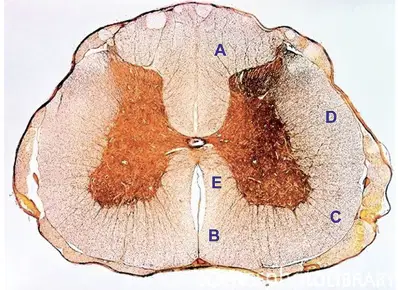
In this spinal cord cross-sectional image, what letter corresponds to the location of the spinothalamic tract?
A
B
C
D
E
A patient presents with a suspected C7 radiculopathy. Which muscles would be expected to show abnormalities on electromyography?
Biceps and brachioradialis
Triceps and flexor pollicis longus
First dorsal interosseous and abductor pollicis brevis
Extensor carpi radialis and anconeus
Extensor indices proprius and pronator quadratus
How does hemoglobin’s affinity for oxygen change as blood passes through a capillary, and what shift occurs with the oxygen-hemoglobin dissociation curve?
The affinity of hemoglobin for oxygen de creases, and the oxygen-hemoglobin dissociation curve shifts to the left.
The affinity of hemoglobin for oxygen decreases, and the oxygen-hemoglobin dissociation curve shifts to the right
The affinity of hemoglobin for oxygen in creases, and the oxygen-hemoglobin dissociation curve shifts to the left.
The affinity of hemoglobin for oxygen in creases, and the oxygen-hemoglobin dissociation curve shifts to the right.
The affinity of hemoglobin for oxygen remains the same, and the oxygen-hemoglobin dissociation curve does not shift.
A 65-year-old man with a history of chronic obstructive pulmonary disease is admitted for a lobar intracranial hemorrhage. The patient is intu- bated and sedated. He suddenly develops pulseless electrical activity. Auscultation of the lungs reveals absent breath sounds on the right. The trachea is deviated to the left. What is the best next step in the patient’s management?
Chest tube placement
Chest radiograph
Needle thoracotomy
Ultrasound of the lungs
Decrease the tidal volume on the ventilator
The nucleus pulposus is the remnant of what embryonic structure?
Neural tube
Anterior neuropore
Posterior neuropore
Neural plate
Notochord
What is the brain’s response to a rising PCO2 with regard to cerebral blood flow (CBF) and intracranial pressure (ICP)?
Decrease CBF and increase ICP.
Increase CBF and decrease ICP.
Decrease CBF and decrease ICP.
Increase CBF and keep ICP constant.
Increase CBF and increase ICP.
A patient presents with complaints of a herniated disk that correlates with imaging. MRI demonstrates a central disk herniation at L4/L5. What nerve root should be affected?
L4 traversing nerve root
L4 exiting nerve root
L5 traversing nerve root
L5 exiting nerve root
S1 traversing root
The ventral posterior nucleus of the thalamus sends information to which Brodmann area(s)?
Areas 1, 2, and 3
Area 4
Area 17
Areas 39 and 40
Area 44
A man with chronic alcoholism is recovering after an alcohol-induced traumatic cerebral contusion. He is neurologically intact awaiting discharge after eating several full meals when he suddenly develops quadriplegia, confusion, difficulty speaking, and trouble swallowing. Serum sodium is 139 mEq/L. What is the most likely diagnosis?
Beriberi
Central pontine myelinolysis
Pseudohyponatremia
Cerebral edema
Cervical spinal cord contusion
A woman, 61 years old, came to emergency department with weakness on her right extremities started 3 hours ago. Another physical examination show that she had a good comprehension, non-fluent speech, good repetition in language area. What is the name of the language condition above?
Broca’s aphasia
Conduction aphasia
Global aphasia
Transcortical motor aphasia
Transcortical sensory aphasia
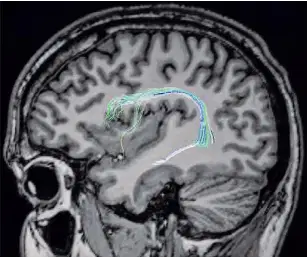
Which one of the following tracts is most
likely depicted in the figure beside?
Arcuate fasciculus
Cingulum bundle
Fornix
Inferior longitudinal fasciculus
Superior longitudinal fasciculus
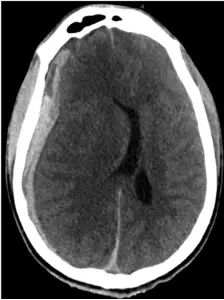
What is a characteristic of the lesion depicted in this CT image?
Limited by sutures
Usually crosses the midline
Most commonly due to an arterial injury
Occurs between the inner and outer layers of the dura
Limited by dural reflections
The following is a consideration in determining whether a substance will cross the blood–brain barrier (BBB), except…
Immunogenicity
Charge
Presence of specific transporter
Molecular weight
Lipid solubility
Which of the following most closely approximates the volume of circulating cerebrospinal fluid (CSF) in an adult?
500 mL
50mL
100 mL
150 mL
250 mL
Through which of the following does the meningeal branch of mandibular nerve (Third branch of the trigeminal nerve) exit the skull base?
Superior orbital fissure
Foramen rotundum
Foramen ovale
Foramen spinosum
Foramen lacerum
An 18-year-old male is brought into the emergency department after a motor vehicle accident. On examination, he will open his eyes to sound, makes incomprehensible sounds, and localising the painful stimulation. What is the patient’s Glasgow Coma Scale score?
E1V1M3
E2V1M3
E2V1M4
E3V2M5
E2V2M5
Intrauterine central nervous system development is divided into embryonic and fetal period. At 13 day of embryonic period, what is CNS development occurred?
Closure of the caudal neuropore
Closure of the cranial neuropore
Formation of the notochord
Formation of the primitive streak
Fusion of the neural folds to form the neural tube
The second-order neuron in the sympathetic pathway to the pupil arises from the…
Ciliary ganglion to the iris
Edinger-Westphal nucleus to the ciliary ganglion
Hypothalamus to the lateral horn cells at C8 to T3
Lateral horn cells at C8 to T3 to the superior cervical ganglion
Superior cervical ganglion to the iris
A 60-year-old man notes increasingly severe pain on the left side of his midface for about 3 days, followed by the eruption of a vesicular lesion on the side of his nose. He was later diagnosed with Herpes Zoster. Which of the following may he be at increased risk of experiencing?
Ocular complication
Disseminated infection
Cavernous sinus invasion
Infectious meningitis
Chronic paranasal sinusitis
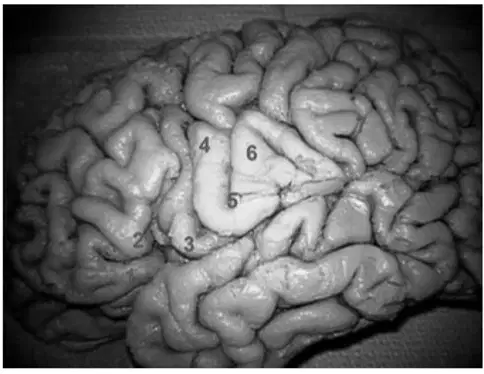
Number 2 in this image represents what structure?
Pars orbitalis of inferior frontal gyrus
Premotor gyrus
Pars triangularis of inferior frontal gyrus
Angular gyrus
Supramarginal gyrus
What is the brain’s response to a rising PCO2 (>35 mmHg) with regard to cerebral
Vasoconstriction that will decrease CBF and increase ICP
Vasodilation that will increase CBF and decrease ICP
Vasoconstriction that will decrease CBF and decrease ICP
Vasodilation that will increase CBF and keep ICP constant
Vasodilation that will increase CBF and increase ICP
How do cytotoxic and vasogenic edema differ?
Cytotoxic edema responds better to steroids than does vasogenic edema
The blood–brain barrier is closed in cytotoxic edema and disrupted in vasogenic edema
Cells shrink in vasogenic edema but expand in cytotoxic edema.
Cytotoxic but not vasogenic edema occurs after ischemic injury.
Proteins expand the extracellular space in cytotoxic edema.
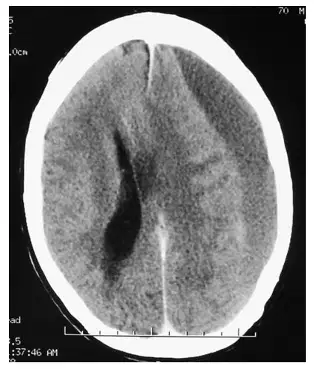
A 73 year old diabetic man presents with 3 months of headache after falling and confusion for the last 3 days. Which of the following is associated with the diagnosis shown in the image?
A result of tearing bridging veins
Associated with cerebral amyloid angiopathy (CAA)
Associated with a skull fracture over the temporal region
May occur with thrombosis of the sagittal sinus
Result of a ruptured berry aneurysm
A 42-year-old woman is being evaluated for gait difficulties. She also has dysdiadochokinesia and intentional tremor. This finding is most common with which of the following?
Cerebellar dysfunction
Parietal lobe damage
Temporal lobe damage
Ocular motor disturbances
Dysesthesias in the feet
The patellar tendon reflex involves sensory fibers of the femoral nerve that originate in spinal segments
S3–S4
S2–S3
S1–S2
L4–L5
L2–L3
What is the part of internal capsule which corticobulbar tract pass through?
Anterior limb
Posterior limb
Genu
Sublenticular limb
Field of Forel
The following is seen with a lesion of the facial nerve immediately distal to the geniculate ganglion, except
Hyperacusis
Impairment of lacrimation
Impairment of salivary secretions
Loss of taste in the anterior two-thirds of the tongue
Paralysis of ipsilateral facial muscles
The medial lenticulostriate artery (recurrent artery of Heubner) is a branch of which of the following?
Middle cerebral artery
Anterior cerebral artery
Internal carotid artery
Common carotid artery
Ophthalmic artery
What is the normal pressure of cerebrospinal fluid in an adult (in cm H2O)?
5
12
20
30
45
Ice water is irrigated into a patient’s external ear canal as a part of brainstem reflex examination. Which of the following would be the expected response in a normal patient?
There will be horizontal nystagmus toward the ipsilateral ear
There will be horizontal nystagmus away from the ipsilateral ear
There will be transient Horner syndrome of the ipsilateral ear
The ipsilateral eye will deviate downward
The ipsilateral eye will deviate upward
Which one of the following best describes ions responsible for membrane hyperpolarization?
Chloride and sodium
Chloride and potassium
Potassium and sodium
Sodium and calcium
Sodium only
What clinical finding best characterizes cauda equina syndrome?
Saddle anesthesia
Foot drop
Decreased patellar tendon reflex
Sciatica
Ankle plantar flexion weakness
A patient with a severe traumatic brain injury has elevated intracranial pressure (ICP) despite sedation and administration of paralytics. An external ventricular drain is in place and is functioning. His ICP is now 28, serum osmolarity is 290. The following is an appropriate step for controlling increased ICP, except
Hypoventilation
Administration of hypertonic saline
Hyperventilation
Emergency decompressive craniectomy
Barbiturate administration
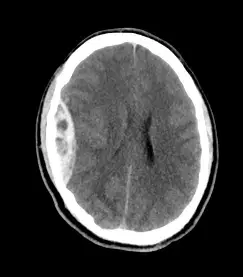
What is the name of radiological sign we can see in this lesion?
Salt and Pepper sign
Swirl sign
Figure of 8 sign
Snowman sign
White cerebellar sign
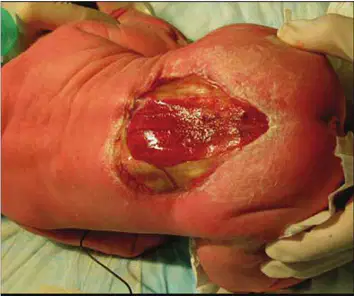
The following is a picture of a newborn. This disorder is caused by failure of
Primary neurulation
Secondary neurulation
Disjunction
Ventral induction
Migration
The normal total blood volume of a normal full-term neonate is
40mL/kg
60mL/kg
80mL/kg
100mL/kg
120mL/kg
Which of the following is associated with the development of secondary sagittal craniosynostosis?
Vitamin D deficiency
Vitamin A deficiency
Hypothyroidism
Hyperphosphatemia
Hypercortisolemia
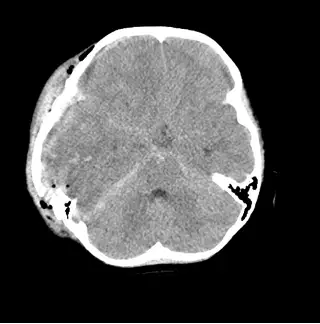
What effect do steroids have on severe TBI presenting with the above radiological examination (severe cerebral edema)?
Improvement in ICP and clinical outcome, no systemic complications
Improvement in ICP and clinical outcome, increased systemic complications
No improvement in ICP, improved clinical outcome, increased systemic complications
Improvement in ICP, no clinical improvement, increased systemic complications
No improvement in ICP, no clinical improvement, increased systemic complications
Which of the following is LEAST suggestive of child abuse?
Acute and healing long bone fractures
Interhemispheric subdural hematoma
Skull base fracture
Retinal hemorrhages
Tentorial subdural hematoma
A 19-year-old male presents to the ER after being involved in a motorcycle accident. He experienced pain and temperature dissociation. On examination, he has stronger motor strength in the proximal upper extremities than the distal. The lower extremities and cranial nerves are intact. What syndrome does this patient have?
Brown-Sequard syndrome
Wartenberg's syndrome
Anterior cord syndrome
Posterior cord syndrome
Central cord syndrome
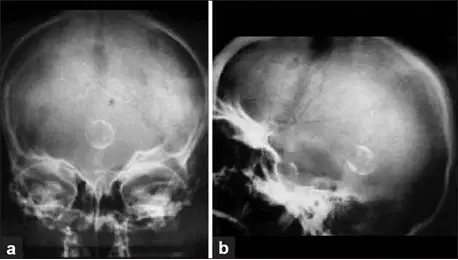
Pineal calcifications are considered abnormal if encountered in patients younger than
6 years
12 years
18 years
26 years
30 years
In cerebral salt wasting syndrome patients are usually
hypervolemic and hypernatremic
hypervolemic and hyponatremic
hypovolemic and hypernatremic
hypovolemic and hyponatremic
none of the above
Contrast-enhanced axial T1-weighted MRI scans of a 56-year-old man are shown in this image. The most likely symptoms he might have are
Dizziness, ataxia, and balance problems
Expressive aphasia with positive Romberg’s sign
Tinnitus and reduced hearing in the right ear with frequent falling
Ptosis of the right eye with weakness of external ocular muscles
Weakness in the right side of body, especially in the upper limbs
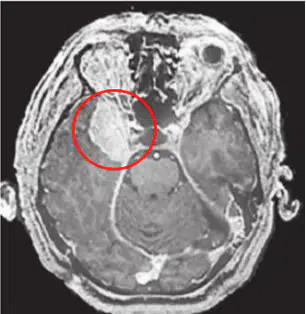
Contrast-enhanced axial T1-weighted MRI scans of a 56-year-old man are shown in this image. The most likely symptoms he might have are
Dizziness, ataxia, and balance problems
Expressive aphasia with positive Romberg’s sign
Tinnitus and reduced hearing in the right ear with frequent falling
Ptosis of the right eye with weakness of external ocular muscles
Weakness in the right side of body, especially in the upper limbs
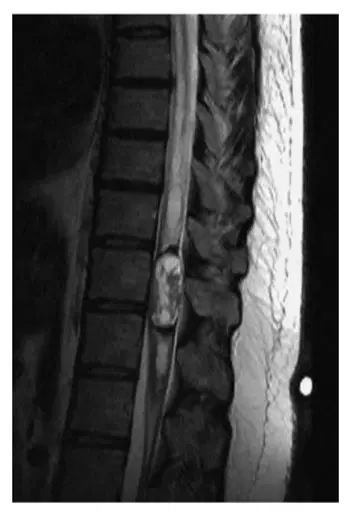
What lesion is depicted on the T2-Weighted MRI shown below?
Extradura intramedullary tumor
Intradura extramedullary tumor
Extradura extramedullary tumor
Intradura intramedullary tumor
Extracanal tumor
If the C6 nerve root is severed, all of the following may be affected except:
Lateral cord
Ulnar nerve
Musculocutaneous nerve
Median nerve
Lower subscapular nerve
Neurogenic shock is characterized by which of the following?
Increased arteriolar tone
Increased in peripheral vascular resistance
Cool molten skin
Hypertension
Bradycardia
Typical presentation of patients with conus medullaris lesions includes all of the following except
Saddle bilateral sensory deficit
Symmetric motor loss
Loss of ankle jerk
Autonomic symptoms that occur late
Urinary retention and atonic anal sphincter that cause overflow urinary incontinence and fecal incontinence
Male, 25 years old, had an traffic accident. He couldn’t open his eyes nor sound with pain stimulus, but he could extend his hand abnormally. Based on the GCS (E1V1M2) in this patient, where is the location of the lesion?
Supracerebral
Between cerebral and diencepalon
Between diencepalon and mesencepalon
Between pons and the midbrain
Lower medulla oblongata
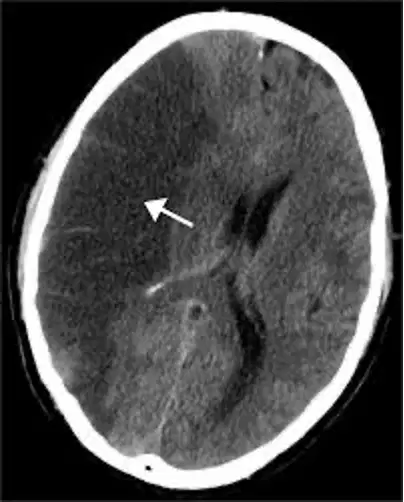
Male, 75 years old, came to the emergency room with sudden left hemiparesis. CT scan result showed infarction on the right hemisphere. What is another possibility sign or symptoms regarding this CT scan result?
Broca aphasia
Wernicke aphasia
Ipsilateral hemihypoesthesia
Contralateral eye deviation
Hemineglect syndrome
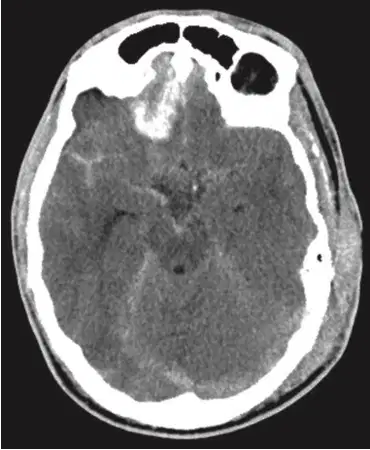
After a severe motor vehicle accident, a 50-year-old man was unconscious, intubated, with airway, breathing and circulation were clear. Which of the following is the next most appropriate evaluation?
Cerebral angiogram
Intracranial pressure monitoring
Transcranial Doppler evaluation
T-tube trial
Which of the following belongs to axial pain?
Facet joint pain
Herniated disc
Carpal tunnel syndrome
Trigeminal neuralgia
Radix dorsal compression
Which of the following physical examination supports the diagnosis of carpal tunnel syndrome?
Pinch sign
OK sign
Tinnel test
Finger to nose test
Abduction test
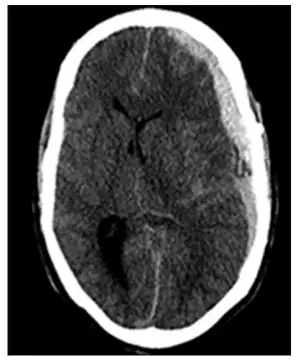
An 82-year-old man with a history of a mechanical aortic valve, presented with headache and sleepiness. GCS was E3, V4, M6. What is the next best step?
Intubate
Bedside burr hole evacuation
Start levetiracetam
Check INR
Start pentobarbital coma
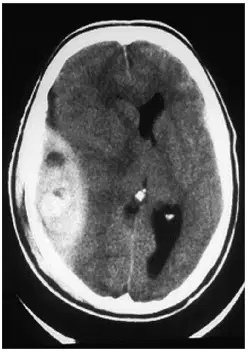
The injured vessel in the head CT Scan demonstrated below enters the skull through:
Foramen ovale
Foramen rotundum
Foramen spinosum
Foramen lacerum
Foramen magnum
Which of these options is not a part of Cushing’s triad (signs of acute increased intracranial pressure)?
Hypotension
Hypertension
Bradycardia
Irregular respirations
Apneustic respiration pattern
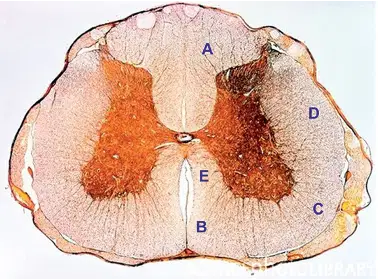
In this spinal cord cross-sectional image, what letter corresponds to the location of the lateral spinothalamic tract?
A
B
C
D
E
The nucleus pulposus is the remnant of what embryonic structure?
Neural tube
Anterior neuropore
Posterior neuropore
Neural plate
Notochord
A 61 years old woman with a good language comprehension, non-fluent speech, and good repetition. What is the name of the language condition above?
Broca’s aphasia
Conduction aphasia
Global aphasia
Transcortical motor aphasia
Transcortical sensory aphasia
Which of the following receptors is involved in autonomic preganglionic transmission for both sympathetic and parasympathetic systems?
Muscarinic receptor
Alpha 2 receptor
N-methyl-D-aspartate (NMDA) receptor
Mu receptor
Nicotinic receptor
Which of the following is an example of declarative memory?
Tying one’s shoe
Predicting the weather based on environmental clues
Recalling a word when a related word is presented
Recalling a birthday
Expecting food when the oven timer ends
You use a 2-0 coated vicryl suture to close the galea during closure of a craniotomy. Which one of the following statements is correct?
It is a synthetic, braided absorbable suture
It is a synthetic, braided non-absorbable suture
It is a synthetic, monofilament absorbable suture
It is a natural, braided absorbable suture
It is a synthetic, monofilament non-absorbable suture
Pain and temperature fibers from the face are relayed to what nucleus?
Mesencephalic nucleus of cranial nerve V
Ventral posterior lateral nucleus of the thalamus
Principal sensory nucleus of cranial nerve V
Solitary nucleus
Spinal nucleus of cranial nerve V
How does hemoglobins affinity for oxygen change as blood passes through a capillary, and what shift occurs with the oxygen-hemoglobin dissociation curve?
The affinity of hemoglobin for oxygen decreases, and the oxygen-hemoglobin dissociation curve shifts to the left
The affinity of hemoglobin for oxygen decreases, and the oxygen-hemoglobin dissociation curve shifts to the right
The affinity of hemoglobin for oxygen increases, and the oxygen-hemoglobin dissociation curve shifts to the left
The affinity of hemoglobin for oxygen increases, and the oxygen-hemoglobin dissociation curve shifts to the right
The affinity of hemoglobin for oxygen remains the same, and the oxygen-hemoglobin dissociation curve does not shift
A trial of a new antibiotic for meningitis finds that it reduces the mortality rate from 35% to 20%. What is the relative risk?
0.0015
0.015
0.15
1.5
15
A 38-year-old man notes that his shoe size has increased from 40 to 43 over the last year, his wedding band no longer fits his finger, and he has a new gap in his lower teeth. After appropriate blood work is performed, which of the following is the most rational test result to find in his blood?
Adrenocorticotropic hormone (ACTH)
Follicle-stimulating hormone
Growth hormone
Prolactin
Thyroid-stimulating hormone
Which one of the following statements regarding peripheral nerve injury is most accurate?
Neuropraxia involves disruption of the myelin sheath only with some evidence of Wallerian degeneration
Recovery after neuropraxia is likely to be incomplete
Neurotmesis is ideally managed with expectant management
Axonotmesis shows Wallerian degeneration distal to injury
A dense motor and sensory deficit following a penetrating injury is due to neuropraxia
Which one of the following combinations of clotting factors are affected by warfarin?
II, IX, X, Protein C
II, VII, IX, X
II, VII, IX, X, Protein C, Protein S
II, VII, X, Protein C
II, VII, X, XII
What is the average head circumference for a newborn and an adult?
28 and 48 cm
30 and 50 cm
32 and 52 cm
35 and 55 cm
25 and 49 cm
Failure of the posterior portions of vertebral elements to fuse without protrusion of meninges or neural elements is called what?
Meningomyelocele
Meningocele
Spina bifida occulta
Syringohydromyelia
Spina bifida cystica
Regarding cerebral autoregulation in adults, which one of the following statements is LEAST accurate?
Increasing hypoxia results in increasing cerebral blood flow
Cerebral blood flow is relatively constant over a range of cerebral perfusion pressures from 50 to 150 mmHg
Cerebral blood flow is directly proportional to cerebral perfusion pressure (CPP) when CPP is greater than 150 mmHg or less than 50 mmHg
A pCO2 of 4.0 kPa (30 mmHg) is associated with an average cerebral blood flow of approximately 50 ml/100 g/min
Cerebral blood flow = cerebral perfusion pressure/cerebral vascular resistance
A70 kg man has lost 1.7 L of blood from a stab wound. Which one of the following is the LEAST likely to be showing?
Respiratory rate 20-30
Narrow pulse pressure
Urine output 5-15 ml/h
Confusion
Pulse rate 120-140 bpm
A 61-year-old male with a glioblastoma multiforme came with confusion and left hemiparesis. The doctor explained to the family that he will need a surgery. As you take the family back to his bedside, they ask you not to tell the patient about the likely diagnosis. Which one of the following principles would be most compromised by operating on him at this point in time?
Autonomy
Non-maleficence
Justice
Beneficence
Futility
What is the laboratory manifestations of disseminated intravascular coagulation (DIC)?
Decreased fibrinogen level
Shorten PT
Shorten PTT
Thrombocytosis
Unfragmented RBCs
Which of the following exam findings best distinguishes an upper motor lesion of the facial nerve pathway from a lower motor lesion of the facial nerve?
In upper motor lesions, both sides of the face will be affected
In upper motor lesions, only the lower part of the face will be affected
Hearing loss is more common with upper motor lesions
Loss of taste sensation is rare in lower motor lesions
In lower motor lesions, both sides of the face will be affected
What incomplete spinal cord injury syndrome is associated with a poor prognosis for recovery and dissociated sensory loss?
Central cord syndrome
Anterior cord syndrome
Brown-Séquard syndrome
Posterior cord syndrome
Cauda equina syndrome
What involuntary movement disorder typically persists during sleep?
Hemifacial spasm
Blepharospasm
Athetosis
Facial myokymia
Vasospasm
What type of hematoma occurs in the loose connec- tive tissues of the scalp that may cross sutures, may require blood transfusions, and does not calcify?
Subgaleal hematoma
Subperiosteal hematoma
Subdural hematoma
Temporalis contusion
Epidural hematoma
A 43-year-old patient presents with a large, enhancing mass with a necrotic center with mass effect and significant vasogenic edema. Following resection, histology demonstrated neovasculariza- tion with endothelial proliferation and pseudopal- isading around areas of necrosis. Histopathology was significant for a TP53 mutation. What is the most likely diagnosis?
Primary glioblastoma
Secondary glioblastoma
Rhabdoid meningioma
Medulloblastoma
Chordoma
What vitamin should be coadministered with iso- niazid to prevent neuropathy?
Vitamin A
Vitamin B12
Vitamin C
Vitamin B6
Vitamin E
A 35-year-old patient admitted to the neurology ICU following polytrauma becomes hypotensive. What hemodynamic parameters are compatible with hypovolemic shock?
Decreased right atrial pressure, decreased pulmonary capillary wedge pressure, decreased cardiac output, and increased systemic vascular resistance
Normal or increased right atrial pressure, increased pulmonary capillary wedge pressure, decreased cardiac output, and increased systemic vascular resistance
Variable right atrial pressure, variable pulmonary capillary wedge pressure, increased cardiac output, and decreased systemic vascular resistance
Increased right atrial pressure, normal or decreased pulmonary capillary wedge pressure, decreased cardiac output, and increased systemic vascular resistance
Increased right atrial pressure, increased pulmonary capillary wedge pressure, decreased cardiac output, and increased systemic vascular resistance
What inhalational neuroanesthetic does not reduce cerebral metabolism?
Halothane
Enflurane
Nitrous oxide
Isoflurane
Desflurane
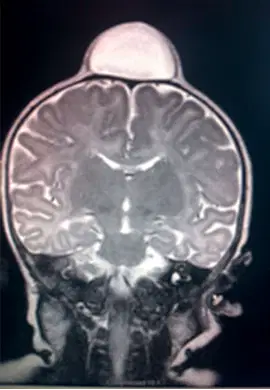
A 2-month-old baby has a slowly growing midline mass over the anterior fontanelle, as shown in the MRI in this image. The most likely diagnosis is:
Dermoid cyst
Lipoma
Epidermoid cyst
Fibrous dysplasia
Encephalocele

