
 Worksheets
Energy Conservation and Heat Transfer Concepts
Total questions: 36
Worksheet time: 40mins

Conduction requires
Electricity
the electromagnetic spectrum and particles
air or water flow
direct contact

A group of friends gather around a fire to stay warm. This is an example of ________.
conduction
convection
radiation

Near the ceiling of a room the air is warmer. The warm air rises because of ________.
conduction
convection
radiation

The type of heat transfer that creates currents in water is called ________.
conduction
convection
radiation

What is energy?
moving energy
stored energy
renewable energy
The ability to do work.

What type of energy is being transformed when you use a hairdryer?
From thermal energy to electrical energy
From electrical energy to kinetic energy
From electrical energy to thermal energy
From kinetic energy to thermal energy

The energy associated with movement is called...
Chemical energy
Thermal energy
Sound energy
Kinetic energy

In what state of matter is kinetic energy the highest?
Solid
Liquid
Gas
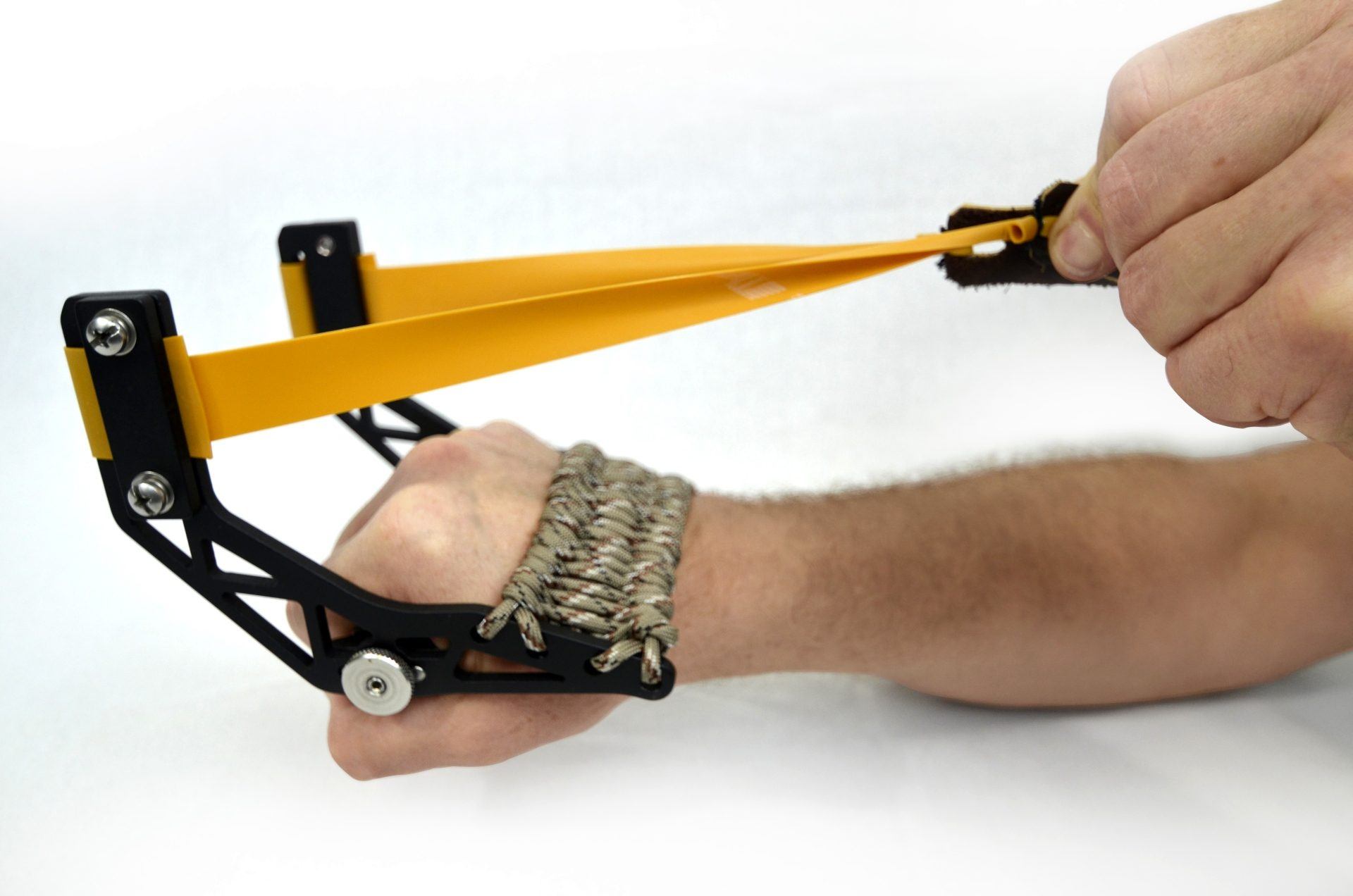

What is potential energy?
moving energy
stored energy
renewable energy
non renewable energy

YOUR BODY GETS ENERGY FROM THE FOOD YOU EAT. WHAT IS THE FORM OF ENERGY IN FOOD?

The energy in all bodies or objects that can give off heat is...
Light energy
Thermal energy
Sun energy
Graviational potential energy

If thermal energy is increasing, what is happening to the kinetic energy.
Kinetic energy would be decreasing
Kinetic energy would stay the same
Kinetic energy would be increasing

Energy transferred between two objects with varying temperatures, always transferring from warmest to coldest until the two objects have equal temperatures.
Heat
Thermal Energy
Energy Transfer
Temperature


Identify the energy transfer
electrical to chemical to light
kinetic to potential
chemical to electrical to light
light to sound

Identify the energy transfer
mechanical to sound
chemical to electrical
sound to mechanical
thermal to sound

Identify the energy transfer (photosynthesis)
light to electrical
solar to chemical
chemical to thermal
solar to chemical

Identify the energy transfer
chemical to kinetic
solar to electrical
thermal to light
electrical to light

Identify the energy transfer
mechanical to light
chemical to kinetic
electrical to mechanical
kinetic to thermal

Identify the energy transfer
chemical to light
thermal to electrical
chemical to heat
electrical to thermal

Identify the energy transfer
chemical to electrical to sound
sound to electrical to chemical
electrical to sound to chemical
potential to kinetic to light

Identify the energy transfer
kinetic to mechamical
light to thermal
potential to kinetic
electrical to magnetism
The faster an object moves, the ________ kinetic energy it has.
more
less
Which has a greater impact on KE?
mass
speed

Car 1 and Car 2 have the same mass. Which of the following statements is true?
Car 1 has the most kinetic energy because it is moving at a faster rate of speed.
Car 2 has the least amount of kinetic energy because it is actually smaller than car one.
Car 2 has the most kinetic energy because it is moving at a slower rate of speed.
Car 1 has the least amount of kinetic energy because it is moving at a faster rate of speed.

Where would this tossed baseball have the least amount of kinetic energy?
point W
point X
point y
point z
Where would this tossed baseball have the least amount of kinetic energy?
point W
point X
point y
point z
Where would this tossed baseball have the greatest amount of kinetic energy?
point W
point X
point y
point z

