
 Worksheets
Exploring Genetics and Inheritance
Total questions: 158
Worksheet time: 4hrs 51mins
What is the basic unit of heredity in living organisms?
Chromosome
Gene
Nucleotide
Protein
Which term describes different forms of a gene?
Chromosome
Allele
Trait
Protein
What does it mean if a trait is dominant?
It is always hidden
It is expressed when at least one allele is present
It is only expressed when two alleles are present
It is never inherited
Which of the following is a nucleic acid base found in DNA but not in RNA?
Uracil
Thymine
Adenine
Cytosine
Which base pairs with adenine in DNA?
Cytosine
Thymine
Guanine
Uracil
What are the two types of nucleic acids?
DNA and RNA
Protein and Lipid
Glucose and Fructose
ATP and ADP
Which of the following is a purine base?
Thymine
Adenine
Cytosine
Uracil
What is the difference between acquired and inherited traits?
Acquired traits are passed from parents; inherited traits are learned
Acquired traits are learned or developed; inherited traits are passed from parents
Both are passed from parents
Both are learned
Which genetic disorder is caused by a mutation in the hemoglobin gene?
Down syndrome
Sickle cell anemia
Cystic fibrosis
Huntington’s disease
What is the function of chromosomes in cells?
To produce energy
To store genetic information
To digest food
To fight infections
Which base is only found in RNA and not in DNA?
Thymine
Uracil
Guanine
Cytosine
Which of the following describes codominance?
Both alleles are fully expressed in the phenotype
One allele is completely dominant over the other
The alleles blend together
Neither allele is expressed
In a Punnett Square for a monohybrid cross, what is the expected ratio of dominant to recessive phenotypes if both parents are heterozygous?
1:1
3:1
2:2
4:0
Which type of inheritance involves more than two alleles for a single gene?
Complete dominance
Multiple allele inheritance
Codominance
Incomplete dominance
What is the result of incomplete dominance in a Punnett Square?
Only dominant traits are shown
Traits blend to produce an intermediate phenotype
Only recessive traits are shown
Both traits are fully expressed
Which genetic disorder is caused by a recessive allele on chromosome 7 and affects the lungs and digestive system?
Sickle cell anemia
Cystic fibrosis
Down syndrome
Huntington’s disease
Which type of inheritance involves many genes contributing to a single trait?
Codominance
Polygenic inheritance
Multiple allele inheritance
Sex-linked inheritance
What is the difference between purines and pyrimidines?
Purines have one ring; pyrimidines have two rings
Purines have two rings; pyrimidines have one ring
Both have two rings
Both have one ring
Which genetic disorder is caused by an extra copy of chromosome 21?
Huntington’s disease
Down syndrome
Sickle cell anemia
Cystic fibrosis
Which type of Punnett Square would you use to predict the inheritance of a sex-linked trait?
Monohybrid
Dihybrid
XY sex-linked
Polygenic
If a mother is a carrier for a sex-linked recessive disorder and the father is normal, what is the chance their son will have the disorder?
0%
25%
50%
100%
A plant with red flowers (RR) is crossed with a plant with white flowers (WW). If the trait shows incomplete dominance, what will be the color of the offspring?
Red
White
Pink
Both red and white
In a family, both parents have blood type AB. What are the possible blood types for their children?
Only AB
A, B, or AB
O only
A, B, AB, or O
If two heterozygous brown-eyed parents (Bb) have a child, what is the probability that the child will have blue eyes (bb)?
0%
25%
50%
75%
A person with genotype AaBb for two genes is crossed with another person with genotype AaBb . What is the expected ratio of offspring showing both dominant traits?
1:16
9:16
3:16
12:16
Which scenario best describes epistasis?
One gene masks the effect of another gene
Both genes are expressed equally
Genes blend together
Genes are inherited independently
A woman with genotype XNXn (carrier for color blindness) and a man with genotype XNY have a son. What is the probability that the son will be color blind?
0%
25%
50%
100%
If a trait is polygenic, what would you expect the distribution of phenotypes to look like in a population?
Only two distinct groups
A wide range with many variations
No variation
Only one phenotype
Which genetic disorder is caused by a dominant allele and leads to progressive brain degeneration?
Huntington’s disease
Sickle cell anemia
Down syndrome
Cystic fibrosis
A person inherits a trait for attached earlobes from both parents, but also has a gene that prevents the trait from being expressed. What type of genetic interaction is this?
Codominance
Epistasis
Incomplete dominance
Multiple allele inheritance
“Given what you know about various root words, which of the following with be a reddish brown pigment in both hair and feathers?”
Phaeomelanin
Morus nigra
Morus rubra
Leukocyte
Cyanopigmata
Xanthophores are one of the 3 major chromatophore types in cold-blooded animals, specialized pigment cells that makes animals like fish appear WHICH color
Blue
Grey
Yellow
Silver
Pink
About 85% of all life is (a) , yet among all eukaryotes, about (b) percent is within the Kingdom Plantae. Among plants, about 90% are (c) .
Which of the following is NOT a major phylum of kingdom plantae?
Bryophytes
Chlorophytes
Charophytes
Pteridophytes
Angiosperms
Which of the following is not NOT contained in seeds?
Lignin
Cellulose
Waxes
An endosperm
Phloem
True or False: Cellulose, the most abundant organic molecule on Earth, is a giant chain of glucose molecules, which makes up the cell walls of plants.
True
False
True or False: Chitin, a compound that makes up the cell walls of fungi and some insects as well, is not as strong as cellulose.
True
False
Match the following scientific species name into its correct "literal definition" based off your knowledge of root words, for different types of fungi!
Penicillium chrysogenum
“brush-like, gold-producing
Ganoderma lucidum
“shining skin”
Tuber melanosporum
"black truffle"
For most seeds, which of the following is NOT a major condition triggering germination?
Low O2 levels
Dim lighting or darkness
High H2 levels
Warm temperatures
Which of the following is a characteristic of viruses but not cells?
Independent cell division
Contain nucleus and organelles
Reproduction only within a host cell
Growth and development
Compare the genetic material of viruses and cells. How does this difference impact their reproduction?
Evaluate the statement: "Viruses are living organisms." Provide evidence from the passage to support your answer.
Viruses contain (a) or RNA as their genetic material.
Which structural component is unique to cells and not found in viruses?
Capsid
Core
Cell membrane
RNA
Fill in the blank: Cells can reproduce (a) or sexually.

What do viruses have in common with living cells? They both...
store genetic information
have chloroplasts
use glucose for cellular respiration
have endoplasmic reticulum
Viruses contain genetic material which carries the instructions for the construction of new virus particles. This genetic material is primarily composed of –
phospholipids
polysaccharides
nucleic acids
polypeptides

In hamsters, short fur is dominant (F) and long fur is recessive (f). Match genotypes and phenotypes below.

FF

Ff

ff
What type of genotype does each flower have?
Purple (P) is dominant to white (p).
Move label to bottom of square.
homozygous recessive
homozygous dominant
heterozygous dominant

Match the image with the correct vocabulary word.

DNA
an organic chemical that carries all information of a living thing

Chromosome-
threadlike structures that carry information about the organism in units called genes

Cell-
the smallest unit with the basic properties of lifeand made of molecules
Label the Punnett Square

Fruit flies were crossed to observe eye color trait.
R= red eyes
r= brown eyes
Match the number of offspring to their closest phenotypic percentages.
220 Red Eyes
200 Brown Eyes
50% red eye
50% brown eye
368 Red Eyes
92 Brown Eyes
75% Red Eyes
25% Brown Eyes
428 Red Eyes
1 Brown Eyes
100% Red Eyes
0% Brown Eyes

AABb is crossed with AABb. What is the probability of having an offspring with AABb? Hint: mutliply the fractions and then find the percentage. (a)
In biology, we learned that a single seed- a plant (a) - can take hundreds, and even thousands (like the (b) seed) of years to (c) , remaining in its (d) state and surviving off its own internal food supply, or (e) .
In certain forests, such as pine forests in the western United States, some tree species have serotinous cones—cones sealed shut with resin that only melts during intense heat, like that of a wildfire. For years these cones can hang on branches, storing thousands of seeds until a fire passes through. When the heat finally opens them, the seeds fall onto freshly cleared, nutrient-rich soil where competition is low. Although wildfires seem destructive, they actually reset the ecosystem by removing dead material, releasing nutrients, and making space for young plants. Without periodic fires, these forests can become overcrowded, unhealthy, and even more vulnerable to larger, more dangerous fires. Thus, in fire-adapted ecosystems, fire acts as a natural renewal process that helps forests stay diverse and resilient.
From this passage, it can be deduced that some some plants and even seeds…
Need fire to germinate
Are inflammable
Undergo evolutionary change
Undergo ecological decay
Write a metaphor for the surprisingly regenerative and restorative power of something as seemingly destructive and devastating as a forest fire. Show how something that appears “bad” at face value can actually have a “good” outcome in the end! (You can use science, history, literature, theology, or even your own personal life!) (3-5 sentences)

What can be deduced from the following photo as well as your knowledge of plant phylums?
Angiosperm pollination occurs mostly through biotic factors.
Gymnsperm pollination occurs mostly through biotic factors.
Choleoptera are the number one biotic pollinator.
Diptera are the number one biotic p
Reorder the following from smallest to largest in terms of structural organization of our universe!
Atoms
Molecules
Macromolecules
Organelles
Cells
Reorder the following from smallest or least complex to largest or most complex
Cells
Tissues
Organs
Organ Systems
Organisms
Reorder the following from smallest or least complex to largest or most complex
Oganisms
Populations
Ecosystems
Biomes
Biosphere
ALL of the following are molecules EXCEPT
WATER
SALT
CARBON DIOXIDE
ELECTRONS
Match each scientific prefix with its correct meaning!
Sub-
Under/Below
Di/Bi-
Two
Macro-
Large
Micro-
Small
Cog-
To think/to know
A (a) is likely to study the animals, or (b) or certain ecosystems, while a botanist is likely to study the plants or (c) .
The positiv charged subatomic particles, or (a) which are about two (b) times larger and heavier than electrons, are found, along with the neutrons, in the center, or (c) of an atom.
Hydrogen, the (a) element on the periodic table, has (b) proton and (c) electron!
"Nuc" or "Kyro" are the Latin and Greet root words for THIS word, to describe the innermost "kernel" of something...
(a)
Reorder the following, from smallest or least complex to largest or most complex!
An electron
A neutron
A molecule of water
A molecule of salt
A molecule of sugar
Which of the following is not a subdivision or branch of psychology?
Cognitive
Botanical
Developmental
Social
Which of the following is considered a molecule?
OXYGEN GAS
PROTONS
PHOTONS
NEUTRONS
Which of the following is not one of the main characteristics of all lviing things?
Ability to undergo physical change
Which organelle is known as the POWER HOUSE of the cell and is great for giving our muscles the energy they need, in the form of ATP?
Cytoplasm
Cell membrane
Mitochondria
Match the following molecules with their correct chemical formula...
Ammonia
NH3
Carbon Monoxide
CO
Ozone
O3
Glucose
C6H12O6
Sulfur Dioxide
SO2
Label the following graph!
(Note: The red box is a certain PHYLUM)
Label the following segment of the graph we went over in class coreectly!
(Note: the top box is a certain FAMILY!)

The nocturnal "fennec fox," is native to the sandy desert regions of North Africa is the world's smallest fox, known for their enormous ears that radiate heat and aid in locating prey! What is the correct scientific name for these animals?
Vulpes lagopus

Coyotes, a very intelligent animal capable of incredible hearing, walking on their tip-toes (for hunting purposes) and making at least 11 different types of vocalizations, including yips, barks, growls, and howls, have the following scientific name...
Vulpes logopus
Canis logopus
Canis rufus
Classify the following species in the correct order of insects....
Butterflies
Moths
Danus plexippus
Common fruit flies
Mosquitos
Bees
Anopheles gambiae
Ants
Wasps
Vespula vulgaris
Beetles
Weevils
Lady bugs
Carabus auratus
Fireflies
Caterpillars
Match the following insect species with its correct SCIENTIFIC name!
Danaus plexippus
Monarch
Carabus auratus
Golden ground beetle
Anopheles gambiae
African malaria mosquito
Vespula vulgaris
Common wasp
Acheta domesticus
House cricket
If two organisms are in the same class, they must also be in the same (a)
Match the following scientific prefix with its correct meaning...
Tachy
Fast
Brady
Flow
Gloss
Tongue
Rhyn
Nose
Infra
Under
Reorder the following, from LARGEST WAVELENGTH to SMALLEST wavelength...
Infrared Light
Red Light
Green Light
Blue Light
Ultraviolet Light
Reorder the following, from MOST ACIDIC (pH of 0) to LEAST ACIDIC or NEUTRAL (pH of 7)...
Battery Acid
Hydrochloric Acid
Lemon Juice
Tomato Juice
Black Coffee
Which of the following species of PLANT in the cabbage genus is LEAST related to the mustard seed plant?
Brassica rapa
(Bok choy)
Brassica oleracea (Broccoli)
Brassica oleracea (Brussels Sprouts)
Brassica oleracea (Califlour)
Raphanus sativus (raddish)
Which of the following plant species is NOT a legume? Mark all that apply!
chickpeas
lentils
fava beans
sunflower seeds
pistaccios
If an animal is an insectivore, like the Tasmanian devil, it might eat which of the following species?
Danaus plexippus
Zaglossus robusta
Ornithorhynchus anatinus
Pan paniscus
Pan troglodytes

This pokemon, Tedd____, shares a root name of the two major constellations, ____ major and ____ minor... or the BIG DIPPER and the LITTLE DIPPER...
(a)
True or False: God is a MASTER CREATOR of the most beautiful creation, that we get to be amazed, surprised, delighted by, each and every day He gives us the very gift of LIFE! JMJ!
True
False
Jesus, Mary, Joseph, _ ____ ___, save souls!
(a)
Classify the following into its proper domain, phylum, or subphylum...
cyanobacteria
archaea
blue-green algae
Categorize the following characteristic to the correct subphylum or class...
Decapods
Mostly aquatic
2 antennae
Mostly terrestrial
0 antennae
Hexapods
1 antennae
Undergo metamorphosis
3 body segments
Octopods
Terrestrial, Aquatic, and Aeriole

Crustaceans, arachnids, and insects all contain an outer protective coat known as the
(a) which is made out of the polysaccharide,
(b) (very similar to cellulose)... Periodically these animals "shed" this outer coat through a process of known as
(c) . Sometimes, if the coloration of this coat matches the surrounding environment, such as the praying mantis, the animal can camoflauge or remain "hidden" in a process known as
(d) .
.
Which of the following is NOT a characteristic of ANY of the THERIA SUBCLASS of MAMMALS...
Having breast milk
Having a pouch for thier young
Which of the following is NOT a species of the Proboscidea family... (extinct or extant!)

Mammoths (extinct)
Loxodonta africana

Mastodons (extinct)
Nitrogenous bases of DNA are
cytosine
guanine
adenine
uracil
The structure of DNA is a
chromosomes
nucleotide
double helix
deoxyribose sugar
Pairing A and T; and G and C is considered
matching nucleotides
peptide paring
complementary base pairing
Which nucleotide pairs with guanine in DNA?
Uracil
Thymine
Adenine
Cytosine
Strigiformes birds are specially adapted for:
Swimming
Climbing
Silent night flight
Mimicry
Squamata reptiles share which main characteristic?
Shell made from ribs
Overlapping scales
External gills
Feathers
Crocodylia are probably LEAST closely related to:
Snakes
Birds
Lizards
Frogs
Newts
Caudata (Urodela) species like salamanders are known for:
Flying
Egg-laying in nests
Limb regeneration
Venom production
Warm-blooded animals are scientifically called:
Ectothermic
Endothermic
Amphitropic
Exothermic
Which statement about crocodiles vs. alligators is TRUE?
Crocodiles have U-shaped snouts and live only in freshwater.
Alligators have V-shaped snouts and salt glands.
Crocodiles have V-shaped snouts and are more salt-tolerant.
They are identical species.
How does the skin of reptiles differ from that of amphibians?
Give 5 examples of a tautonym (a scientific name where genus = species) and explain what it means.

What is the root word that means bird? Hint: Think about the BIRD APP (that hopefully you downloaded on your phone by the Cornell Lab of (a) logy!
Match the following!
Squamata
Snakes and Lizzards
Anura
Toads and Frogs
Caudata
Newts and Salamanders
Pisces
Fish
Aves
Birds
Categorize the following species names to their correct COLORS...
Tyto alba
Vulpes vulpes albus
Formica nigra
Melanoplus differentialis
Leucorrhinia intacta
Erythrura gouldiae
Rubriventer rubriventer
Phoeniconaias minor
Chloroceryle americana
Viriditas viridis

THIS is the scientific name for the species of non-migratory, territorial songbirds known for their vibrant red males and gray-brown females, native to central North America. It is also the state bird of 7 U.S. states: Illinois, Indiana, Kentucky, North Carolina, Ohio, Virginia, and West Virginia.
(a)
Categorize the following species of bird with its correct order...
Ostriches
Emus
Kiwis
Cassowaries
Sparrows
Ravens
Jays
Bluebirds
Finches
Canaries
Cranes
Rails
Coots
Hummingbirds
Swifts
All of the following bird species are classifies as "Galliformes" (Landfowl), EXCEPT
Chicken
Turkeys
Geese
Pheasants
Quail
"Falconidae" is considered which level of taxonomy within the hierarchy...
Order
Genus
Class
Species
Family

THIS phenomena, which is also performed by bears (preparing for hibernation, whereby they can consume around 20,000-50,000 calories per day), birds (preparing for long-distance migration) and can double their body weight to sustain themselves) as well as squirrels and even some snakes is when they partake in EXCESSIVE EATING...
(a)

Of all birds, (a) are considered (b) . Within this superorder, about (c) of all birds are (d) . Yet for fish, 40% belong to the largest vertebrate order, known as (e) , which accounts for approximately 40% of all bony fish and is the largest and most diverse order of vertebrates overall, containing over 10,000 species!

Warm-blooded animals contain a heart with (a) chambers, to efficiently separate oxygenated and deoxygenated blood, which is necessary to maintain the high metabolic rate and constant body temperature. The (b) are the chambers on the bottom and the (c) are the chambers on top!

Match the following scientific prefix/root word to its proper definition!
Amphi
Both
Regis
Royal
Caudal
Tail
Opthalmos
Eye
Calyptra
Veil
Angiosperms, or flowering plants, have developed some of the most creative and successful reproductive strategies in the entire plant kingdom. Unlike earlier plants that relied only on wind or water, angiosperms evolved flowers—specialized structures designed to attract animals that can carry pollen from one plant to another. Inside each flower, the stamen produces pollen (the male gametes) while the pistil houses the ovary, where female gametes wait to be fertilized. Pollinators such as bees, butterflies, birds, and even bats unknowingly transfer pollen while searching for nectar, setting off the process of double fertilization, a unique feature found only in angiosperms. After fertilization, the ovary transforms into a fruit, which protects the developing seeds and helps them spread across the environment. Some fruits explode to launch their seeds, others float on water, and many rely on animals—who eat the fruit and later deposit the seeds far away in nutrient-rich soil. Angiosperms have adapted scents, colors, shapes, and even ultraviolet patterns to communicate with specific pollinators. Their reproductive cycle allows for tremendous genetic diversity, helping them adapt quickly to changing environments. This is why angiosperms dominate most ecosystems on Earth, from grassy plains to tropical rainforests. Many flowering plants can also switch between sexual and asexual reproduction depending on conditions, allowing them to both innovate genetically and multiply quickly. Some species self-pollinate, while others have complex barriers to prevent self-fertilization and encourage mixing with unrelated plants. The timing of flower opening, the release of scents, and even the production of nectar are finely tuned to the daily rhythms of pollinators. Through these remarkable strategies, angiosperms ensure that their lineage continues with efficiency, beauty, and almost endless variety. The flowers we enjoy—roses, lilies, sunflowers, and countless others—are not just decorative; they are living advertisements for the most successful reproductive system on the planet.
What is the unique feature of angiosperms that sets off the process of fertilization?
Double fertilization
Single fertilization
Cross-pollination
Self-pollination
Which part of the flower produces pollen, the male gametes?
Stamen
Pistil
Ovary
Petal
How do angiosperms ensure genetic diversity in their reproductive cycle?
By switching between sexual and asexual reproduction
By relying only on wind for pollination
By producing identical offspring
By preventing pollination
Explain how angiosperms have adapted to attract specific pollinators. Provide examples from the passage.
Discuss the role of fruits in the reproductive strategy of angiosperms and how they aid in seed dispersal.
Case Study: The Amazing Gift of Symbiosis in Nature
Symbiosis is one of the most beautiful and surprising patterns in biology because it shows how living things can help one another survive in ways they never could alone. In mutualism, both partners benefit—like bees gathering nectar from flowers while accidentally pollinating them, allowing entire plant communities to reproduce. Clownfish and sea anemones form another famous partnership: the anemone’s stinging tentacles protect the clownfish, while the clownfish’s movements bring fresh water and nutrients to its host. In forests, fungi connect with plant roots in mycorrhizal networks, trading nutrients in a partnership so efficient that many trees cannot grow without their fungal allies. Some bacteria living in the guts of cows and termites help digest cellulose, turning otherwise indigestible plant material into usable energy. Even in the ocean, tiny algae living inside coral reefs provide the sugars that keep corals alive, building the largest biological structures on Earth. Other forms of symbiosis can be one-sided, such as commensalism, where one organism benefits while the other is left unharmed—like barnacles hitching free rides on whales. Parasitism, though harmful to the host, still reflects a complex relationship where organisms evolve together in a constant biological “arms race.” Symbiosis reveals that survival in nature is not only about competition, but also about connection, cooperation, and interdependence. By studying these partnerships, scientists learn how ecosystems stay balanced and why protecting one species often protects many others. In a world full of diverse relationships, symbiosis reminds us that life thrives best when living things work together.
What is mutualism in symbiosis?
A relationship where both partners benefit.
A relationship where one organism benefits and the other is unharmed.
A relationship where one organism benefits at the expense of the other.
A relationship where organisms compete for survival.
Which of the following is an example of commensalism?
Barnacles hitching rides on whales.
Bees pollinating flowers.
Clownfish and sea anemones.
Fungi connecting with plant roots.
What role do fungi play in mycorrhizal networks?
They trade nutrients with plant roots.
They protect plants from predators.
They digest cellulose for energy.
They provide sugars to coral reefs.
Why is symbiosis important in nature?
It shows how living things can help each other survive.
It demonstrates the importance of competition.
It highlights the role of parasitism in ecosystems.
It explains why ecosystems are always unbalanced.
Case Study: The Fantastic World of Fungi
Fungi are some of the most remarkable organisms on Earth because they can do things that plants and animals simply cannot. Unlike plants, fungi do not photosynthesize—instead, they absorb nutrients by breaking down dead leaves, wood, and even rock, making them the master recyclers of the natural world. Without fungi, forests would drown in piles of undecayed debris, and nutrients would never return to the soil. Some fungi form mycorrhizal partnerships with plant roots, trading minerals for sugars and allowing trees to grow taller, stronger, and faster than they ever could alone. Other fungi, like yeast, help humans make bread rise, ferment cheese, and create medicines such as penicillin, the world’s first antibiotic. Fungi can even communicate underground, forming networks sometimes called the “Wood Wide Web,” which allows trees to share nutrients and send stress signals. Some species glow in the dark, some shoot their spores like tiny cannons, and others (like cordyceps) can even control the behavior of insects. Scientists estimate that millions of fungal species have not yet been discovered, and many may hold keys to new medicines or environmental solutions. In polluted areas, certain fungi can break down oil spills, plastics, and heavy metals, acting as natural bioremediators. Although fungi can sometimes cause diseases, they are far more often beneficial, supporting ecosystems and humans alike. When we look closely, fungi reveal themselves as one of the most powerful and creative forces shaping life on Earth.
What is the primary role of fungi in ecosystems?
Photosynthesizing to produce energy
Absorbing nutrients by breaking down organic matter
Competing with plants for resources
Producing oxygen for the environment
Which of the following is an example of a mycorrhizal partnership?
Fungi breaking down plastics
Fungi trading minerals for sugars with plant roots
Fungi producing penicillin
Fungi glowing in the dark
Explain how fungi contribute to environmental sustainability.
Case Study: The Danger of Viruses and How They Infect Cells
Viruses can be extremely dangerous because they cannot reproduce on their own and must invade a host cell, taking it over from the inside. Once a virus attaches to a cell—whether it’s a bacterium, a plant cell, or a human cell—it injects its genetic material and rewrites the cell’s instructions to make new viruses. The cell becomes a virus factory, producing hundreds or thousands of copies until it bursts or slowly releases new viral particles. When viruses infect bacteria, they are called bacteriophages, and some phages can destroy entire bacterial populations in minutes. In humans and animals, viruses can damage tissues, weaken the immune system, and spread rapidly from cell to cell long before symptoms appear. Plant viruses stunt growth, cause mosaic patterns on leaves, and can wipe out crops when carried by insects. Because viruses mutate quickly, they can sometimes evade immune defenses, making it harder for organisms to fight them off. Even though many viruses are harmless or mild, the dangerous ones show how powerful a tiny strand of genetic material can be when it hijacks a living system. Understanding how viruses infect cells helps scientists develop vaccines, antiviral medicines, and disease-prevention strategies to keep ecosystems—and people—safe.
What is the primary way viruses reproduce?
By invading a host cell and taking it over
By dividing on their own
By consuming nutrients from the host
By attaching to multiple cells simultaneously
What are viruses called when they infect bacteria?
Bacteriophages
Pathogens
Microbes
Parasites
How do viruses affect plant cells?
They stunt growth and cause mosaic patterns on leaves
They weaken the immune system
They burst the cells immediately
They inject toxins into the plant
Why can viruses evade immune defenses?
Because they mutate quickly
Because they are too small to be detected
Because they only infect specific cells
Because they hide inside the host's DNA
What is one way scientists combat viruses?
By developing vaccines and antiviral medicines
By eliminating all host cells
By creating stronger immune systems
By using bacteria to fight viruses
Match the following animal to its number of cones types for color vision!
Monochromatic
Bats and Owls
Dichromatic
Dogs and Cats
Trichromatic
Most Humans and Apes
Tetreachromatic
Birds and Butterflies
Hyperchromatic
Peacock Mantis Shrimp
Case Study: The Rare and Amazing Phenomenon of Human Tetrachromacy
Tetrachromacy is a rare genetic condition in which a person has four types of cone cells in the retina instead of the usual three, allowing them to see a far wider range of colors than most humans. Scientists estimate that a small percentage of human females may carry the genes for tetrachromacy because the fourth cone type is linked to the X chromosome, giving women a greater chance than men to inherit this variation. While most people can distinguish about one million colors, a true tetrachromat might perceive up to 100 million subtle color differences. These additional shades often appear in places where others see only a single color—such as distinguishing dozens of reds in a rose, detecting slight shifts in sunset hues, or noticing subtle undertones in makeup, fabric, or paint. Some tetrachromats describe seeing “hidden gradients,” “extra wavelengths,” or textures of color that seem invisible to everyone else. From a scientific perspective, their eyes are sensitive to wavelengths between the typical red and green cones, filling in “missing” color information that most humans never experience. Practically, this ability can enhance careers or hobbies involving visual precision, such as art, design, cosmetics, forensics, or quality control work. Despite this extraordinary ability, many tetrachromats never realize they are different because they assume everyone else sees the world with the same richness. Research continues to explore how common tetrachromacy truly is and why only some individuals express the ability, even if they carry the genetic potential. This remarkable condition reminds us of the diversity of human perception and how much more color the world may secretly contain.
What is the genetic condition that allows a person to see a wider range of colors than most humans?
Tetrachromacy
Trichromacy
Color blindness
Monochromacy
Which chromosome is linked to the fourth cone type associated with tetrachromacy?
X chromosome
Y chromosome
Z chromosome
W chromosome
How many colors can a true tetrachromat perceive compared to the average human?
Up to 100 million
About 1 million
Up to 10 million
Around 50 million
What practical fields can benefit from the enhanced visual precision of tetrachromats?
Art and design
Sports and fitness
Music and dance
Cooking and baking
Why might many tetrachromats not realize they are different from others?
They assume everyone sees the same richness of colors
They lack scientific knowledge
They have poor eyesight
They are unaware of their genetic condition
Match the following syndrome/disorder with the correct sex chromosome configuration...
XO
Turner's Syndrome
XXY
Klinefelter's Syndrome
X
Jesus' DNA in Eucharistic Miracles
XY
Normal Male
XYY
Jacob's Syndrome
Case Study: Understanding Jacob’s Syndrome (XYY Syndrome)
Jacob’s Syndrome, also called XYY syndrome, is a genetic condition in which a male is born with an extra Y chromosome, giving him a 47,XYY karyotype instead of the typical 46,XY. Most boys and men with XYY syndrome grow up healthy and may never know they have it. Some may be taller than average, experience mild learning challenges, or have slight delays in speech or motor skills, but many show no noticeable symptoms at all. In the 1960s and early 1970s, scientists briefly believed that men with XYY were more likely to be aggressive or involved in crime, due to a few studies done on prison populations. However, later research showed that this claim was incorrect and misleading; the early studies were biased because they only looked at institutionalized men and ignored the much larger number of XYY males living normal, peaceful lives in society. Modern genetic and psychological research now confirms that Jacob’s Syndrome does not cause criminal behavior, nor does it predict aggression. In reality, most men with XYY live typical lives, pursue careers, and build families, and some may excel in athletics because of their taller stature.
Although no famous public figures have been verified as having Jacob’s Syndrome—because such medical information is personal and private—the condition remains a topic of interest in pop culture. It has appeared in movies, documentaries, and novels exploring genetics, often dramatizing the outdated myth of the “supermale.” Today, scientists use Jacob’s Syndrome as an example of how important it is to study human genetics carefully and to avoid stereotypes that can harm real people. The story of XYY syndrome ultimately teaches students how scientific ideas evolve, how misconceptions get corrected, and how every individual—regardless of chromosomes—deserves accurate understanding and dignity.
What is Jacob's Syndrome also known as?
XYY Syndrome
XXY Syndrome
Supermale Syndrome
Chromosomal Aggression Syndrome
Which of the following is NOT a symptom commonly associated with Jacob's Syndrome?
Aggression and criminal behavior
Mild learning challenges
Slight delays in speech or motor skills
Taller than average stature
Why were early studies on Jacob's Syndrome considered misleading?
They only studied institutionalized men and ignored others living normal lives.
They focused on women instead of men.
They were conducted in the 1980s, not the 1960s.
They used outdated genetic testing methods.
Which part of a flower is female?
petal
sepal
stamen
pistil
Which part of a flower is male?
petal
sepal
stamen
pistil
Where are the male and female parts of a flower located?
Inside the pistil
Inside the petals
Inside the sepal
Inside the anther

A
stigma
anther
receptacle
stem

B
style
filament
sepals
ovary with ovules

C
stem
stigma
sepals
petal

E
anther
filament
style
receptacle

G
petal
filament
anther
stem

H
petal
filament
ovary with ovules
receptacle

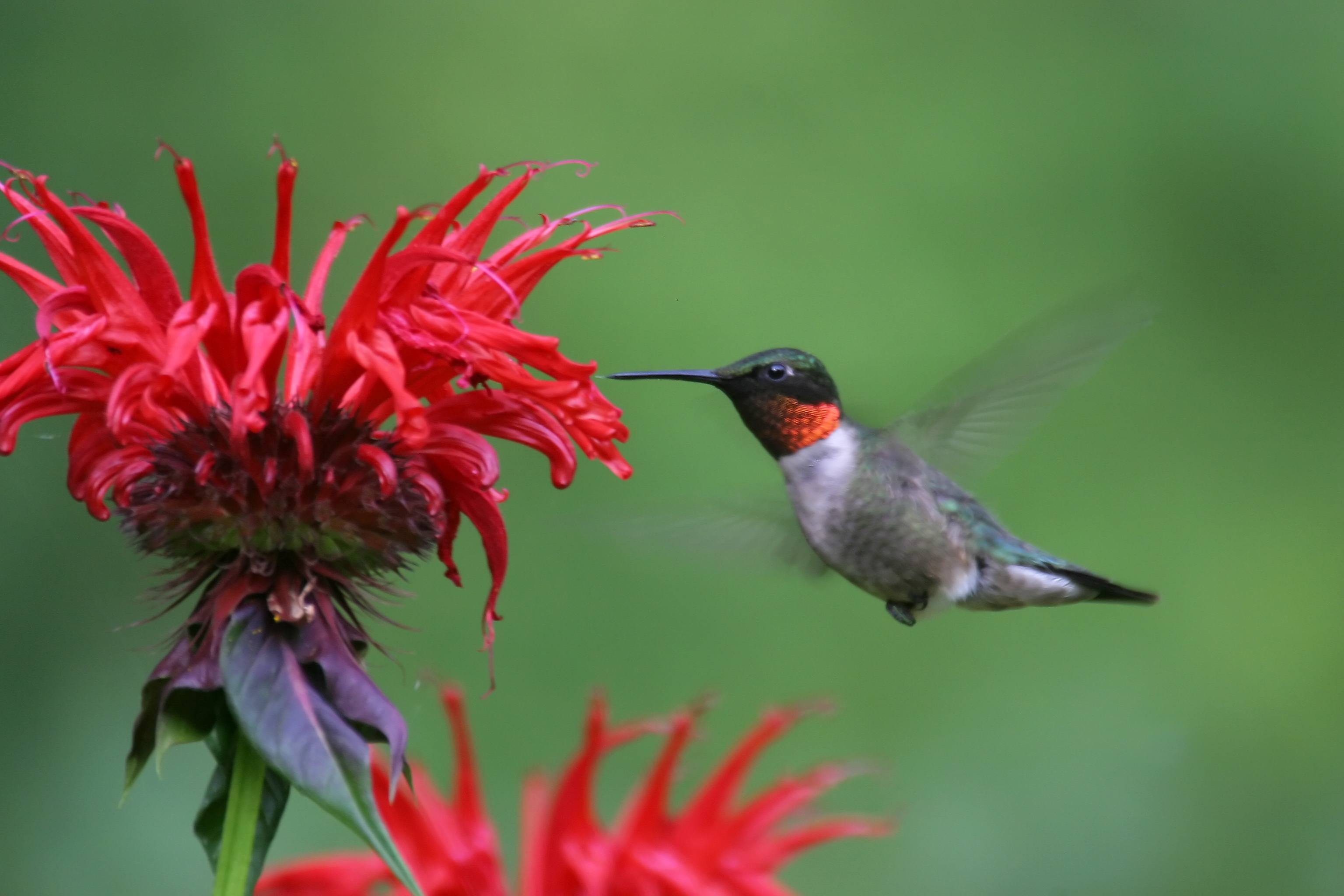
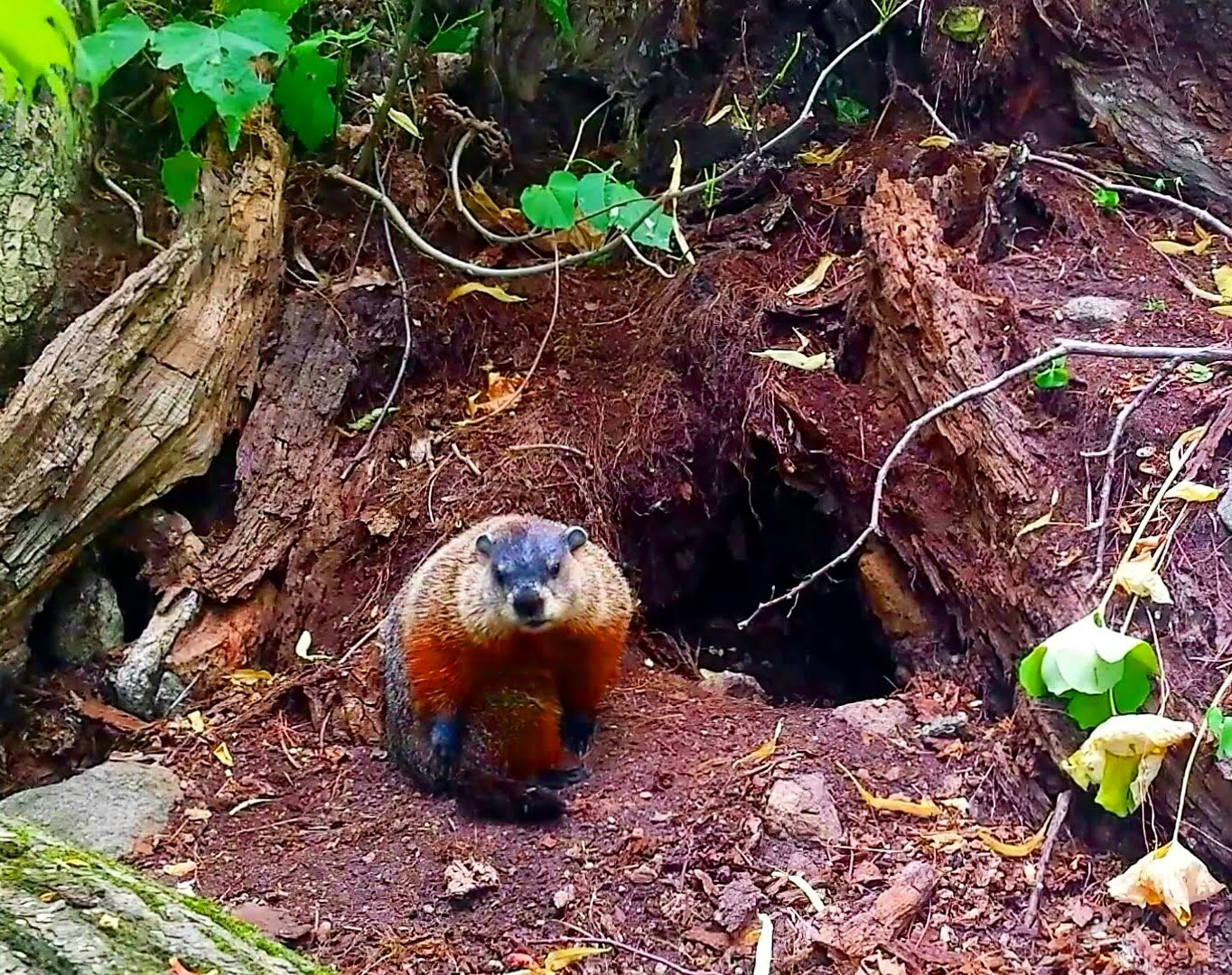
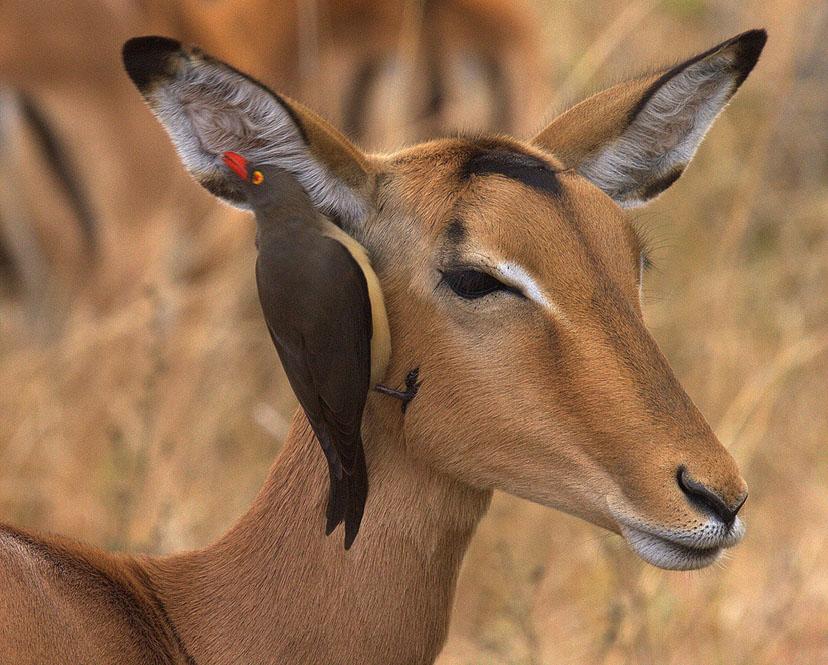
Select ALL that are true about angiosperms.
Vascular plants
Reproduce by spores
Reproduce by seeds
Seeds are enclosed in fruit
Live only in moist areas
What is the key feature of angiosperm life cycles that gives rise to the seed and its contents?
double fertilization
alternation of generations
seed dispersal
cycads
Algae, and all plants reproduce using:
The alternation of generations
Only asexual reproduction
Only sexual reproduction
Diploid gametes
Gametophytes like spores (n) are:
haploid
diploid
A form of asexual reproduction in which offspring grow from a part of a parent plant.
vegetative reproduction
asexual reproduction
sexual reproduction
acquire
Case Study: Parthenocarpy and the Creation of Seedless Fruits
Parthenocarpy is a remarkable biological process in which a fruit develops without fertilization, meaning no seeds ever begin to form inside it. Many of the “seedless” fruits we enjoy—such as bananas, navel oranges, and seedless persimmons—are produced through this natural or artificially encouraged phenomenon. Because fertilization never occurs, these fruits grow with the same sweetness, size, and nutritional value as normal fruits but remain completely seedless, making them more appealing to consumers. Farmers often encourage parthenocarpy through selective breeding, plant hormones, or by cultivating varieties genetically predisposed to this trait. In navel oranges, for example, the fruit develops from a mutation that prevents seed formation, allowing growers to propagate the tree through cuttings instead of seeds. Bananas used for food are also parthenocarpic and triploid, meaning they cannot produce viable seeds even if pollination occurs. From a practical standpoint, parthenocarpy allows farmers to grow fruits in environments where pollinators are unreliable or where weather conditions make fertilization difficult. It also ensures consistent fruit quality, size, and texture—important factors in modern agriculture. However, these seedless varieties must be cloned rather than grown from seed, which reduces genetic diversity and makes them more vulnerable to pests or diseases. Still, parthenocarpy remains one of the most useful tools in fruit agriculture, allowing us to enjoy convenient, seedless produce year-round. This unique reproductive strategy highlights how humans and plants have co-evolved, shaping crops to fit our dietary preferences while relying on the natural flexibility of plant biology.
What is the primary reason why seedless fruits like bananas and navel oranges are more appealing to consumers?
They are sweeter than seeded fruits.
They are easier to eat without seeds.
They have a longer shelf life.
They are more nutritious than seeded fruits.
Parthenocarpy is a process where fruits develop without (a)
Which of the following is NOT a method used to encourage parthenocarpy?
Selective breeding
Use of plant hormones
Genetic modification
Natural pollination
Navel oranges develop from a mutation that prevents (a) formation.
Case Study: The Unique Strengths and Weaknesses of Dog Vision, Hearing, and Smell
Dogs experience the world very differently from humans because their senses have evolved for tracking, hunting, and communication, not reading or color recognition. Their vision is strongest at detecting motion, especially in dim light, thanks to a high number of rod cells and a reflective layer behind the retina called the tapetum lucidum. Dogs see fewer colors than humans—mostly blues and yellows—because they lack the third cone cell needed for full color vision, making them weaker at distinguishing reds and greens. However, this reduced color range allows them to detect movement far better than we can, even at great distances. Their hearing, or audition, is extraordinarily sensitive: dogs can hear frequencies up to 65,000 Hz, compared to a human limit of about 20,000 Hz. They can also move their ears independently, helping them pinpoint the exact direction of a sound with speed and precision. Dogs’ true superpower, though, is their olfaction—their sense of smell. With up to 300 million olfactory receptors (humans have about 5–6 million), dogs can detect scents at concentrations parts-per-trillion, allowing them to find missing people, medical conditions, buried objects, and even emotional changes in humans. Their weak spot is that strong odors or competing smells can overwhelm or confuse them, and scent work is easily disrupted by wind or temperature changes. Together, a dog’s senses form a remarkable system: weaker color vision but powerful night sight, astonishing hearing, and one of the most advanced noses in the mammal world. These strengths and weaknesses make dogs uniquely gifted companions in search-and-rescue, medicine, tracking, and everyday life.
What is the primary reason dogs have better night vision than humans?
They have a high number of rod cells and a tapetum lucidum.
They can see a wider range of colors.
They have 300 million olfactory receptors.
They can hear frequencies up to 65,000 Hz.
Dogs can hear frequencies up to (a) Hz.
Which sense is considered a dog's 'superpower'?
Olfaction
Vision
Hearing
Touch
What is the job of the stem?
to make seeds for the plant
to make food for the plant and take in air
to help the flower reproduce
to support the plant and help deliver food, minerals, and water to other parts of the plant
to anchor the plant in place, soak in water, and store food for the plant
What is the job of the leaves?
to make seeds for the plant
to make food for the plant using the sun's light, and to take in air
to help the flower reproduce
to support the plant and help deliver food, minerals, and water to other parts of the plant
to anchor the plant in place, soak in water, and store food for the plant
Case Study: Why Many Flowers Are Named After the Virgin Mary
Throughout Christian history, countless flowers have been named after the Virgin Mary because people saw in them symbols of her virtues—purity, humility, compassion, and maternal love. During the Middle Ages, monks, nuns, and laypeople used plants to teach Scripture and theology, creating a “Mary Garden” tradition in which nearly every flower symbolized an aspect of her life. For example, the Madonna Lily (Lilium candidum) became a sign of Mary’s purity; its species name candidum means “shining white” from Latin candidus. Our Lady’s Tresses, or Lady’s Tresses orchids (Spiranthes spp.), were named for their spiral arrangement resembling braided hair, symbolizing Mary’s humility. Marigold, originally “Mary’s Gold,” refers to Tagetes erecta and related species; medieval Christians offered these bright gold flowers to Mary in place of costly coins. The Rose of Mary, now often called rosemary (Salvia rosmarinus), comes from the Latin roots ros (“dew”) and marinus (“of the sea”), tying Mary to the idea of purity and guiding protection. Even Our Lady’s Slipper (Cypripedium calceolus), a type of orchid, gained its name because its pouch-like shape looked like Mary’s slipper in medieval stories. Over time, these associations turned gardens into living catechisms—visual reminders of Mary’s virtues, accessible to everyone, even the illiterate. Botanists later preserved many of these names in scientific literature, connecting faith traditions with plant biology. Today, these flowers remain both cultural treasures and biological wonders, showing how human imagination and nature intertwine to honor the Mother of God.
Throughout Christian history, countless flowers have been named after the Virgin Mary because people saw in them symbols of her virtues such as (a) , humility, compassion, and maternal love.
Why were flowers named after the Virgin Mary during the Middle Ages?
Which flower was named after the Virgin Mary due to its spiral arrangement resembling braided hair?
Madonna Lily
Our Lady’s Tresses
Marigold
Rose of Mary
The species name of Madonna Lily, 'candidum,' means (a) in Latin.
Which flower’s name is derived from the Latin words 'ros' and 'marinus,' meaning 'dew' and 'of the sea'?
Rose of Mary
Our Lady’s Slipper
Madonna Lily
Marigold
Case Study: The Amazing Power and Relevance of Plant Auxins
Auxins are one of the most important and fascinating plant hormones because they act like the plant’s internal “growth directors,” guiding how stems, roots, leaves, and even fruits develop. Produced mainly in young shoots and leaf tips, auxins help plants bend toward light in a process called phototropism, allowing them to maximize energy for photosynthesis. They also control gravitropism, helping roots grow downward into the soil while stems grow upward toward the sky. Auxins regulate cell elongation, meaning they influence how tall a plant grows and how quickly new tissues form. Gardeners and farmers use synthetic auxins to stimulate root formation in cuttings, make trees grow in certain shapes, or even prevent fruit from dropping too early. In agriculture, auxins are crucial for producing seedless fruits through controlled growth processes, showing how deeply they affect the foods we eat. Auxins also help determine whether a bud will remain dormant or grow into a new branch, shaping the entire architecture of a plant. At the ecosystem level, auxins help plants adapt when damaged—guiding new tissue to form and redirecting growth hormones to healthier regions. Some herbicides work by overwhelming plants with artificial auxins, causing uncontrolled growth that weeds cannot survive. Scientists continue to study auxins because understanding their pathways could lead to stronger crops, faster reforestation, and improved food security. Ultimately, auxins reveal the hidden intelligence of plants—quietly coordinating growth, communication, and adaptation in ways that make plant life both resilient and extraordinary.
Auxins help plants bend toward light in a process called (a)
Which of the following is NOT a function of auxins?
Regulating cell elongation
Stimulating root formation
Producing seedless fruits
Photosynthesis
Auxins are primarily produced in which part of the plant?
Roots
Young shoots
Mature leaves
Flowers
A botanist discovers a plant that reproduces by spores and has no flowers. This plant most likely belongs to
Angiosperms
Gymnosperms
Pteridophytes
Dicotyledons
A plant produces naked seeds on cones but no flowers. Which feature places it among gymnosperms rather than angiosperms?
Its lack of roots
Its use of cones instead of fruits
Its large leaf size
Its rapid life cycle
If a crop has fibrous roots and parallel leaf veins, which classification fits it best?
Monocotyledons
Dicotyledons
Gymnosperms
Bryophytes
Case Study: The Wonders of the Green Revolution
The Green Revolution was a remarkable period in the mid-20th century when scientists, farmers, and governments worked together to dramatically increase global food production. Through the development of high-yield crop varieties, especially wheat and rice, the world learned how to grow more food on less land. Agricultural researchers like Norman Borlaug, often called “the man who saved a billion lives,” introduced disease-resistant wheat varieties that doubled or even tripled harvests in countries facing famine. New irrigation systems, fertilizers, and farming tools made it possible for nations such as India, Pakistan, Mexico, and the Philippines to become food-secure for the first time in modern history. For many regions, the Green Revolution transformed chronic hunger into agricultural independence. These innovations helped support a rapidly growing global population, allowing billions of people to survive and thrive. At the same time, the Green Revolution showed how science, technology, and global cooperation can work together to solve humanitarian challenges. While the movement also brought new questions about sustainability, soil health, and equity, its achievements remain one of the greatest triumphs in human history. Today, modern agriculture continues to build on the Green Revolution’s legacy as researchers explore drought-tolerant crops, precision farming, and environmentally friendly technologies. The story of the Green Revolution ultimately reminds us that innovation in agriculture can change the world—and that feeding humanity requires both scientific courage and global collaboration.
The Green Revolution introduced high-yield crop varieties such as wheat and (a) .
Which of the following was NOT a direct result of the Green Revolution?
Increased global food production
Development of disease-resistant crops
Introduction of precision farming
Transformation of famine-stricken countries into food-secure nations
What Is Monoculture in Farming?
Monoculture is a farming method in which a single crop—such as corn, wheat, rice, or soybeans—is grown on the same land year after year. Many of the foods we eat every day come from monoculture systems, including bananas, apples, potatoes, and even large fields of strawberries or oranges. Farmers use monoculture because it makes planting, harvesting, and managing crops more efficient, allowing them to produce huge amounts of food for the world. However, relying on just one crop has important risks. A monoculture field attracts pests and diseases that target that specific plant, and without the protection of biodiversity, these threats can spread quickly. The soil can also become depleted because the same crop removes the same nutrients every season, leading farmers to rely heavily on fertilizers. Over time, monoculture can reduce wildlife diversity and weaken the long-term health of farmland. This farming practice shows how modern agriculture must balance high productivity with strategies that protect soil, ecosystems, and the future of our food supply.
What is monoculture in farming?
A farming method where multiple crops are grown together.
A farming method where a single crop is grown on the same land year after year.
A farming method that avoids the use of fertilizers.
A farming method that focuses on wildlife diversity.
What is one major risk associated with monoculture farming?
It increases biodiversity.
It attracts pests and diseases specific to the crop.
It eliminates the need for fertilizers.
It improves soil health over time.
Why do farmers use monoculture farming?
It reduces the efficiency of planting and harvesting.
It allows them to produce large amounts of food efficiently.
It prevents soil depletion.
It increases wildlife diversity.
Gregor Mendel — The Quiet Father of Genetics
Gregor Mendel was a 19th-century Augustinian friar whose curiosity and patience led him to uncover the basic rules of inheritance that now form the foundation of modern genetics. Born in 1822 in Moravia (now the Czech Republic), Mendel grew up on a small farm, where he first developed a love for plants and careful observation. After entering the monastery at Brno, he found an environment that encouraged scientific study, reflection, and education. For eight years, Mendel meticulously bred and tracked over 28,000 pea plants, analyzing traits such as flower color, seed shape, and plant height. Through this work, he discovered consistent mathematical patterns—what we now call the laws of segregation and independent assortment—that showed how traits pass from parents to offspring. Mendel once wrote, “My scientific studies have afforded me great gratification,” revealing the humble satisfaction he found in quiet discovery. His strong spiritual life shaped his scientific approach, as he believed that studying nature was a way of understanding the order God placed within creation. Despite his groundbreaking findings, Mendel’s work went largely unnoticed during his lifetime, and he died in 1884 without realizing its immense importance. It wasn’t until 1900—16 years after his death—that three scientists independently rediscovered his research and recognized its significance. Today Mendel is rightly called the Father of Genetics because he revealed the mathematical laws that explain heredity long before chromosomes or DNA were understood. His blend of faith, perseverance, and scientific rigor reminds us that even quiet work done in obscurity can change the world.
Who is known as the Father of Genetics?
Gregor Mendel
Charles Darwin
James Watson
Francis Crick
What did Gregor Mendel study to uncover the basic rules of inheritance?
Pea plants
Corn plants
Wheat plants
Rice plants
When were Gregor Mendel's findings rediscovered and recognized?
1900
1884
1822
1920
Which of the following plants can perform photosynthesis in their stems... Mark all that apply...
Grasses
Bamboo
Cacti
Sunflowers
Oak Trees
YAY! YOU MADE IT TO THE END OF THIS STUDY GUIDE! Praise the Lord! Now...do me ONE FINAL FAVOR (adjust your computer settings/allow/enable videoing to)

