
 Worksheets
Second Semester Final Review
Total questions: 210
Worksheet time: 11hrs 30mins
True or False
A mushroom is alive.
True
False
Who is Robert Hooke?
Made the three laws of gravity.
Studied individual cells and named the cell.
Helped research body systems and solved many illnesses.
Drew what was first thought of as the fourth dimension.
What is the cell theory?
All organisms are composed of cells.
Cells can be created by atoms forming together with an electrical reaction.
Cells are the basic units of life
All cells have to come from pre-existing cells.
Who developed the microscope??
Anton van Leeuvenhoek
Theodor Schwaan
Michael Jackson
Rudolph Virchow
True or False?
A living organism needs to have metabolism.
False
True
True or False?
A flame is alive.
False
True
What is a prokaryotic cell?
Need a microscope, unicellular, and primitive
Don't need a microscope, multicellular, plants and animals
Need a microscope, made of multiple cells, advanced
What are the classification in order?
Domain
Kingdom
Phylum
Class
Order
Family
Genus
Species
Domain
Family
Species
Class
Order
Kingdom
Genus
Phylum
Domain
Kingdom
Phylum
Order
Family
Class
Species
Genus
Species
Species
Species
Species
Species
Species
Species
Species
What are the two main type of cells?
Prokaryotic and stalkaryotic.
Alive and dead.
Animal and plant.
Eukaryotic and prokaryotic.
If an organism can make its own food, it is called an
(a)
True or False
Plant cells have multiple smaller vacuoles.
True
False
True or False
Plant cells have a cell wall for structure and protection.
False
True
Fact or Cap?
The chloroplast that is inside an animal cell can use the light of the sun to produce energy on its own.
Facts
Cap
What is homeostasis?
The way that an organelle makes it's food.
How an organelle stays balanced.
What an animal uses to move.
How the plant makes photosynthesis.


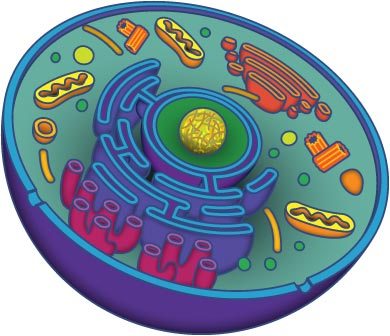

The 3 parts of the Cell Theory are...?
All living things are composed of cells
Cells are the basic units of structure and function in living things
All cells are produced from other cells
All living things are composed of cells
Cells are the basic units of dance and vibes in living things
All cells are destroyed from other aliens
All living things are composed of Jell-O
Cells are the basic units of structure and function in living things
All cells are produced from factories in Canada
All living things are composed of cells
Cells do karate and practice eating whole pies in their free time
All cells are produced from other cells

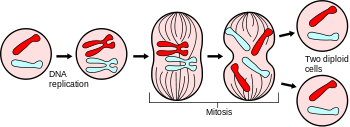
When cells are damaged, new cells are created by cell a process called cell division. How does the cell theory support this fact?
It states that all cells have a nucleus which divides.
It states that all living things are made up of one or more cells.
It states that cells come from previously existing cells.
It states that the basic units of structure and function are cells.
Zoologist (1839) that argued the ideas that all living organisms are made up of one or more cells and that cells are the basic part of all living things
Theodor Swann
Robert Hooke
Matthias Schleiden
Antonie van Leeuwenhoek


Look at the diagram. Which gas would most likely be found in the greatest amount in the bubbles?


Bones
Provides shape & support
Helps you move
Protects organs
Produces blood cells
Hold bones together to form joints.
Cardiac muscles
Stomach
Ligaments
Bones
Muscles inside many internal organs.
Smooth
Cardiac
Skeletal
Controls most functions in the body.
Skeleton
Immune System
Brain
Skin
Lungs
Small blood vessels where materials are exchanged between the blood and the body’s cells (oxygen and carbon dioxide)
Where the exchange of gas occurs. Oxygen enters and carbon dioxide exits.
Muscular tube connecting the mouth to the stomach
Force pathogens out of the body
Neurons
Attached to bone and move bones using tendons
Water absorbed into the bloodstream, remaining material is readied for elimination from the body.
Produce chemical called antibodies to destroy pathogens
Nerve cell specialized to transfer messages in the form of fast-moving electrical energy
Cartilage
Connective tissue that is more flexible than bone
Found only in the heart
Link between brain and the rest of the body
Small blood vessels where materials are exchanged between the blood and the body’s cells
Mouth
Skeletal System
Digestive System
Respiratory System
Circulatory System
Large dome-shaped muscle used in breathing
Diaphragm
Heart
Kidney
Smooth Muscles
Mucus and Cilia
White blood cells that engulf and destroy pathogens
Waste material is compressed into solid form
Trap and remove pathogens that enter the respiratory system
Mechanical and chemical digestion start here
Arteries
Blood vessel that carries oxygen rich blood away from the heart and to the body parts.
Carries oxygen poor blood (with carbon dioxide) back to the heart to be pumped out to the lungs.
Hollow, muscular organ that pumps blood throughout the body.
Small blood vessels where materials are exchanged between the blood and the body’s cells (oxygen and carbon dioxide)
Muscular tube connecting the mouth to the stomach
Esophagus
Small Intestine
Phagocytes
Spinal Cord
Which organ is part of the peripheral nervous system?
Brain
Heart
Nerves
Hair
Most chemical digestion takes place, absorption of nutrients from digested food into the bloodstream
Lungs
Esophagus
Large intestine
Small Intestine
T-Cells
Trap and remove pathogens that enter the respiratory system
Identify pathogens and tell them apart using the pathogens antigens
Produce chemical called antibodies to destroy pathogens
Are a useless part of the body
Skin is what line of defense in the immune system?
First
Second
Third
Seventh
Skeletal muscles are
Voluntary
Involuntary
Sneezing and coughing
is bad for you.
forces pathogens out of your body.
destroys pathogens using antibodies.
is gross.
Mechanical and chemical digestion start here
Stomach
Brain
Mouth
Pancreas
Cartilage
Connective tissue that is more flexible than bones
Produces blood cells
Found only in the heart
Large dome-shaped muscle used in breathing
Which body system protects the organs of the body?
digestive
respiratory
skeletal
muscular
This organ is part of the digestive system.
lung
heart
brain
stomach
What is the function of the respiratory system?
To digest your food
To remove waste from the body
To take in oxygen and remove carbon dioxide
To fight disease
What is the function of the digestive system?
It transports blood and oxygen to your cells
It breaks down food so the nutrients can be absorbed by your body
It helps you breathe by taking in oxygen and transporting carbon dioxide out of your body
It helps you move
Which system in the human body includes the heart, blood, arteries, and veins?
cardiovascular
muscular
digestive
respiratory
Which statement best describes the relationship between the nervous system and the muscular system?
The nervous system controls the muscular system.
The muscular system controls the nervous system.
The nervous system provides nutrients for the muscular system.
The muscular system provides nutrients for the nervous system.
In what way are the digestive and circulatory systems alike?
Both protect organs in the body.
Both control movement of the body.
Both absorb gases or nutrients into the body.
Both provide structural support for the body.
Which two body systems work together to support the body and allow the body to move?
circulatory and respiratory
digestive and nervous
skeletal and muscular
circulatory and digestive
Which of the following is a component of the circulatory system?
heart
blood vessels
blood
all answers

What type of force is this man using to push his grocery cart?
Normal Force
Gravity
Air Resistance
Applied Force
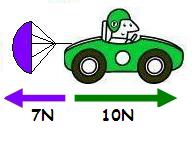
What is the net force?
3 N
3 N, right
17 N, right
3 N, left
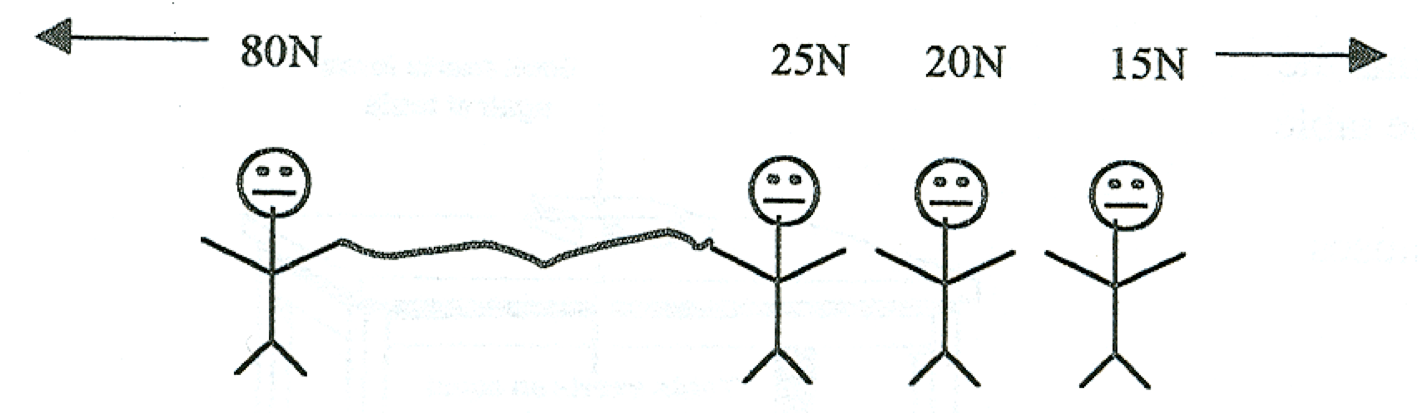

What is the unit to MEASURE force?
Kilogram
Meter
Pounds
Newton

A ____________ is a push or a pull on an object.
friction
force
magnet
gravity
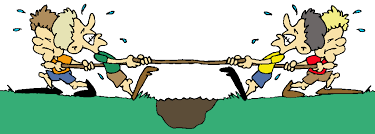


Forces that have a net force of zero Newtons
Balanced force
Unbalanced force
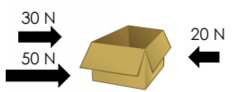


If both forces are going in the same direction you should______ those forces
Add
Subtract
Divide
Multiply
When forces are going in the opposite direction of each other you should do what do find the net force
Subtract
Add
Divide
Multiply
A push or a pull that starts, stops or changes the direction of an object
force
energy
gravity
motion
Can you transfer energy to another object
True
False
MASS x ACCELERATION =
Force
motion
speed
push/pull
Give and example of a force
Gravity
weather
sleeping
swimming

What does this measure
force
weight
mass
The SI unit for force is _______
Newtons
Gravity
Meter
Joules
9.8 newtons is the constant pull of which force.
Gravity
wind
ocean waves
tornado
Determines if and in which direction the object will move (total force)
Net force
Gravity
Push
Pull
If both forces are going in the same direction you should______ those forces
Add
Subtract
Divide
Multiply
When forces are going in the opposite direction of each other you should do what do find the net force
Subtract
Add
Divide
Multiply
What happens to an object if equal forces are pushing from opposite directions?
Does not move
Pushed up
Pushed down
Explodes
An object will move when the forces are
balanced
unequal
When the only force acting on an object is gravity this creates ________
free fall
net force
velocity
speed
An object at rest stays at rest until an outside force acts upon it. Which law?
1st
2nd
3rd
The driving force that keeps an object in motion can be defined as:
gravity
friction
inertia
newtons
The motion of an object depends on the amount of force acting on it. Which law
1st
2nd
3rd
A big boulder requires more force to move than a small rock. Which newtons law applies here
1st
2nd
3rd
no laws apply
For every action there is an equal and opposite reaction. Which law?
1st
2nd
3rd
When you jump on a diving board. You push down on the board and the board pushes you up. Which law applies
1st
2nd
3rd
no law applies
Without air resistance objects drop,
at the same time
faster depending on mass
depends on the object
there will be no gravity
What causes on object so slow down while sliding on a surface?
friction
inertia
momentum
force
The direction of the force of friction is always _____ the direction of motion
similar to
opposite
unchanged in
the same as
Which of the following are lubricants?
oil and butter
sand and sawdust
Which of these materials do you predict would have the MOST amount of friction?
metal
tile
sand paper
plastic
The amount of friction depends on the weight of the objects pressing together and
the volume of the objects
the texture of the surfaces
the color of the objects


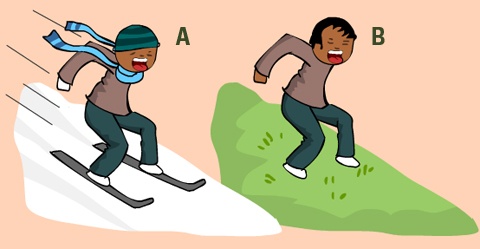
When there is friction, the energy of an object's motion is converted into _______ energy
heat
electric
solar
geothermal
Only solids can produce friction
true
false
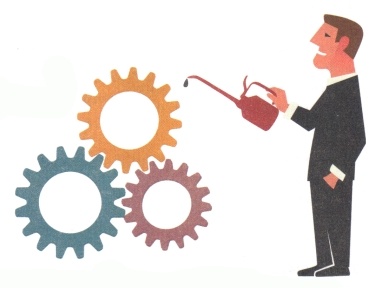
reduce the force (weight) acting between the 2 surfaces
reduce the roughness of the 2 surfaces coming in contact
use wax, grease or oil
all of the above are ways of reducing friction

What type of friction occurs when an object is not moving?
static
sliding
fluid
rolling

The force that causes objects with mass to attract one another.
Weight
Gravity
Mass
Magnetism

The force that pulls two objects towards each other;
the greater the mass of an object, the greater the attraction; the further apart the objects,
the weaker the attraction.
Gravitational Attraction
Gravity
Magnetism
Weight

The law that says every object in the universe attracts every other object, and that the force is affected by mass and distance: the greater the mass of an object,
the greater the attraction; the farther apart the objects, the weaker the attraction.
Newton's First Law of Motion
Newton's 2nd Law of Motion
Newton's 3rd Law of Motion
Newton's Law of Universal Gravitation

The amount of matter in an object.
Weight
Volume
Mass
Capacity

The gravitational attraction between two objects would increase if both masses are –
increased, and the distance between them is increased.
increased, and the distance between them is decreased.
decreased, and the distance between them is decreased.
decreased, and the distance between them is increased.

Why do planets orbit the Sun?
The Sun is the only celestial object that has a gravitational pull.
The Sun’s chemical composition makes it attract planets.
Only celestial bodies that emit light, like the Sun, can be at the center of an orbit.
The Sun is the most massive object in our solar system, so it exerts the greatest gravitational pull.

If the distance between Mercury and the Sun were increased, what could be done to maintain the same gravitational force of attraction between Mercury and the Sun?
Decrease the masses of Mercury and the Sun.
Decrease Mercury’s speed of orbit around the Sun.
Increase the masses of Mercury and the Sun.
Increase Mercury’s speed of orbit around the Sun.

Gravity can be defined as the –
force of attraction between two or more masses.
friction created when two objects are in contact.
energy given off by stars due to nuclear reactions.
path an object follows as it moves through space.
Which of the following would have the smallest gravitational attraction between the two masses?


In which example is the gravitational force of attraction between the two objects the greatest?
Example 1
Example 2
Example 3
Example 4
What is magnetic force?
A force exerted by electrically charged particles
The attractive and repulsive forces between two poles
A force exerted by magnets that makes an object become electrically charged
A force exerted by a magnet only when it physically touches an object
Which of the following is not a good conductor?
Copper
Silver
Aluminium
Plastic
Particles with opposite charges ____________ and particles with same (or like) charges ____________.
attract, repel
repel, repel
attract, attract
repel, attract
Which part of a circuit is responsible for "pushing" charges around a circuit?
Electrical devices
Power source
The wire
None of the above
What happens to the strength of a magnetic field as you move away from the magnet?
The strength of the magnetic field increases.
The strength of the magnetic field doesn't change.
The strength of the magnetic field is doubled.
The strength of the magnetic field decreases.
What is a magnetic material?
A material that becomes positively charged when a magnet is brought near it.
A material that produces a magnetic force.
A material that becomes negatively charged when a magnet is brought near it.
A material that is attracted or repelled by a magnet.
What is the difference between a conductor and insulator?
conductor: allows electricity to flow easily.
insulator:does not allow electricity to flow easily
conductor: does not allow electricity to flow easily
insulator: allows electricity to flow easily
How can you make a magnetic material a temporary magnet?
heat it
drop it
strike it on a magnet in the same direction
electrify it
What happens if you cut a magnet in half?
Nothing
The magnets repel
There will be two magnets
An object with two poles and its own magnetic field is called a what?
electromagnet
magnet
circuit
magnetic material
Where does a compass well when navigating the Earth? Where does a compass not work well on the Earth?
well: near the poles
not well: away from the poles
works well everywhere
well: away from the poles
not well: near the poles
well: everywhere
not well: space
Which is not a way to strengthen an electromagnet?
Use a bigger power source
Use a plastic wire
Use a bigger magnetic material
Wrap the wire around the magnetic material more times.

The picture above is an example of what?
Magnetic field
Electric field
Repulsion
Attraction

What would happen with the magnets in the picture above?
They would repel
Nothing
They would attract
They would repel and then attract
What must the electrons do in an object to give it a magnetic field?
Flow in the same direction
Flow in the opposite direction
Collide into one another
Equal the number of protons and neutrons

Why are these magnets not touching?
They are like poles and are repelling
They are opposite poles and are repelling
There is an electric field

This picture is an example of an:
electromagnet
electric circuit
electric nail
electric power cell

Earth's magnetic field and a bar magnet attract particles to the same locations. Where are they?
the middle
the north and south poles
all around the outside
first to the middle then to the ends
Where is the force of attraction the strongest on a magnet?
at the poles
above the magnet
below the magnet
in the middle
What is an electromagnet?
a magnet that creates an electric current
a magnet created by an electric current
a magnet that has an electric charge
an electric charge that is magnetic
Electricity is the flow of _____________.
protons
electrons
neutrons
matter

What is a circuit that only has ONE path for electricity to flow?
Series Circuit
Parallel Circuit
Closed Circuit
Light Bulb
Which best describes a simple series circuit?
Electricity flows along one pathway.
Electricity flows along many pathways.
The flow of electricity comes from the switch.
The flow of electricity comes from the light bulb.

Look at the picture. Why won't the light bulb light up?
The wires from the light bulb are not connected to the battery
There is no switch
The circuit will work
There is no power source

What is a circuit that has multiple pathways for electricity to flow?
Series Circuit
Parallel Circuit
Light Bulb
Closed Circuit
True or False: A current-carrying wire produces a magnetic field.
True
False
Which of the following describes both an electromagnet and a permanent magnet?
The poles can be reversed.
The strength of the magnetic force can be controlled.
The magnetic force can be turned off and on
It has a north pole and a south pole.
True or False: The strength of an electromagnet can be increased by reducing the number of turns on the wire coil so that more current can flow.
True
False
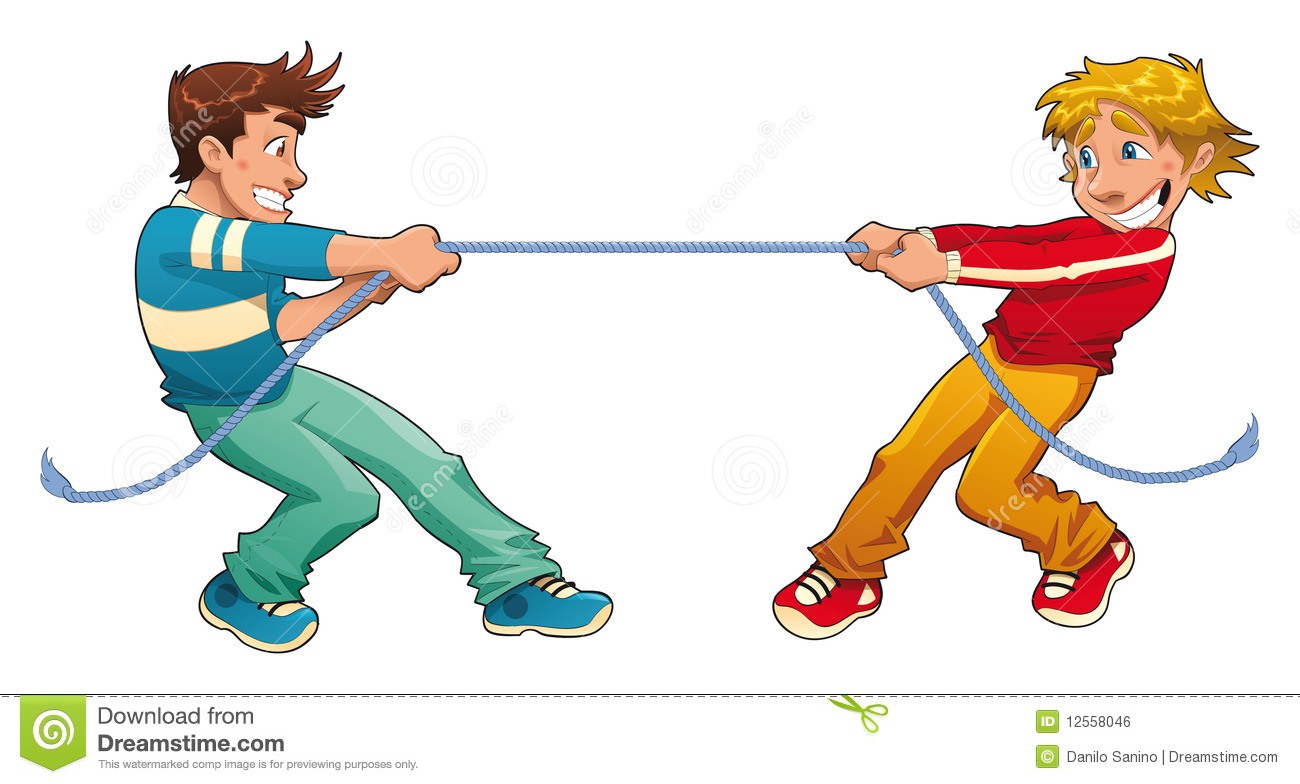


? = mass x acceleration
or
? = m x a
is used to find
1st
Law of Motion
2nd
Law of Motion
3rd
Law of Motion


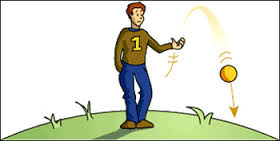
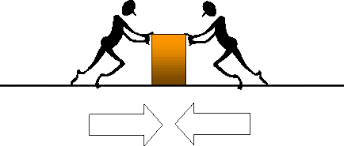
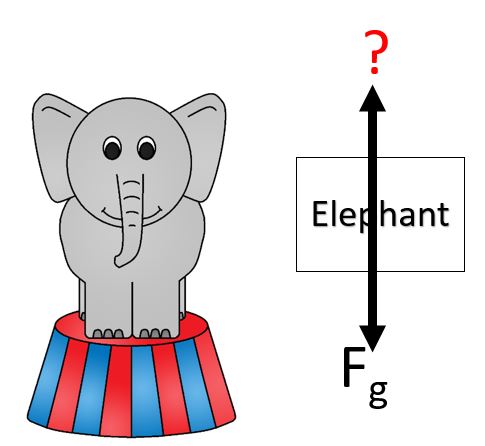


A squirrel sits on the ground and eats a donut. We know the forces on him must be balanced because...
Forces are always balanced
the squirrel is not accelerating
squirrels are projectiles
he's eating a donut


A 20 kg bike accelerates at 10 m/s2. What was the force?
30 Newtons
2 Newtons
200 Newtons
10 Newtons

Identify this type of cell.
animal
plant
protist
bacteria
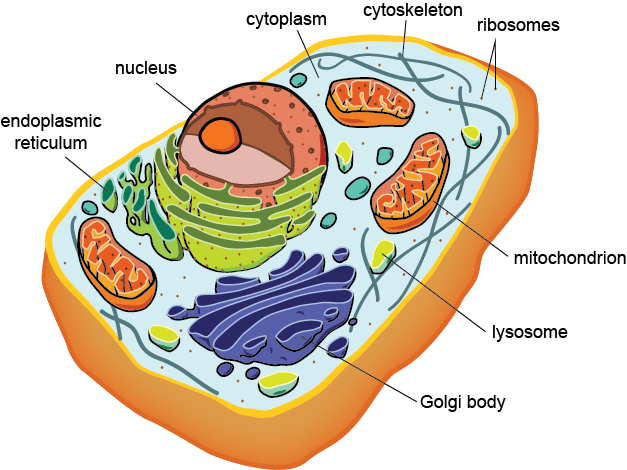
The "garbage can" of the cell; digestion and waste removal.
cell wall
cell membrane
lysosome
nucleus
Makes protein for the cell.
ribosome
mitochondria
endoplasmic reticulum
cell membrane
Packages and transmits cellular materials throughout the cell.
golgi bodies
plant cell
endoplasmic reticulum
organelles
What is the product of cellular respiration? Energy in the form of __________?
ATP
USD
LPS
True or False?
You are going to ace the Finals!
TRUE!
false (Hint: this is not the right answer)
You got this!
Slay!!!!

