
 Worksheets
Lesson 3 review
Total questions: 15
Worksheet time: 8mins
A friend new to exercise asks where to begin. Which first step best supports a safe starter fitness plan?
Jump into daily high-intensity workouts immediately
Schedule rest days but skip warm-ups entirely
Set clear goals and start with low-impact activities
Train only one muscle group with heavy weights

Which step should come first when building a fitness plan?
Choose activities by friend suggestions
Determine the specific fitness goal
Buy equipment before starting
Schedule workouts without a goal
A student with limited money and no nearby gym wants to improve health safely. Which choice best fits personal factors?
Join a costly indoor cycling studio
Run on a busy street at rush hour
Rent or borrow simple equipment
Swim alone where there’s no lifeguard
Which principle is best demonstrated when a swimmer adds more laps each week to gradually increase challenge without sudden jumps?
Specificity focuses on targeted activity types
Overload requires sudden extreme effort increase
Progression involves gradual demand increases
Regularity means identical weekly routines
A student wants to improve flexibility. Which choice most directly applies the principle of specificity?
Run longer distances three times weekly
Lift heavier weights every workout
Do yoga sessions targeting flexibility
Change exercises randomly each month
You currently do two light workouts weekly and have stopped seeing progress. Which plan best applies overload while staying safe?
Double the intensity and duration immediately
Add one session and slightly increase effort
Keep your routine unchanged for several months
Switch sports without increasing effort

A squat workout increases from Week 1: 3 sets of 10 reps, to Week 2: 3 sets of 12 reps, to Week 3: 4 sets of 12 reps. Which fitness principle does this most clearly demonstrate?
Specificity and overload
Overload, progression, and regularity
Regularity and specificity
Progression
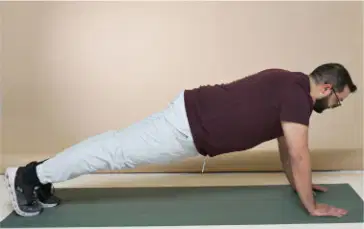
David has stalled on pushups. He begins doing each rep slower, taking 3 seconds down and 3 seconds up. Which principle is he applying, and is progress likely?
Specificity applied; progress unlikely without variety
Overload applied; progress likely with consistent practice
Progression ignored; progress unlikely without more rest
Reversibility applied; progress likely during detraining
Which component of the F.I.T.T. formula asks, "How difficult will your workout be?" including weights used and training heart rate?
Frequency of weekly sessions
Intensity of exercise effort
Type of activity selected
Time duration of each session
After exercising, which cool-down outcome best describes the purpose of low-level activity at the end of a session?
Return heart rate and temperature to normal
Increase muscle fiber recruitment to maximum
Maintain peak breathing rate for endurance
Elevate blood pressure to training levels
Which component of the FITT formula specifies how hard an exercise should be performed?
Frequency of sessions each week
Intensity or effort during workouts
Time spent per training session
Type or mode of the activity
A 16-year-old gamer aims to run a 5K in 8 weeks but currently cannot run 1 mile. Which adjustment best fits the Intensity element for the first two weeks?
High-intensity intervals every session
Moderate, conversational-pace jogs
Max effort sprints on a track
Race-pace runs for full distance
For a 16-year-old new to exercise and anxious to start, which Frequency is most appropriate in week one?
Seven days with double sessions
Four to five moderate days
One high-intensity day only
Two to three light days
A 17-year-old band member wants endurance to play drums longer. Which Time prescription supports this goal early in training?
Five-minute sessions with rest breaks
Thirty to forty minutes continuous practice
Ninety minutes maximal effort drumming
Two hours of strength-only workouts
Which activity best aligns with a goal to improve cardio endurance while strengthening leg muscles?
Slow yoga sessions indoors
Interval cycling on city bike paths
Light upper‑body resistance bands
Casual recreational swimming laps

