
 Worksheets
The Human Body
Total questions: 94
Worksheet time: 52mins
muscular tissue of the heart that contracts rhythmically and continuously
cardiac muscle
femur
axial bones
tissues
to bring together, shorten, or tighten
organ
contract
function
circulate
strong elastic tissue that can be found in places like the tip of the nose and the top of the ear
cells
ligaments
cartilage
tissue
body tissue made of long cells that can contract and relax to produce motion
axial bones
muscles
nerves
skeleton
the skull, the hard bones that protect the brain and give the head its shape
rib cage
tibia
cranium
femur
bundles of fibers throughout the body that transmit information to the brain and the spinal cord
nerves
muscles
red blood cells
spinal cord
masses of cells that have a specific structure and come together to form organs
cells
muscles
bones
tissues
head
skull
pelvis
humerus
fibula
muscles that can be controlled by someone's own choice
voluntary muscles
involuntary muscles
belly
sternum
stomach
skull
skeleton
to break down food in the stomach so it can be used by the body
axial
voluntary
automatic
digest
to move around in a loop or circle
circulate
digest
function
exercise
done without thinking
notice
automatically
voluntary
deliberate
muscles that cannot be controlled by someone's choice, they work automatically
the backbone, the series of vertebrae that extend from the neck to the tailbone
spinal column
ribs
breastbone
the smallest units that make up living things and are microscopic
small bones that are part of the spinal column or backbone
major parts of the body formed by tissues that perform specific functions
the bones that are located down the center of a vertebrate's body
axial bones
Which bone is NOT part of the axial bones?
ribs
skull
vertebrae
the strong tendon joining the muscles in the calf of the leg to the bone of the heel
the small, “outside bone” in the lower part of your leg
shoulder blade
hip bones
shinbone
smaller body parts that are attached to the main body; things that are attached to, or are a part of, a more significant or important thing
bones that are attached to and hang from the main part of a skeleton
the long bone found in the thigh; the thighbone
the area where two bones come together: where two or more things come together
short and tough bands of flexible tissue that join two bones or pieces of cartilage and hold together joints
what your bones are made of
cartilage
calcium
citric acid
cotton
made with milk
meat
dairy
vegetables
fiber
a powerful, invisible ray of light that can pass through objects to show the inside, such as the inside of the human body
able to move and bend easily
a hero of the Trojan War in Greek mythology; could only be killed by a wound just above his heel
How many bones are in your body?
What are the two bones in the lower arm called?
Radius and Ulna
Tibia and Fibula
Femur and Humerus
Tissue found in some bones that makes blood cells
bone marrow
joints
tendons
ligaments


What bone is shown in red?
patella
pelvis


What system does the muscular system work in conjunction with to allow our body to move?
Digestive
Respiratory
Skeletal
Circulatory

Which of the following connects muscles to bones?
Cartilage
Ligaments
Tendons
Joints

Which of the following is a job of your skeletal system?
Breaking down food
Moving food through your body
Controlling your body
Making blood cells

Which is NOT a job of your skeletal system?
Pumping blood around your body
Supporting your body
Protecting organs
Helping you move

How do your skeletal and muscular systems work together?
Your skull protects your brain
Your heart pumps blood
Muscles move your bones
Your brain controls your muscles

What does it mean if a muscle is voluntary?
It never gets tired
It has been injured
You cannot control it consciously
You can control it consciously

Where would you find cardiac muscle?
Your heart
Your brain
Your lungs
Your biceps

All muscles work by
Relaxing
Contracting
Twisting
Getting longer

Which 2 muscles work to move your arm?
Biceps and triceps
Abs and glutes
Hamstring and quadriceps
Femur and humerus

What does it mean if a muscle is involuntary?
You can control it consciously
It has stopped working
You cannot control it consciously
It has been injured

Which of the following is correct?
Your skull protects your brain
Your vertebrae protect your lungs
Your femur protects your heart
Your biceps protects your stomach

What is a ligament?
They connect muscles to each other
They connect bones to each other
They make blood cells
They store minerals

Any place 2 or more bones meet is called a
Tendon
Ligament
Joint
Muscle

Your bones are held together by rubber band like tissues called
Tendons
Ligaments
Filaments
Cartilage

Which bones protect your spinal cord?
Skull
Ribs
Vertebrae
Humerus

What bone is this?
Thoracic
Scapula
Clavicle
Sacrum
The skeletal system is a ______ structure that holds the body up and protects the internal organs.
spongy tissue
cartilage
rigid
muscular
The bone marrow makes _______________________ cells.
Which set of bones is in your back and holds up your body?
skull
spine
joint
arm
Your skeleton
supports & shapes the body
works with muscles to help you move
helps protect important organs
makes blood
all of the above
Bones are alive and can heal.
True
False
The ________ is a set of bones in your chest that protects your heart & lungs.
skull
ribcage
femur
What protects the spinal cord?
vertebrae
body
ribcage
What mineral helps keep your bones healthy and strong?
iron
zinc
calcium
What happens as you grow and change?
your bones stay the same
your bones get smaller
your bones don't need calcium when you're a grown up
your bones grow and change too
The smallest bone in your body is inside your ear. Which is the biggest bone?
a rib in your ribcage
the thighbone in your leg
the jawbone in your skull
a wrist bone in your wrist
Which of these events would happen FIRST?
a child breaks their arm
a child falls off a scooter
a child goes to the doctor
a child get a cast for their arm
The tibia and ___, form the skeleton of the leg.
femur
fibula
radius
ulna
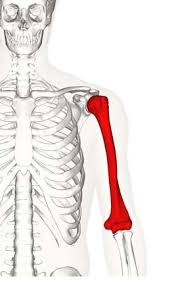
Which bone is highlighted
humerus
fibula
radius
ulna
tibia
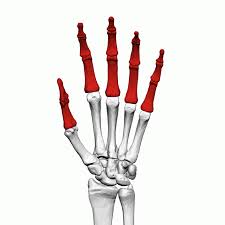
Which bones are highlighted
phalanges
carpals
metatarsals
metacarpals
The hip is an example of what joint?
saddle
ball and socket
pivot
gliding
The elbow can be considered what 2 types of joints?
hinge
pivot
ball and socket
gliding
The fingers and toes are considered what type of joints?
pivot
gliding
saddle
hinge
The knee is considered what type of joint?
ball and socket
pivot
hinge
saddle
The shoulder is an example of what joint?
saddle
ball and socket
hinge
gliding
We are born with more bones at birth. Where do they go as we age?
they disintegrate
they fuse together
they fall out of our pockets
this is false. We are born with 206 bones
What do red blood cells do?
clot blood
carry oxygen
fight off infection
are made in the bone marrow

