wayground logo

Free Printable Worksheets

NEW

Font size

S
M
L
XL
Worksheets

Comp Superficial Skeletal Muscles Assessment

Total questions: 65

Worksheet time: 33mins

Name
Class
Date
1.

What is the primary action of the RIGHT sternocleidomastoid muscle?

a)

Same/Ipsilateral neck rotation

b)

OppositeContralateral neck rotation

c)

Neck Extension

d)

Shoulder Elevation

2.
Which muscle is responsible for scapular elevation?
a)
Trapezius (upper fibers)
b)
Trapezius (middle fibers)
c)
Trapezius (lower fibers)
d)
Sternocleidomastoid
3.
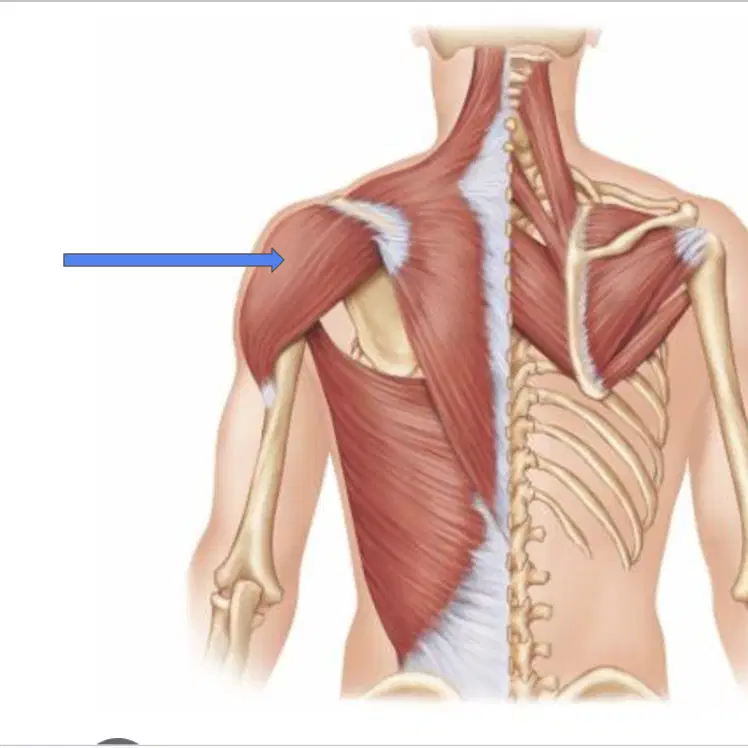
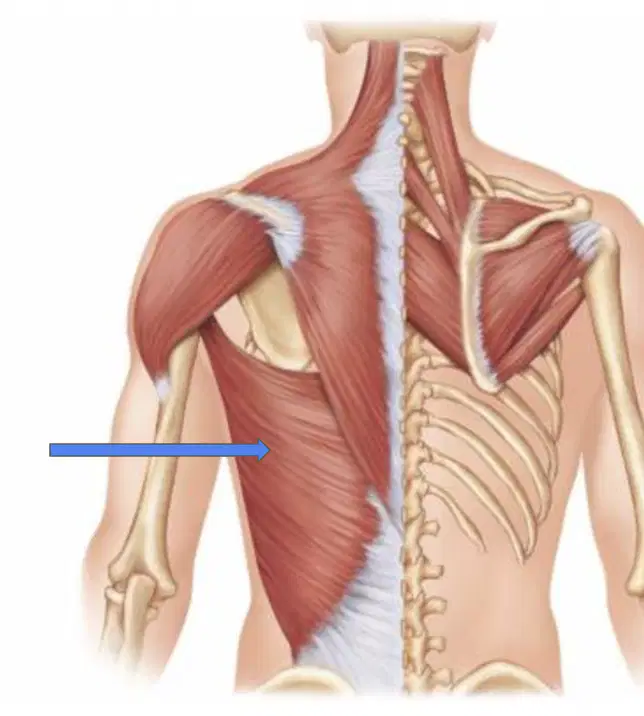
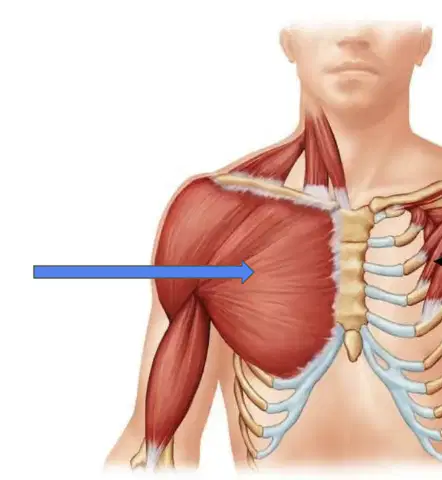
Which muscle is indicated by the arrow?
a)
Trapezius
b)
Deltoid
c)
Pectoralis Major
d)
Latissimus Dorsi
4.
Which muscle is indicated by the arrow?
a)
Trapezius
b)
Deltoid
c)
Pectoralis Major
d)
Latissimus Dorsi
5.
Which muscle is indicated by the arrow?
a)
Trapezius
b)
Deltoid
c)
Pectoralis Major
d)
Latissimus Dorsi
6.
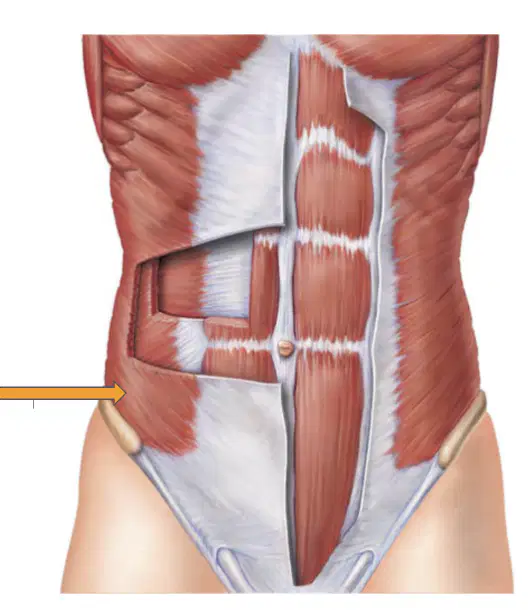
Which muscle is indicated by the arrow?
a)
Rectus Abdominus
b)
Rectus Femoris
c)
Internal Oblique
d)
External Oblique
7.
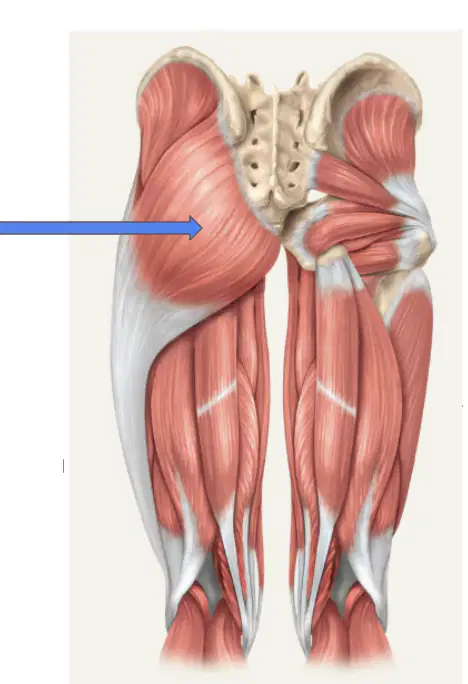
Which muscle is indicated by the arrow?
a)
Gluteus Medius
b)
Hamstring
c)
Gastrocnemius
d)
Gluteus Maximus
8.
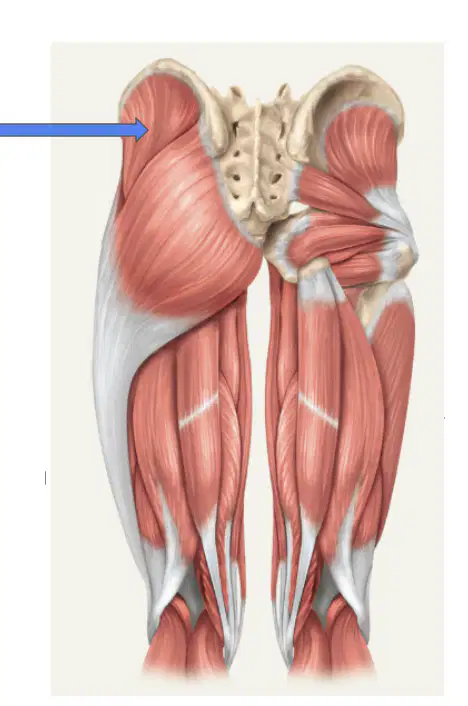
Which muscle is indicated by the arrow?
a)
Gluteus Medius
b)
Hamstring
c)
Gastrocnemius
d)
Gluteus Maximus
9.
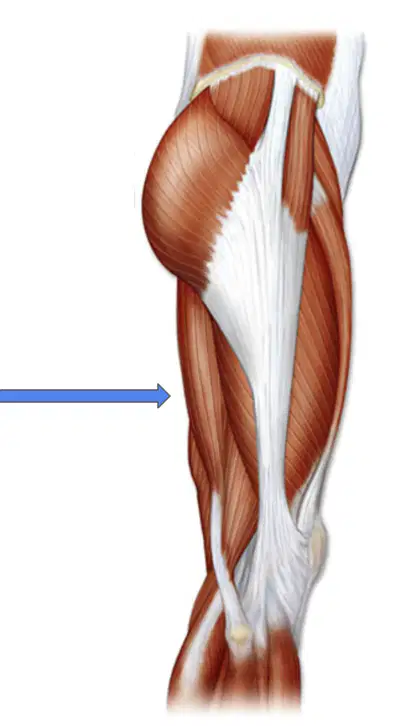
Which muscle is indicated by the arrow?
a)
Quadriceps
b)
Hamstring
c)
Gastrocnemius
d)
Gluteus Maximus
10.
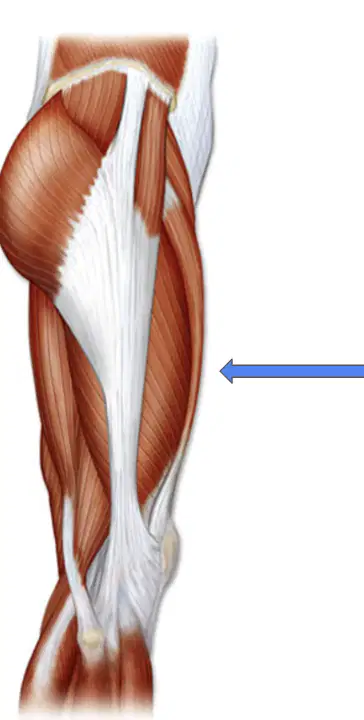
Which muscle is indicated by the arrow?
a)
Quadriceps
b)
Hamstring
c)
Gastrocnemius
d)
Gluteus Maximus
11.
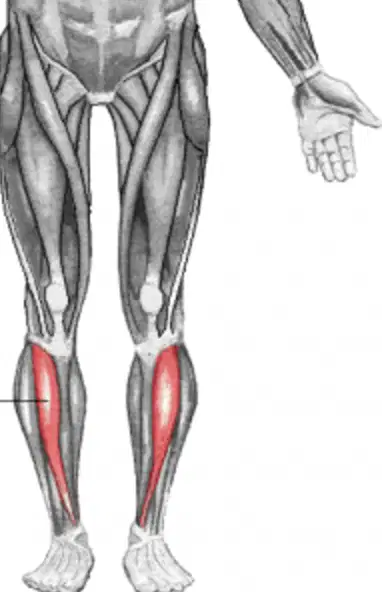
Which muscle is indicated in RED?
a)
Posterior Tibialis
b)
Anterior Tibialis
c)
Gastrocnemius
d)
Soleus
12.
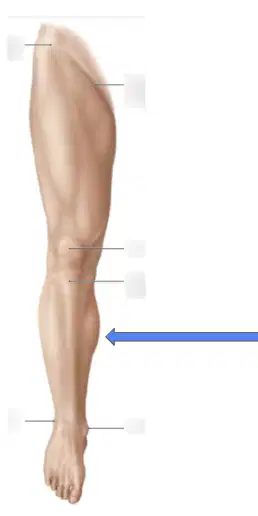
Which muscle is indicated by the BLUE ARROW?
a)
Posterior Tibialis
b)
Anterior Tibialis
c)
Gastrocnemius
d)
Soleus
13.
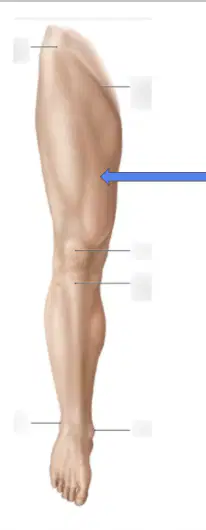
Which muscle is indicated by the BLUE ARROW?
a)
Hamstrings
b)
Anterior Tibialis
c)
Quadriceps
d)
Gastrocnemius
14.
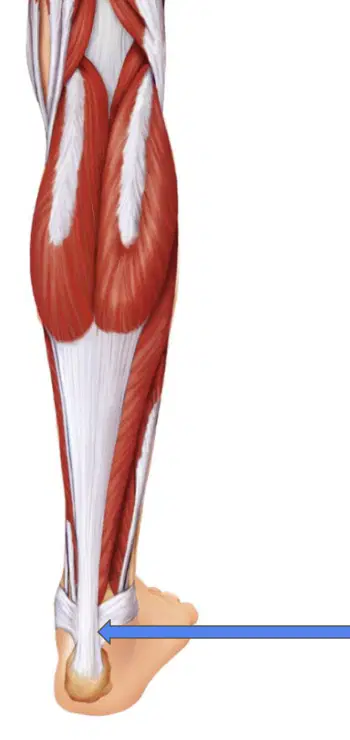
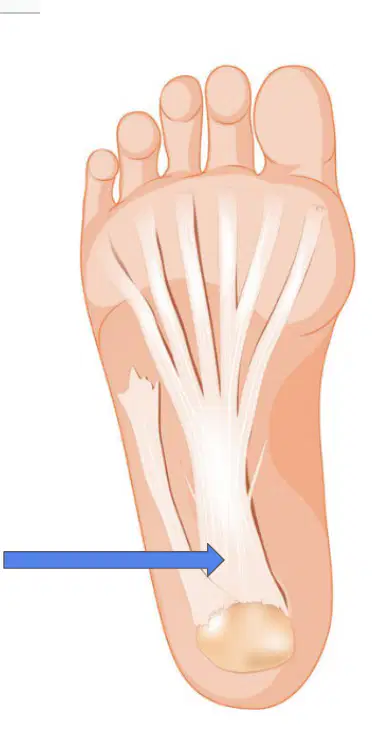
What structure is indicated by the arrow?
a)
Patellar tendon
b)
Plantar Fascia
c)
Achilles Tendon
d)
Wrist Extensors
15.
Which structure is indicated by the ARROW?
a)
Patellar tendon
b)
Plantar Fascia
c)
Achilles Tendon
d)
Wrist Extensors
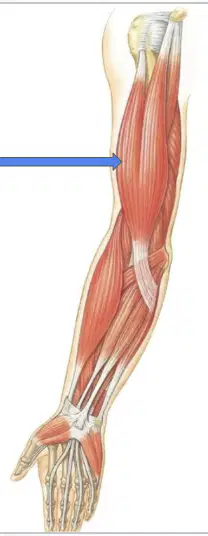
16.
Which structure is indicated by the ARROW?
a)
Biceps
b)
Triceps
c)
Wrist Flexors
d)
Wrist Extensors
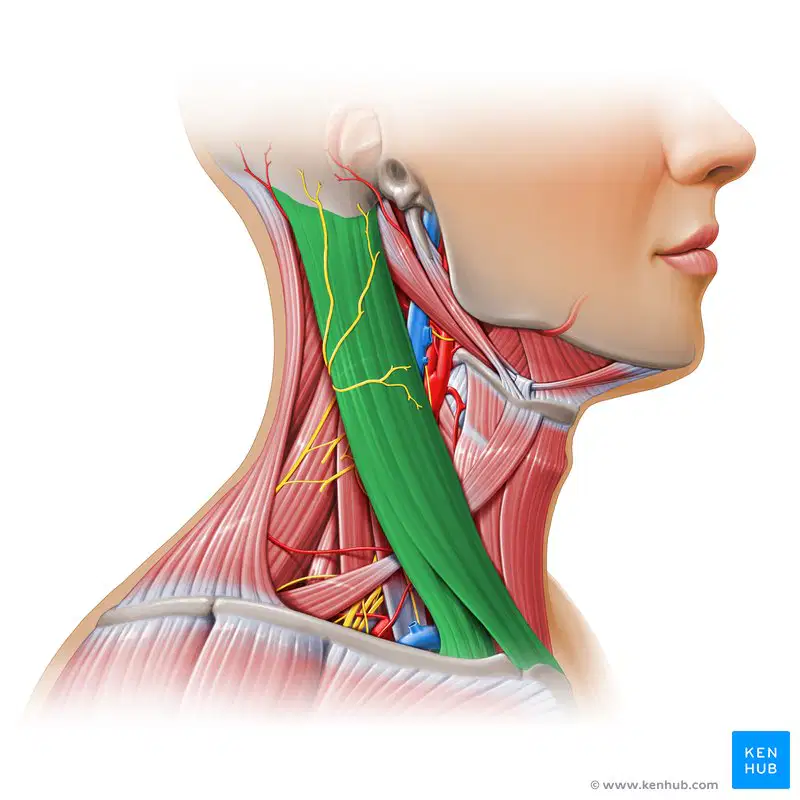
17.
What is the name of the muscle in GREEN?
a)
Trapezius
b)
Deltoid
c)
Pectoralis
d)
Sternocleidomastiod
18.
What is the name of the muscle in RED?
a)
Gluteus Maximus
b)
Gluteus Medius
c)
Hamstring
d)
Quadricep
19.
The primary action of the trapezius (middle fibers) is:
a)
Scapular depression
b)
Scapular elevation
c)
Scapular retraction
d)
Scapular protraction
20.
Which muscle performs scapular depression?
a)
Trapezius (upper fibers)
b)
Trapezius (middle fibers)
c)
Trapezius (lower fibers)
d)
Rhomboid major
21.
The primary action of the rhomboid major is:
a)

Shoulder extension

b)
Scapular elevation
c)

Scapular protraction

d)

Scapular retraction

22.
Which muscle performs scapular retraction and downward rotation?
a)
Rhomboid minor
b)
Trapezius (upper fibers)
c)
Latissimus dorsi
d)
Serratus anterior
23.
The primary action of the latissimus dorsi is:
a)
Scapular retraction and downward rotation
b)
Shoulder extension, adduction, and internal rotation
c)
Shoulder flexion and internal rotation
d)
Shoulder abduction
24.
Which muscle performs shoulder flexion and internal rotation?
a)
Deltoid (middle)
b)
Deltoid (posterior)
c)
Deltoid (anterior)
d)
Teres minor
25.
The primary action of the deltoid (middle) is:
a)
Shoulder flexion and internal rotation
b)
Shoulder extension and external rotation
c)
Shoulder abduction
d)
Shoulder flexion and horizontal adduction
26.
Which muscle performs shoulder extension and external rotation?
a)
Deltoid (anterior)
b)
Deltoid (posterior)
c)
Pectoralis major
d)
Teres major
27.
The primary action of the pectoralis major is:
a)
Shoulder extension and external rotation
b)
Shoulder abduction
c)
Shoulder flexion and horizontal adduction
d)
Scapular retraction
28.
Which muscle performs shoulder adduction, extension, and internal rotation?
a)
Deltoid (posterior)
b)
Deltoid (anterior)
c)
Teres minor
d)
Teres major
29.
The primary action of the supraspinatus is:
a)
Shoulder external rotation
b)
Initiates shoulder abduction
c)
Shoulder internal rotation
d)
Shoulder adduction
30.
Which muscle performs shoulder external rotation as part of the rotator cuff?
a)
Supraspinatus
b)
Infraspinatus
c)
Subscapularis
d)
Teres major
31.
The primary action of the teres minor is:
a)
Shoulder internal rotation
b)
Shoulder flexion
c)
Shoulder external rotation and adduction
d)
Initiates shoulder abduction
32.
Which muscle performs shoulder internal rotation as part of the rotator cuff?
a)
Infraspinatus
b)
Teres minor
c)
Supraspinatus
d)
Subscapularis
33.
The primary action of the triceps brachii is:
a)
Elbow flexion and forearm supination
b)

Elbow extension

c)
Wrist flexion
d)
Wrist extension
34.
Which muscle performs elbow flexion and forearm supination?
a)
Triceps brachii
b)
Biceps brachii
c)
Wrist flexors
d)
Wrist extensors
35.
The primary action of the wrist flexors located in the anterior medial forearm is:
a)
Wrist extension
b)
Wrist flexion
c)
Elbow extension
d)
Elbow flexion
36.

Which muscle group in the posterior forearm is responsible for Tennis Elbow?

a)
Biceps brachii
b)
Triceps brachii
c)
Wrist flexors
d)
Wrist extensors
37.
The primary action of the rectus abdominis is:
a)
Trunk rotation
b)
Trunk lateral flexion
c)
Trunk flexion and compression of abdominal contents
d)
Compresses abdomen and increases intra-abdominal pressure
38.
Which muscle compresses the abdomen and increases intra-abdominal pressure?
a)
Rectus abdominis
b)
External oblique
c)
Internal oblique
d)
Transversus abdominis
39.
The primary action of the internal oblique is:
a)

Trunk rotation to the opposite side/Contralateral

b)

Trunk rotation to the same side/Ispsilateral

c)
Only trunk flexion
d)
Only lateral flexion
40.
Which muscle performs trunk rotation to the opposite side?
a)
Internal oblique
b)
External oblique
c)
Rectus abdominis
d)
Transversus abdominis
41.
The primary action of the serratus anterior is:
a)
Scapular retraction
b)
Scapular depression
c)

Scapular protraction

d)
Scapular elevation
42.
Which of the following muscles is part of the erector spinae group?
a)
External oblique
b)
Internal oblique
c)
Iliocostalis
d)
Rectus abdominis
43.
The primary action of the quadratus lumborum is:
a)
Hip extension
b)
Lateral flexion of the spine
c)
Trunk rotation
d)
Trunk flexion
44.
Which muscle is primarily responsible for hip extension?
a)
Gluteus medius
b)
Gluteus minimus
c)
Gluteus maximus
d)
Piriformis
45.
The primary action of the gluteus medius is:
a)
Hip extension
b)

Hip abduction

c)
Hip internal rotation
d)
Hip flexion
46.
Which muscle performs hip abduction and stabilization similar to the gluteus medius?
a)
Gluteus maximus
b)
Gluteus minimus
c)
Piriformis
d)
Iliopsoas
47.
The primary action of the piriformis is:
a)
Hip extension
b)
Hip abduction
c)
Hip external rotation
d)
Hip flexion
48.
Which muscle group is responsible for hip flexion?
a)
Hamstrings
b)

Iliopsoas

c)
Gluteus maximus
d)
Piriformis
49.
The primary action of the rectus femoris is:
a)

Knee Flexion

b)

Hip Extension

c)

Knee Extension

d)

Hip Adduction

50.
Which muscle of the quadriceps performs knee extension?
a)
Vastus lateralis
b)
Biceps femoris
c)
Semitendinosus
d)
Semimembranosus
51.

Which muscle in the quads is responsible for knee extension and stabilizing the patella medially?

a)

Vastus Intermedius

b)

Rectus Femoris

c)

Vastus Medialis

d)

Vastus Lateralis

52.
Which muscle of the quadriceps performs knee extension and is located between the vastus lateralis and vastus medialis?
a)
Rectus femoris
b)
Vastus intermedius
c)
Biceps femoris
d)
Semimembranosus
53.
The primary action of the biceps femoris (long head) is:
a)
Knee extension
b)

Knee flexion

c)
Ankle plantarflexion
d)
Hip flexion
54.
Which hamstring muscle performs knee flexion and hip extension?
a)
Rectus femoris
b)
Vastus lateralis
c)
Semitendinosus
d)
Vastus medialis
55.
The primary action of the semimembranosus is:
a)
Knee extension
b)

Knee flexion

c)
Ankle dorsiflexion
d)
Hip flexion
56.
Which muscle performs ankle plantarflexion and assists in knee flexion?
a)
Soleus
b)
Tibialis anterior
c)
Gastrocnemius
d)
Semimembranosus
57.
The primary action of the soleus is:
a)
Knee flexion
b)
Knee extension
c)
Ankle dorsiflexion
d)

Ankle plantarflexion

58.
Which muscle performs ankle dorsiflexion and inversion?
a)
Tibialis anterior
b)
Gastrocnemius
c)
Soleus
d)
Vastus lateralis
59.
The primary action of the subscapularis is:
a)
Shoulder abduction
b)
Shoulder external rotation
c)
Shoulder internal rotation
d)
Shoulder extension
60.
Which of the following is NOT part of the rotator cuff muscles?
a)
Supraspinatus
b)
Infraspinatus
c)
Teres minor
d)
Teres major
61.
The primary action of the external oblique is:
a)
Trunk rotation to the same side
b)

Trunk rotation to the opposite side

c)

Compresses abdomen

d)
Only trunk extension
62.
Which muscle initiates shoulder abduction?
a)
Teres major
b)
Supraspinatus
c)
Infraspinatus
d)
Subscapularis
63.
The primary function of the plantar fascia is:
a)
Ankle plantarflexion
b)
Ankle dorsiflexion
c)
Supporting the arch of the foot
d)
Knee extension
64.
The patellar tendon connects the:
a)
Femur to the tibia
b)
Patella to the tibia
c)
Femur to the patella
d)
Tibia to the fibula
65.
The Achilles tendon connects the:
a)
Gastrocnemius and soleus to the calcaneus
b)
Tibialis anterior to the navicular
c)
Hamstrings to the tibia
d)
Quadriceps to the patella